Releasing a free-to-play game is like an uphill battle. Sea of Remnants, by Joker Studio and NetEase Games, is taking that challenge head-on. Not just with stylish flair and gorgeously whimsical aesthetics, but also by treating free to play players and paid players equally. We got to sit down with Joker Studio’s Product Lead, Innis, to chat about the decisions behind making a free-to-play game in 2026, and how collaborative efforts led to some of their well-executed decisions.
We kicked off the conversation by talking about the differences between a Product Lead and a Creative Director. For all intents and purposes, in the United States, we hear more about Creative Directors than Product Leads when it comes to game development.
Innis clarified that the Product Lead role was added to provide greater oversight of the project. “Before in many of our previous way of working, the product lead, like the position I am serving right now, is supposed to cover the working scope of creative directors. However, for this project, I felt we needed someone more dedicated and professional for creative direction. That’s why we got someone else.”
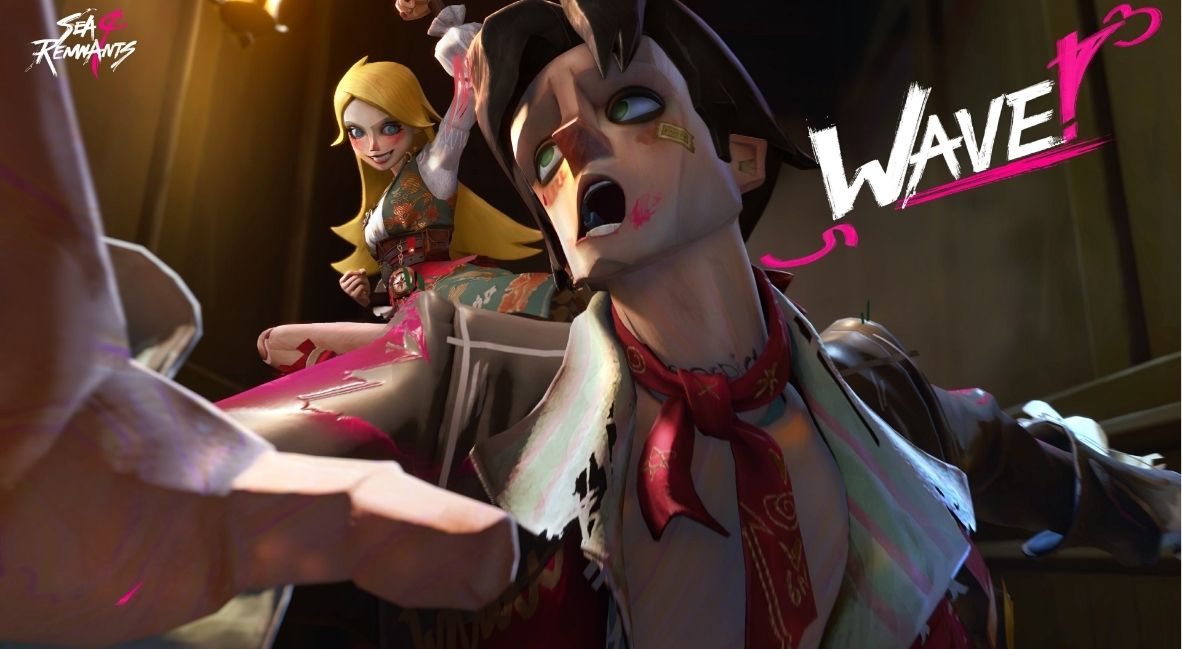
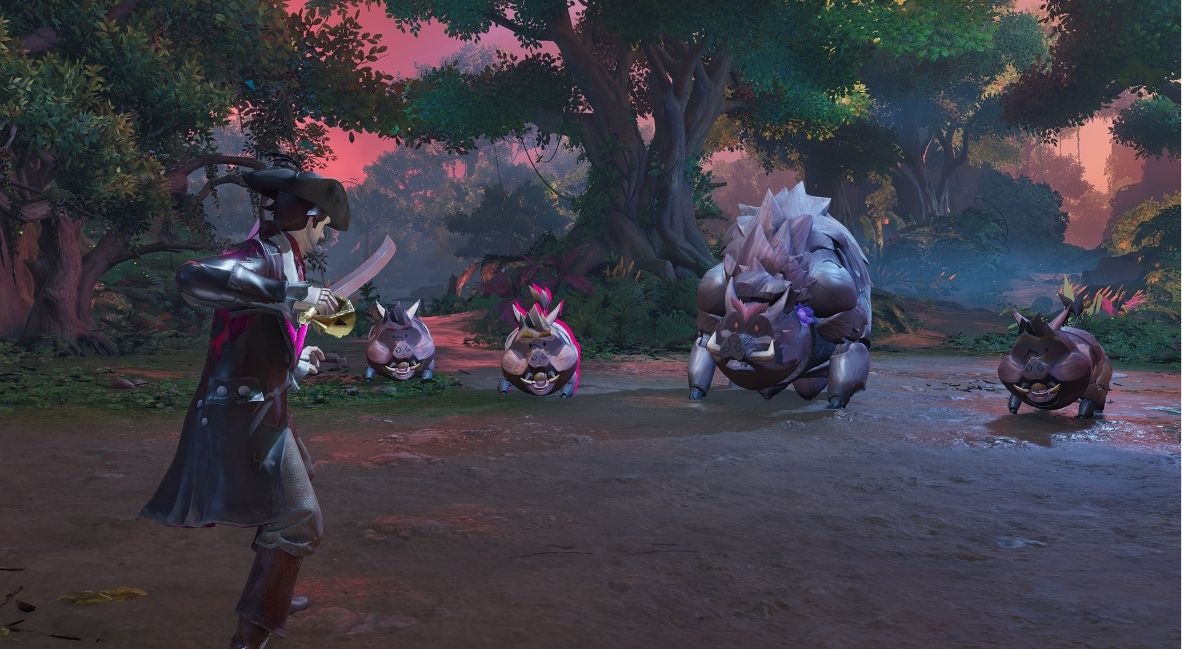
Turn-based combat complements the sheer number of factors in Sea of Remnants’ character design.
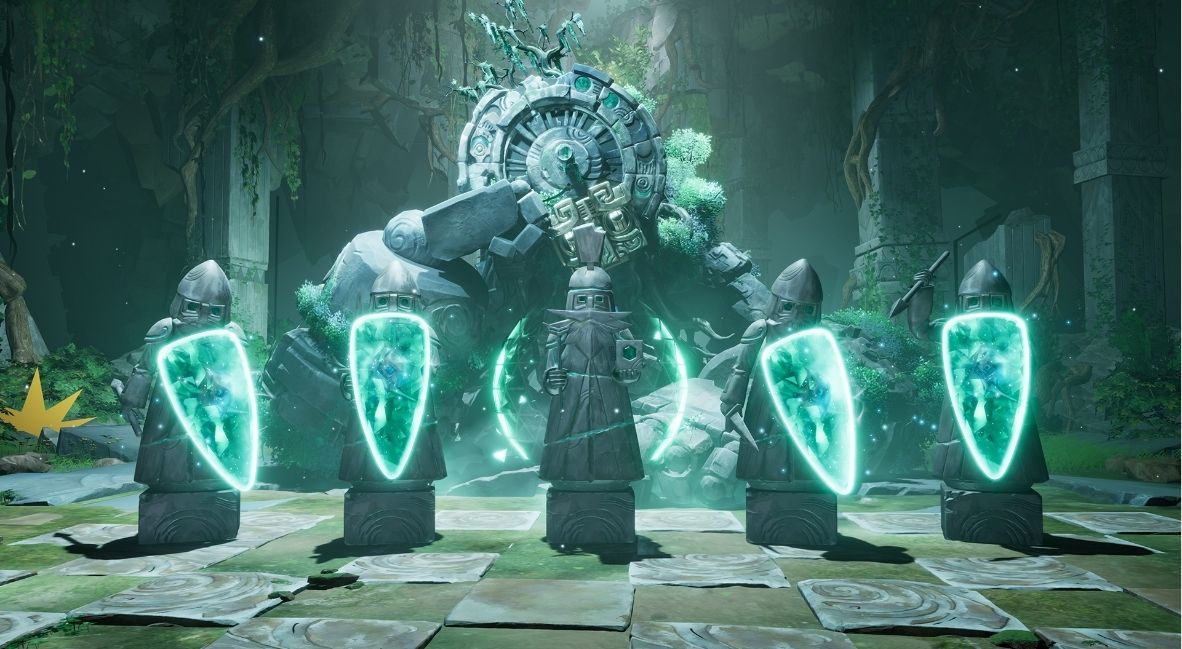
We then talked about where each gameplay system came from. Specifically, turn-based combat for on-shore fights. From a passive observer, turn-based combat doesn’t seem to match the freedom of movement pirates were known for. They weren’t the most rule-following sort, after all. So being stuck to taking turns to act felt odd given the grand idea of freedom that pirates had.
Innis said that the turn-based mode came from multiple internal pipelines determining that that was best for the game. “Tet me tell you how we make those key decisions. We would give a list, first, the key factors or elements that we want to have once a decision is made. In this process, many of our development team pipelines will all check in to offer their thoughts on this. For example, the turn based combat mode was actually proposed by multiple pipelines.”
Innis added that turn-based combat complements the sheer number of factors in their character design process. “Another aspect of further developing on this basis would be the number of characters and the class archetypes we have. This is going to be a live-service game and with future updates, there’s going to be even more characters and classes.”
“So on this combat mode, with those listed factors or elements that we have already determined, we believe that we need to capture the very core of it, and on this particular example, that would be that freedom and lots of options that we want to offer to our players.”
Joker Studio’s Product Lead, Innis, explains how Sea of Remnants stands out amongst free-to-play games.
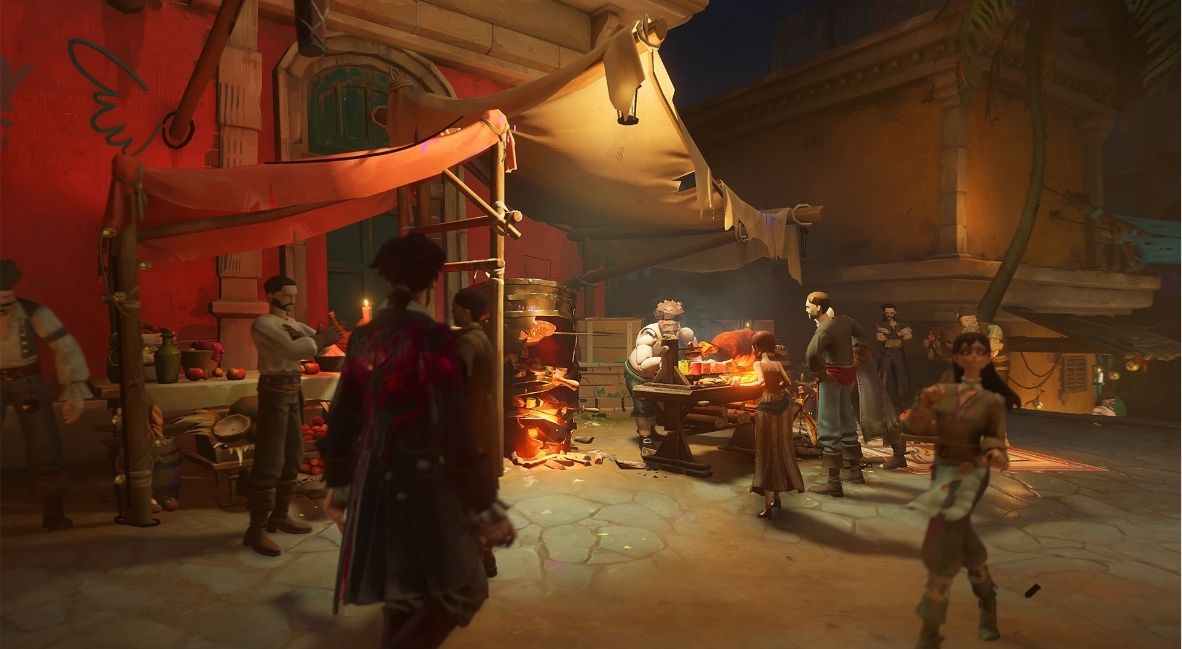
In other words, the sheer variety in the characters to be introduced at launch and beyond, along with turn-based combat, allows the team to be the most expressive with each and every one of them. Development effort can focus on creating flashy, standout moments in combat rather than numerous animations for world exploration, basic repeated attacks, and other open-world exploration elements in free-to-play games.
Speaking of the live-service aspect, we moved on to talking about the monetization and what is available for free-to-play only players. Innis broke the plans down into two parts. “One is our future plan of updates, how we plan to roll them out, and secondly, our plan for designing the paying system. So the open world contents, also the main narrative story lines, the characters, as well as the ships. Our updates with those shall be similar to the time when we launched the game in the very first place. They’re supposed to offer a complete experience.”
Innis continued by talking about the team’s principles for paid content. “We want to stick to one principle. That within each single payable module, there are supposed to be same tier of content for both players that are paying and players who are free-to-play. Same level of strength, Same level of power. we want to avoid the two things. One is setting a pay barrier to block the gaming experience of non-paying players. Also, we are not a pay-to-win game, so we do not want to create competitive advantages for those who are paying for our content.”
Why make a free-to-play, live-service game in today’s gaming landscape?
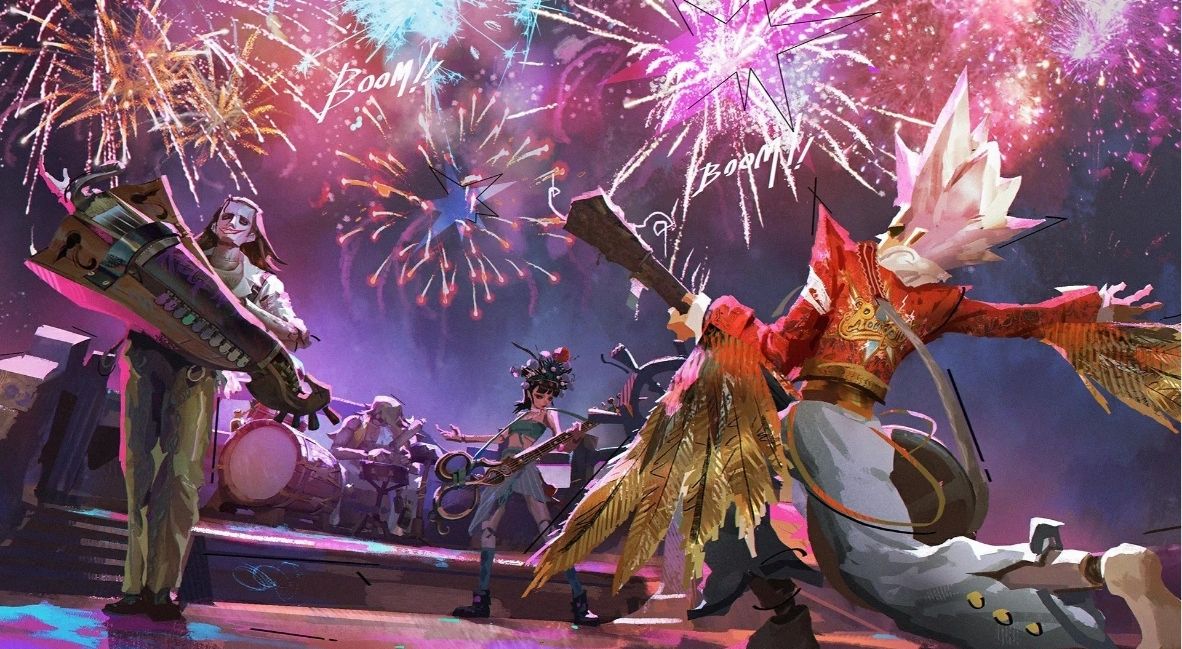
That led to the ultimate question: Why even make this game a live-service free-to-play game in the first place when the game is complete and those who pay aren’t better off than those who don’t. Innis said that there are actually multiple reasons for their decision to make a free-to-play game in today’s gaming landscape.
“One is that we didn’t start with the idea of competing time against other live service games in players time. We started with a different approach or different thought in our mind, which is to offer the experiences we want. We do know that with some solo or single player games, they offer their content within a time duration of 30 hours of gameplay or a couple of hundred hours of gameplay, and we decided that with ours, we probably need a longer time with that”.
He continued with the second reason, “The second reason is about the completeness that we wanted to achieve. For example, the 300 NPCs we talked about, it would be more practical if we could have a longer-term live service in order to have all those completed with the quality we wanted them to roll them out along the way. So we decided to go with what we are good at, and that is the reason we have chosen this game.”
Sea of Remnants intertwines music and art.
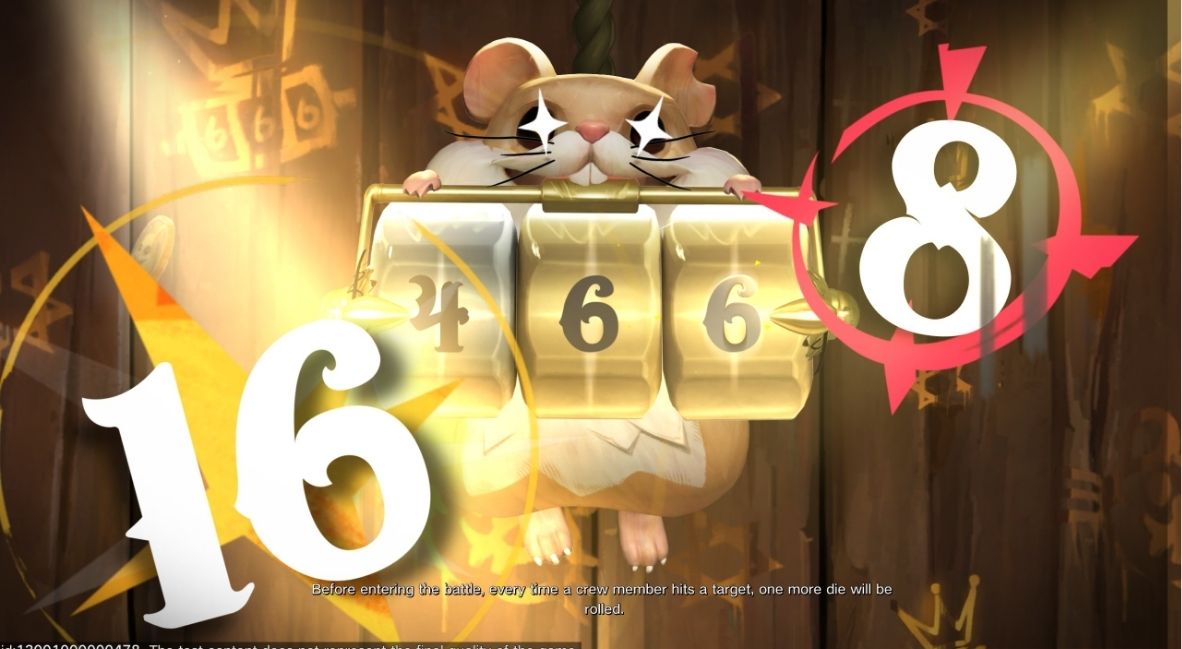
Finally, we talked about the hamster god and the decision to make music and art intertwined in development. For the latter, Innis said that music and art weren’t just two pipelines for them. “They’re within the same monster pipeline, just two parts of the team, and they work together. We believed that in order to create this imaginative movie quality, as cinematics and boss fight, we really needed someone who’s more capable and professional in this regard. Which is why we had a specific creative designer to be leading this”.
As for the adorable hamster, that was an internal push by women on the team to add more whimsy to the team’s creation. “We say this is the hamster God rolling dice. Well, it visualizes and expresses how luck is a thing perceived in this particular worldview. Within our core development team, we have lots of designers who are girls themselves. Let me assure you, our original version of the hammers to God does not look like this”.
Innis continued by givign an idea of what the hamster originally looked. “It was much fiercer and intimidating to be looked at. Not in a cartoon way of depiction. So, upon people’s complaints and requests, we made alterations to that gradually, step by step and eventually, this is how we ended up with it now. Much cuter and lovely to look at.”
Collaboration is what made Sea of Remnants possible at Joker Studio.
Innis concluded that this level of collaboration was a prime example of their daily routine at Joker Studio. “Those of us answering your question today are gentlemen. However, in our daily work within many of our teams, you actually have more than 80 percent of the members who are females. They often would criticize the three of us very honestly, as well as simply being very insensitive in aesthetics, and always holding on to our toxic manhood.”
The openness Innis talked about has led to a quite enjoyable game set on the high seas. One that could easily attract those who aren’t normally for free-to-play games currently out on the market today. With a great pizzazz to all that’s shown in Sea of Remnants, every voice does feel like was heard to create this game.