
In many ways, time has done more damage to Tyra Banks’s legacy than Reality Check Inside America’s Next Top Model ever will. While we are still beholden to unfortunate, damaging, and regressive beauty standards (check out all of the ads for weight loss pills running rampant through “for you” pages and the Super Bowl), companies and the powers that be have at least learned to be a little sneaky about it.
Utilizing therapy speak and beauty standard jargon, such as body shaming and body positivity, as a way to promote unachievable body standards for the average American is bad and transparent when you know where to look for it. And, many could argue that the stealth in which modern-day beauty ads, companies, and world writ-large commodifies certain attributes and sells Barbie variety thinness to Kardashian curve thinness is just as damaging, if not more so, than the ’90s leftovers of heroin-chic, blatant fat-shaming of the early aughts.
But, if nothing else, the three-part documentary series for Netflix, Reality Check Inside America’s Next Model, reminds us of a time and place where the public belief was that anything beyond a size 4 was “plus-sized,” and anything beyond a size 6 was fat.
It was celebrated, promoted, and injected into the minds of young girls who gobbled up episodes of America’s Next Top Model, which shilled the belief that being beautiful and successful meant being thin. And while Banks tried (in vain) to make a name for herself as a model who promoted a more all-encompassing sense of beauty, the documentary reminds us she wasn’t able to act on her promoted beliefs.
The early aughts were a very bad, no good time for “beauty standards.” And Reality Check Inside America’s Next Top Model takes efforts to showcase this through clips from the show. But the documentary series gets lost in all that it wants to say and ends up struggling to deliver any real, profound insight.
The clips are damning. It’s appalling to look back and remember that the series wasn’t just celebrating a very specific barometer of thinness. It was actively shaming women who weighed outside of that restrictive range and, worse, at times revealing the weights and heights of the girls on screen.
The series hit the radar in a new way during COVID.
Reality Check Inside America’s Next Top Model breaks into three lines of storytelling as it deconstructs the reality series’ rise to pop-culture iconography and, later, infamy. In the early moments, Banks blames COVID for the show’s reappraisal (though she tries to temper any tone that might be misconstrued as accusatory). During COVID, many people who’d never watched the show while it aired or were too young to watch it when it aired found a new binge-watch.
It wasn’t just millennial women revisiting the nasty toxicity of the series that let loose panelists like Janice Dickinson, whose main objective seemed to be as unnecessarily cruel as possible. Gen Z discovered the series too, and all of the objectively terrible decisions made by the show were back in the spotlight, a longstanding, necessary reckoning.
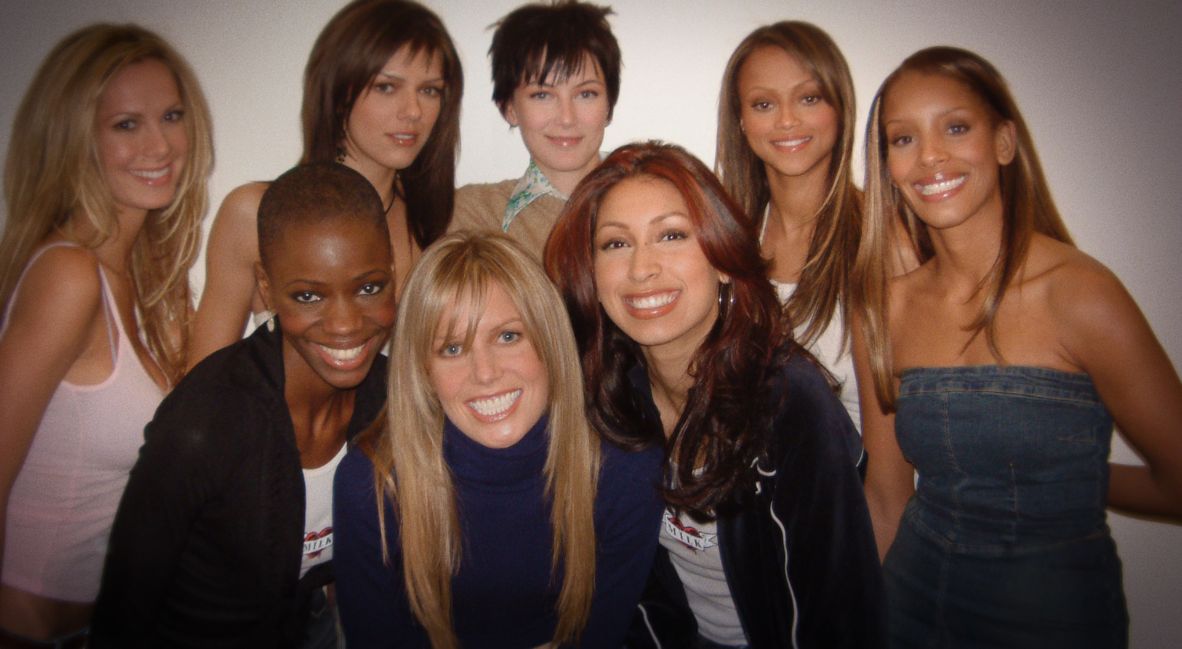
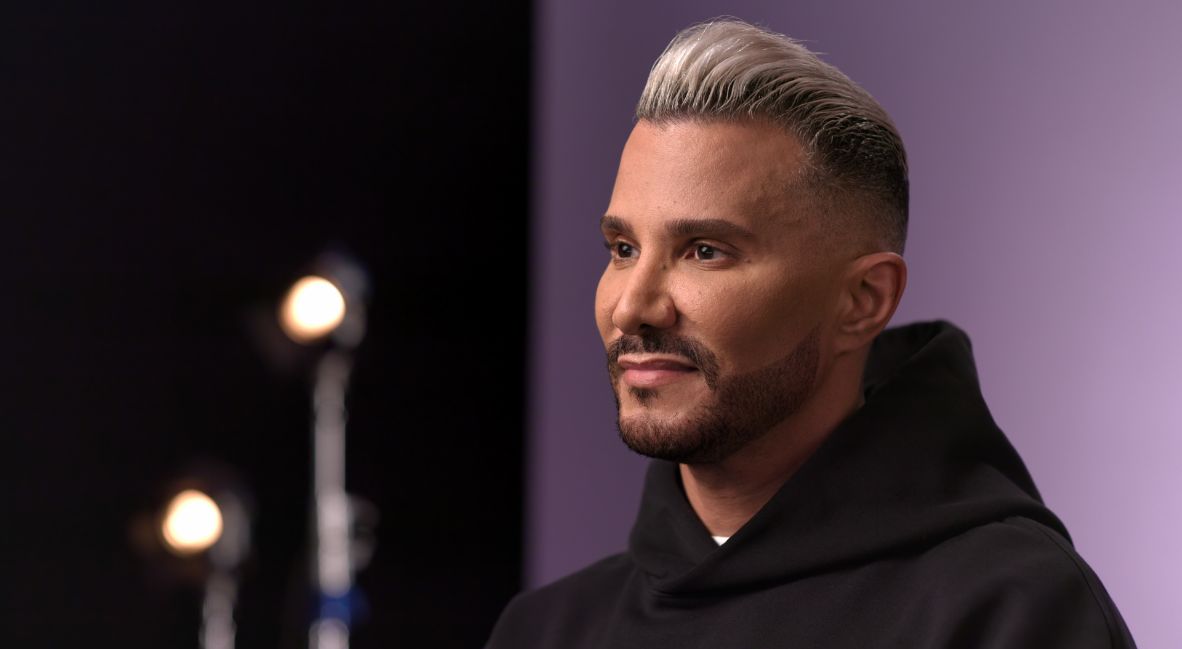
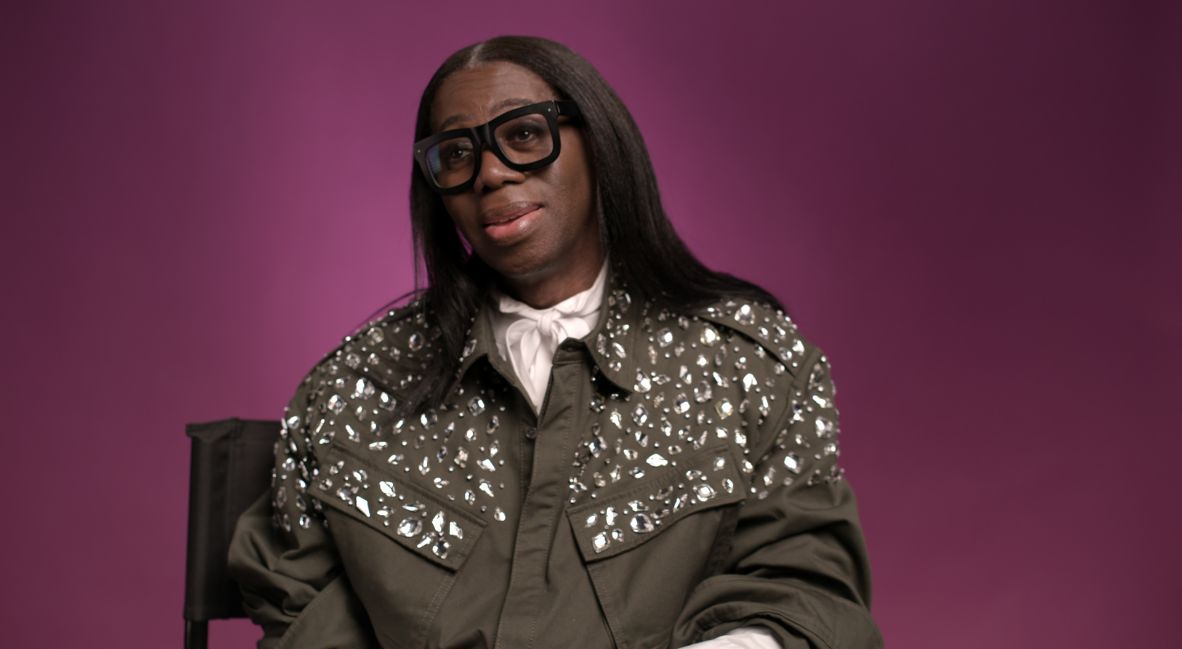
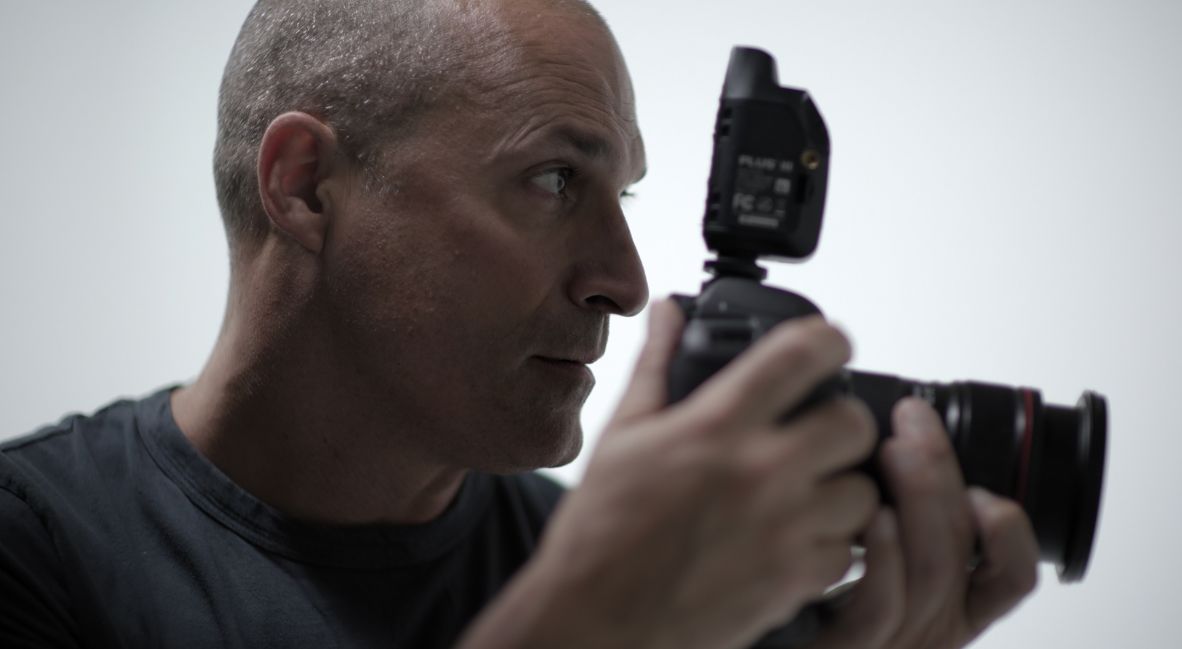
The three-part series deconstructs the series’ origin and the early stages of how its tone was set, not to uplift these girls but to make a spectacle of them. It moves ahead to the way in which the series quickly jumped the shark in an effort to maintain the desired blend of American Idol and Fear Factor, before pivoting to how the three men who stood by Banks’s side – Jay Manuel, J. Alexander, and Nigel Barker – were all screwed over by Banks’s and producer Ken Mok’s pursuit of success.
It’s the first part that strikes with the greatest rage-inducing accuracy. But it’s also the part that’s already been interrogated and analyzed since the series returned to notoriety. There’s a laundry list of issues in the first few seasons alone, the ones that the series will always be associated with.
From the irresponsible and, frankly, dangerous move of broadcasting the model’s weight, to all of the panelists condemning the models for any perceived weight gain on national television, and any remarks on a model’s appearance as a means to belittle and scorn, the beauty standards portion is well covered.
The reality series set the contestants up for failure.
But so too are the ridiculous, inappropriate, and harmful photo shoots the models endured. The photoshoots, where the models posed in front of unhoused individuals, glamorized violence against women in crime scene-inspired photos, and, most egregiously, were made up as different races have aged so disastrously that it’s hard to fathom how anyone thought it was a good idea, even in the cesspit that was the early 2000s.
The problem is that Reality Check Inside America’s Next Top Model is presenting all of this footage as if it’s new information when it isn’t. There are years and years of reflection on this period, realizing how damaging the photoshoots were on a macro level (how did they get away with this) and on a micro, personal level for the models themselves.
They’re being shipped off to Go-see’s equipped with a self-destructive arsenal of material that works against their success rates, not for it, with overly edited and posed photos, bleached hair, and bad runway walks, because the focus of the series wasn’t on producing new talent, but on entertainment.
Where the series finds its moments of truth comes through in the interview segments. While Jay Manuel and Barker manage to toe the line by accepting their roles in the chaos, the former contestants offer real insight. No more so than Shandi Sullivan and Dani Evans.
Sullivan, who, in Cycle Two, came close to winning, only for her life to be detonated in front of the eyes of millions, and Evans, who wins Top Model, whose career suffers and limits her bar of success because of her ties to the series.
Reality Check Inside America’s Next Top Model wades in the pool of common knowledge.
Sullivan, in particular, unlocks a visceral memory of watching the show and her story unfold. The shaming she underwent was immense following her night with a model while she was still in a relationship. Especially when we see her assault depicted for the sake of entertainment and ridicule. And her own personal self-hatred is palpable in the resurfaced clips. It’s nauseating to watch it all unfold on camera, as if to make a fleeting storyline out of the crumbling foundation of one girl’s life.
Evans, meanwhile, notes that, despite Banks championing herself as a voice for the underheard and overlooked, she was never going to go above and beyond to help those who crossed the threshold of the show. It’s a sobering moment that defines just who and what Banks cared about: herself.
But despite the exposé-like narrative and a clear belief that the story being told is unusual and shocking, so much of this is common knowledge to anyone who watched the show, especially the early years. The most surprising moments are the ones divulged by the Jays as they talk about their early friendships with Banks and how they soured over time – specifically Manuel’s.
Even the bright sides of the story – the models who did succeed such as Eva Marcille, Yaya DaCosta (The Lincoln Lawyer), Lio Tipton (Love Hurts), Isis King, Winnie Harlow, Leila Goldkuhl, and more – are under explored. Isn’t it worth investigating the success stories, especially when noticing how many found success through avenues outside of modeling?
There’s so much more the series either could have touched on or expanded on. With only a handful of prior contestants interviewed, Banks being evasive and Mok only owning up to certain errors of judgment, Reality Check Inside America’s Next Top Model is, like the show itself, a time capsule of an insidious era of reality television that put women through the wringer for the sake of “Good TV.”
The Netflix series isn’t so much insightful as it is a successful time capsule of Tyra Banks’ reality series.
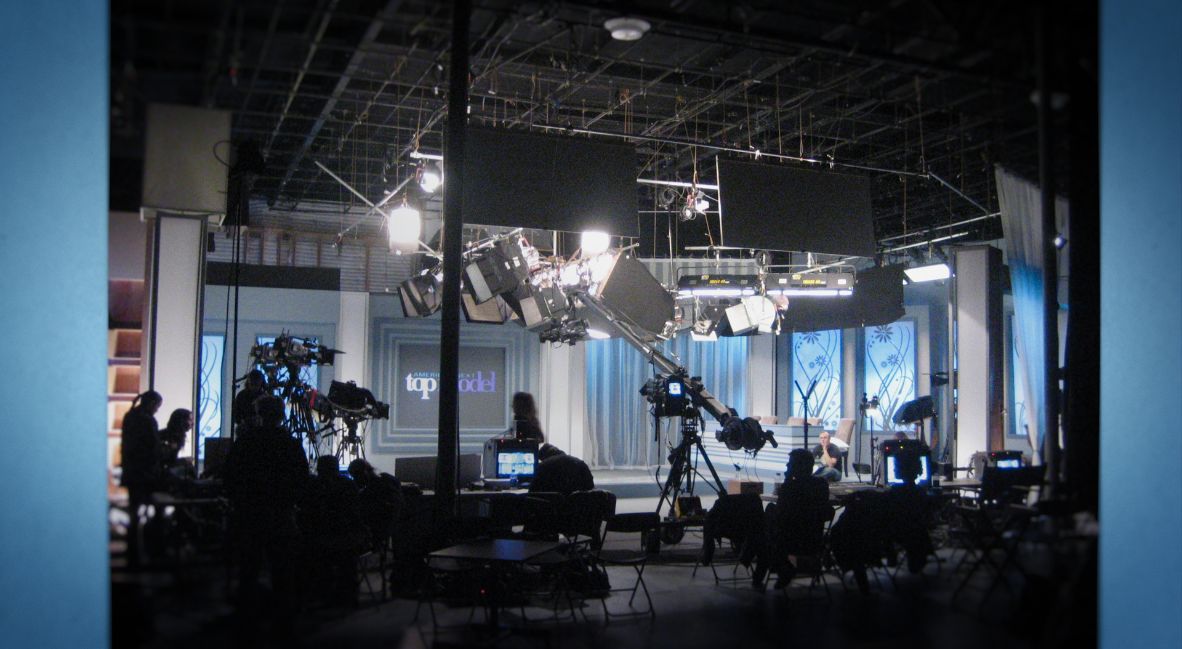
From exposing a woman’s infidelity to outing a queer Black woman in an era where mainstream queer representation was still limited to shows like Will & Grace or celebrities such as Ellen DeGeneres to the microaggressions women of color faced from their white contestants, and the campaign of bullying wrought on 18-year-old girls, Reality Check only begins to scratch the surface. The series needed to dig deeper, take greater accountability, and truly ensure that the audience, too, was held accountable.
Yes, Banks tries to shift the blame, suggesting she only went so far because the fans wanted her to. But the series needed to ask why we wanted to see it – why were viewers at this time and era and age so ready to consume a series that actively attacked any element of posited womanhood that stepped outside of the brackets of accepted norms?
The fun that comes through watching the docuseries now is due to the reminder of watching it when you were younger – a “I can’t believe that was allowed to happen” type approach. With so much time between it’s premiere and now, you’d think the producers would delve a little deeper.
Reality Check Inside America’s Next Top Model splinters open a bottle of time best left shelved, that deserved a keener eye for detail. The internet has already done most of the work in highlighting the disturbing elements of this pop-culture phenomenon. Somehow, despite its access to the talent involved and all-encompassing footage, the documentary series struggles to wield a sharper blade.
Reality Check Inside America’s Next Top Model premieres February 16 on Netflix.
Reality Check Inside America's Next Top Model
-
Rating - 6/106/10
TL;DR
Reality Check Inside America’s Next Top Model splinters open a bottle of time best left shelved, that deserved a keener eye for detail.