
Pavane (2026) doesn’t quite hit the rhythm it is aiming for in this reimagining, but still finds a beat of its own. In writer/director Lee Jong-pil’s approach to novelist Park Min-kyu’s “Pavane For A Dead Princess,” he seems to steer the conversation away from Min-kyu’s dissection of society’s consumeristic culture, or at least pulls back on it. Rather, the themes of overwhelming loneliness and fear of rejection arise, heightened by individual circumstances, and while these themes resonate, a feeling of restraint keeps Pavane (2026) from reaching its full height.
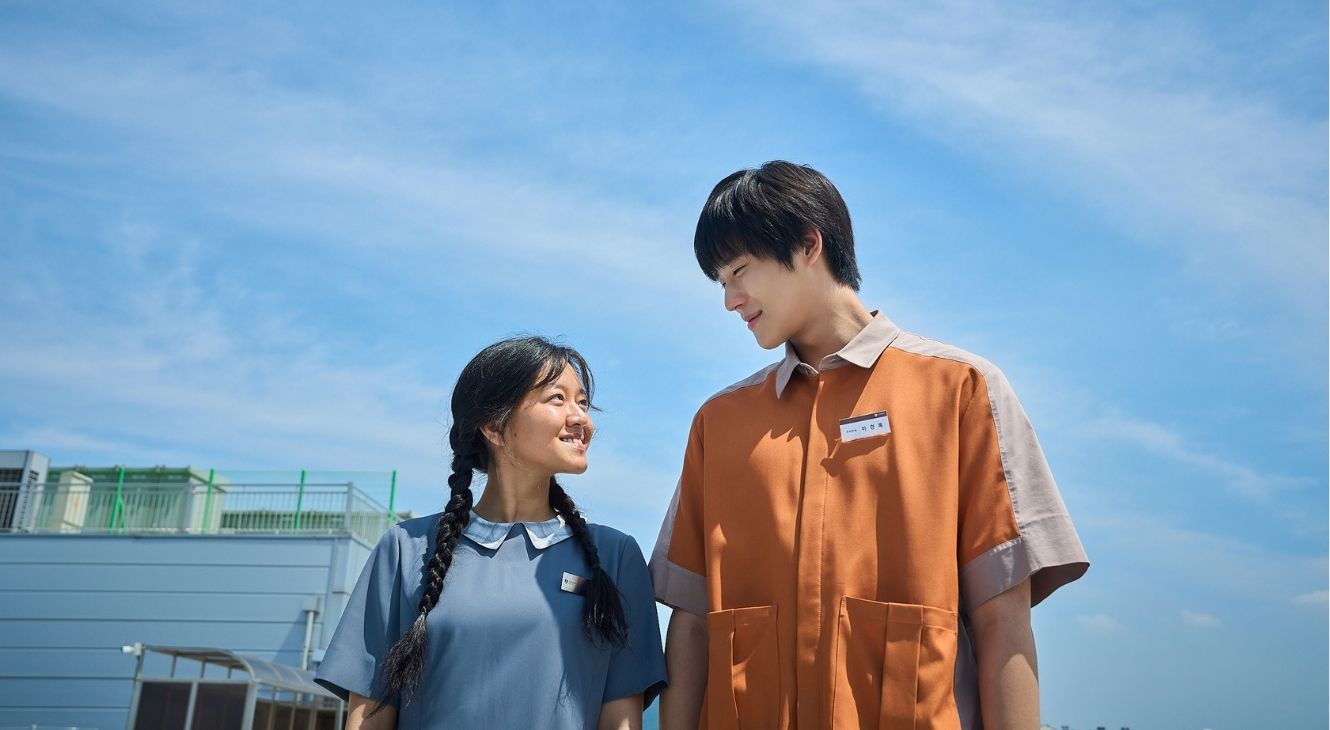
Central to the film finding its feet is its central trio of characters. We’re introduced to Kyeong-rok’s (Moon Sang-min) parents’ love story. This clues us into his approach to people and the likely connection he has later on with Mi-jung (Go Ah-sung). He finds himself working at a mall as a parking attendant after giving up his dream of becoming a dancer despite clearly having the talent. This puts him in the path of Mi-jung, a department store employee whose appearance delegates her to working in the backrooms.
He also meets the film’s unintentional main character, Yo-han (Byun Yo-han), who is a people person, preferring to hide behind humor and soloquiys on life than address the darkness that hides within. The relationship between Yo-han and the socially awkward Kyeong-rok paves the way for Kyeong-rok reaching out to Mi-jung. He is unable to deny the connection he feels to her. Part of the joy in Pavane (2026) is seeing the slowly developing relationship between the two characters, and how this unlikely couple grows into their feelings for each other.
The relationship between Kyeong-rok and Mi-jung is the beating heart of Pavane (2026).
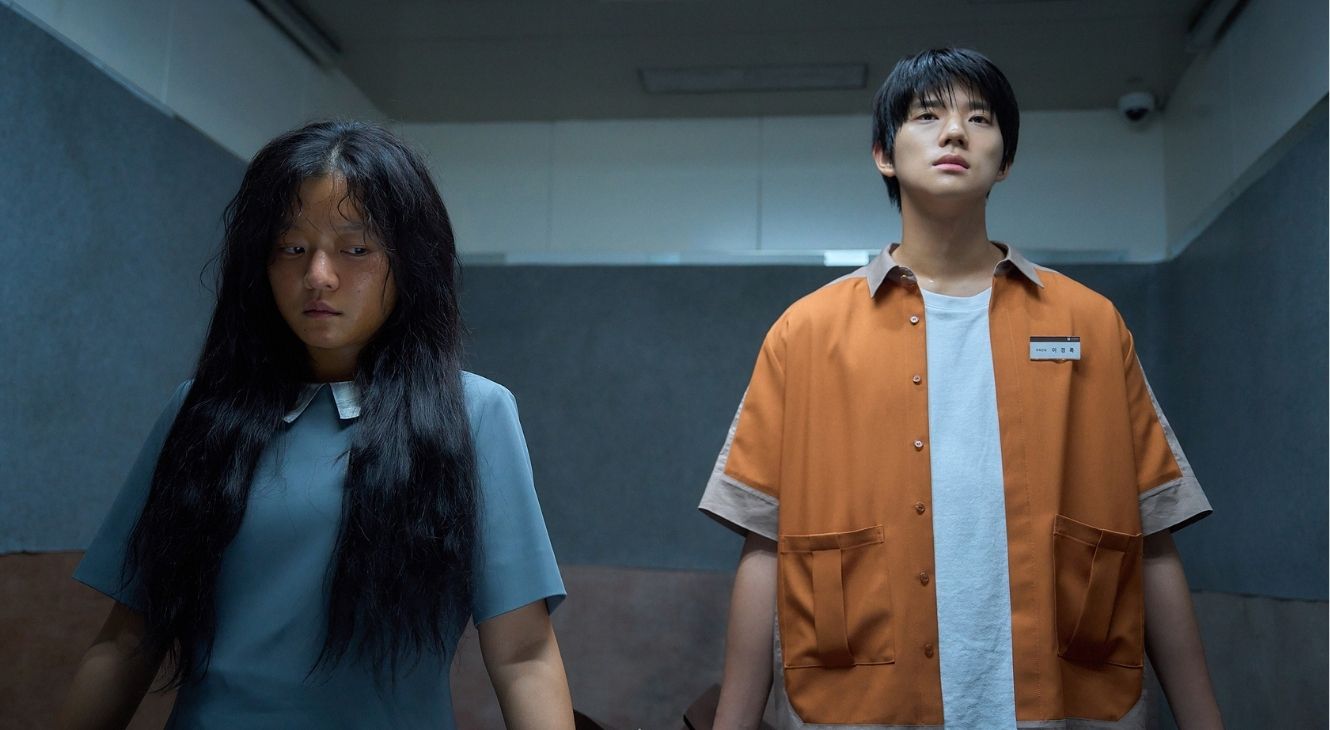
The chemistry among the three actors in Pavane (2026) makes the characters’ evolving relationships feel more genuinely painful later on. Lee Jong-pil’s emphasis on the loneliness in Park Min-kyu’s text shines brightly here, as the two more overt outsiders—Mi-jung and Yo-han—are both drawn to yet struggle with Kyeong-rok’s positive energy and easy acceptance. The tension that bubbles over between the two connects to their relationship with Kyeong-rok, who is all the more oblivious to their struggles.
What’s fascinating about Mi-jung and Yo-han is that, on the surface, the case for loneliness makes more sense for one than for the other. Almost everyone working around Mi-jung treats her with disdain for her appearance. This otherness isolates her and makes it all the more baffling for people once they realize Kyeong-rok is attracted to her (something Park Min-kyu used to challenge society’s vanity in his text). The treatment forces isolation, and, inadvertently, Mi-jung reinforces it with her actions, choosing to distance herself rather than bring embarrassment.
While Mi-jung protects herself with distance, Yo-han dons a facade to disguise his otherness. In Pavane (2026), his background and societal status weigh on him. His bubbly personality masks his pain. His privilege, what little he has anyway, when present, is easily taken away. In Kyeong-rok, he finds hope, and when Kyeong-rok spends time away, Yo-han’s loneliness deepens. For outsiders, such relationships can be the only thing helping them hold on, and we see the consequences of that through Yo-han’s journey.
Park Min-kyu’s original criticism of Korean society and its vanity takes a backseat in Pavane (2026).
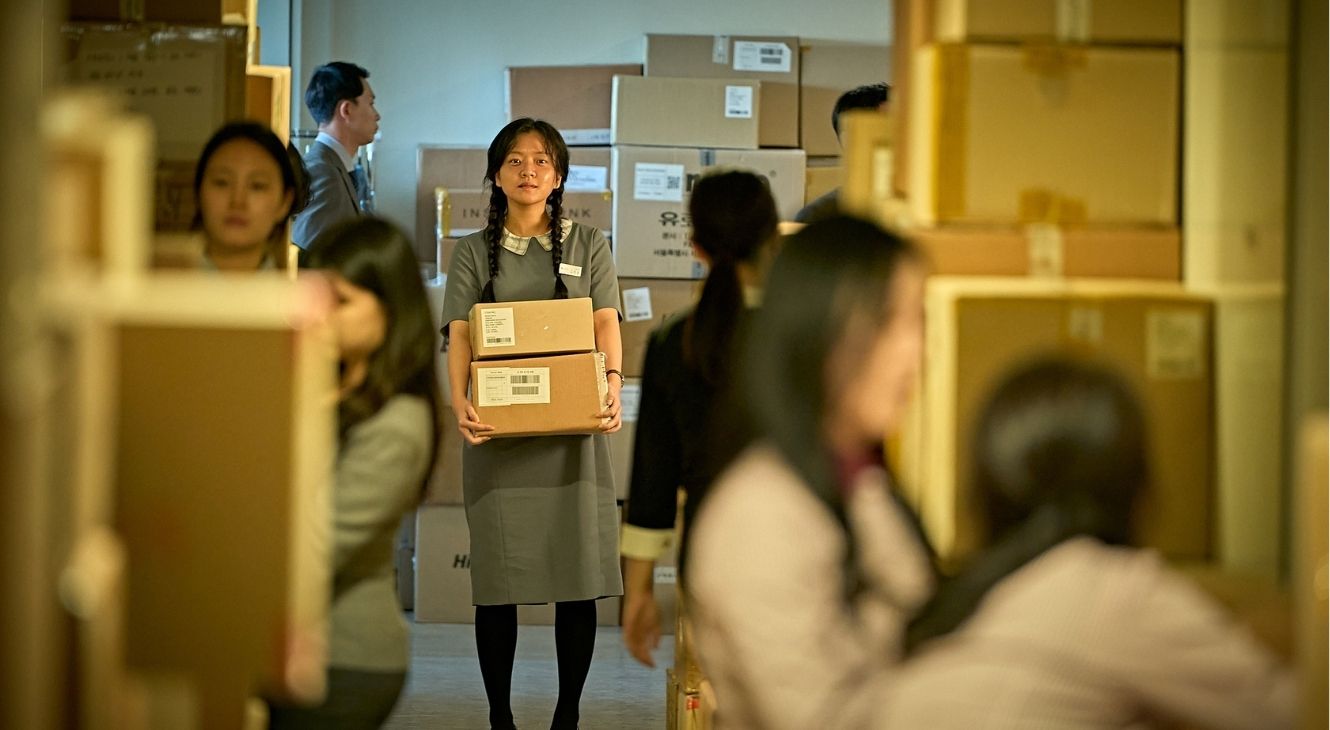
The original text spared nothing in filling in the gaps, choosing the path furthest from sublety but there was little ambiguity. In adapting the relationships onscreen, particularly in the film’s second half, something feels missing from Mi-jung when she distances herself.
A lot of that likely has to do with how little access we have to the characters’ inner worlds, a consequence of adapting for a visual format. Eventually, the gaps are filled in, but the decisions might come out of left field for viewers (inadvertently mirroring Kyeong-rok’s own experience).
Where Pavane (2026) could have also made her decisions hit a lot further would have been in establishing Kyeong-rok a little bit more. Moon Sang-min plays him rather awkwardly, giving him a naive quality that reflects the light Mi-jung and Yo-han are drawn to. Yet, not enough is done to establish that he is capable of breaking her heart, nor do Mi-jung’s insecurities and fears manifest overtly enough to cast doubt until plot points have long passed.
No one can deny the underlying sorrow and loneliness that permeate the film’s core.
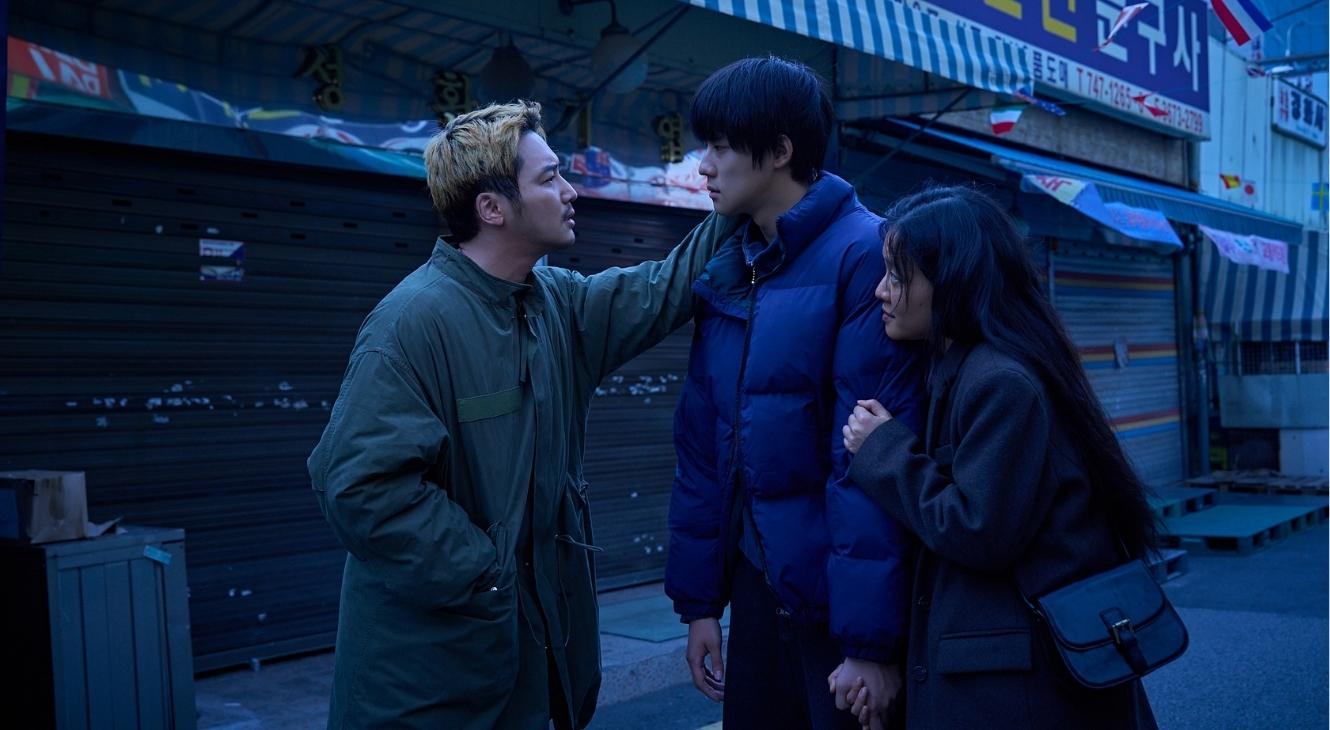
This doesn’t stop a lingering sadness and regret from emerging in Pavane’s (2026) final act. Yet, by the time the credits roll, the restraint Lee Jong-pil has kept on the slowly unfurling story dampens some of the emotional resonance of the film’s end. There is sorrow over love and life lost, of fleeting memories and unfulfilled dreams, and of lost potential. However, the film maintains a lingering ‘what if’ that it can’t quite shake off.
At its core, loneliness and a fleeting sorrow permeate Pavane (2026) that belies the film’s inevitable end. While there are areas in which the characters could have been further developed, allowing for a better understanding of their motivations and decisions, it offers a new way to look at Park Min-kyu’s work that others might not have seen. And that is part of the fun and fascination that adaptations should provoke.
Pavane (2026) is streaming now exclusively on Netflix.
Pavane (2026)
-
Rating - 7.5/107.5/10
TL;DR
At its core, loneliness and a fleeting sorrow permeate Pavane (2026) that belies the film’s inevitable end.