Monster Hunter Stories 3: Twisted Reflection is Capcom’s latest title in its now-trilogy of Monster Hunter Stories spin-off games. This third installment includes several great signature elements from the previous games but significantly improves them while breathing new life into the series in many ways.
Monster Hunter Stories 3: Twisted Reflection follows two kingdoms, Vermeil and Azuria, threatened by extinction due to a phenomenon known as the crystal encroachment. The game begins with the queen of Azuria finding a crystallized Rathalos egg and bringing it back to the kingdom.
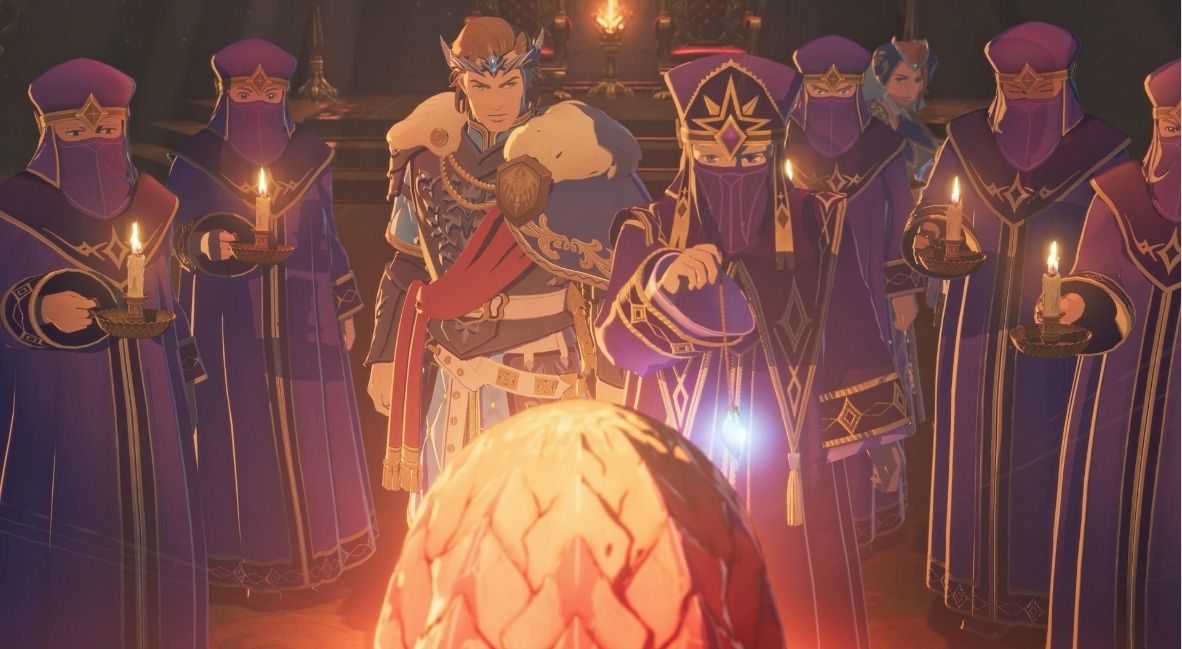
During the ritual to hatch the eggs, it’s discovered that the egg contains twin Rathalos, which is a bad omen, so Azuria decides one of them must be killed. However, on the night one of the monsters is to be killed, the queen intervenes and flees with one of them, branding her a traitor to the kingdom.
Monster Hunter Stories 3’s narrative tackles war and sacrifice with endearing characters.
The story then skips forward and follows the heir of Azuria, who is also the captain of the Rangers, with one of the Rathalos now their reliable Monstie companion. The heir and the Rangers seek to protect endangered monsters and restore balance to nature.
Unfortunately, this mission is threatened by the looming war between Vermeil and Azuria. The heir is forced to juggle the reputation of being the child of a betrayer with the responsibilities of a Ranger while preventing their Rathalos from being used as a weapon in the coming war.
Monster Hunter Stories 3’s story does a great job of capturing players’ attention from the start, thanks to its incredibly engaging cutscenes, storytelling style, and interesting characters. Compared to the previous installments, the game’s narrative is much darker and more mature, with high stakes, especially in the war between the nations and how their respective heirs are affected as they try to do whatever they can to maintain peace. The narrative tackles themes of war and sacrifice, and has genuinely endearing and interesting characters.
The story is perhaps the best and most engrossing in the series so far, as it feels like a lot of thought went into it, and it isn’t an overly innocent or reserved story that just serves as an excuse for players to interact with monsters.
Monster Hunter Stories 3 keeps things fresh with a new UI.
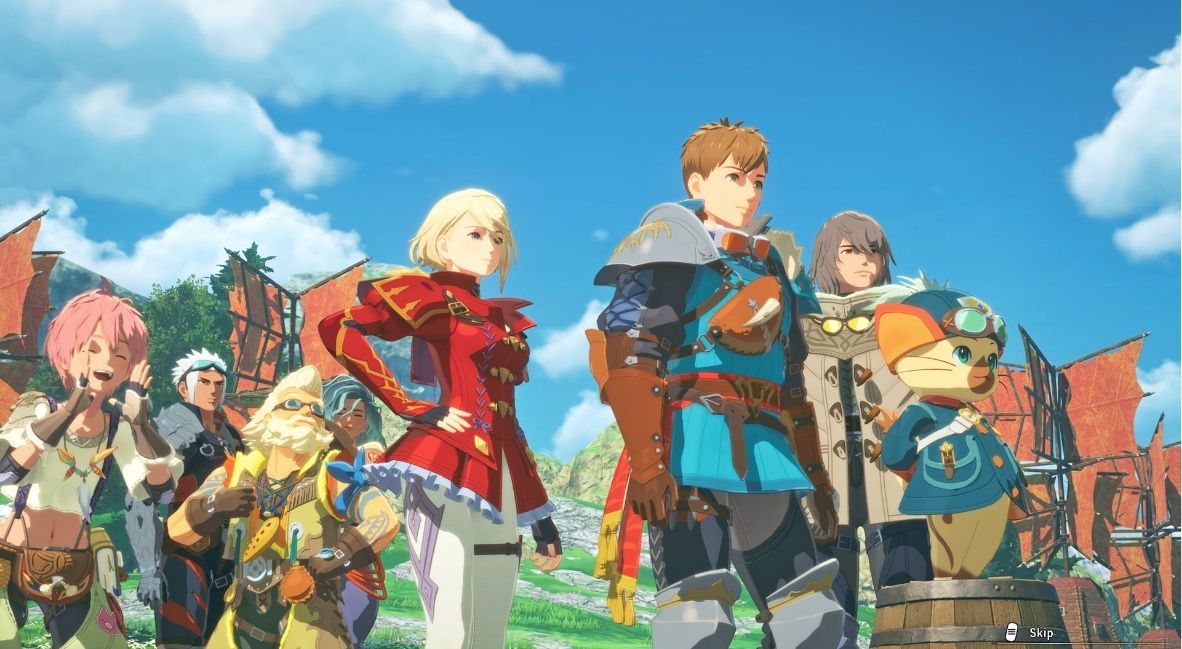
Gameplay-wise, Monster Hunter Stories 3 succeeds at being even more interesting than previous titles thanks to its new elements. The game incorporates the series’ signature rock-paper-scissors combat mechanic with Power, Technical, and Speed attacks and skills. Each attack type is strong against and weak against another.
Understanding enemy patterns and choosing the right attack type gives players the upper hand in combat. However, it’s worth noting that the signs for when some monsters switch their fighting style are too vague and inconsistent, making it hard to tell when to switch your selected style to counter theirs.
Monster Hunter Stories 3 keeps things fresh with a new UI and more responsive controls. Swapping weapons and Monsties and using items and skills is incredibly fast and responsive. The game also includes a variety of new mechanics, including several feral monsters players will encounter. These monsters are driven mad by the crystal encroachment and have crystals attached to them that grant them new, chaotic abilities.
New weapons and monsters set Monster Hunter Stories 3 apart from previous entries.
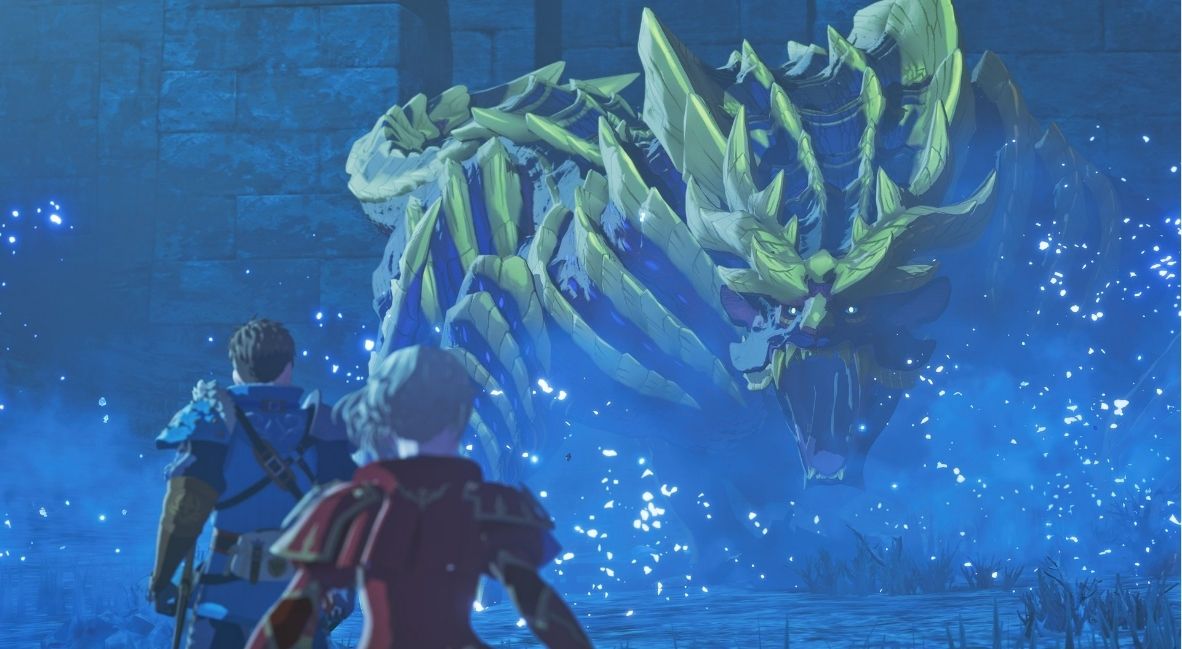
To defeat them, players must break the crystals and stagger them through several coordinated attacks by targeting limbs and weak spots. The new inclusion adds a bit of challenge to gameplay and a new level of strategy, making it more engaging as players have to time and coordinate their attacks.
Another inclusion is the Wyvern Soul Gauge. This is a new gauge under a monster’s HP that players must keep an eye on, as depleting it causes the monster to stagger, while emptying it allows for a “Synchro Rush”, which is an amazingly animated, massive, coordinated team attack.
Additionally, Monster Hunter Stories 3 also introduces new monsters and weapons, such as the Long Sword weapon type seen in the mainline Monster Hunter games. These new inclusions make the game incredibly enjoyable and feel different from previous titles.
Habitat Restoration lets players hatch and release monsters back into the world to repopulate it.
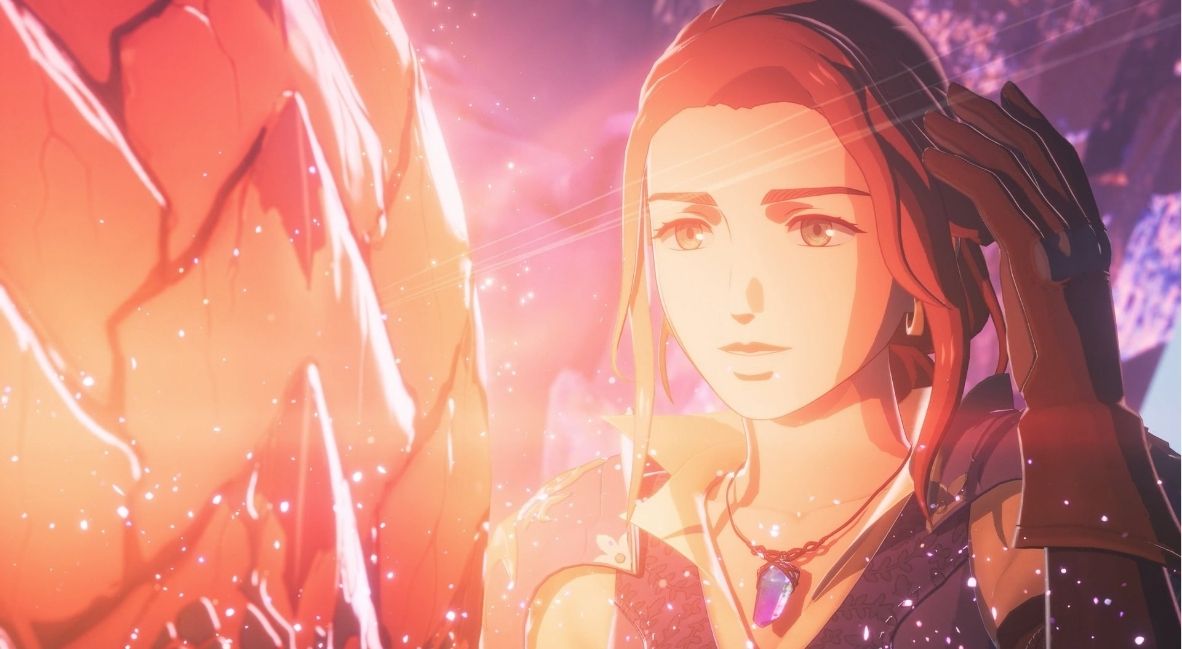
When not fighting monsters, players can explore the game’s map freely to gather items and Monstie eggs, fight monsters, and take on side quests. Some side quests are great character-focused missions, while others are unfortunately just fetch quests.
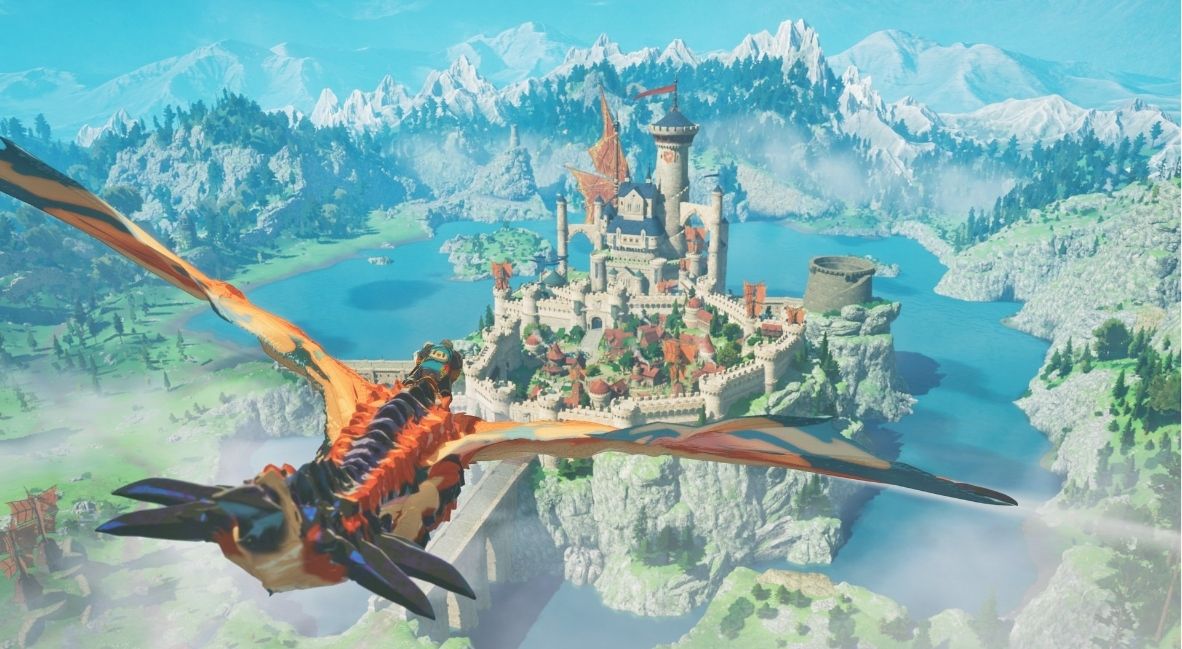
Swapping Monsties during exploration is fast and responsive, and each Monstie suits the landscape and terrain. Some Monsties are quick, able to run on walls, or, like your Rathalos, can fly. However, unlike the previous game, flying on your Monstie feels less satisfying as it feels more like gliding.
Another new addition to the series is Habitat Restoration, a gameplay loop where players can release hatched monsters, especially endangered ones, into the wild to repopulate and restore ecosystems, thereby increasing the area’s Ecosystem Rank.
This makes it easier to find rare eggs and unlock Dual-Element monsters, which have new traits and are stronger than their ordinary counterparts. The new system, while not as naturally engaging as other gameplay elements, is a great way to earn rewards and access new types of monsters.
Monster Hunter Stories 3 looks and feels immaculate.
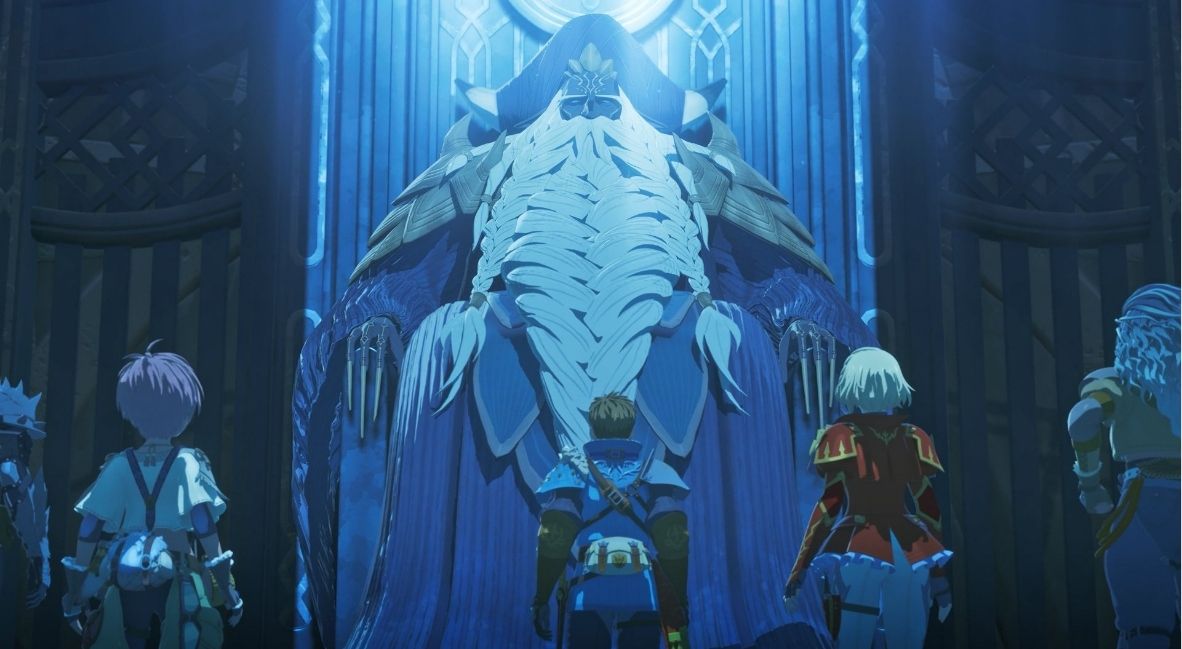
Visually, Monster Hunter Stories 3 looks immaculate. The game features amazing art direction, smooth animations, crisp, colourful compositions, and character designs. The game also runs well on PlayStation 5 so far, with no glitches and bugs on the preview build.
Overall, Monster Hunter Stories 3, while not perfect, looks to be the best title in the spin-off series so far, thanks to its engaging narrative and fun gameplay. As such, the rest of the game is worth looking forward to.