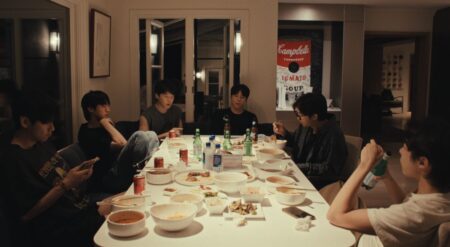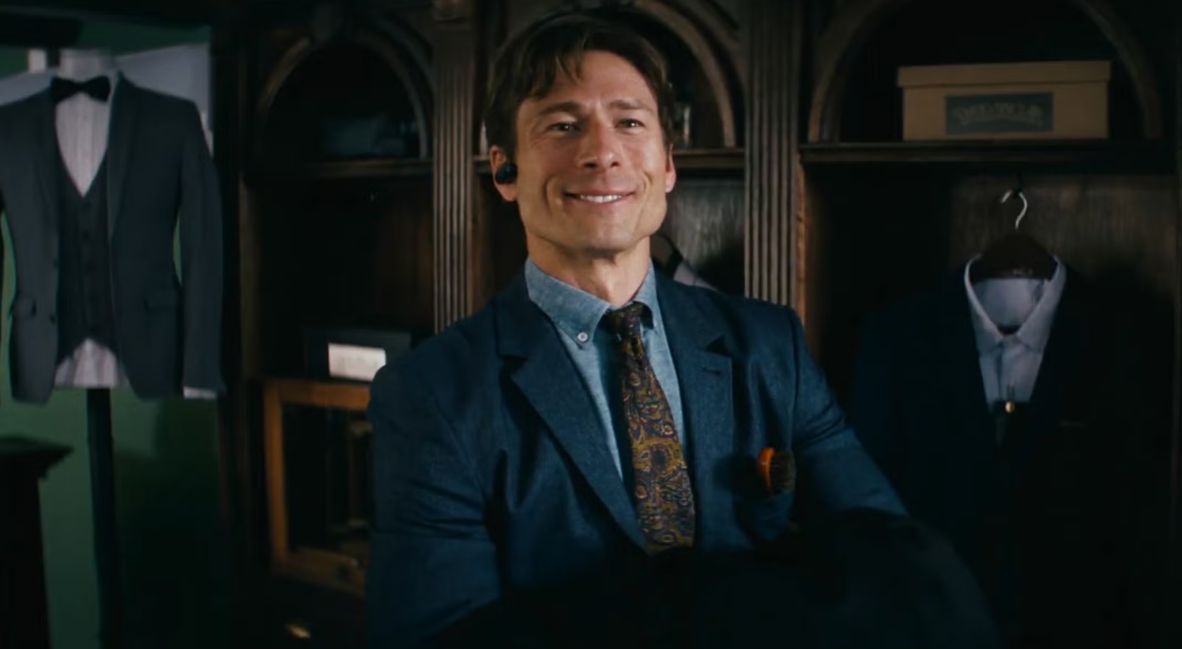
Written and directed by John Patton Ford and loosely inspired by the 1949 British film Kind Hearts and Coronets, How To Make A Killing (2026) is a kill-the-rich story you might not be expecting. Filled with dark and dry humor, the film has an all-star cast anchored around Glen Powell that includes Margaret Qualley, Jessica Henwick, Topher Grace, Ed Harris, Zach Woods, and Bill Camp.
The film starts with Becket in jail talking to a priest in the lead-up to being executed. Through Powell’s narration, we see Becket’s life from the start to that very moment. You see, Becket is a Redfellow and through some convoluted trust, he can inherit the family’s billions.
The only problem is that Becket has never met his Redfellow family. When his mother fell in love and got pregnant, she was disowned by her obscenely wealthy family, with the patriarch, Whitelaw Redfellow (Ed Harris), digging his heels in any time she needed help.
Don’t go into A24’s How To Make A Killing (2026) expecting a Patrick Bateman thriller.
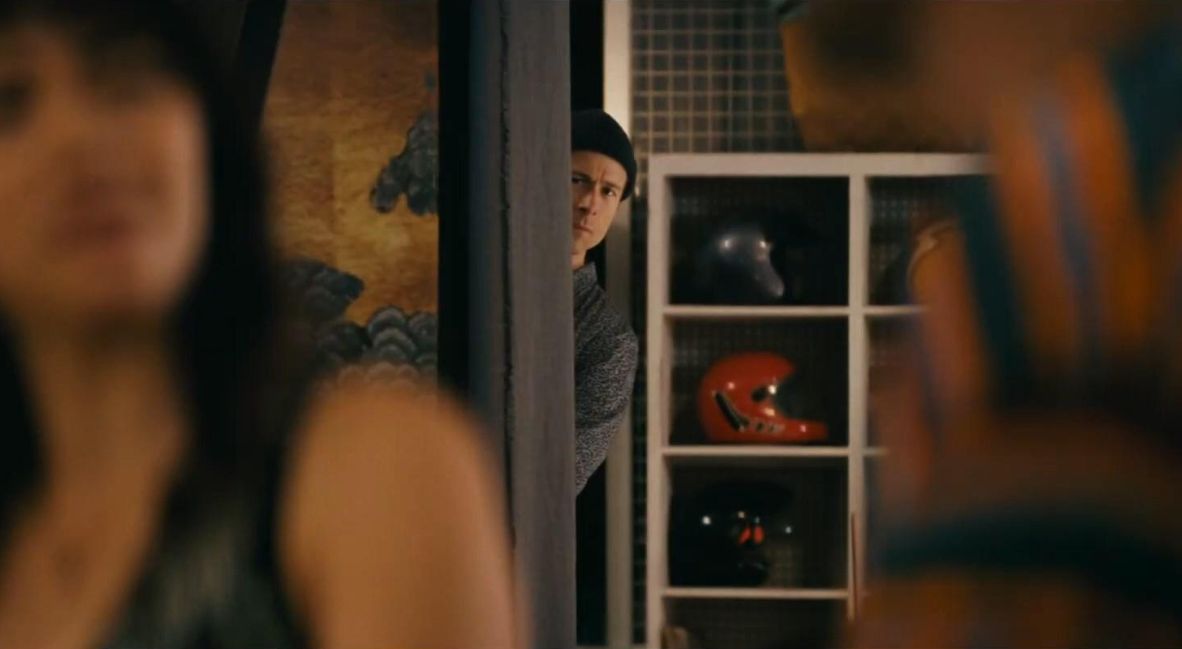
Despite being cut off from the Redfellows’ lavish life, his mother made sure that Becket still had an education, learned to play the piano, practiced archery, and fit in with high society. With his life derailed by his mother’s death and the foster care system, we meet adult Becket working at a suit tailor in New York City.
Properly middle-class, when he meets his childhood crush, Julia Steinway (Margaret Qualley) in the store one day, he realizes how much life has passed him by. And of course, he decides to take advantage of the trust and murder the seven Redfellows ahead of him to claim his inheritance and the life his mom knew he deserved.
With that simple premise, How To Make A Killing is off the races, but it’s important to know that this isn’t some revenge thriller, even if the synopsis makes it seem like one. Instead, How To Make A Killing is a dark comedy from top to bottom.
Becket’s spree of family killings isn’t just a ruthless and bloody revenge plot to take what’s his. The killings are small, focused on little errors in someone’s life that will amount to a series of unfortunate mistakes to the cops and keep the blood off of Becket’s hands.
How To Make A Killing (2026) is Glen Powell at his best since Hit Man.

That said, Becket’s path toward the Redfellow fortune isn’t without his own little accidents that effectively snowball into bigger concerns, and someone knows exactly what he has been doing. Despite Becket’s attention to detail, drive, and his always-setting-up-the-perfect-alibi, he can’t control everything. He can’t control falling in love, he can’t control natural causes, and ultimately, his own need to close the door on the Redfellows pushes him into a corner he can’t really get out of.
While the film’s narrative is expertly paced and its twists are executed to perfection, I challenge anyone leaving the cinema not to be in love with Glen Powell after this performance. How To Make A Killing is a new high for Glen Powell. While reminiscent of Hit Man (where Powell didn’t really kill people) in its approach to humor, the film still gives Powell the runway to show his depth as an actor. Effortlessly funny, pathetic, and an endearing romantic lead, How to Make a Killing is Powell’s best work yet.
How To Make A Killing confirms that Powell’s ability to lead more than just a blockbuster is more than bankable, and, more importantly, it’s hopefully proof that he will start to pick projects that push outside the lines after banking roles in The Running Man, Twisters, and Anyone But You.
We’ve seen Powell tackle popcorn films, but now, he’s returning to the height of Hit Man, and that’s exciting to see. He’s charming, likable, and entirely capable of being a pathetic man with nothing left to hold onto.
The stacked ensemble cast makes this A24 film even funnier.

But Powell isn’t the film’s only successful performance. While much of the ensemble cast enters only to be killed, the Redfellows are all interesting in their own ways. Though it’s Zach Woods and Topher Grace that stand out as Noah Redfellow and Pastor Steven J. Redfellow, respectively.
Noah is an eccentric (read: dumb nepo baby) artist living with his girlfriend Ruth (Jessica Hewick). His ignorance is funny, the situation that Becket puts him in is funnier, and ultimately, you don’t feel bad when he bites the dust. As for Pastor Steven, he is a mega church pastor who embezzles, has pictures with terrible people in his office, and is definitely just a “cooler” John Hagee. And once again, you’re not sad when he dies.
In fact, How To Make A Killing works because the rich people that Becket is killing are all the worst stereotypes of rich nepo babies, and the film reinforces that over and over. It taps into the lack of care many of us have when a billionaire dies, and the anger we have when people whose only accomplishment in life was to be born continuously fail upward. It’s hard to hate Becket because he’s only taking what is owed to his mother, and more importantly, they’re just vapid rich people.
Two women ground How To Make A Killing (2026): Jessica Henwick and Margaret Qualley.

Where Becket’s quest for the Redfellow fortune is something to root for, when he starts spending more time with Ruth, his resolve and yours in the audience start to waver. With a solid performance, Henwick’s Ruth is a bastion of the present. She is showing Becket that life is happy and healthy even without the billions. She doesn’t want the Redfellow money; she wants him, warts and all. She wants him to live in his crappy Newark duplex or in a high-rise.
The goal of Ruth’s character is to ground Becket and show him that it isn’t all about money. However, How To Make A Killing, like Good Fortune last year, doesn’t argue that money doesn’t buy you happiness. Instead, it looks at the class structure our systems uphold, the need to hold onto that status once achieved, and how greed will inevitably gut you, even if it solves some problems.
And to do the gutting, that’s where Julia comes in. In love with her since childhood, he didn’t have the money to draw her eye, and living in the foster system didn’t keep Becket in the rooms that she was in. When they encounter each other again, Julia jokes that Becket should call her when he has killed all of his relatives for the fortune, and that’s where she stays.
How To Make A Killing (2026) is all about choices snowballing into something unstoppable.

Julia enters Becket’s life throughout the film as he begins to climb the corporate ladder and leaves his job as a suit tailor for finance. She expects him to want her, and as he grows increasingly uninterested in her, and she starts to slip in standing, Julia is the reminder of the world that Becket is going to enter, whether he wants to pull away or not.
Margaret Qualley’s performance as Julia is at once chaotic and calculated. She oozes vanity and unbridled greed, and she uses it to push her forward, t-boning Becket’s plan. If he wants to stop, she shows up with just the right ammunition (or blackmail) to keep him going.
How To Make A Killing is about class and greed, but it’s not a tale about morality and money like some may expect. This isn’t a biting satire about killing the rich for the betterment of the world. It’s about killing the rich for a singular person’s benefit. How To Make A Killing isn’t trying to bite its audience; if it were, Becket would be filled with rage, but he isn’t.
Becket’s life choices revolve around a line the film keeps returning to: “Don’t quit until you are living the life you deserve.” Or something like that. Like much narration, the film’s primary critique is that Glen Powell’s exposition, which serves as narration, does more to explain what’s happening than to offer any deeper introspection on how each subsequent event is shaping him.
Because we don’t see the growth, it’s clear that Becket doesn’t have any. However, that is the point. This isn’t a story about breaking class barriers so much as becoming a part of it. The road to being the one percent is paved with bodies, and Becket’s path is no different.
How To Make A Killing (2026) isn’t the kill-the-rich film we’re yearning for, but it’s still excellent.
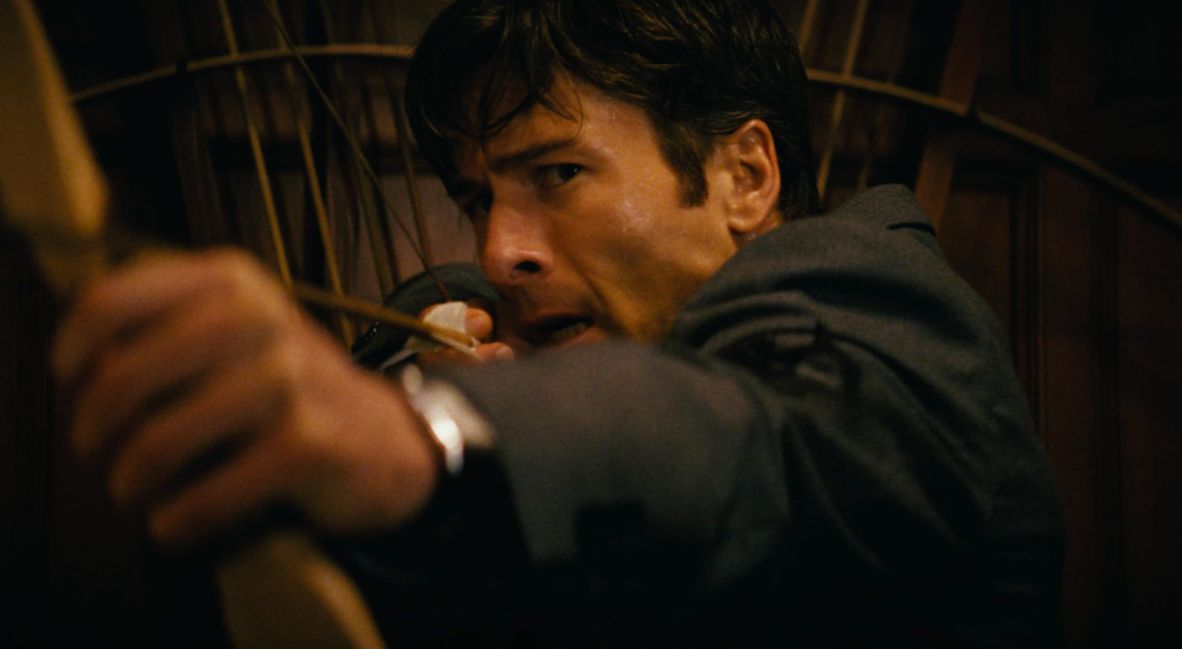
Becket was never going to be someone who stopped; even when he tried, he was pulled back in. The fortune was his white whale, and every conversation he has about it isn’t in a practical sense. He doesn’t have a plan for the future, or an understanding of what it means; he just knows that the Redfellow fortune should be his. In the end, like every rich person before him, Becket had blood on his hands. He isn’t a good person. He doesn’t even have a way to pretend to be a good person. But he does have money.
While How To Make A Killing doesn’t necessarily offer the kill-the-rich story we need for the moment, it’s not trying to be. Instead, it says that money may make you happy, but it will also make you miserable. There are moments throughout the film when Becket begins to question his choices, as misery knocks on his doorstep. But every time he chooses to keep moving toward the Redfellows.
A different kind of grass-is-greener story, How To Make A Killing is a film made by its cast, and it excels thanks to Glen Powell’s inability to be anything but likable. Always dealing in dry and dark humor, it may be an acquired taste, but Powell’s performance is the real selling point.
How To Make A Killing (2026) is in theaters on February 20, 2026.
How To Make A Killing (2026)
-
Rating - 8/108/10
TL;DR
A different kind of grass-is-greener story, How To Make A Killing is a film made by its cast, and it excels thanks to Glen Powell’s inability to be anything but likable.