

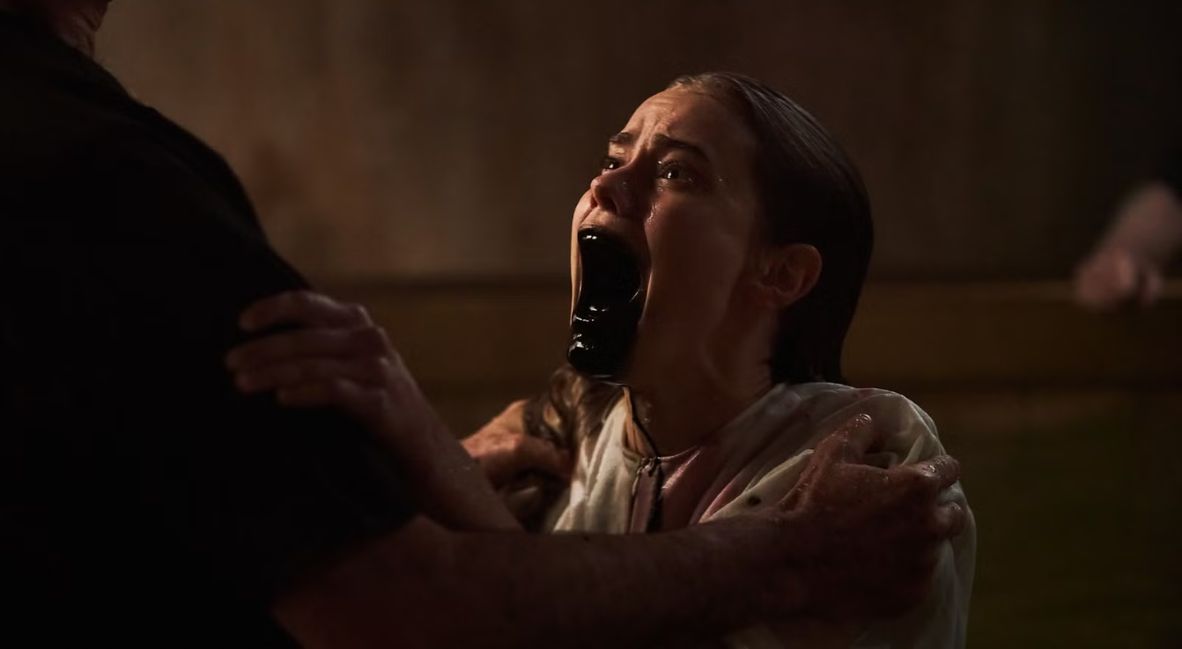
Diabolic (2026) is a mundane horror film that fails to capitalize on its interesting premise. Thanks to its decent cinematography, deliberate messaging, and a convincing performance from Elizabeth Cullen, the film captivates early on. Unfortunately, Diabolic’s muddled plot about a woman who’s haunted by a vengeful witch, and lackluster scares undermine the more entertaining aspects of the film.
Diabolic starts off well enough. Hooded individuals, a strange baptism, an innocent teenager – the typical possession-based horror beats are pushed front and center. That said, it’s the inclusion of the FLDS (Fundamentalist Latter Day Saints) that adds an interesting wrinkle. Widely considered a cult, the group is heavily scrutinized, if not outright condemned. So, given their involvement in the ritual that opens the film, there’s no mistaking who the culprits are when things go horribly wrong.
It’s not new for a shady religious group to be the driving force behind horror film narratives. What is unique, however, is how writer and director Daniel J. Phillips conveys this notion early on. None of the members of the FLDS are depicted in a positive light. They are written to be oppressive, secretive, and occasionally mean-spirited. No benefit of the doubt is given, at least not at first; even their more altruistic endeavors give rise to suspicion. Philips creates tension by hammering home how dangerous cults can be.
The film casts an immediate sense of foreboding.

The use of light and color further heightens the uncomfortable atmosphere. Characters are positioned slightly out of frame, casting long, eerie shadows. Bright reds stand out amongst the film’s mostly subdued color palette, marking a sudden shift in mood. A similar approach is used in flashbacks, where sepia tones create a false sense of security. This deliberate style of shooting creates an air of uncertainty; nowhere feels safe, and everyone seems untrustworthy.
The depiction of the FLDS and the film’s cinematography create an uneasy atmosphere that permeates early interactions. Sadly, this treatment isn’t maintained throughout. For one, the uncomfortable vibe is undercut by predictable jump scares. Most of which are tame, given how unthreatening certain encounters feel. For much of the film, there’s no reason to fear for anyone’s safety, until Diabolic makes it clear that the characters could actually die.
Diabolic also isn’t consistent in its messaging. On all accounts, everyone should stay far away from the FLDS. That’s especially true for Elise (Elizabeth Cullen), the innocent teen from the ritual, who is now an adult.
Elise returns to her toxic origin in an effort to confront her past.

Suffering from memory loss and frequent blackouts, her deteriorating mental health acts as a reminder of her traumatic experience under their care. And yet, after being free of their influence for years, Elise is instructed by her therapist to meet with FLDS healers. The idea being that their special treatment might help her healthily confront her past.
This, of course, contradicts the whole “cults are bad” notion that the film leads with. Certain characters who prove harmful are also humanized in odd ways. While it makes sense for an FLDS member to seek atonement for their past dealings, making them the voice of reason when they clearly still hang on to disturbing practices, feels weird. There’s no redemption here, just more of the mess that got Elise possessed in the first place.
What’s worse is how Diabolic handles the weighty themes it introduces. Elise’s plight calls attention to polygamy, pedophilia, suicide, and more as her tormented adult life echoes the persistent nature of childhood trauma. It’s great stuff, but it amounts to window dressing thanks to a needless plot twist. Without spoiling anything, the final revelation destroys any moral high ground held by certain characters. It’s as if the film is saying that while the FLDS’ belief system is flawed, the real issue lies elsewhere.
Despite an uneven script, Elizabeth Cullen is terrific in Diabolic.
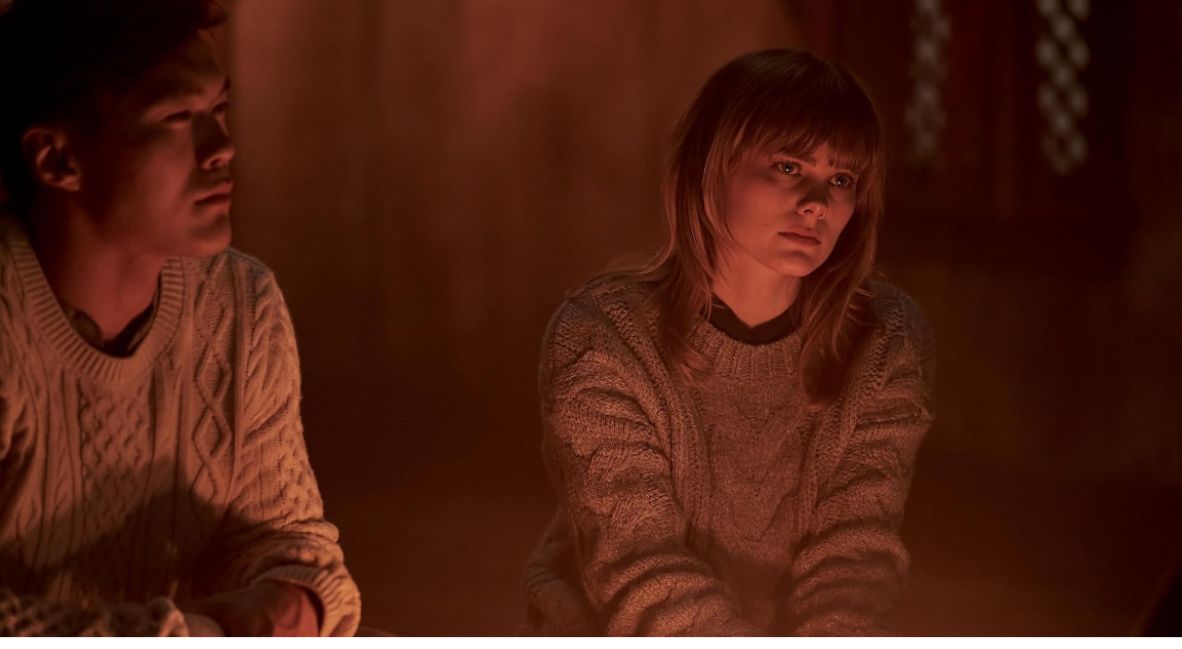
It’s a shame, given how well Cullen portrays Elise. Her believable performance showcases how remnants of the past can cause problems in the present, and her ability to deliver sharp lines while maintaining a stoic demeanor reflects the strength Elise needed to confront her past.
The rest of the cast does fairly well. Genevieve Mooy and Robin Goldsworthy give memorable performances as FLDS members Hyrum and Alma, respectively. John Kim does an adequate job as Elise’s boyfriend, Adam. The same can be said of Mia Challis’ portrayal of Elise’s best friend, Gwen. Seraphine Harley is great as the witch Larue, though she isn’t onscreen long enough to be truly impactful.
Diabolic has a lot going for it. It takes a unique approach to a classic horror standby: possession. It also features decent cinematography and a strong performance from Elizabeth Cullen. However, the muddled plot, conflicting messaging, and tame jump scares ruin just about everything else.
Diabolic arrives in theaters now and digital on February 20, 2026.
Diabolic
-
Rating - 5/105/10
TL;DR
Diabolic has a lot going for it. However, the muddled plot, conflicting messaging, and tame jump scares ruin just about everything else.