
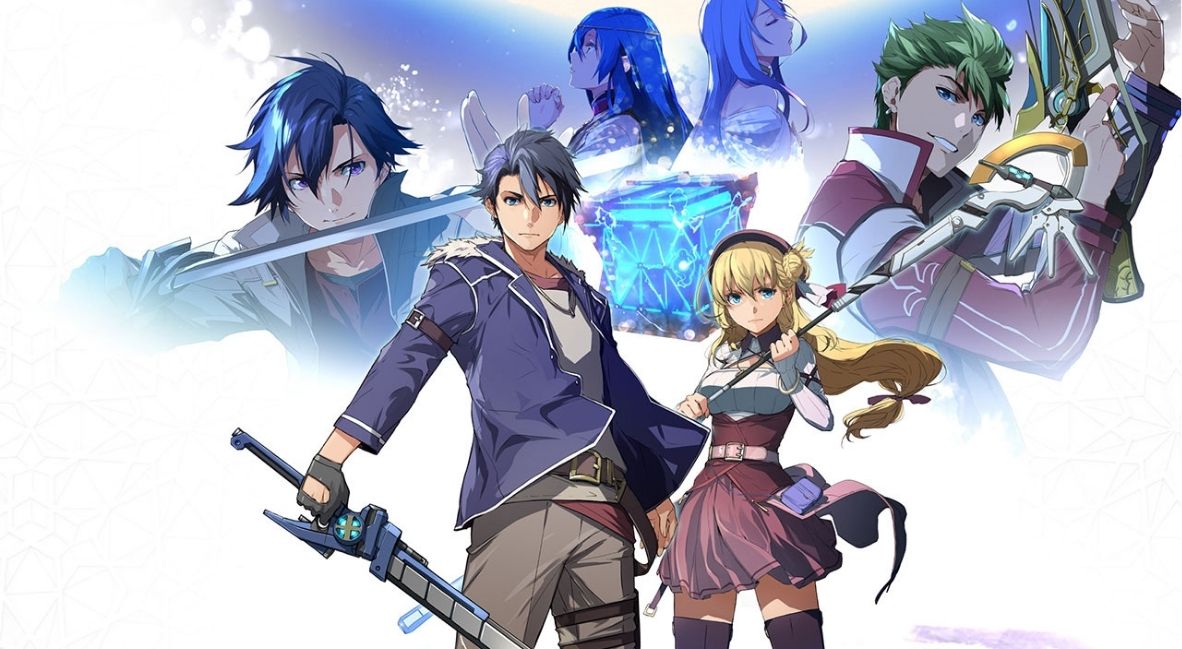
The Legend of Heroes: Trails beyond the Horizon is the latest in a long line of Trails games that continues to push the series forward. Developed by Nihon Falcom and published by NIS America, Trails Beyond the Horizon is a massive convergence point. It is a sprawling, chaotic, and mechanically dense RPG that builds on everything the series has done so far.
Picking up immediately after the conclusion of Trails through Daybreak II, the story centers around “Project Startaker,” a controversial joint effort to launch a rocket capable of piercing the “sky” of Zemuria to reveal what truly lies beyond the atmospheric barrier. For lore hunters, the premise alone is significant. The series has long hinted that the world of Zemuria is contained or shielded, and Trails beyond the Horizon tackles this mystery head-on.
Unlike the singular focus of the early Daybreak titles, Trails beyond the Horizon returns to the “Routes” system popularized in Trails into Reverie. The narrative splits between three protagonists, allowing the story to cover vast geographical and ideological distances simultaneously before the inevitable collision.
The real magic of Trails beyond the Horizon comes from the characters’ personalities crashing.
Van Arkride, the Spriggan protagonist of the current arc, provides the ground-level perspective. Hired to provide security for the launch, he handles “Gray Zone” threats outside military jurisdiction. Rean Schwarzer, the Ashen Chevalier, represents the Erebonian contribution, dealing with the high-level politics and military logistics. Finally, Kevin Graham, the long-absent protagonist of Trails in the Sky the 3rd, returns to investigate the theological implications for the Gralsritter.
The real magic of Trails beyond the Horizon comes from watching these three distinct personalities crash into each other. Van looks at the high-concept sci-fi madness and mostly just wants to know how it affects his paycheck and his survival. The bond between the Arkride Solutions Office crew feels properly lived-in now. They aren’t just coworkers anymore, they’re a family staring down the barrel of the “Grand Reset.”
Then you have Rean, who brings the military scale to the crisis. Seeing him fully grown into his role as an instructor, finally free from the constant angst and supernatural curses of the Cold Steel saga, is deeply satisfying. He commands the room now, but Falcom didn’t forget that underneath the hero persona, he’s still a bit of a humble, awkward dork, which is exactly why he remains a fan favorite.
Kevin Graham is the standout character in Trails beyond the Horizon.
But let’s be honest, the standout here is Kevin Graham. His route dives headfirst into the weird, horror-tinged side of the Septian Church lore. He brings a ruthless efficiency that plays off Rean’s heroism and Van’s gray morality perfectly. Plus, his banter with Ries Argent is unmatched. Their snappy back-and-forth is a potent reminder of why Trails in the Sky the 3rd has such a die-hard cult following.
Unfortunately, not everything is perfect. Falcom still has a bad habit of spinning its wheels. The second act suffers from some serious bloat, with characters loving to hold meetings to re-explain stakes the audience already understands. It kills the momentum for a few hours. But once you push past that and the finale kicks in? It is a nonstop roller coaster of reveals that completely changes how you look at the world of Zemuria.
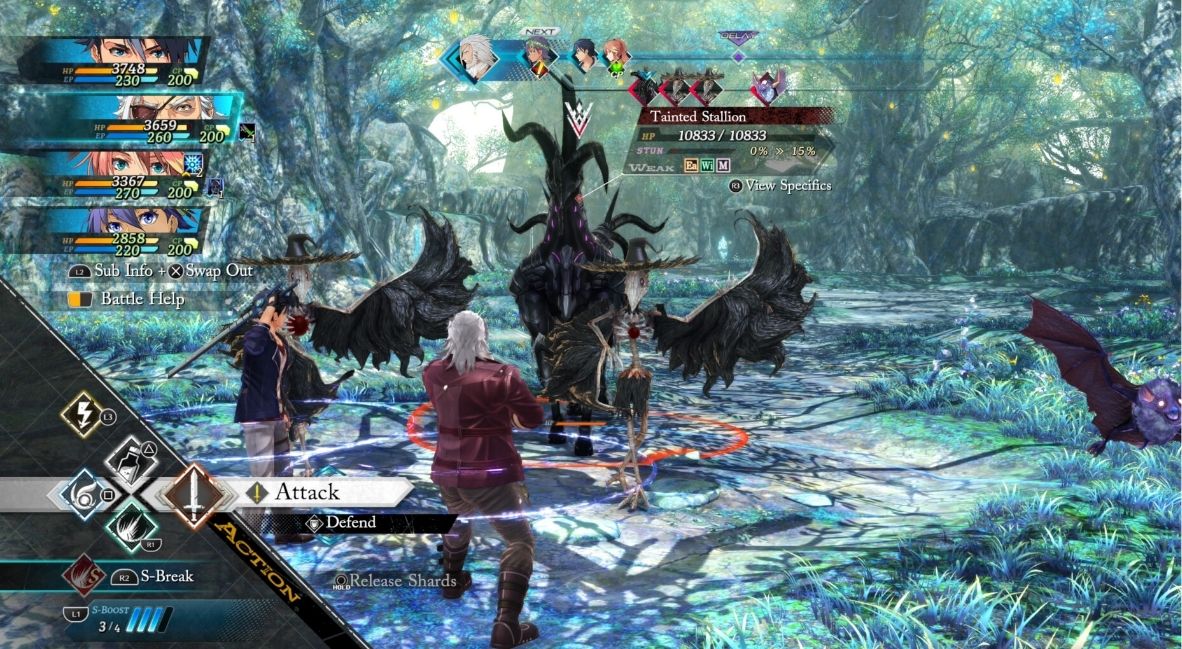
Mechanically, Trails beyond the Horizon takes the hybrid combat we saw in Daybreak and finally irons out the kinks. On PC, the difference is night and day. Swapping from whacking a mob in real-time to a turn-based tactical squad battle happens instantly.
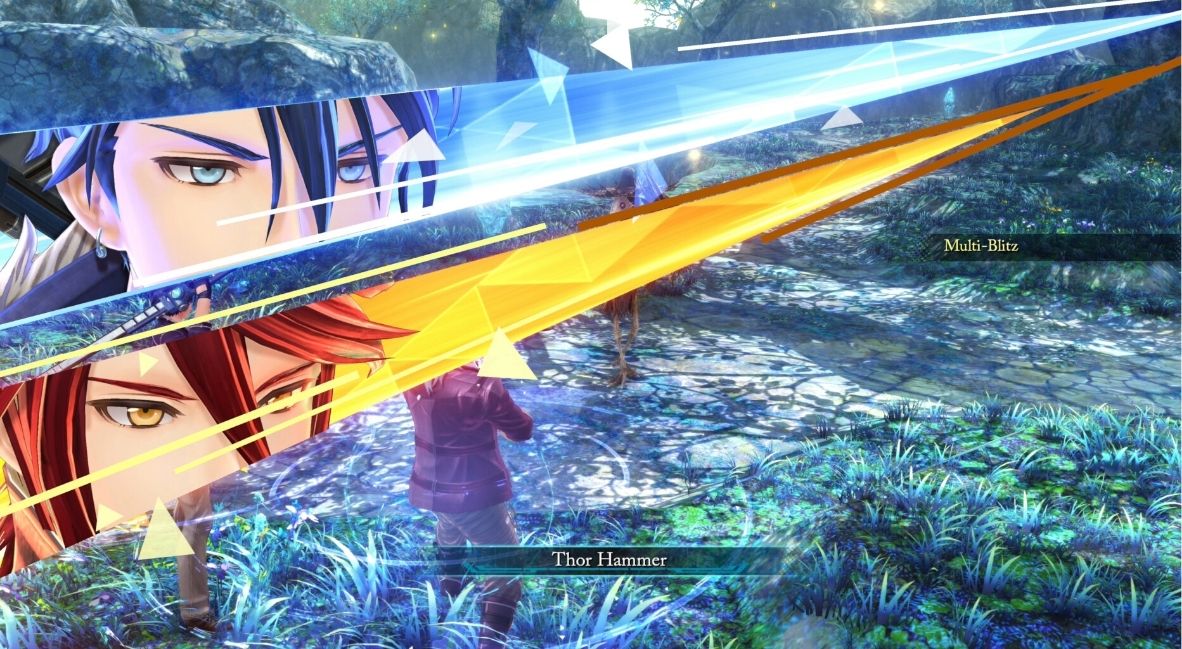
Field battles feel significantly punchier, too. The addition of Quick Arts means you can nuke enemies with magic without ever slowing down to open a menu. It makes exploring the massive zones feel snappy and fluid, especially when you’re running at high frame rates.
Command Battles remain the heart of the latest Trails game.
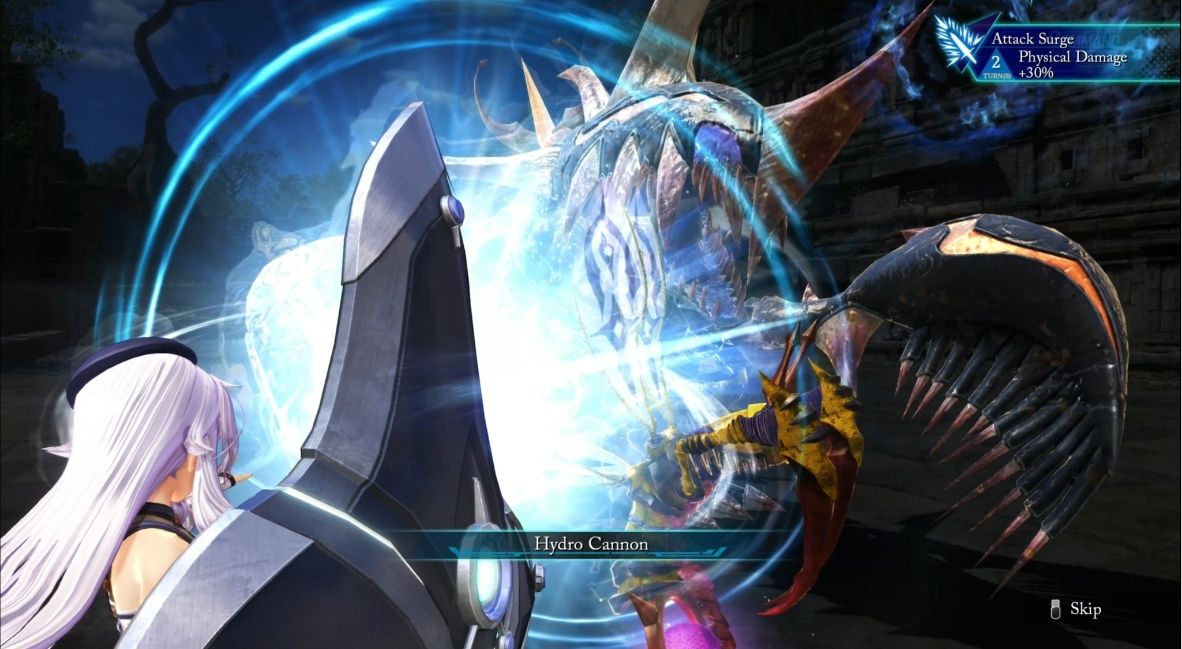
The strategic meat is still in the Command Battles, but the big headline here is the Awakening System. Think of it like Rean’s Spirit Unification or Van’s Grendel form, but now everyone gets to play. Once you fill the gauge, your character turns into a wrecking ball—ignoring status ailments, dealing massive break damage, and unlocking flashy Finisher arts.
While this is fun, it can be a bit broken. On Normal difficulty, Awakening lets you brute force your way through just about anything that isn’t a major boss. If you’re a series veteran, do yourself a favor and start on Hard or Nightmare. Otherwise, you’ll never even need to look at the elemental weakness chart.
Outside of the main story, there is the Grim Garten, which is effectively Trails beyond the Horizon’s take on the Reverie Corridor. Since it exists in a virtual space outside the timeline, all those annoying “party member unavailable” restrictions vanish. This is your sandbox. Want to run a team with Kevin, Altina, Aaron, and Renne? Go for it. Falcom even included fully voiced banter for specific rare pairings, which is a great incentive to keep rotating your roster just to hear what they say to each other.
The loop itself is dangerously addictive. Clear floors, smash randomized bosses, and dump your currency into a gacha-style system to roll for high-level quartz. Sure, the environments are mostly just recycled assets with a digital filter slapped on top, but the sheer fun of constructing completely broken, overpowered builds makes the grind satisfying.
The soundtrack nails the game’s industrial vibes.
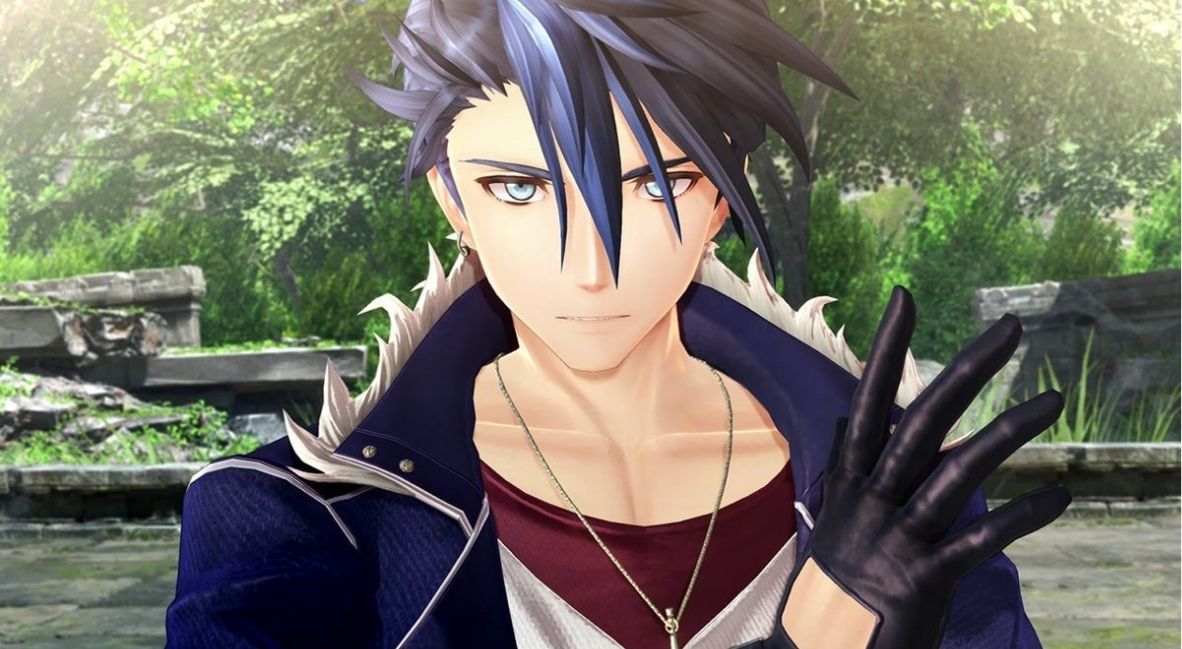
When it comes to sound, Falcom Sound Team jdk remains undefeated. The soundtrack nails the grittier, industrial vibe of the game perfectly. The battle themes are exactly what you want—high-octane guitar shredding mixed with massive orchestral swells that really sell the “end of the world” stakes.
The voice acting is just as strong, whether you play in English or Japanese. The English cast, in particular, has really settled into a groove. Van’s actor, Damien Haas, deserves a specific shout-out. He perfectly captures that balance of bone-deep exhaustion and hidden kindness that grounds the story, even when things go full anime nonsense.
However, we have to talk about the elephant in the room. This game is absolutely not for beginners. Trails beyond the Horizon is the thirteenth chapter of a massive book, and newcomers will feel left behind. While the title screen includes a “Backstory” menu, reading a summary of the Crossbell Police Department is no substitute for the actual experience of playing the Crossbell arc.
For the faithful, Trails beyond the Horizon is the payoff we’ve been waiting two decades to see.
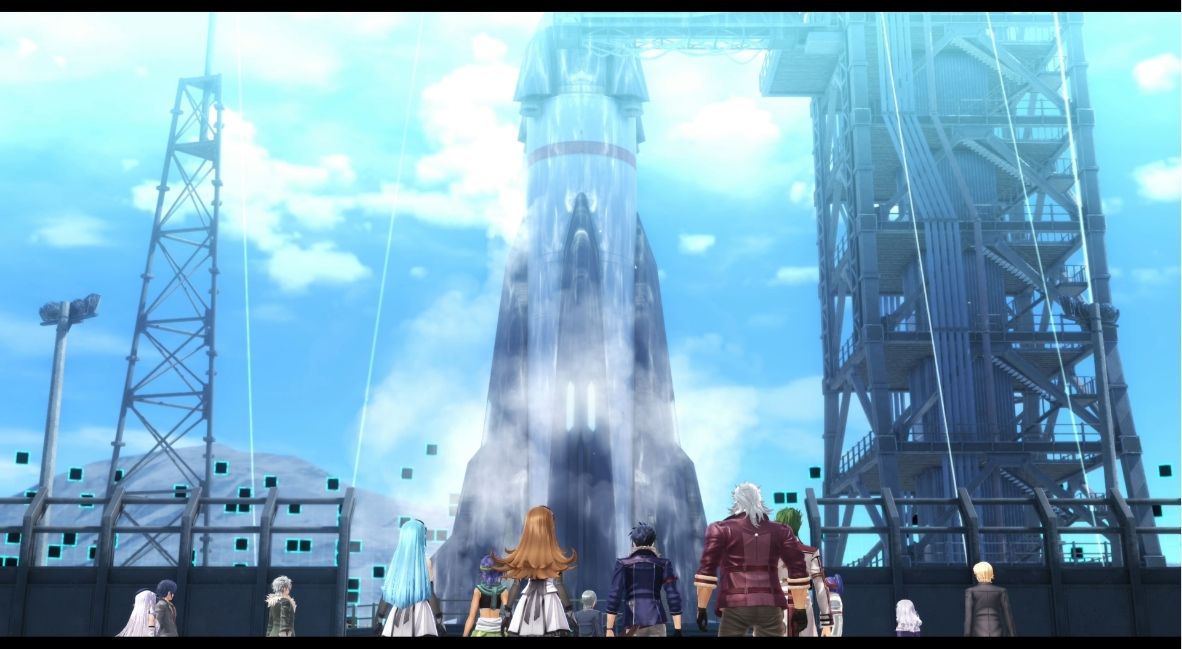
When legacy characters show up in the back half of the game, the story assumes you know their history, their trauma, and their growth. Without that context, the big emotional moments will land with a thud. Newcomers are just going to be lost in a sea of names and overwhelmed by the political web.
But for the faithful? Trails beyond the Horizon is the payoff we’ve been waiting two decades to see. It finally starts weaving the disparate threads of Sky, Crossbell, Cold Steel, and Daybreak into something that looks like an ending. It restores Kevin Graham to the spotlight and offers the most fluid, responsive combat the franchise has ever seen.
The Legend of Heroes: Trails beyond the Horizon delivers the massive narrative convergence fans have waited decades for. While the dense lore makes it virtually impossible for newcomers, veterans will find it to be a thrilling, emotionally resonant masterpiece that finally sets the stage for the end of the saga.
The Legend of Heroes: Trails beyond the Horizon is available now on PS4, PS5, PC, Nintendo Switch, and Nintendo Switch 2.
The Legend of Heroes: Trails beyond the Horizon
-
Rating - 9/109/10
TL;DR
The Legend of Heroes: Trails beyond the Horizon delivers the massive narrative convergence fans have waited decades for.