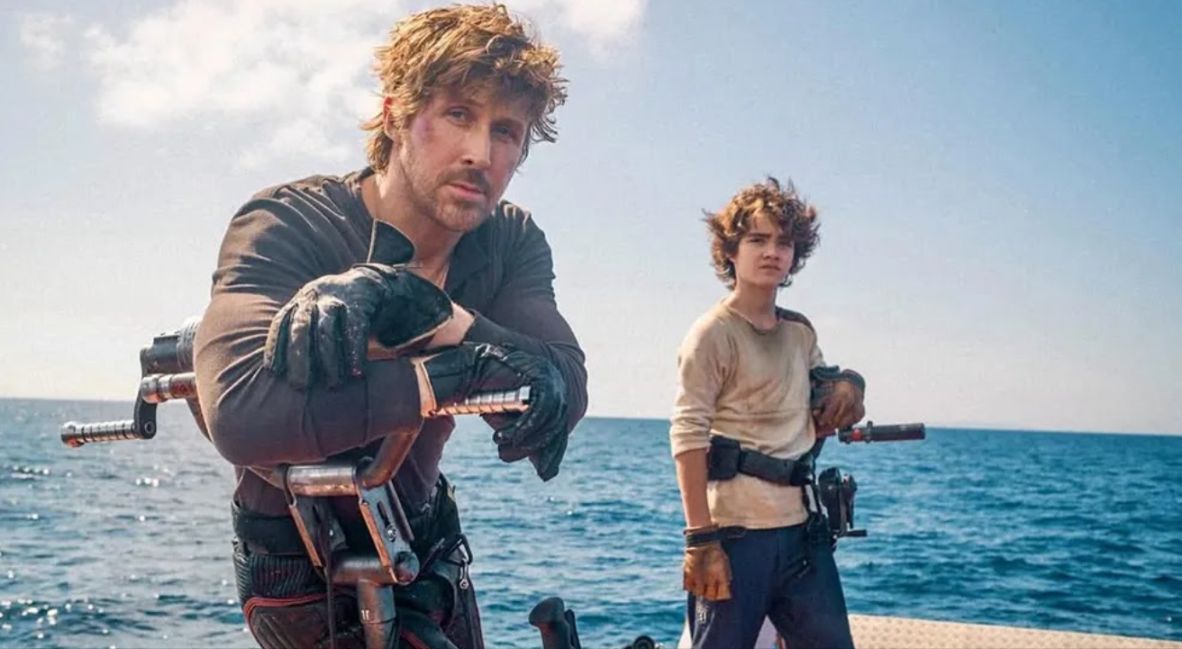
Announced in 2025, Star Wars: Starfighter has been positioned as a creative reset. According to Lucasfilm and recent interviews with the creative team, the film is neither a prequel nor a sequel, and is not tethered to legacy characters. It is set after The Rise of Skywalker and built around entirely new characters, offering a rare blank slate in a franchise that often leans on familiarity.
That kind of creative freedom carries expectations as the May 28, 2027, release date approaches. It invites expansion, experimentation, and a broader sense of who gets to exist at the center of this galaxy. That freedom is what makes Starfighter’s choice all the more frustrating.
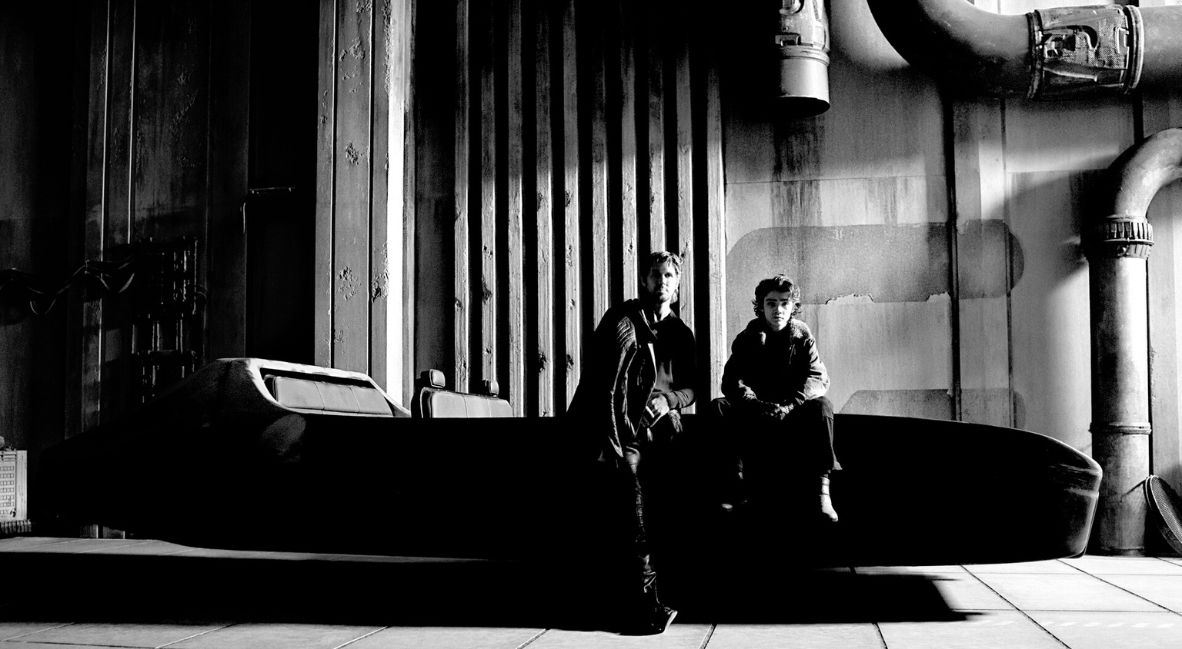
As of January 2026, publicly announced casting and key creative roles indicate that roughly 80% of Starfighter’s principal cast and leadership are white or white-passing, most of whom come from American or British prestige film and television backgrounds. In practical terms, that makes Starfighter the most homogenous Star Wars project of the Disney era and one of the whitest major Star Wars productions since the Original Trilogy.
Starfighter is taking a major step back from the progress the franchise has made.
That figure matters because it speaks directly to what the franchise has been doing over the last decade. Modern Star Wars has consistently expanded who gets to tell these stories and who gets to be seen on screen. The Mandalorian paired its breakout success with one of the most diverse directing slates the franchise has ever assembled, alongside a cast led by Pedro Pascal, Rosario Dawson, Giancarlo Esposito, and the late Carl Weathers.
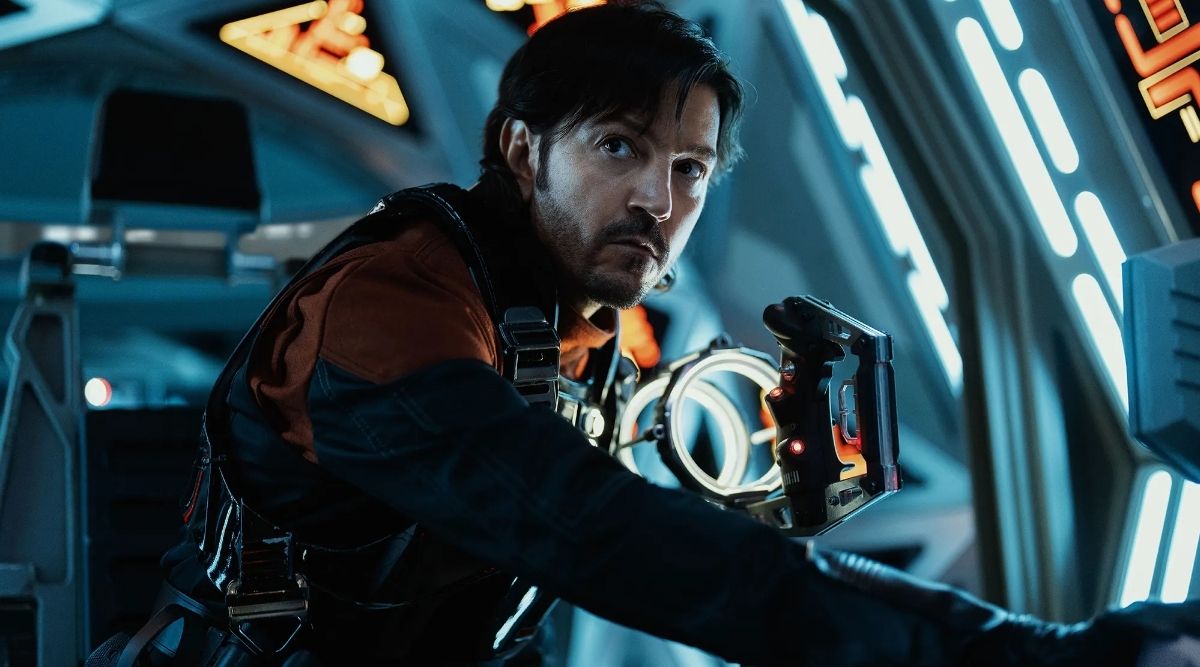
The Acolyte arrived with one of the most diverse casts and creative teams in Star Wars history, headlined by Amandla Stenberg, Manny Jacinto, and Lee Jung-jae. Skeleton Crew followed only months later with a youth ensemble that reflected a genuinely global audience in both the cast and the directorial team. Even Andor, praised for its grounded realism, drew much of its power from Diego Luna’s lived experience and a multicultural supporting cast. I don’t think it’s an accident that these projects resonated as deeply as they did.
Starfighter arrives after all of that progress and, rather than widening the circle, consolidates creative authority. Of the seventeen individuals most prominently associated with the project so far, only three are not white-passing people of color: actors Aaron Pierre and Jamael Westman, and cinematographer Claudio Miranda. Pierre and Westman’s roles have not yet been defined publicly, while Miranda remains the sole person of color in a senior creative position behind the camera. Most glaringly, non-white passing women of color are absent from that group.
Seeking validation from A-listers over narrative integrity.
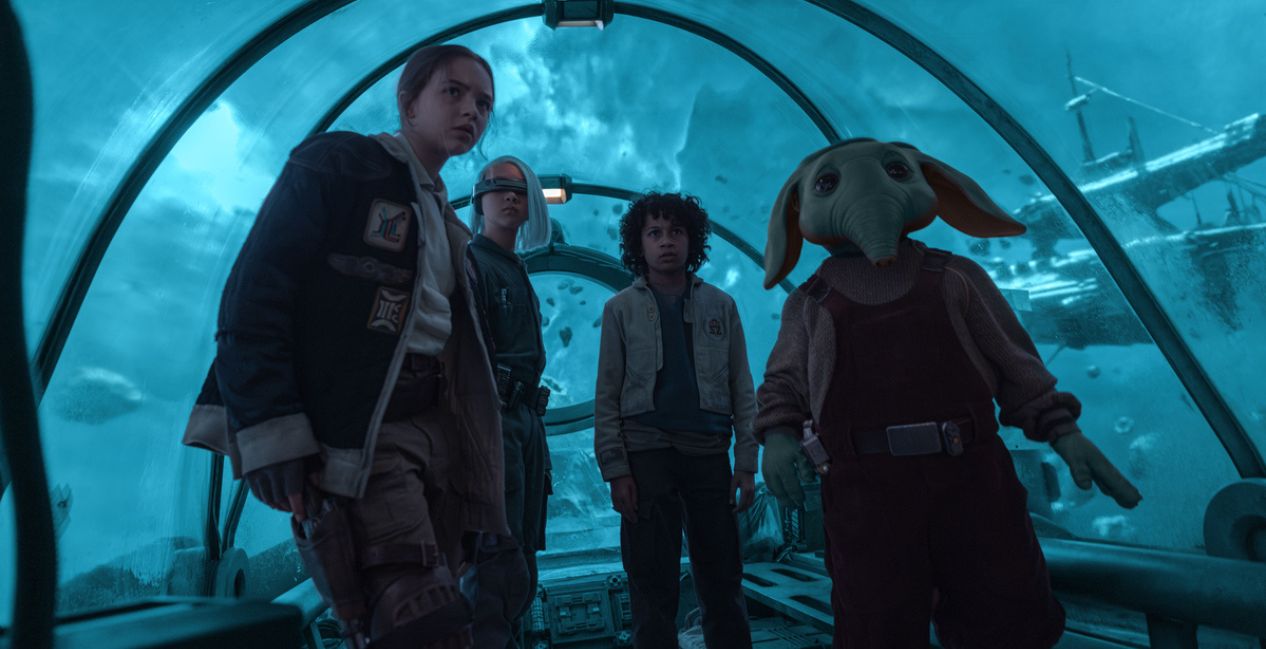
There is also a familiar concern embedded in that imbalance, one that Star Wars has repeated before. The franchise has a long history of casting actors of color in alien prosthetics, heavy CGI, or non-human roles, while reserving emotional clarity and recognizably human roles for white performers.
Lupita Nyong’o’s Maz Kanata remains the most cited example, but far from the only one. The pattern is impossible to ignore here, where the project’s already limited non-white representation includes no women of color at all.
With Starfighter’s already narrow pool of non-white talent, that risk becomes harder to ignore. If the only two actors of color in the cast, Pierre and Westman, are placed behind prosthetics, rendered through CGI, or confined to non-human roles, the film’s limited diversity would effectively disappear on screen. At that point, Starfighter would present itself as even more homogenous than its casting list already suggests.
Recent production stories have only sharpened the optics. Director Shawn Levy has confirmed that Tom Cruise did more than visit the Starfighter set, operating a camera during a lightsaber duel sequence that is expected to remain in the final cut. Steven Spielberg’s visit was reported in a similar vein, framed as another moment of Hollywood validation rather than creative collaboration. These moments frame Starfighter as a prestige industry project defined by its proximity to some of the most powerful white figures in modern filmmaking.
In the past, Star Wars has been a vehicle for shepherding emerging talent.

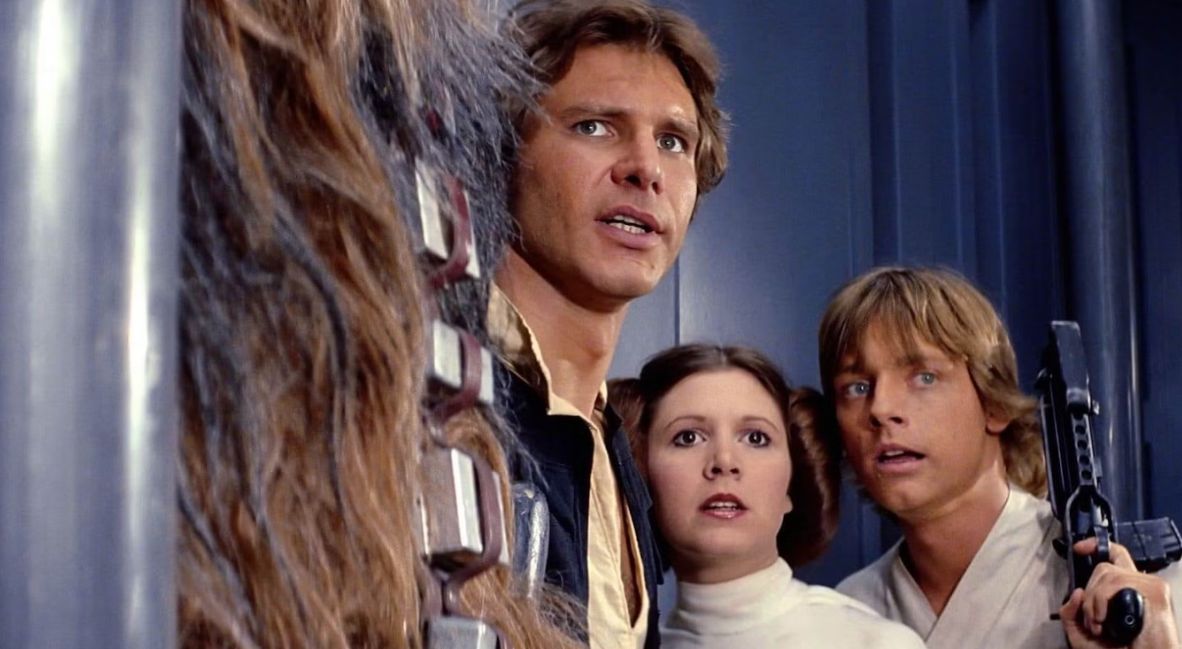
That framing feels at odds with how Star Wars has historically built its cultural power. While the franchise has occasionally included established actors, it has rarely depended on A-list saturation to define an era. Alec Guinness brought classical credibility to the Original Trilogy, but the emotional weight of those films rested on then-unknown performers like Mark Hamill, Carrie Fisher, and Harrison Ford.
The Prequel Trilogy featured names like Liam Neeson and Samuel L. Jackson, yet neither became the cultural center of that era. The story ultimately hinged on Hayden Christensen, Natalie Portman, and Ewan McGregor, all of whom were still defining their public identities when the films were released.
The Disney era doubled down on that approach. Daisy Ridley, John Boyega, and Oscar Isaac were not global stars when the Sequel Trilogy began. Pedro Pascal’s cultural ubiquity came after The Mandalorian rather than before it. Diego Luna was respected but not a marquee draw before Rogue One. In each era, Star Wars used familiarity sparingly while allowing new or underexposed performers to carry the myth.
By narrowing its worldview, Starfighter erases the franchise’s political legacy.
Star Wars has always been political, reflective, and grounded in real history and real power dynamics. Its stories resonate because oppression, resistance, and identity are never abstract concepts in this universe. They are lived conditions. That clarity is why Andor connected so deeply. It is understood that systems of power shape people differently, and that those differences matter.
When a new Star Wars story presents itself as overwhelmingly white, it is making a statement, particularly when it is new and unconstrained by legacy or continuity. I don’t see how that choice can be considered neutral, especially since it didn’t have to be made.
Even within the galaxy itself, homogeneity has never been the norm. Planets are not monocultures. Communities are not visually uniform. Aliens are not all the same color or culture. The aesthetic narrowness surrounding Starfighter does not read to me as an in-universe necessity. It feels imposed from outside the story rather than emerging organically from the galaxy it inhabits.
Series such as Andor demonstrate the ability to reflect the real world.
That narrowing also aligns with broader industry signals from Disney. In a 2025 Variety report, multiple sources described leadership at Walt Disney Studios pressuring creatives to develop films that would “bring young men back to the brand in a meaningful way,” explicitly defining that audience as Gen Z men aged 13 to 28. Framed publicly as a business recalibration amid box office uncertainty, the practical creative consequences have been easy to spot: safer casting choices, familiar faces, fewer perceived risks.
Viewed in that context, Starfighter reads less like an organic creative pivot and more like a product of caution. After years of racist and misogynistic backlash aimed at performers like Boyega, Kelly Marie Tran, Ahmed Best, and, most recently, the cast of The Acolyte, the film appears shaped by a desire to minimize controversy rather than expand perspective. To me, the result feels restrained at a moment when imagination and confidence were both possible and necessary.
Star Wars has never existed apart from the real world. From its earliest influences to the political clarity of Andor, the franchise has always reflected contemporary power structures and historical anxieties. Casting and creative decisions determine which experiences are centered and which are pushed to the margins. When a new Star Wars film chooses to be overwhelmingly white, especially when it did not need to be, that choice carries weight.
My frustration surrounding Starfighter is not about demanding perfection or tallying boxes. It is about watching a franchise that has already demonstrated its capacity for growth choose retreat at a moment that demands clarity. When a blank slate produces the narrowest vision Star Wars has offered in years, it raises questions not just about one film. But about what the franchise believes safety looks like now and in the future.
Lucasfilm is showing a troubling lack of conviction—or, worse, disinterest.
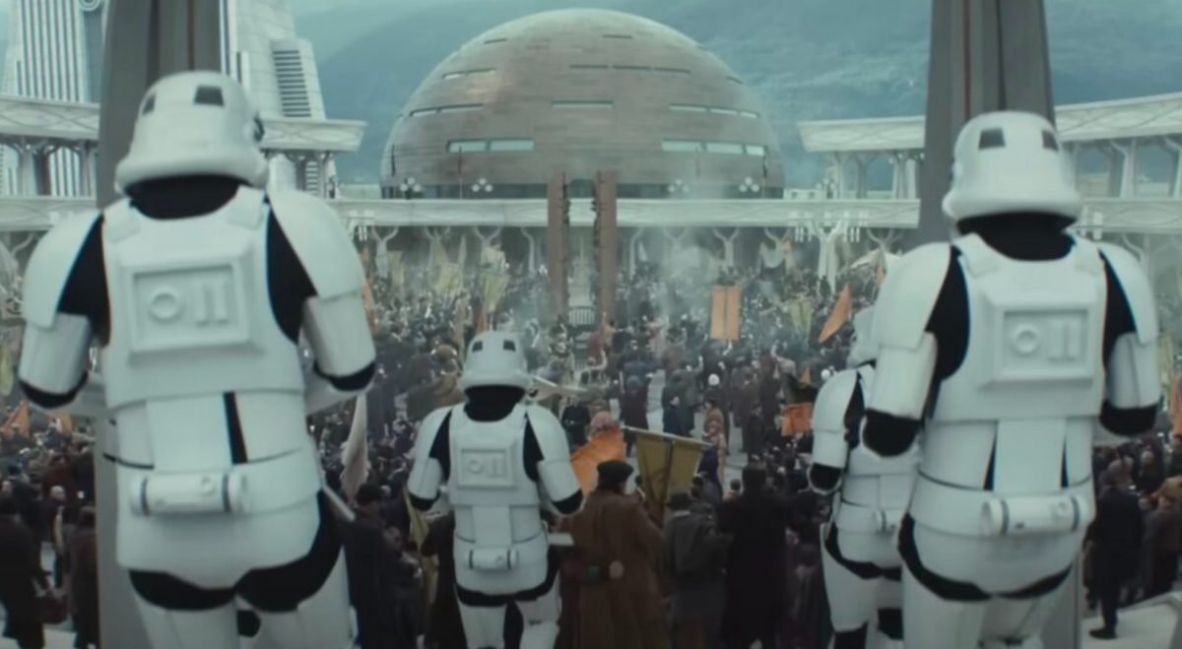
Those questions matter because Star Wars has always been strongest when it understands the world it speaks into. At a moment when the United States increasingly mirrors the Empire it once critiqued, shaped by authoritarian rhetoric, racialized power, and the normalization of exclusion under another Trump presidency, decisions about who is allowed to be visible on screen are not neutral. Star Wars taught generations how to recognize the Empire by showing who held power, who was erased, and who was pushed to resist from the margins.
Responding to that moment with caution, consolidation, and familiarity with whiteness reflects either a conscious retreat or a troubling lack of awareness. If these choices at Lucasfilm were intentional, they signal a failure of conviction. If they were not, they suggest a creative leadership so insulated that it no longer recognizes the meaning of its own decisions. Either way, it reflects a misunderstanding of Star Wars’s historical role.
It feels disconnected from that lineage. Faced with a blank slate and the opportunity to reflect the world as it exists now, the film instead narrows its scope. Whether that choice came from caution or from a failure to recognize its implications, the result is the same.
Starfighter is the whitest Star Wars story since the Original Trilogy, and the only one to arrive with no historical excuse. In doing so, Lucasfilm turns away from a legacy that insisted this galaxy was expansive enough to include everyone, at a moment when that legacy matters most.
Star Wars: Starfighter arrives in theaters May 28, 2027.