


There’s a moment early in Beast Games Season 2 where it feels like the show has everything figured out. The opening challenge is brutal, legible, and genuinely impressive. People fail in large numbers. Those who succeed earn it. You can feel the weight of effort, the risk of embarrassment, and the quiet pride of survival. For a brief stretch, it looks like Season 2 understands exactly why Season 1 worked.
And then it lets that understanding slip through its fingers.
Season 1 of Beast Games wasn’t special simply because of the money, even though the $5 million prize dwarfed what most competition shows are willing to offer. When you stack it against legacy franchises like Survivor or The Challenge, shows that demand extreme physical and psychological endurance for far less cash, the comparison is almost absurd. But the real innovation wasn’t the number on the check. It was the scale of humanity attached to it.
Beast Games Season 1 understood that when you put 1,000 people in a room and introduce life-changing money, drama doesn’t need to be manufactured. It happens naturally. Alliances form. Guilt matters. Decisions echo outward. When someone pressed a button or made a selfish choice, it didn’t just eliminate a handful of competitors. It wiped out communities that viewers had watched form in real time. The money became dangerous because it forced people to choose between survival and solidarity.
Beast Games Season 2, at least in its first three episodes, trades that danger for efficiency.
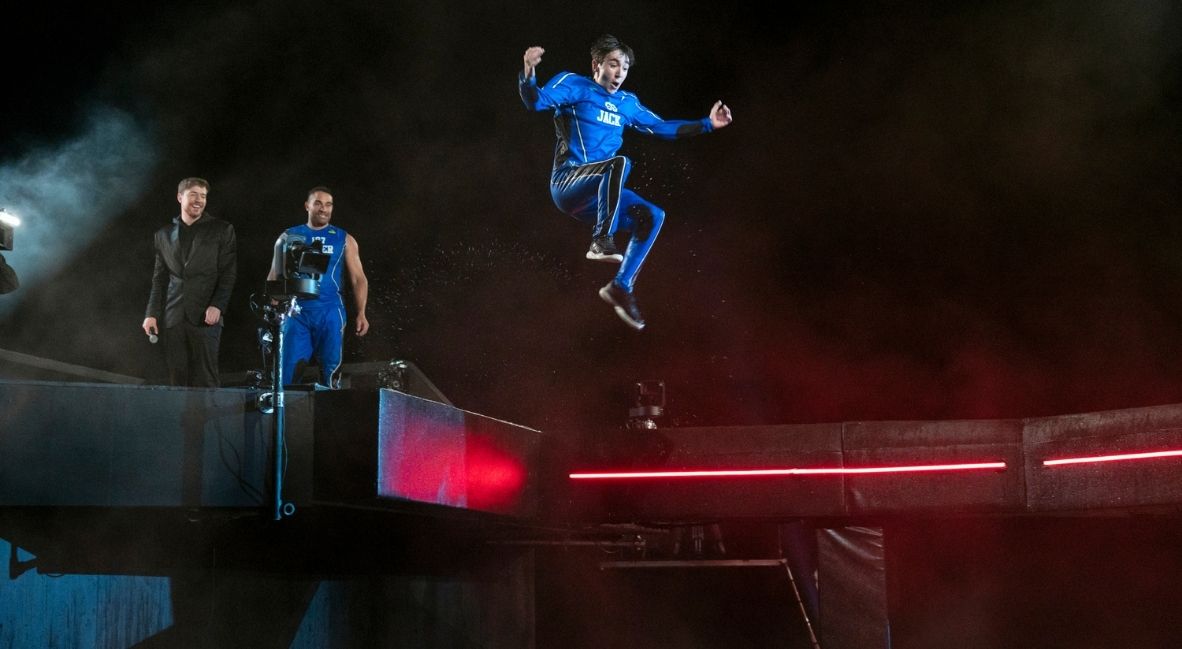
The premiere of Beast Games Season 2 sets up a promising dichotomy by dividing 200 contestants into “the strongest” and “the smartest.” On paper, it’s a clean, compelling idea. Strength versus intellect has built entire genres of competition television. The physical test for the strongest group is no joke: a demanding sequence of shimming, climbing, hauling significant weight, and stacking blocks under pressure. Nearly half the field fails. The challenge does its job. It filters. It clarifies who belongs.
One of those who clears it is Player 164, Cindy, the forty-ninth person to complete the course. The show presents this as meaningful, and it is. One of the smallest strong contestants from El Paso, Texas, was able to overcome a challenge defeated strongmen and collegiate athletes alike. The problem isn’t what happens in Episode 1. The problem is that Beast Games Season 2 Episode 2 immediately proves that survival meant almost nothing.
Cindy, Player 164, is eliminated in the very next episode during a dodgeball-style challenge, taken out by Akira, a returning player from Season 1 whose reputation as a villain precedes him. There’s no real attempt to contextualize her exit, no pause to reflect on what she accomplished, no effort to make her loss feel like anything other than collateral damage. For viewers without a personal connection to her, the moment barely registers. Someone leaves. The game moves on.
The challenges work well on paper, but fail to account for the people who will partake in them.
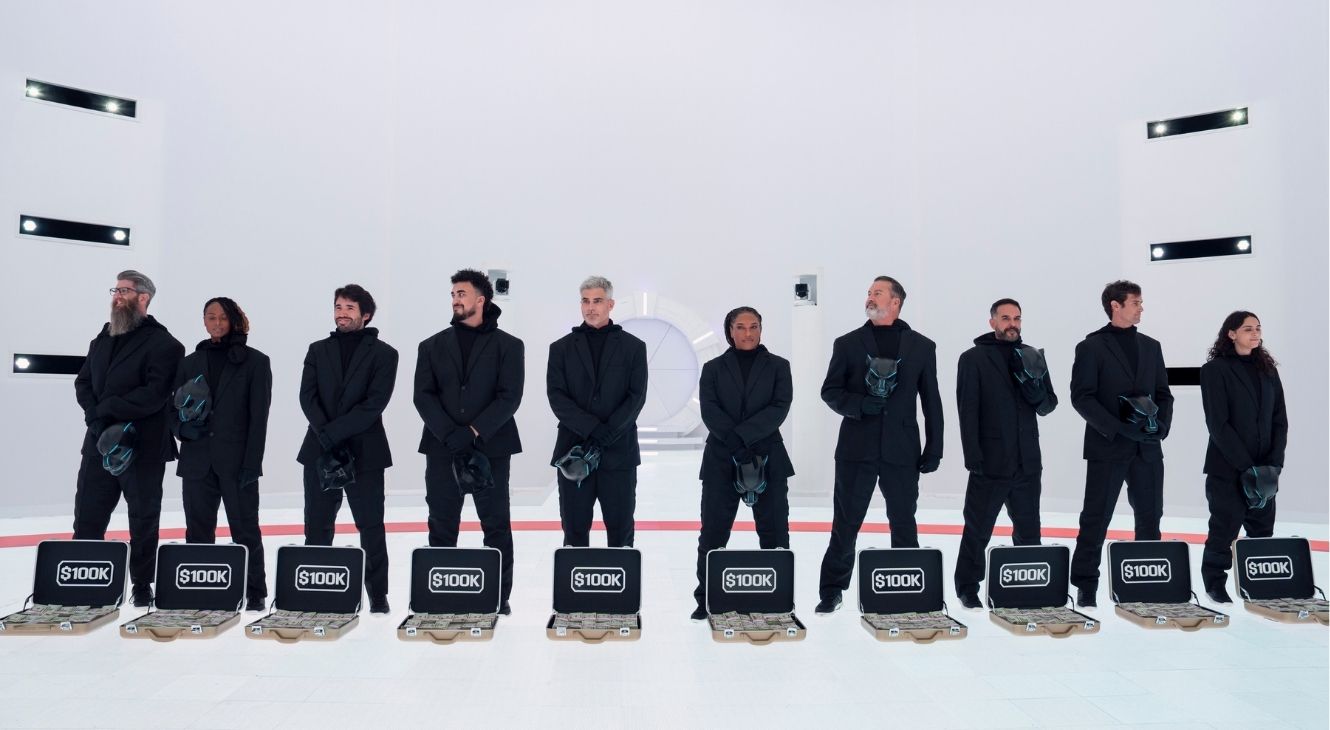
That pattern repeats itself across the season’s early challenges. Many of the games are solid ideas on paper. Dodgeball introduces direct conflict. Balance and weight challenges reward problem-solving over brawn. Bluffing games should expose trust and deception. Yet almost all of them fall apart in execution because the show prioritizes mechanics over people.
The dodgeball challenge stagnates because no one wants to act, until one returning player decides to lean into villainy and carries the entire game by himself. The bluffing game collapses because there’s no meaningful incentive to lie or tell the truth. The balance challenge briefly works precisely because it slows things down and forces participants to think rather than react.
The issue isn’t that the challenges are too easy or too hard. It’s that they don’t mean anything. They don’t reveal character. They don’t reshape relationships. They simply move bodies off the board. That problem becomes impossible to ignore once the contestants arrive at the new and improved Beast City.
Beast City is, by any objective measure, impressive. It’s massive, polished, and packed with amenities: gyms, courts, a 24-hour Starbucks, constant food, and constant cameras. It looks like a billionaire’s idea of survival. But comfort has a cost. In Season 1, scarcity forced interaction. Discomfort forced bonds. People had to rely on each other because there was nowhere else to go. In Beast Games Season 2, abundance removes that pressure. Contestants coexist instead of colliding.
Providing players with resources in Beast Games Season 2 removes part of what made players stand out.

This shift in philosophy comes into sharp focus with the introduction of returning Season 1 players. Bringing them back is meant to add excitement and continuity. Instead, it quietly undermines the entire premise. These players arrive with built-in narratives, reputations, and emotional weight that the new contestants haven’t been given time to earn. The show spends precious screen time reestablishing who they are and why they mattered before, even as dozens of Beast Games Season 2 players are eliminated without names, context, or consequence.
By the time the field narrows further through a basic obstacle course that wouldn’t feel out of place on a lesser version of Ninja Warrior or Wipeout, it becomes clear where the budget went this season. What started as a social experiment about what people will do for life-changing money has become a slick, rushed adult playground. The obstacles are bigger. The lights are brighter. The stakes are somehow smaller.
By the end of Beast Games Season 2 Episode 3, most of those returning players are already gone. Their exits feel heavier than the eliminations surrounding them, which only highlights the imbalance. The audience knows more about the people who were never meant to be here than the ones the season is supposed to belong to. The result isn’t nostalgia but a narrative whiplash.
The lack of connection among the players translates into a lack of connection for viewers.
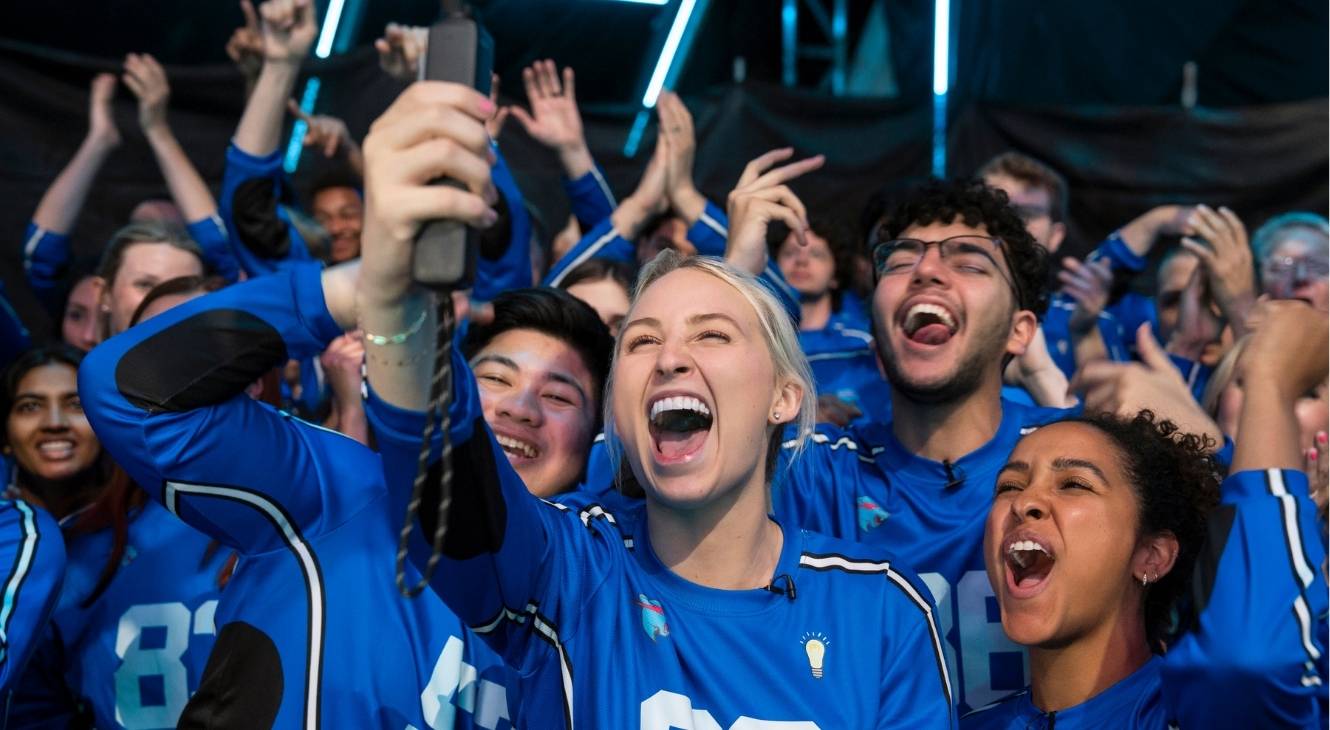
That imbalance reaches its most frustrating point with the return of the million-dollar button. In Season 1, that button was devastating because pressing it meant betraying dozens of people you had lived with, struggled with, and bonded with. In Beast Games Season 2, the button threatens four people who barely know each other, and the audience knows even less.
When Jimmy, Mr. Beast, preemptively tells the audience not to be mad at whoever presses it, the show accidentally admits its failure. If viewers understood who these people were and what they meant to each other, that disclaimer wouldn’t be necessary. Then, in the cliffhanger, someone presses the button. Why wouldn’t they? Beast Games Season 2 hasn’t given them, or us, any reason not to.
Beast Games Season 2, so far, feels like a show in love with its own infrastructure. The spaces are larger, the games more elaborate, and the pacing relentless. What’s missing is the sense that any of it actually costs the people playing. Without relationships, money has nothing to press against, and the choices that once defined the series start to feel routine.
The first three episodes don’t close the door on Beast Games Season 2. They just make it clear the show is sprinting away from the thing that once made it worth following.
Beast Game Season 2 Episodes 1-3
-
Rating - 6/106/10
TL;DR
The first three episodes don’t close the door on Beast Games Season 2. They just make it clear the show is sprinting away from the thing that once made it worth following.