
The War Between the Land and the Sea is a limited series spinoff from Doctor Who. Written by Russell T Davies and Pete McTighe, and directed by Dylan Holmes Williams. The show stars Russell Tovey, Gugu Mbatha-Raw, and Jemma Redgrave.
The Sea Devils, also known as Homo Aqua, were on Earth before humanity and then disappeared. But now they have reawakened and are wanting reparations for the damage done to the ocean. Barclay Pierre-Dupont (Tovey), a low-ranking UNIT employee, is called into action by mistake, but soon becomes the ambassador for the entire human race, trying to stop a cataclysmic war.
The War Between the Land and the Sea has a structure not seen in a Whoniverse show since Torchwood and Class. A single series focused on one topic. This means it’s got more time to evolve and focus on the chargers. But actually, the episodes are used well, moving quickly to introduce many elements at once. The two worlds collide, with bodies on both sides and tensions building. From the beginning, the world is on a knife’s edge. Then comes the negotiations, where the tension is a thick fog in a room full of generals and politicians.
There are three major plot threads and elements in The War Between the Land and the Sea.
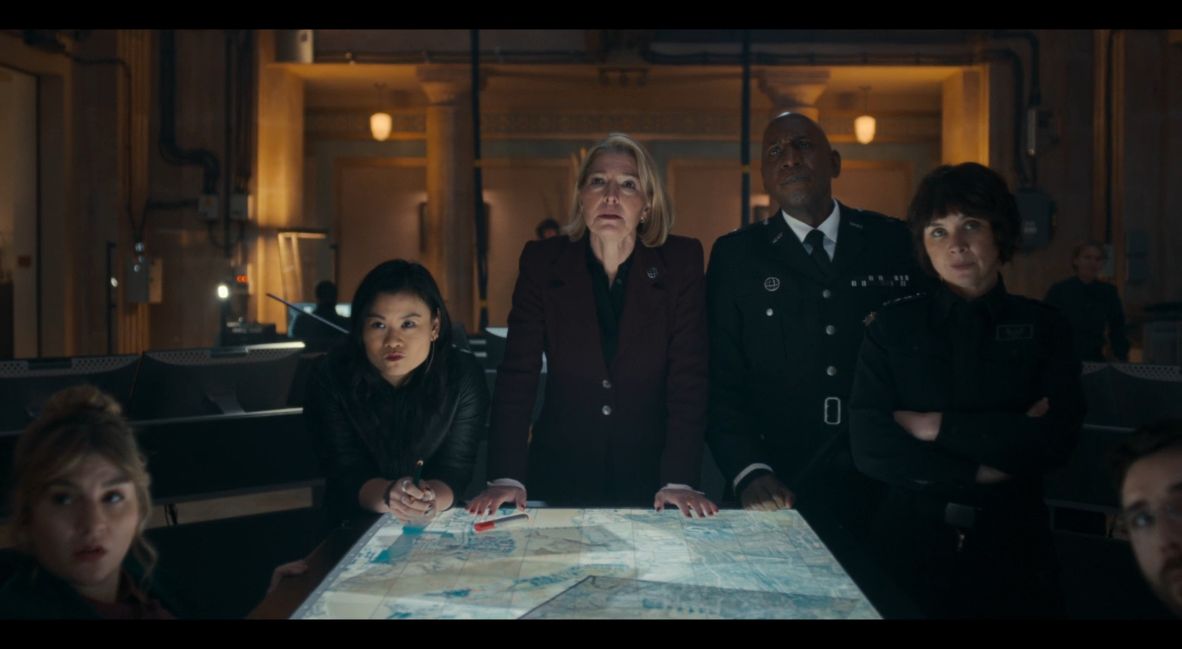
There are three major plot threads and elements in The War Between the Land and the Sea, which are interwoven. It’s a sci-fi story, but with a twist. There’s obviously the fish people, but the sci-fi is still pretty understated. It’s more like a threat, a potential, whilst the rest of the world is relatively standard and relatable. Homo Aqua have the power, the weapons, and the leverage. Occasionally, there are signs of what they can do in true Doctor Who fashion. There’s one huge one, a show of force at the end of the second episode. It’s an impressive display, showcasing the show’s budget and scale. But these are pretty few and far between.
The second element is the political commentary. Davies and McTighe turn an angry gaze to the world in The War Between the Land and the Sea. At those who live on it, those who run it, and those who fund the politicians. Although particularly focused on British society, these are themes that run through many countries, especially the climate change aspect. So many of the speeches are filled with fury at the huge corporations and governments ruining the world and getting away with it.
The third part of The War Between the Land and the Sea is the line story, between a man of the land and a woman of the sea. The idea has been done before, famously by Guillermo Del Toro, but Davies has a go himself. Salt and Barclay, the two ambassadors who headline the negotiations, quickly find themselves drawn to each other. There are moments where this connection shines, shining amid the heaviness of the other storylines. But there are constraints within the structure that end up trampling on its intensity.
Throughout the five episodes, there is high tension and nervousness.
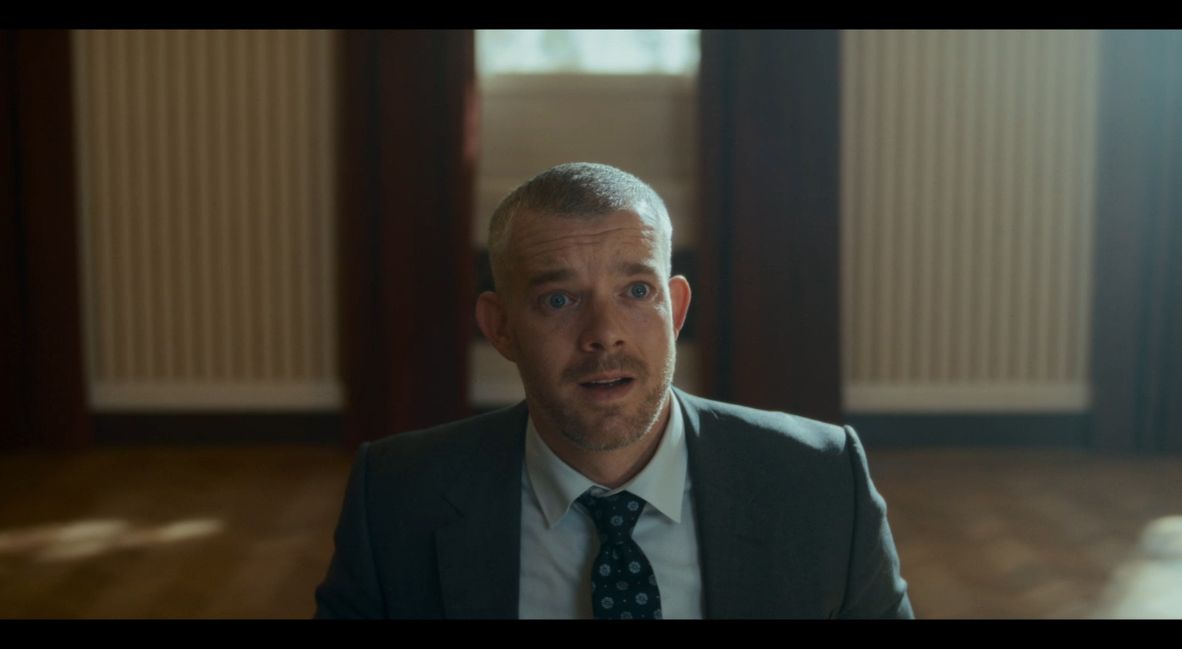
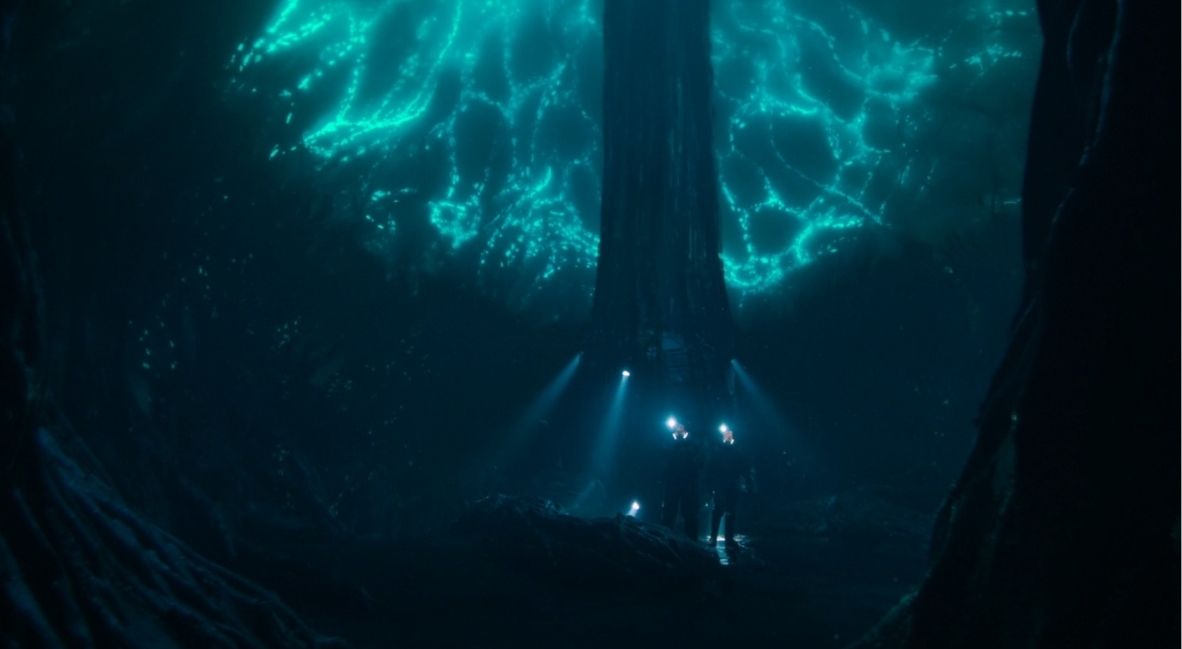
Throughout the five episodes, there is high tension and nervousness. From the first seconds, moves are made that bring the two sides close to conflict. Every line in the negotiations, every time the villains take a step, everyone braces because you know there will be retaliation. The pressure is so intoxicating at times that it’s unbearable. There are so many different methods of unleashing fear. There are the standard monsters and action sequences. But when Barclay and the UNIT forces descend to the bottom of the ocean in a tiny submersible, there is a painful feeling of dread and paranoia.
This feeling only gets worse during The War Between the Land and the Sea, right until the end. The final act is a devastating, soul-crushing climax. It’s haunting and harrowing. Perhaps a modicum of hope or even fury could be expected. But instead, it left me numb with how bleak a conclusion it is. And that’s the message, exactly what Davies and McTighe were intending, because of the references and anger towards politicians and generals. There isn’t going to be a happy ending because of them.
The structure and pacing work superbly for so much of the story. It’s slow and methodical, setting itself apart from the leading Doctor Who series. It has more time to spend with characters and focus on those integral, powerful themes. But the end comes around quickly, and there’s so much more to explore. The finale doesn’t feel satisfying or rewarding. Another episode, to extend relationships and allow for more reactions to what happened, would pick up on some of those loose ends and bring them together.
The characters and performances are the absolute heart of The War Between the Land and the Sea.
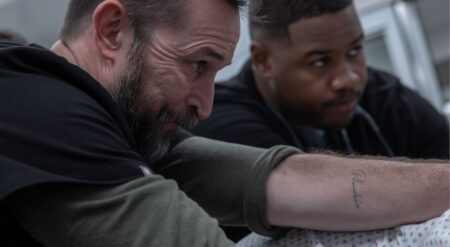
The characters and performances are the absolute heart of The War Between the Land and the Sea—especially the lead. Tovey is a remarkable actor, and details exactly why from the very first seconds he’s on the screen. Barclay is a very low-ranking member in UNIT. He’s the administrative staff, a civilian. But then he is dragged into the most critical moment, completely unprepared and by mistake. Tovey demonstrates his ability to be a shaky, nervous wreck.
For most of the first episodes, Barclay is entirely out of his depth. His anxiety and bewilderment. He’s a totally normal bloke, suddenly placed in a position of extreme responsibility. Salt and Homo Aqua specifically request that he serve as the ambassador for humanity and often demand that he speak for himself rather than from the script provided. There’s an angry outburst that Tovey spectacularly delivers. It’s ferocious, filled with frustration and helplessness, but brimming with hospitality.
And as The War Between the Land and the Sea progresses, Barclay gets stronger, or at least on the outside. Tovey is phenomenal at portraying a man who is calm and collected on the outside, trying to be the driver others look for stability, whilst being utterly terrified inside. One of the most horrifying plotlines in The War Between the Land and the Sea is how Barclay ultimately affects the war. It’s not by his doing at all, but his involvement makes the development a tragic gut punch.
Gugu Mbatha-Raw is terrific in the role of an enigmatic figure who is entirely unpredictable.
The dialogue, especially for the main character, is exceptional. Davies and McTighe make the conversations very natural, but know just when to get emotional and profound. We learn so much about Barclay’s history through throwaway sentences rather than direct exposition. It again makes the conversations flow well and feel natural. It’s integral to the nature of the story that Barclay is normal, because it makes him very different from the adventurous, swashbuckling Time Lord that is usually rushing in to save the day.
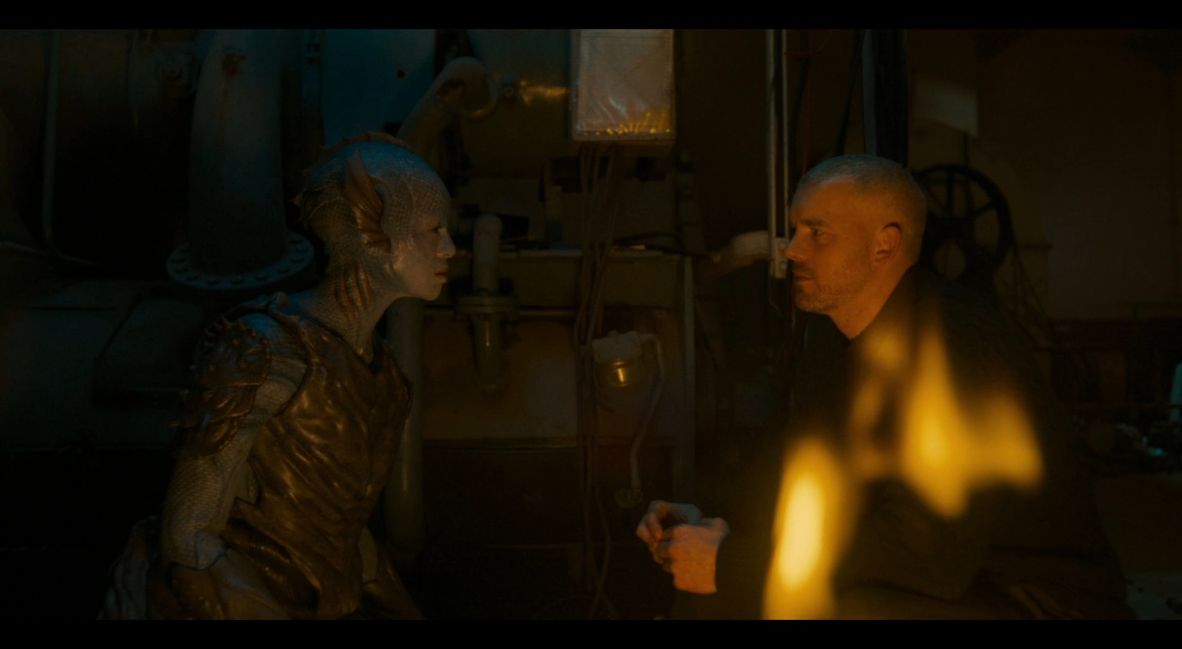
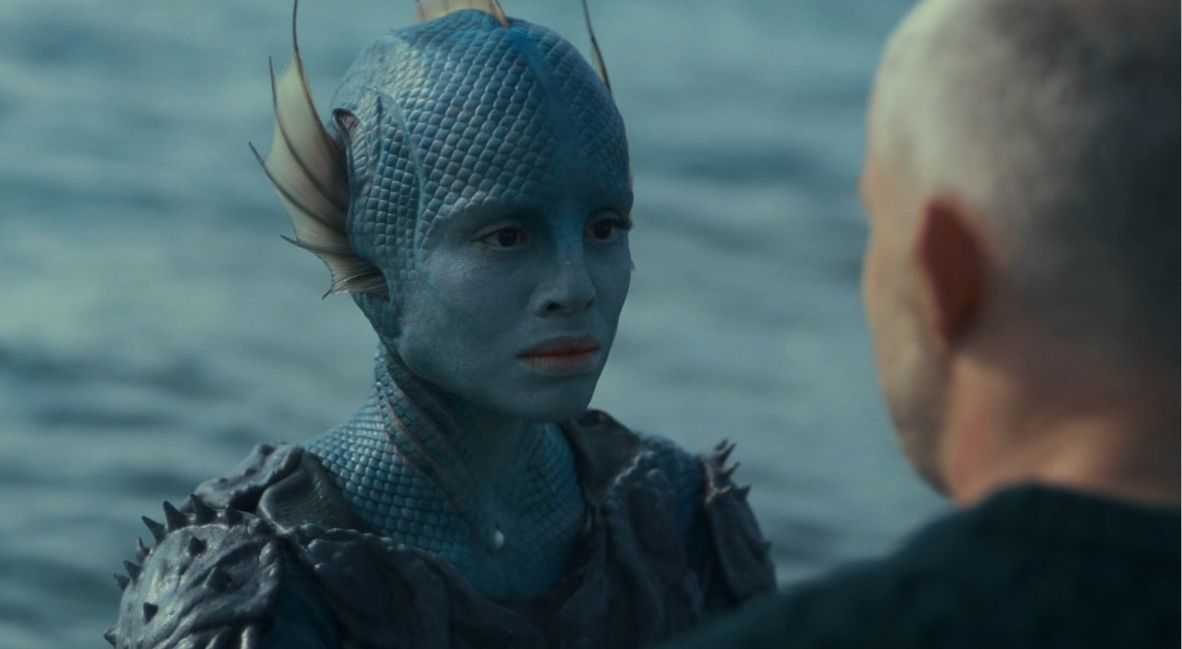
On the other side of the negotiations is Salt, a member of Homo Aqua and the one who instantly transfixes Barclay. It’s not one-sided either; Salt is just as curious about the human. Mbatha-Raw is terrific in the role of an enigmatic figure who is entirely unpredictable. She is kind and caring towards Barclay but despises most other humans. Behind her is an empire of oceanic power, and she knows that. Her anger and hurt are dangerous and imposing.
Towards the end of The War Between the Land and the Sea, when she goes on the run with Barclay, the fierce side of her melts away. She becomes fun, excited, and energetic. She runs around with so much intensity, and that is directed at Barclay, too. Their connection is incredible, with a very intense approach to their relationship. It’s not just love, it’s lust too. It’s passion, not purity.
The War Between the Land and the Sea is very much a UNIT TV show.
The fourth episode, where the two are hiding from forces from humanity and Homo Aqua alike, has the most positivity of any episode. It’s hopeful and caring and really well written and acted. But then Salt’s effectiveness dries up in the final episode. Missing for most of it, Salt isn’t as engaging or as involved. There isn’t enough of Barclay and Sally because there aren’t enough episodes, so sometimes their relationship seems rushed and fleeting.
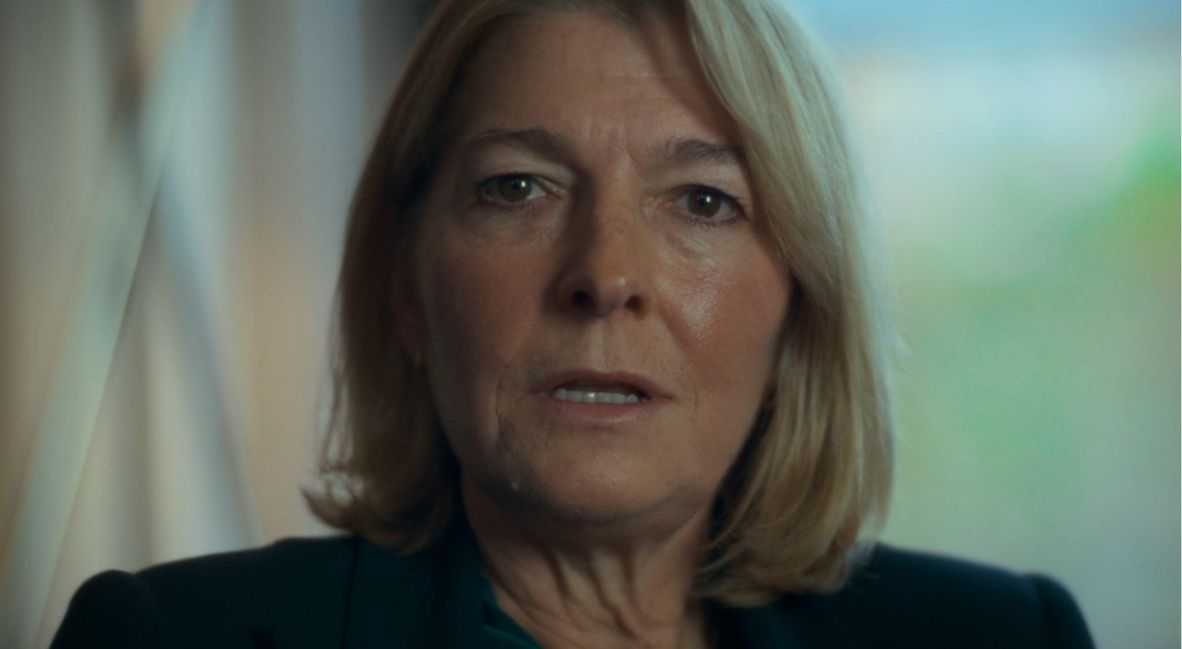
The War Between the Land and the Sea is very much a UNIT TV show. UNIT has been an integral part of Doctor Who for decades, and this nerve centre has been a staple since Davies returned to the show. Kate Lethbridge-Stewart has worked alongside about 7 Doctors at this point, as it’s a crucial supporting figure. Redgrave is a second lead in this show, alongside Tovey.
Where Barclay is going in blind, Kate sees it all. She’s working behind the scenes, talking to the politicians and fighting to keep the world in line. But she also faces catastrophic heartbreak that shatters her. Like Barclay, she then becomes a figure who is barely holding it together. She shows a side of her that can be nasty, but she does what she has to do to stay in control.
The production of The War Between the Land and the Sea is another incredible achievement by Bad Wolf Studios.
The UNIT regular supporting cast of Shirley (Ruth Madeley) and Colonel Ibrahim (Alexander Devrient) are joined by new figures such as General Pierce (Colin McFarlane), Steve Chesney (George Robinson), Min Tso (Mei Mac), Hana Chakri (Francesca Corney), and Louise Mackey (Hannah Donaldson). They all bring a variety of know-how and voices to provide information. But their presence in multiple Doctor Who stories has generated a false sense of security that also bled into The War Between the Land and the Sea. There was an expectation that all the main characters would be safe. That’s not the case at all, and each death is a brutal, devastating reveal that happens in one violent and exhausting night.
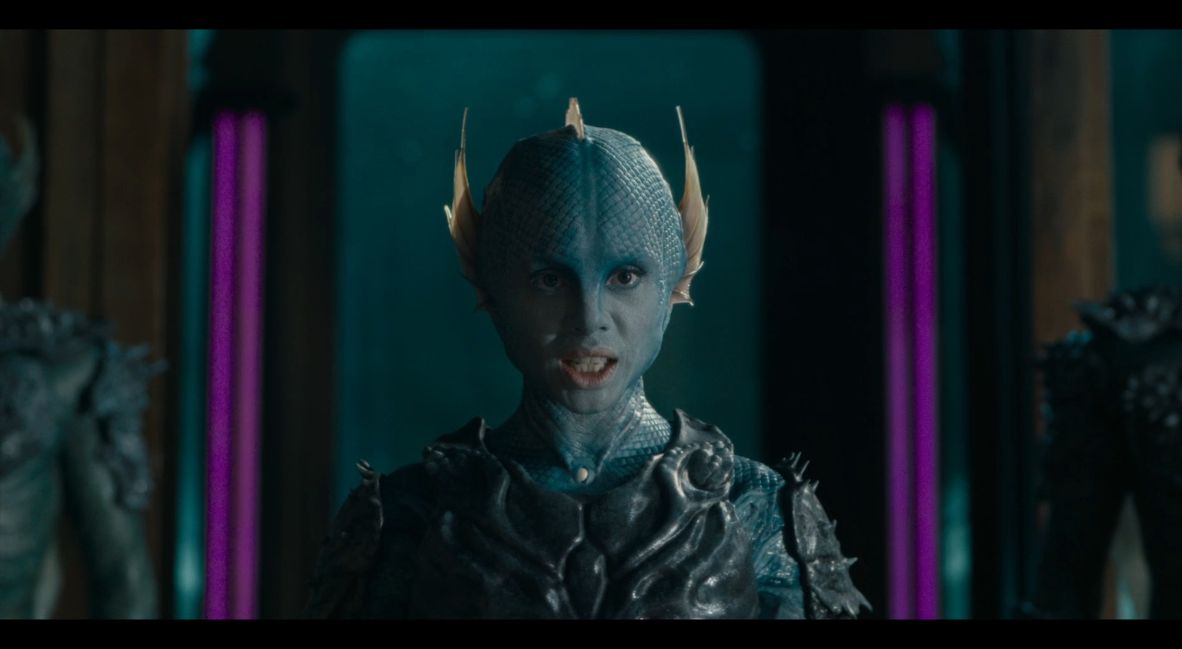
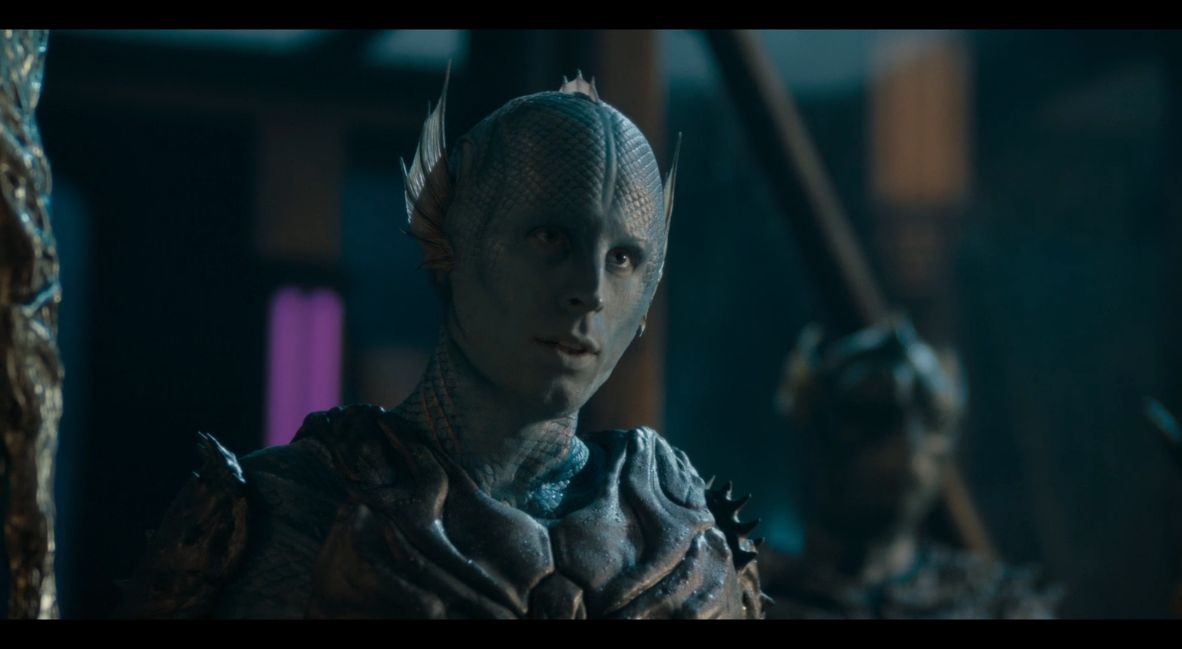
The production of The War Between the Land and the Sea is another incredible achievement by those working at Bad Wolf Studios. The show looks phenomenal. The cinematography is beautiful. There is a naturalistic approach that makes the world look normal and relatable. But the vast shots are important. The start of each episode has pointed at the ocean. The waves and the noise. The power and the expanse and the knowledge that there are things down there. It makes the sea eerie and menacing. The costuming is stunning, especially the Homo Aqua designs. The details are extraordinary.
Salt and Tide, the two members of Homo Aqua that are a little different, are even better. Mbatha-Raw can be expressive and emotive even when encased in prosthetics. The set designs are flawless, from the negotiation room on land to the claustrophobic submersible and the location at the bottom of the sea. The only part where the visuals struggle is the CGI, which can look like a video game at times. Although the largest set piece, featuring an entire city in trouble, is well-executed.
The War Between the Land and the Sea is an anxious pressure cooker from start to finish.
The War Between the Land and the Sea is an anxious pressure cooker from start to finish. The atmosphere within the entire show is heavy, with a tension that never lifts. All of the characters and performances are fantastic, with a script that generates palpable, visceral rage at the world and those who have broken it.
The story itself in The War Between the Land and the Sea is intriguing and engaging. It’s brave with the stances it takes and the characters it kills. The plot feels grounded to Earth, and there is barely any connection to the Doctor at all. Up until the last episode, the whole series had very few flaws. But the way the final episode robs many figures of their identity, doesn’t wrap up most of the stories, and leaves a bitter taste in the mouth, really damages the whole picture. More episodes would help expand the already fascinating love story and wrap up the war over the water.
The War Between the Land and the Sea is available on BBC iPlayer and on Disney+ in 2026.
The War Between the Land and the Sea
-
Rating - 7/107/10
TL;DR
The War Between the Land and the Sea is an anxious pressure cooker from start to finish. The atmosphere within the entire show is heavy, with a tension that never lifts.