
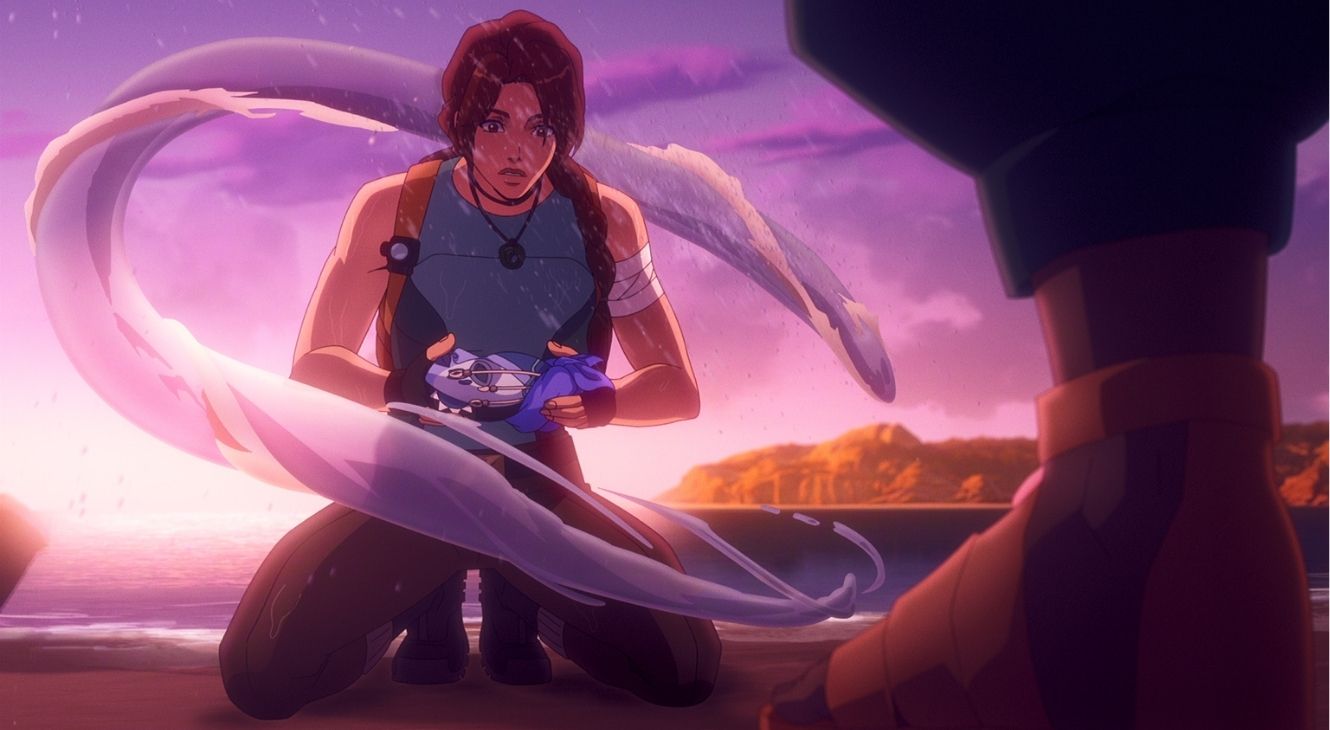
Tomb Raider: The Legend of Lara Croft Season 2, produced by Powerhouse Animation, sees Lara (Hayley Atwell, Mission Impossible: The Final Reckoning) off on another globe-hopping adventure as she helps to once more save the world from a deadly apocalypse. But even greater than her adventure is what she’ll discover and accept about herself, her family, and what her place in the world ought to be.
As society grows and evolves, concepts that were presented as spotless can lose some of their shine. As the truth behind these endeavors is explored, they can become less palatable. The policies and practices of Western archaeologists over the centuries are one such example.
But rather than try to sweep these problematic elements of Lara’s identity under the rug, Tomb Raider: The Legend of Lara Croft Season 2 fully embraces them, using them as another tool to highlight just how powerful its protagonist’s mind and heart are.
The Legend of Lara Croft Season 2 is more than willing to tackle the elephant in the room surrounding archaeology.
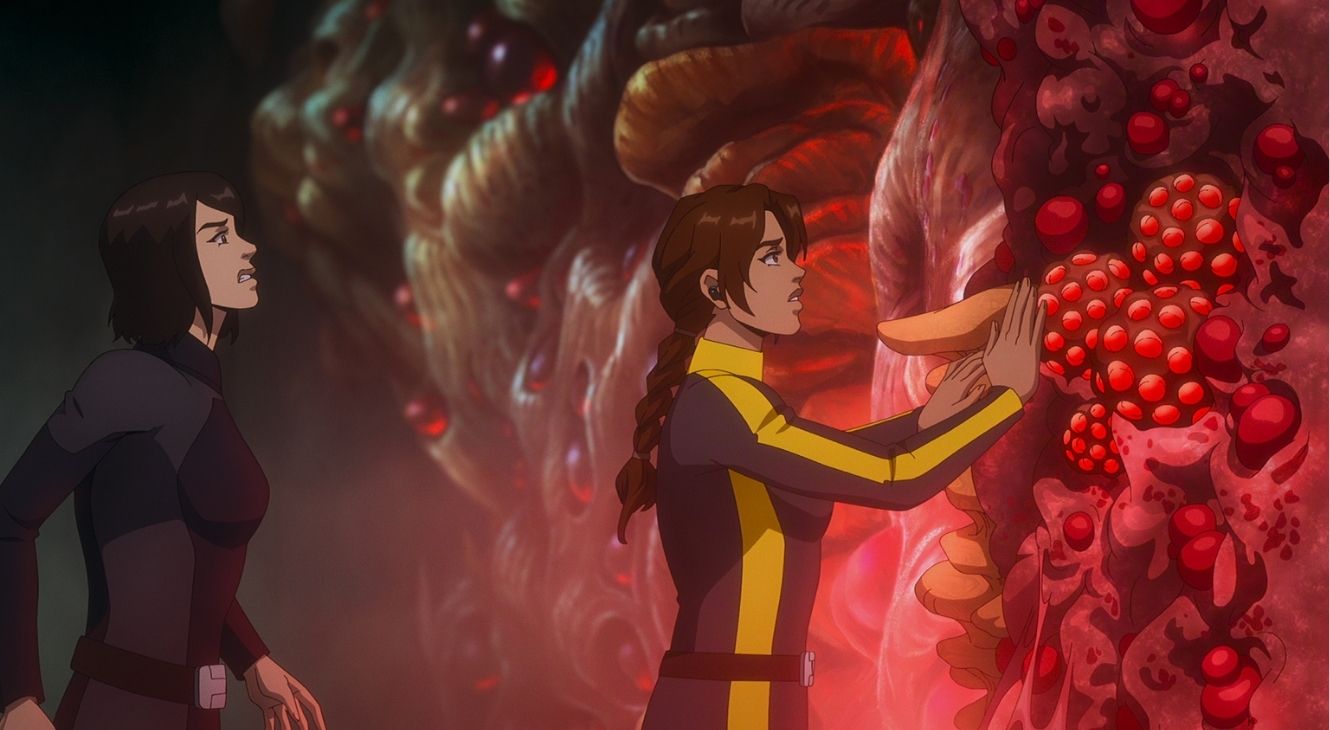
There was a much easier way this narrative could’ve explored the shortcomings of archeological practices. It would’ve been much more expedient to have the Croft Family be a magical exception to the plundering of cultures and civilizations that the field has become embroiled in over the recent decades.
However, choosing not to let Lara’s family off the hook forces her to look within herself, make choices, and accept realities that make her feel every inch the hero she is when she’s saving the world.
This evolving reality for the character sits at the heart of what this new story explores. While Lara is as cool, intelligent, and heroic as ever, a new level of maturity is brought to the character through self-reflection, elevating her beyond what she has been in the past. Even though there is another key element of Lara’s story that gets addressed, one would think that could undercut her presence in her own narrative.
Lara’s tale has always been one of daring heroism. She swings in, often guns blazing, to save a group of people from a power-hungry individual set on bending occult forces they don’t fully understand to their will. While this brings lots of excitement, it can also lean into an overly heavy-handed savior trope for our hero.
Lara is nothing without her support system, and it shows.
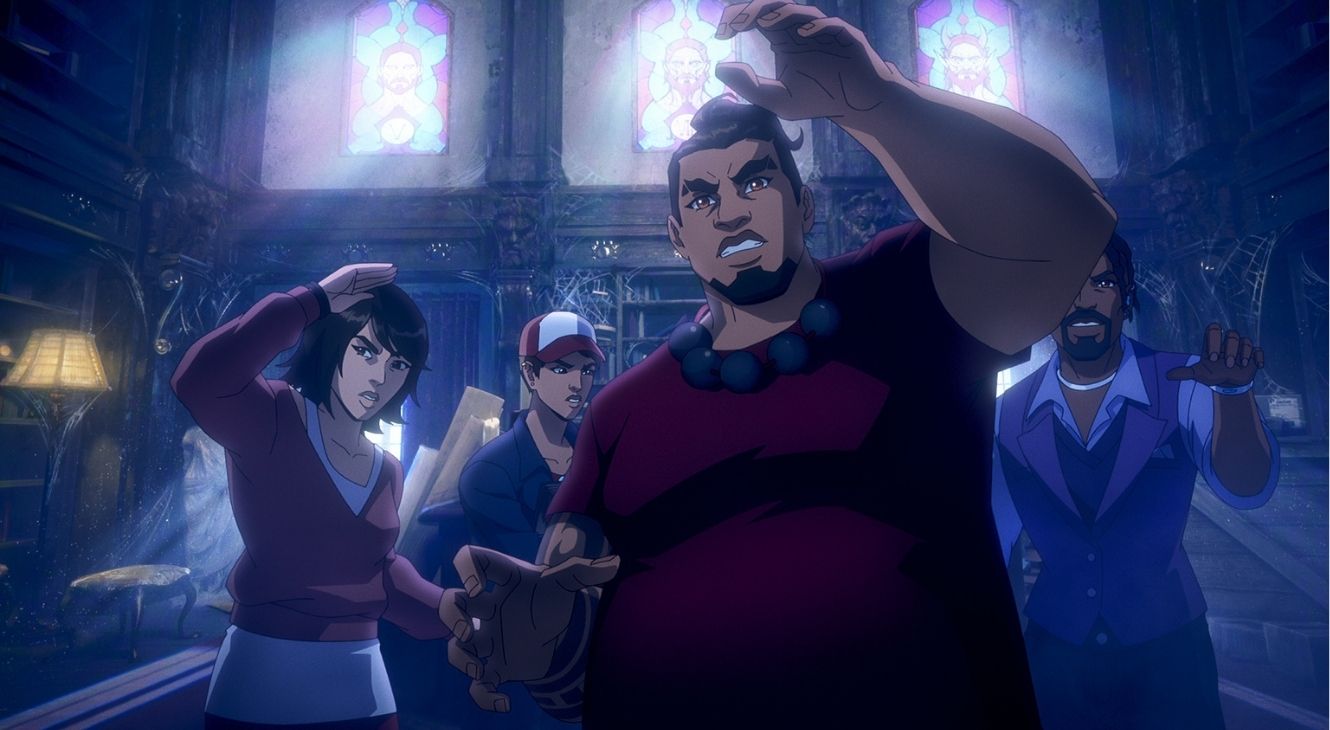
Rather than continue to have Lara save the people of the world because she’s the only one who can, Tomb Raider: The Legend of Lara Croft Season 2 opts to use Lara’s cunning and experience instead to elevate those around her, while still being every bit the dangerous powerhouse we all know and love.
This shift in focus creates a more compelling tale by allowing greater involvement from those surrounding Lara. As she comes to see that others have just as much strength as she does, in some cases much more, she showcases her trademark adaptability by supporting those who must step forward to do things she can’t.
This narrative choice builds the core of the series’s story incredibly well. At the heart of the tale is a villain who claims to want to “save” the world, and she’s the only one who can. To do this, she must exploit a group of Indigenous Africans and strip them of their gods and the powers they wield to bring about this utopian earth.
The series never shies away from the exploitation of Indigenous peoples.
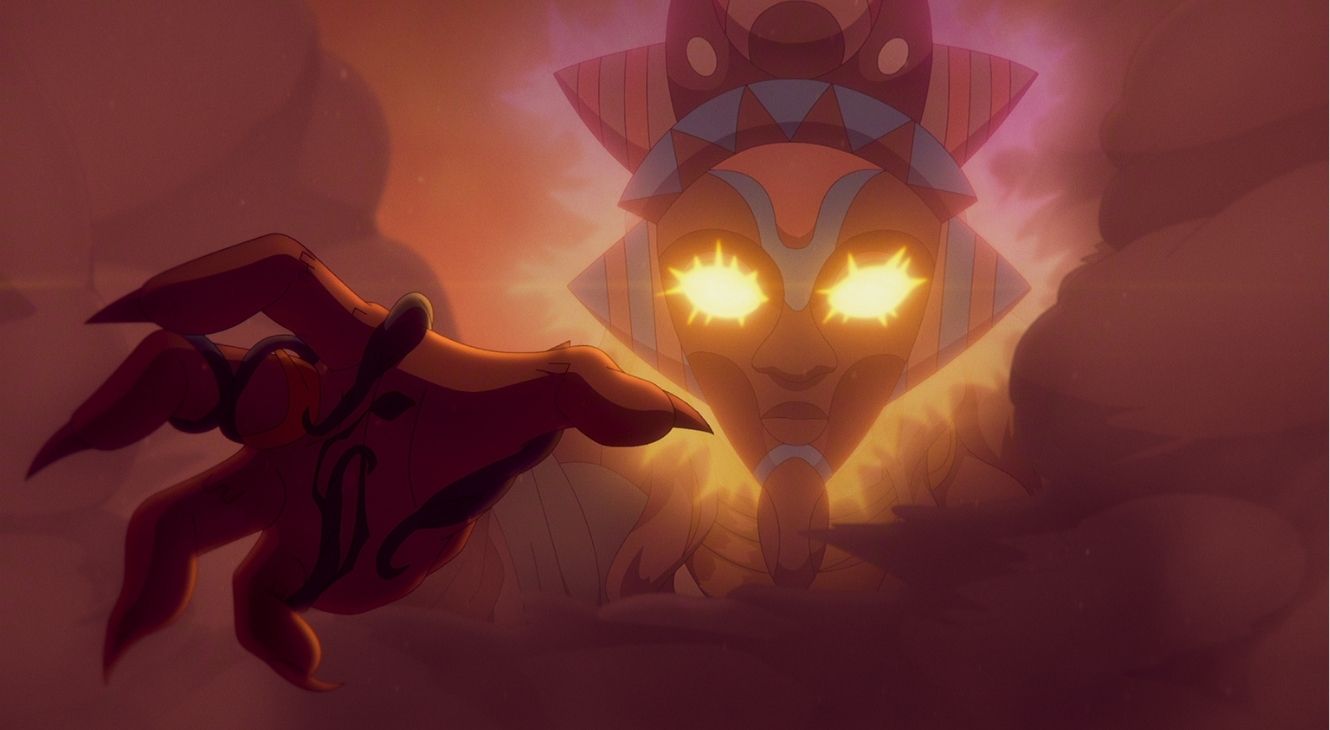
The juxtaposition between Lara’s growth and the self-obsessed savior complex wielded by the villain is stark and powerful. Having Lara play a critical role in saving the targeted people, without simply doing it all herself, reinforces the series’ messaging, putting its themes and ideas into practice.
With all the heavy theming and character exploration on the parts of both Lara and those she meets on her newest journey are great, Tomb Raider: The Legend of Lara Croft Season 2 suffers in some key ways. The eight episodes that comprise this series are far too few, resulting in rushed plot beats. Half the characters we meet barely stick around for a full episode, making their personal moments in the story less than impactful. So much happens so fast that it can be easy to lose track of the details of the plot.
Despite the speed run the story goes on, there are still a few characters that manage to shine, outside of Lara herself. Her constant companion Sam (Karen Fukuhara, The Boys) brings emotional support for the heroine that never fails to warm the scenes where she shines. And stealing much of the series is the struggling Eshu (O-T Fagbenie, Black Widow). Deeply embroiled in the conflict, his past haunts the character, and he must grow beyond his mistakes to become the hero his people, and indeed the entire world, needs him to be.
Unfortunately, some character storylines are cut short before even having a chance to build.
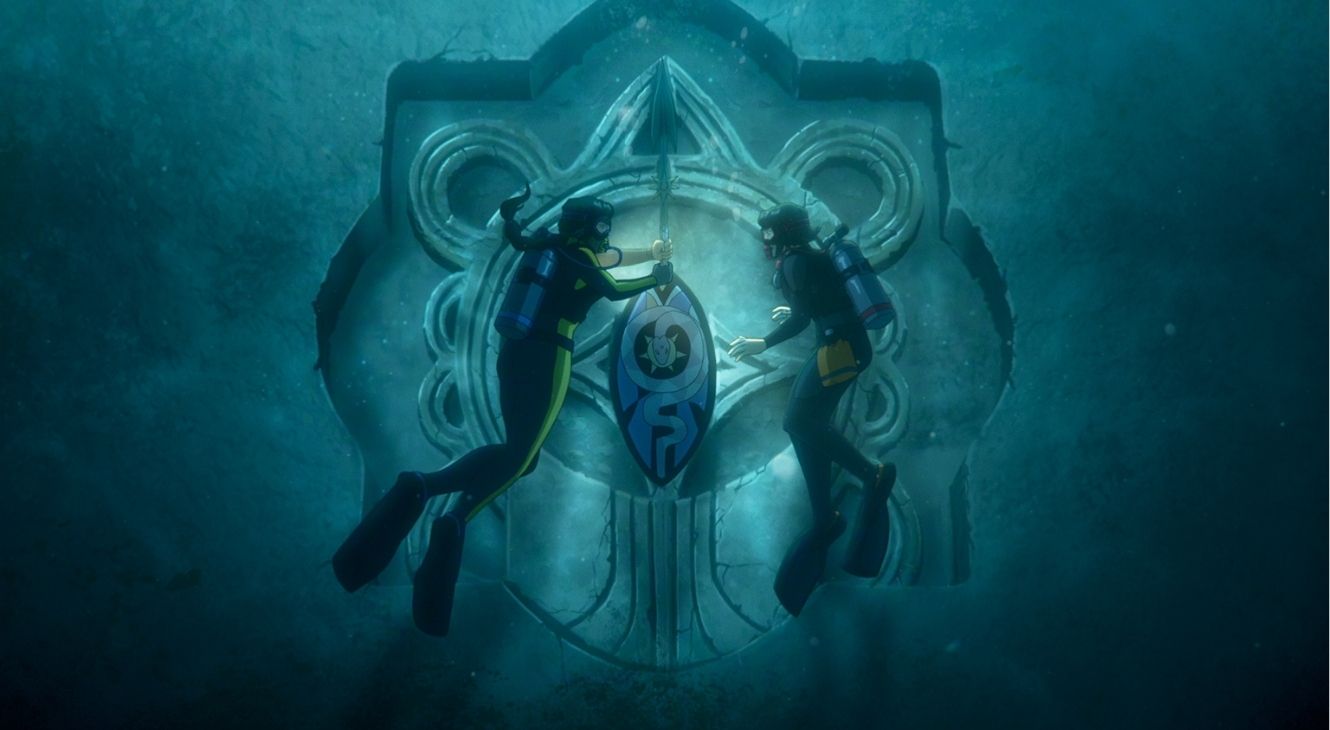
The animation that brings Tomb Raider: The Legend of Lara Croft Season 2 to life is every bit the fantastic exhibition of skill Powerhouse has become known for. No strangers to blending fist fights with magic-fueled mayhem, the animation studio once again breathes life into the series’ story through its gorgeous visual work. While this entry feels a little lighter in the action than other series’ in the studio’s portfolio, the big moments pop off with all the power any fan could ask for.
Tomb Raider: The Legend of Lara Croft Season 2 leans into its core elements fantastically, even though they come at the expense of the plot. How it allows Lara to embrace the changing narrative around a key element of who she is and the flaws in its history makes her stand taller than ever.
She shows that not only can she play a critical role in saving the world, but she is also woman enough to see her own faults, accept them, and grow. And that makes the character far more special than being able to duel-wield her trademark pistols or speak ancient Greek any day.
Tomb Raider: The Legend of Lara Croft Season 2 is streaming now on Netflix.
Tomb Raider: The Legend of Lara Croft Season 2
-
Rating - 7.5/107.5/10
TL;DR
Tomb Raider: The Legend of Lara Croft Season 2 leans into its core elements fantastically, even though they come at the expense of the plot.