
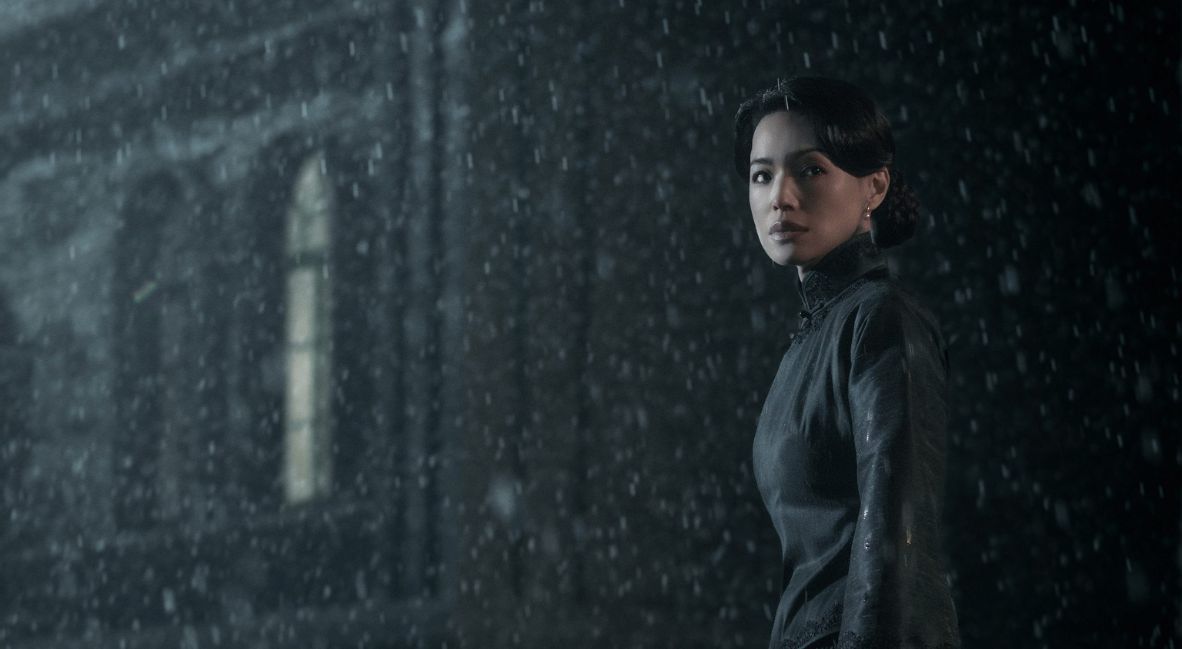
In the beguiling, transformative Resurrection (2025) by filmmaker Bi Gan, history, dreams, and life converge into one swelling, operatic note of discontent and aspiration. Combining decades of history through the distinctive visual narrative of cinema, the film transports us through time and space, distilling all that makes film wondrous into one hypnotic odyssey. Bi Gan lets his inspirations bleed onto the page, at times an urgent reminder of vitality and the necessity of the medium. To see, to emphasize, and stitch together the fabric of dreams.
The film takes place in a world where humanity has forfeited its ability to dream in exchange for eternal life. Miss Shu (Shu Qi) is one of the “Other Ones,” a group who searches for beings called “Deliriants,” humans who still dream. One day, she meets a Deliriant (Jackson Yee) who has been transformed into an inhuman creature, who gorges himself on poppies in order to dedicate himself to his unreality.
Touched by his commitment, Miss Shu determines to give him a gentle death, instilling a film projector inside of him that allows her to experience the cinematic dreamscapes he undergoes as he slowly drifts away. Split into six chapters that work to emulate the senses, Resurrection (2025) celebrates the euphoria of life in all its sweet nothings and bitter ends.
Director Bi Gan explores life through the history of cinema with Jackson Yee at the head.
In a year when films have gone above and beyond to celebrate the quiet integrity of finite lives, here lies a story that calls for even further inquiry into how we view life through the cinematic lens.
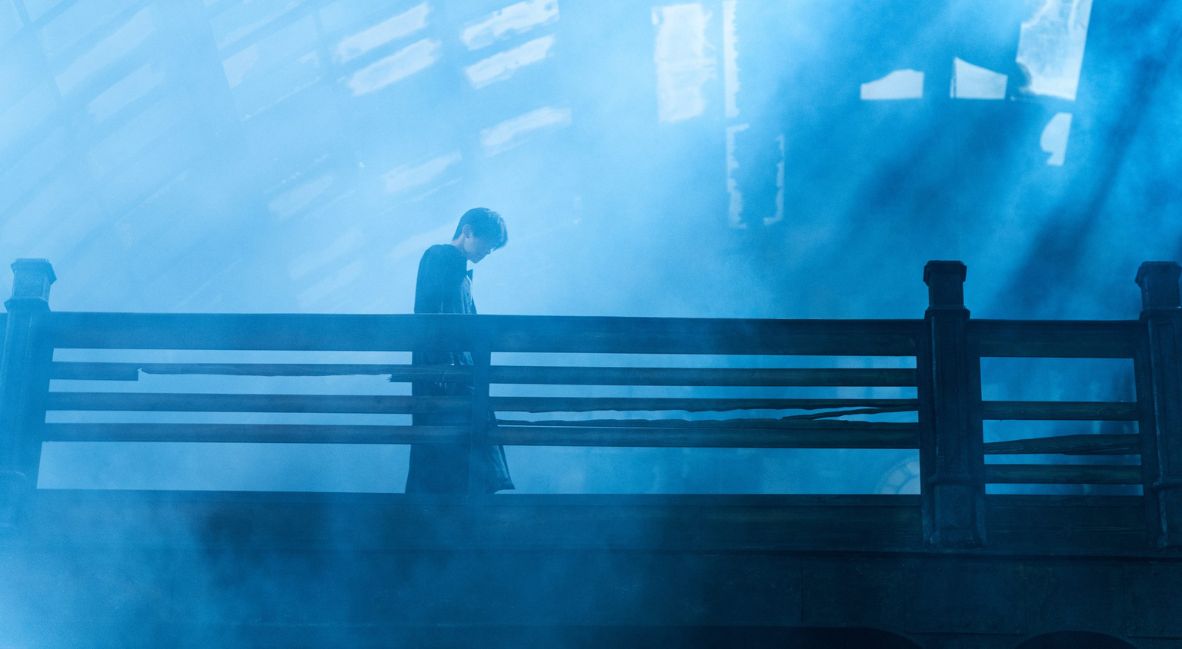
There’s no hesitation to Bi Gan’s touch as the opening moments roll, evoking the silent era and German expressionism. There’s a clever duality in how the film stages itself in these early moments, as a means of establishing the world as it is. First, in how it begins (and, later, ends) in a movie theater, with frames that playfully seem to recall cinema’s earliest imagery.
From hints of the pioneering work of Georges Méliès to the creeping, distorted shadows and silhouettes of F. W. Murnau’s Nosferatu and the architectural visionaries of Metropolis, the silent, twenty-minute opening is vital in setting the tone. It’s a triumphant, confident play that speaks to two truths the film will tirelessly lay out.
The first is that films, even in the silent era, have always been a multi-sensory medium, accompanied by scores and live accompaniment. There lies the filmmaker’s ode to that era of cinema. But the second is how this world, in particular, echoes the truth of the Deliriant’s plight without sound. Because the moment sound returns is the moment Miss Shu opens herself up to endless possibilities of dreams.
Resurrection (2025) has an innate understanding of how film and dreams go hand in hand. Because what is film if not a waking dream? An ability to see worlds we’d otherwise never touch, if even imagine ourselves. Films grant our imaginations, or endless possibilities, the tangible weight of narrative and direction.
The influences are apparent, but don’t diminish the singular experience of the film.
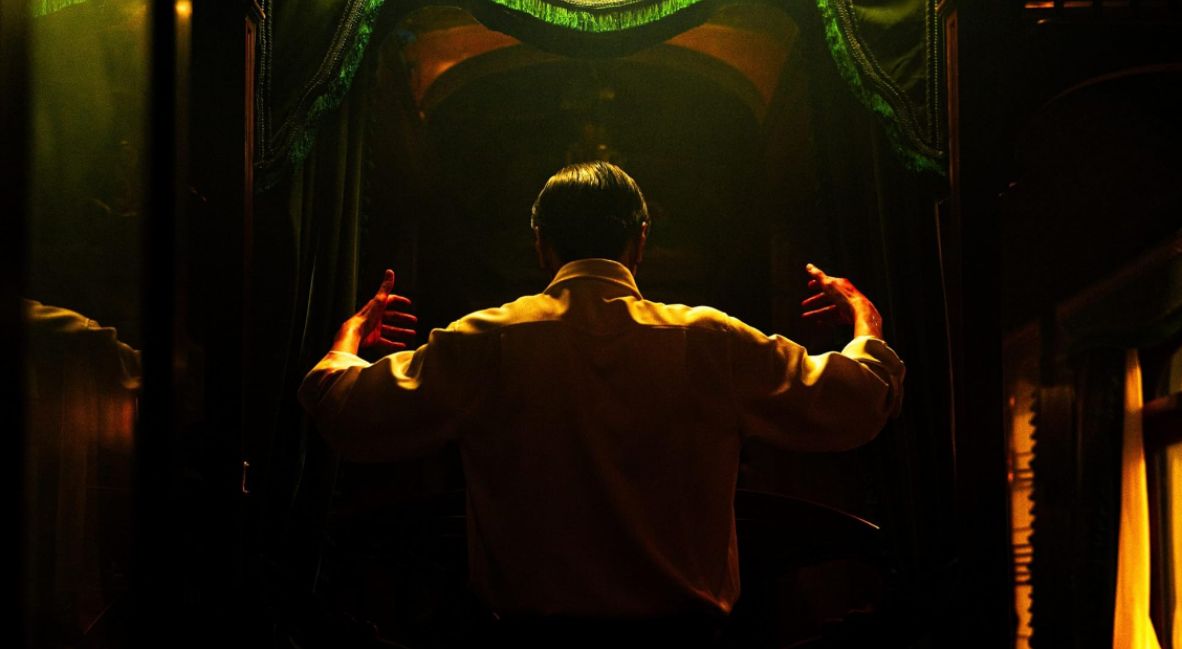
Yee stars in each of the segments, all of which play with the competing truths of being human. An irksome quirk of a loved one is missed when it’s gone. Touch is sacred, made more so when you can no longer reach the hand you once held. We burn bright, and we burn out.
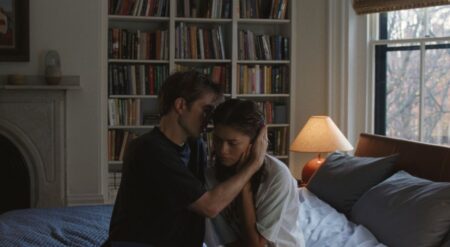
Each story – each dream Miss Shu indulges in through her host – is packed with the flavors of some of cinema’s most notable genres, movements, and tastemakers. There’s film noir and shades of Wong Kar-wai, as the film explores history and time while wading through 20th-century China. But the film doesn’t limit itself to a few influences. There are shades of Akira Kurosawa – specifically Dreams – in the story about an art thief left in a ruined Buddhist temple who has an unlikely visit from the Spirit of Bitterness.
There are elements of the Wachowskis’ sprawling Cloud Atlas and the caustic Holy Motors, and the specific isolation of Andrei Tarkovsky and Hou Hsiao-hsien (fitting, considering Shu Qi is one of his frequent muses). None of it feels cloying or too on the nose. A sensory overload, the film instead is a pleading celebration of a medium that so often calls us on to remember what and who we used to love. To feel something in the inherent nostalgia of film.
Resurrection (2025) is a hypnotic, sensory overload.
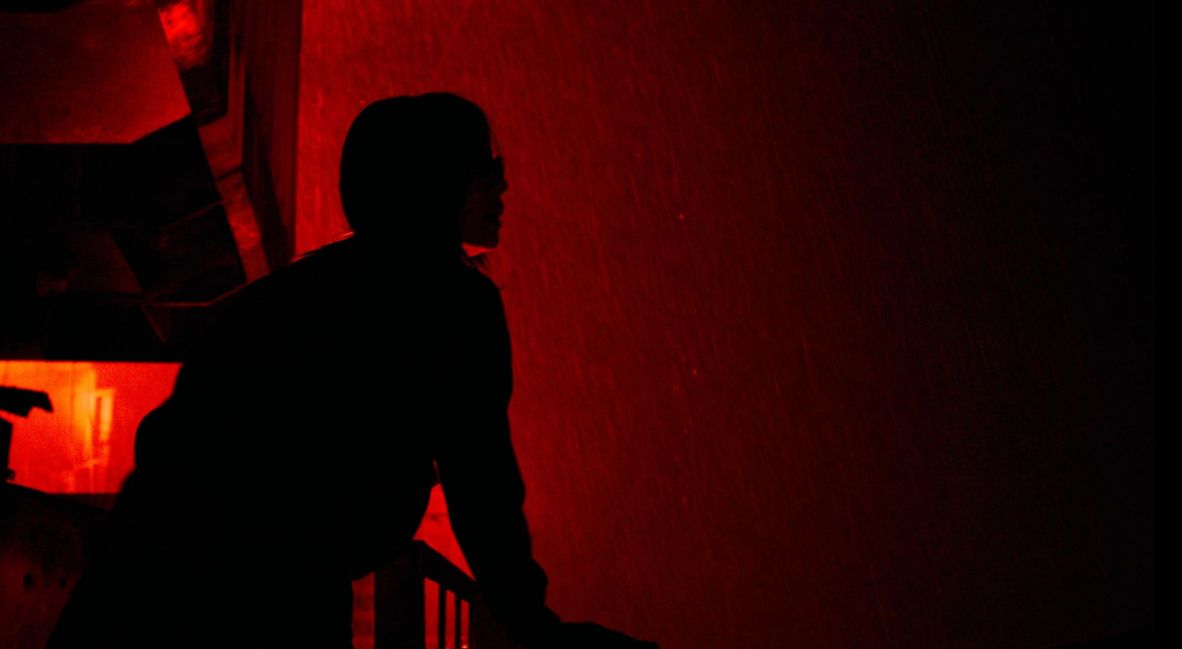
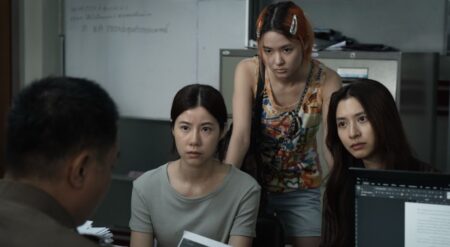
The direction is, unsurprisingly, stunning, as it plays with form and style to best mirror the story being told. From the caper, light comedy of an odd couple duo looking to win big, to the Wong Kar-wai journey about young, apocalyptic love defiantly staring down uncertain disaster. In a staggering, intricately staged and choreographed one-take, we watch the latter story unfold as two young people come together, are drawn apart, and recouple, only to face the consequences of mortality.
Scored with sweeping melancholy and evocative notes by M83, Resurrection (2025) homes in on what makes us feel as moviegoers, as humans. It puts to text the disruptive nature of life as we yearn for more – be it, in this case, more dreams or life itself. Or, even more to the point, more understanding of what it means to live and dream and all that comes in between.
The colors and compositions are rich and declarative, from the eerie green and the alien, deserted blues of the Buddhist temple. Here is another instance where the direction understands how each element adds a layer to the tapestry of a story. Infused with ever-shifting tones and varying levels of vibrancy as the stories shift and change, each tale draws on the others while building its own distinct narrative. In doing so, it mimics how we move through life: a composition of beats, interests, and people we’ve met along the way, culminating in something collaborative. We are everyone else.
At one point, Miss Shu promises the gift of a long-forgotten art form: cinematography. It’s here where the truth of intent becomes clear. Resurrection (2025) isn’t so much a love letter to film but a love letter to the language of cinema. Because we need each element, each sense, to fully submit ourselves to the capacity of emotion, connection, and empathy that is a product of our greatest filmmakers’ capabilities.
The film is a staggering display of ambition that can’t be missed.
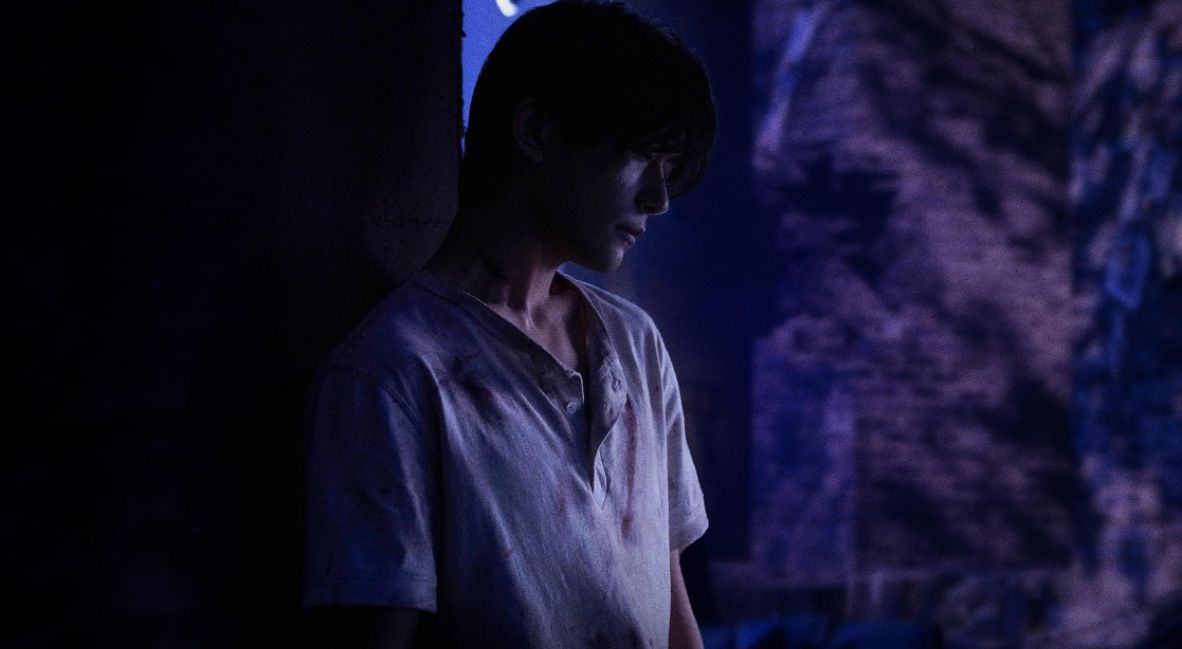
As moviegoers tear a hole in the fabric of reality, or as characters traverse the screen as if walking on two distorted stages, the world unravels and comes together. Bi Gan has created a film that speaks to the fundamentals of film history while championing the limitless possibilities. Because why would we limit ourselves to a life tethered to reality when, in contrast, we might soar, brief but bright.
Resurrection (2025) is a staggering display of ambition. Punctuated by a mesmerizing end note that resonates with the reverberations of time, the filmmaking shows a defiance that affirms the longevity of cinema and the way life blossoms through it. Yes, there’s an air of mourning to the film. But only because of the life and enduring history honored throughout.
Tumultuous, rapturous, and brimming with the inextinguishable, the film thrums with the desire to create based on the foundation of dreams and blueprints of imagination. The world may be falling apart, we may not know what the future holds, but dreams remain. Let us marvel in their presence.
Resurrection (2025) is out now in theaters.
Resurrection (2025)
-
Rating - 9/109/10
TL;DR
Resurrection (2025) is a staggering display of ambition. Tumultuous, rapturous, and brimming with the inextinguishable, the film thrums with the desire to create based on the foundation of dreams and blueprints of imagination.