

Arknights: Endfield Beta Test II introduces the opening areas of the world of Talos-II. The developers at Hypergryph have showcased a staggering amount of content that lays out what players can expect when the game goes live on January 22nd. After dozens of hours playing, there are a lot of things to say about this staggering experience that feels far more about exploring a world and building a civilisation than pulling for new characters.
The open-world, live-service, action-adventure genre is fast becoming one of the hardest areas of gaming to break into. Not only are there award-winning franchises in the space that have amassed millions of fans, but because of their live service nature, they do all they can to keep their fanbases’ attention constantly.
Daily missions, limited-time events, story drops, and building new characters are all activities designed to keep players engaged and focused. With everyone having less time these days, it means players have to make choices about what they play.
If a game wants to make a splash in the genre, it can’t just be as good as the best. It has to either be better than them, or it has to do something strikingly different. Something that will turn players’ heads away from their dailies and take note. Arknights: Endfield is trying to do just that.
To accomplish this Herculean task, the game has opted to create unique experiences through both its storytelling and its gameplay mechanics. When looked at all together, the twists Arknights: Endfield brings to its approach create a world that focuses not on the player character, though they are critically important, but rather on the larger world and the efforts it takes to build it.
The Arknights Endfield Beta Test II offers a solid opening and rich story content.
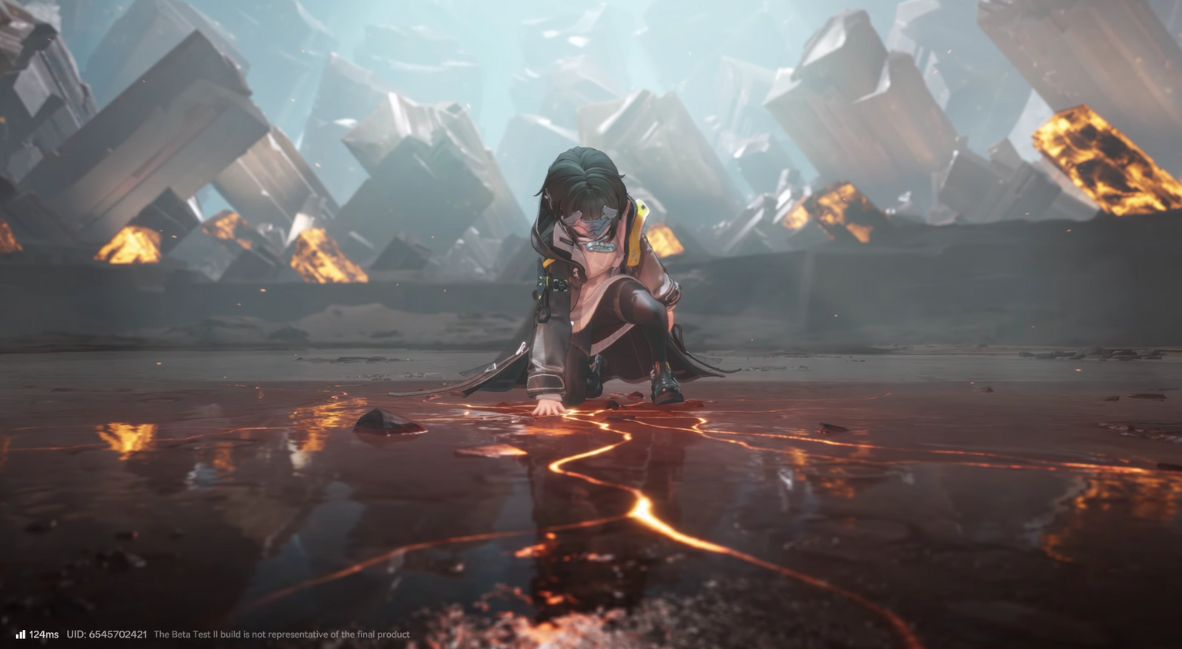
In the opening moments of the story, a player could be forgiven for thinking they are in for a familiar narrative experience. The Endminister (main character) is awakened from a decade-long sleep with no memories and a world in crisis awaiting them. Before they can even fully thaw out, a catastrophe occurs that sends them, along with their stalwart companions Perlica and Chen, out to save the fledgling community of Valley IV(4).
The opening adventure features a solid tutorial as the heroes fight off Aggeloi, who threaten to ruin what the people have built. This introduction not only effectively introduces the core concepts of combat but also begins to establish a huge supporting cast that will recur frequently throughout the Endminister’s journey.
But it’s what comes after the initial fights that sets Arknights: Endfield apart from many of its contemporaries. Rather than searching for new foes or immediately going on a quest to restore your memories, the game requires players to help with a task that is just as important as saving the day, cleaning up the mess left behind.
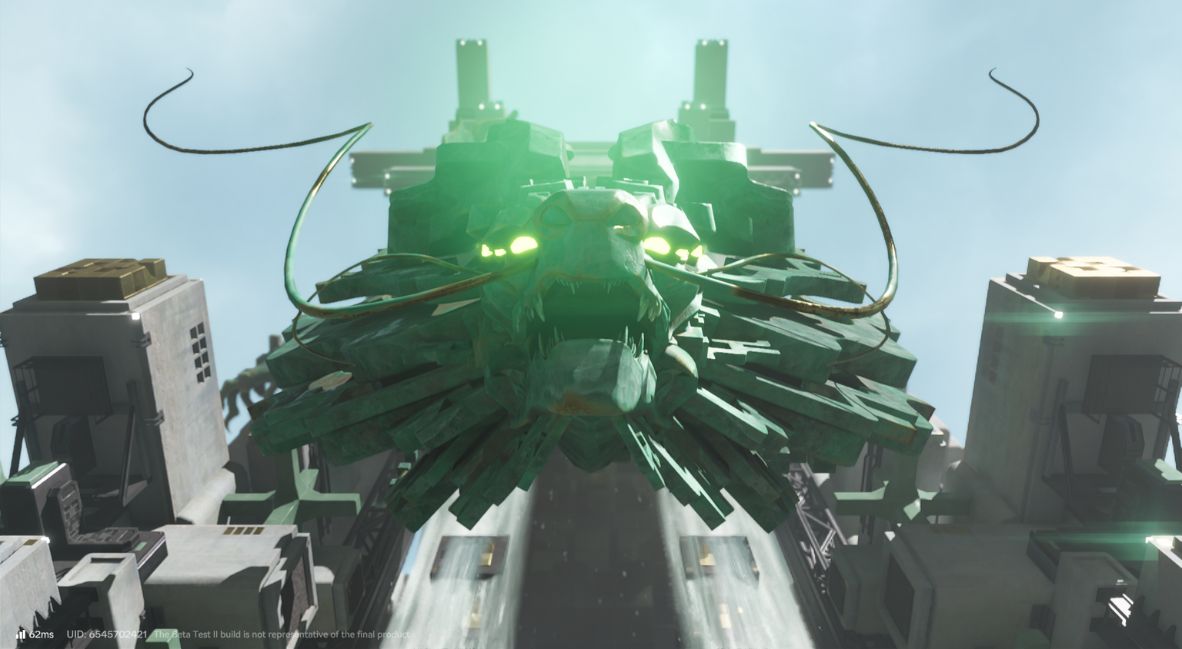
No matter what battle needs to be fought or what danger looms on the horizon, the game keeps a fixed eye on the people of Talos-II. Many story beats, both main and side, revolve around helping people who have been displaced by tragedy or who need the aid of Endfield Industries, an industrial organization the player leads, in ways that are just as vital as protection but aren’t often found as interactable elements in adventure games.
This willingness to step back from the action and ask players to set up production lines, lay power, and mine ore for item creation and trade so that Valley IV can prosper again is a rewarding choice, though it may not be for everyone.
While the core element of the production side of the game, the Automated Industry Complex (AIC), is well implemented and thoroughly handled, I can’t say I ever wanted to interact with it. But at the same time, the experience would feel noticeably lessened without its presence. Which is a conundrum the Arknights: Endfield Beta Test II left me with.
Production in the Arknights Endfield Beta Test II is a key part of the game loop that pays off.
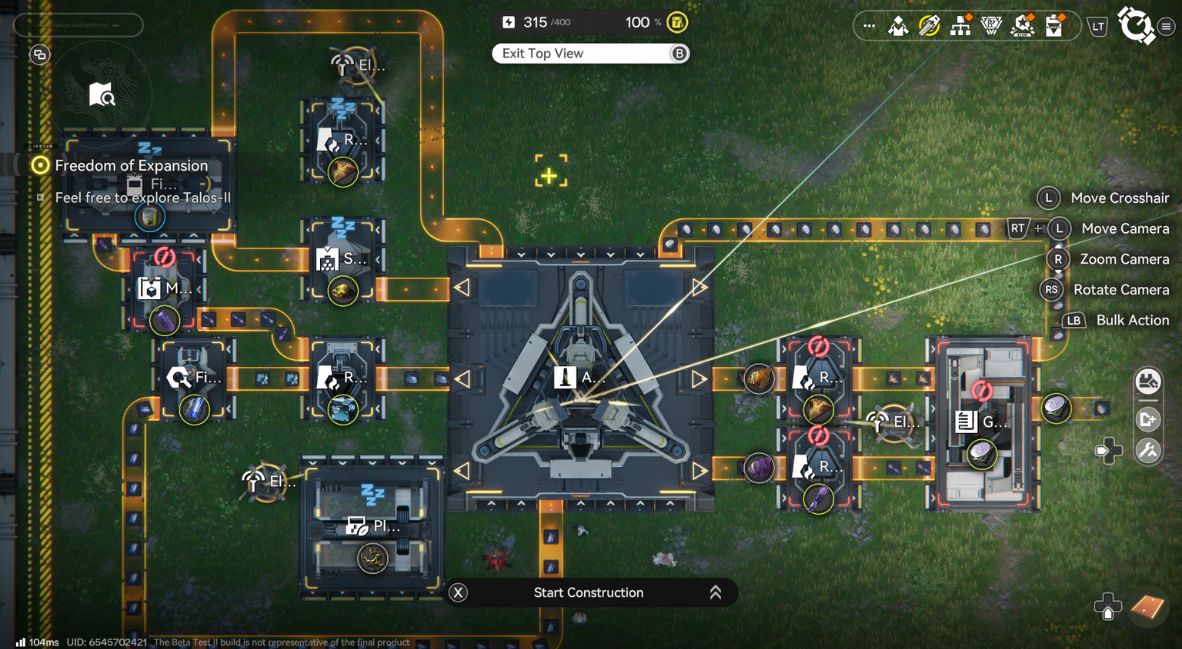
Production takes numerous forms within the game. Space in the Endfield Industries base is set aside for growing plants and other minerals for leveling. Experience boosts can also be crafted here. But the real show when it comes to production is the AIC.
The AIC centers on a central unit that the player builds off of in order to make production lines. Raw materials mined by remote mining units placed by the player provide raw materials that leave the core unit by conveyor belts laid by the player to shredding, filling, or other various stations. Sometimes, most of the time, a chain of multiple stations must be strung together to make more complex products. Just thinking about it is a little overwhelming still.
Now, every new station comes with a tutorial to demonstrate how to implement it within a line, so you aren’t left without a clue for what to do. These tutorials can be tediously thorough, as each one is written as if you’ve never done one before.
They painstakingly walk you through every step, from opening the main menu and accessing the core production screen to the final placement. The attention to detail is understandable, but frustrating, especially if you find yourself needing to go over multiple back-to-back.
To be fair, if you are like me and you really don’t want to interact with the AIC, you can generally work around it. Only a few missions require you to engage with it, and many of the ongoing elements can be set up with minimal work; they will just take longer to give the desired result than if you try to optimise them.
I’d estimate that, at most, I spent one-tenth of my time interacting with it. But there is an undeniable reward when you do the work, and you see a settlement get visibly upgraded from a collection of shattered hovels to something akin to proper homes.
But Arknights Endfield isn’t just about manufacturing; it also has a gripping narrative.

The importance of these activities is reinforced within the narratives that play out. The writers love to bring the Endminister back to previous locations, to help familiar faces. Bonding with these characters further entices players to help these communities grow. I have to admit that I even set aside an entire play session just to get a production line going so I could get a settlement leveled up. Little Ginny needed a proper home after all.
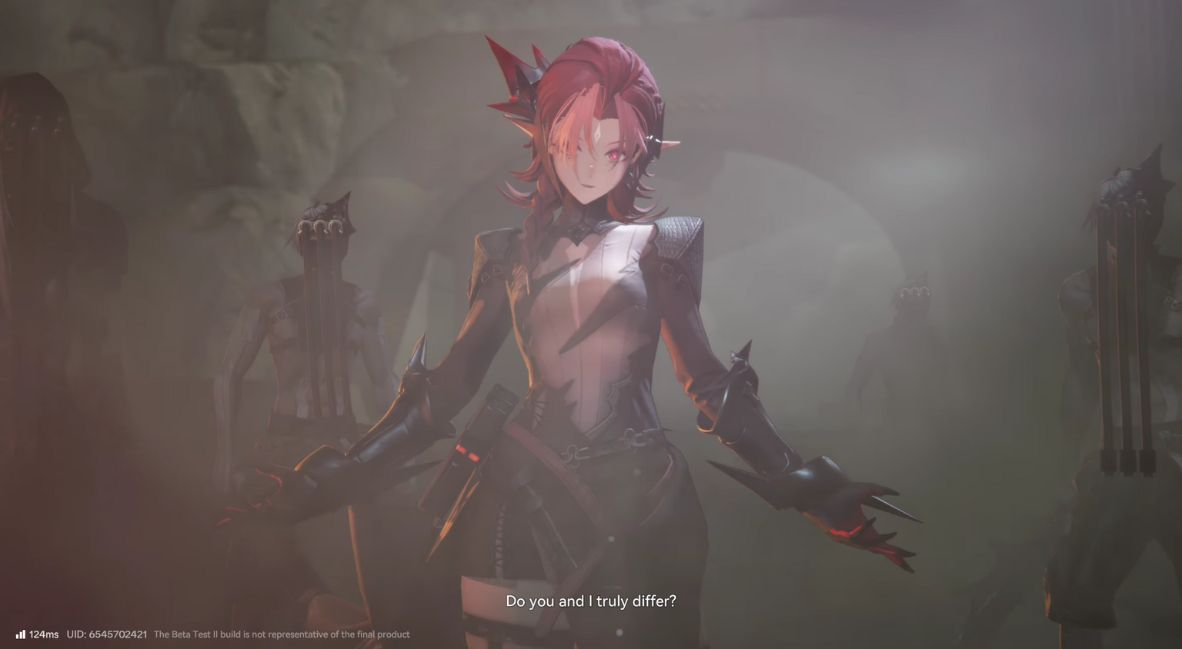
While there is a clear focus on community and the individuals that make up one, my time with the Arknights: Endfield Beta Test II also imparted a sense of the grand as well. The shadowy villain, powerful allies, and an oncoming battle for the planet are all present and get loads of setup here. The story just looks beyond the handful of playable characters and prominent narrative figures to flesh out the world, making it feel about more than just the core cast.
This focus on the broader cast also helps make meaningful interactions feel more naturally occurring. Oftentimes in live service games, especially one that uses gacha systems for character acquisition (more on that later), every major plot beat in a given narrative ends up centering around a particular cast member.
Namely, the one player they have the opportunity to pull for when the storyline first drops. And if not them, they rarely allow the spotlight to stray past the playable characters in any meaningful way.
By expanding the narrative’s lens, Arknights: Endfield Beta Test II makes emotional moments feel more natural. I’m as connected to some of the NPCs that will clearly never be playable characters as I am to the scientist Yvonne, who at the time of writing is available to be acquired. This reinforces the sense that the game exists to be played first, and that characters are sold as a means to fuel it, rather than the other way around.
Talos-II is a vast world with varying areas that always feel unique and lived-in.
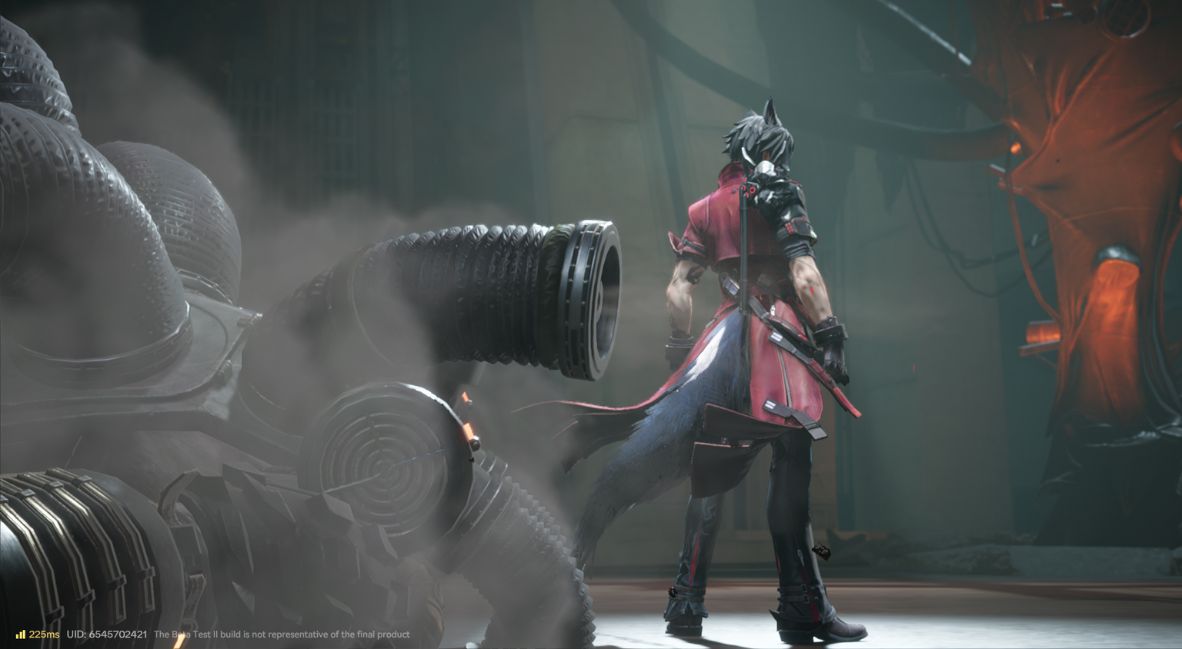
Playing host to the multitude of stories the game presents is the world of Talos-II. Along with being wonderfully crafted visually, bringing all its locals to life through detailed structures and plant life, the game also does a great job of assembling its regions into shapes that largely make sense.
An area chosen for a purpose feels like a realistic spot for its function, and areas have roads and other connecting structures running between them where appropriate, further crafting a lived-in feeling for the world.
Arknights: Endfield Beta Test II allows players to explore the first two regions within the game: Valley IV and Wuling. Between these two areas, the game has already established a vibrant amount of life and contrasting styles.
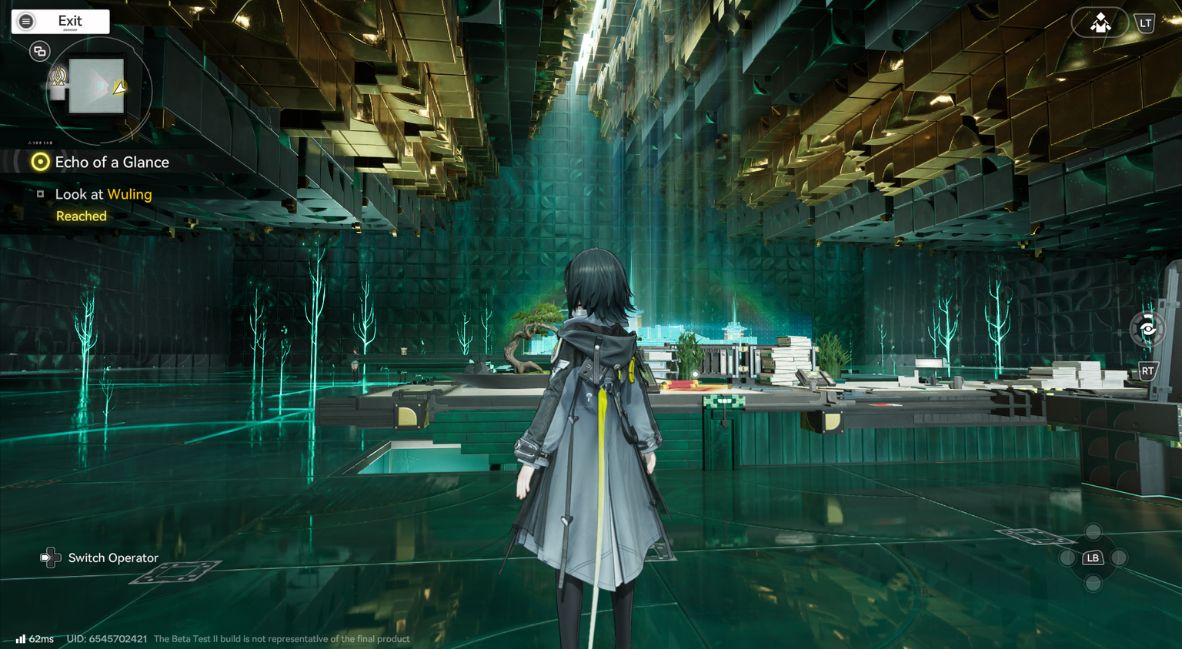
While Valley IV is functional and industrial in its take on science fiction, Wuling is elegant and regal, draped in Chinese-style architecture. And while classic forests surround the dwellings of the former, the latter live in a vibrant jungle. The people of each region blend seamlessly into their surroundings, further enhancing the visual cohesion.
Another element that works in the world is puzzle-solving. A large variety of puzzles are scattered throughout the world, offering varying degrees of challenge to solve. These mini-games are fun, and they bring some much-needed breaks to the steady flow of fights and dialogue.
While the puzzles are fun, something else stands out about the world of Talos-II. And that’s how the environment itself can often be a puzzle. This is thanks largely to what the game doesn’t let you do.
Exploration isn’t just encouraged, it’s central to Beta Test II.
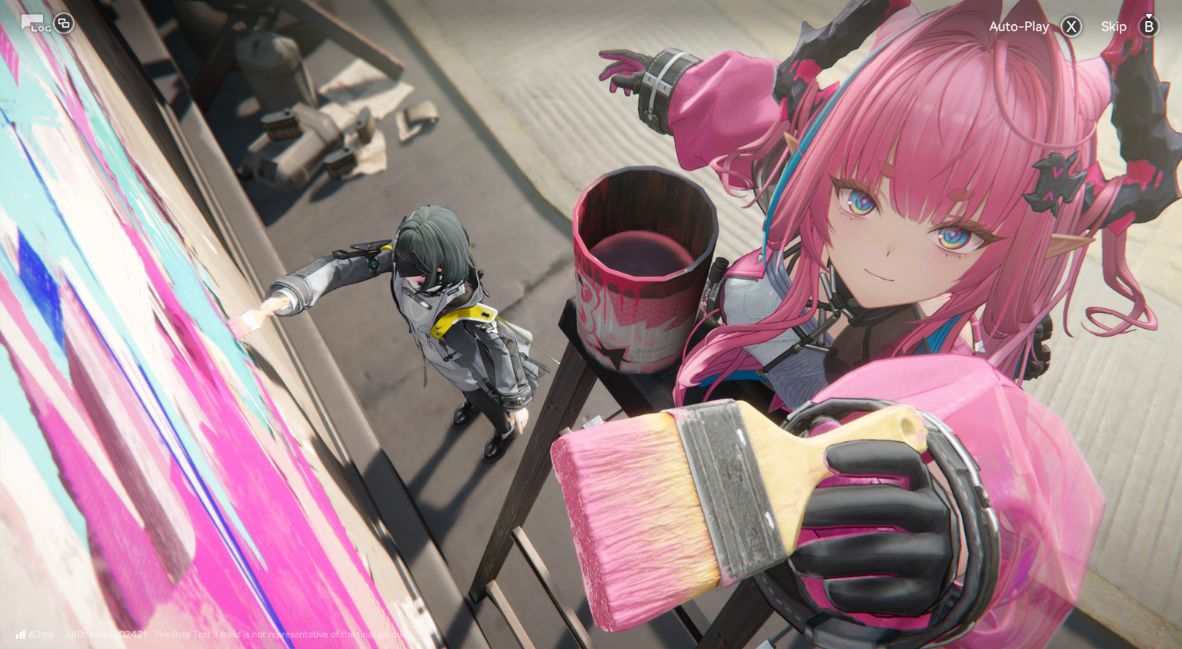
Ever since the 2017 launch of The Legend of Zelda: Breath of the Wild, most open-world adventure games of this style have incorporated two key exploration mechanics: climbing and gliding. These traversal mechanics make moving around worlds easier than without. However, there is a cost to these mechanics, one I didn’t appreciate until participating in the Arknights: Endfield Beta Test II.
As you explore Talos-II, you will find the world littered with collectables. Resources, chests, and other goodies are everywhere. But not all can be gained without effort. Due to the absence of the “climb everything” feature, an object on top of a stack of container crates in a junkyard must be earned. The player must move around, scouting out the appropriate path up to the top and their promised prize.
Now, don’t get me wrong, these moments are not overly challenging. But it’s been so long since I actually had to consider how to get “up there” that needing to explore a hillside or ruin to find the correct path feels novel. And honestly, fun. A small reward and a light pat on the back for solving a simple problem always feels good.
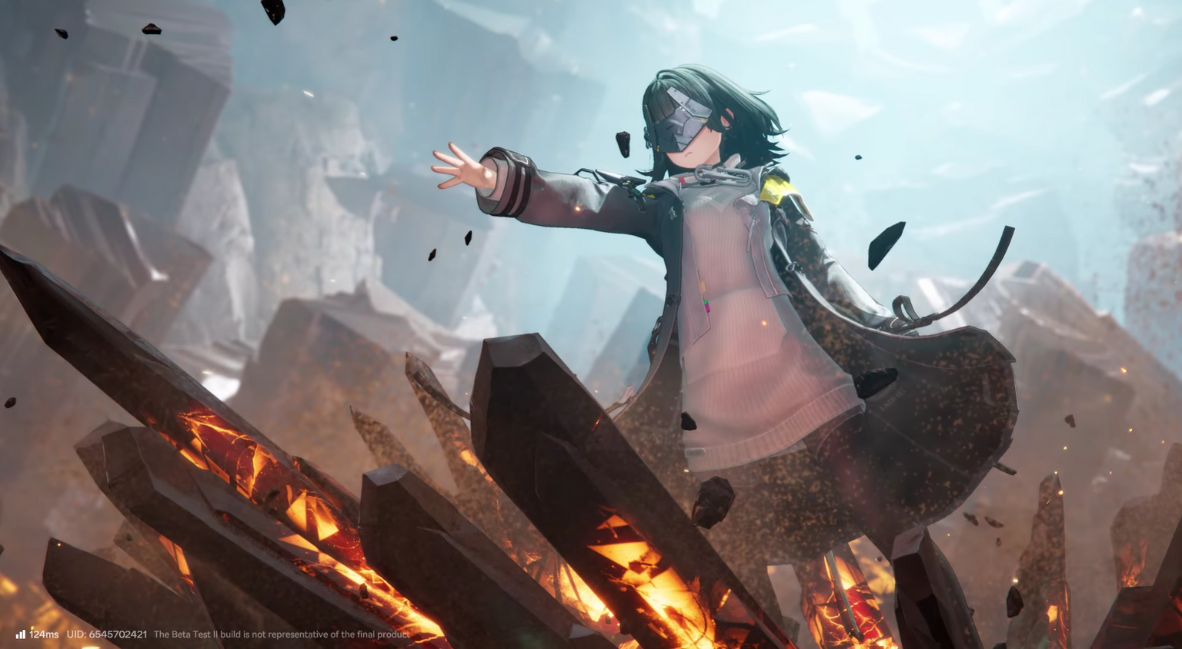
The final, flavorful touch that the Arknights: Endfield Beta Test II presents through its exploration is through the player’s party. When not in combat, party members call out when enemies are nearby, as well as chests or other notables.
They will also follow the player’s lead when gathering resources. If the player starts breaking ore for harvesting, the other party members quickly join in. If the contents of a recently opened chest sit on the ground too long, a party member will walk over and pick them up.
This participation makes the party feel more alive than most do. It also speeds up some of the more tedious moments in the game, allowing the player to get back to doing what they want.
The only downside to the level of personality the game breathes into the party is how frequently they use some lines of dialogue, or how many characters will speak up in a single moment. This goes double for end-of-combat lines, which often trample over each other, creating an obnoxious cacophony of affirmation and cheers.
While the denizens of Talos-II leave a lasting impression, and the world they live in is both beautiful and creative, both are constantly in peril, and that means it’s time to talk about combat. Arknights: Endfield Beta Test II introduced me to a robust combat system that feels like it has lots of depth, while also feeling approachable enough for more casual fans to enjoy.
Combat shines in the Arknights Endfield Beta Test II.
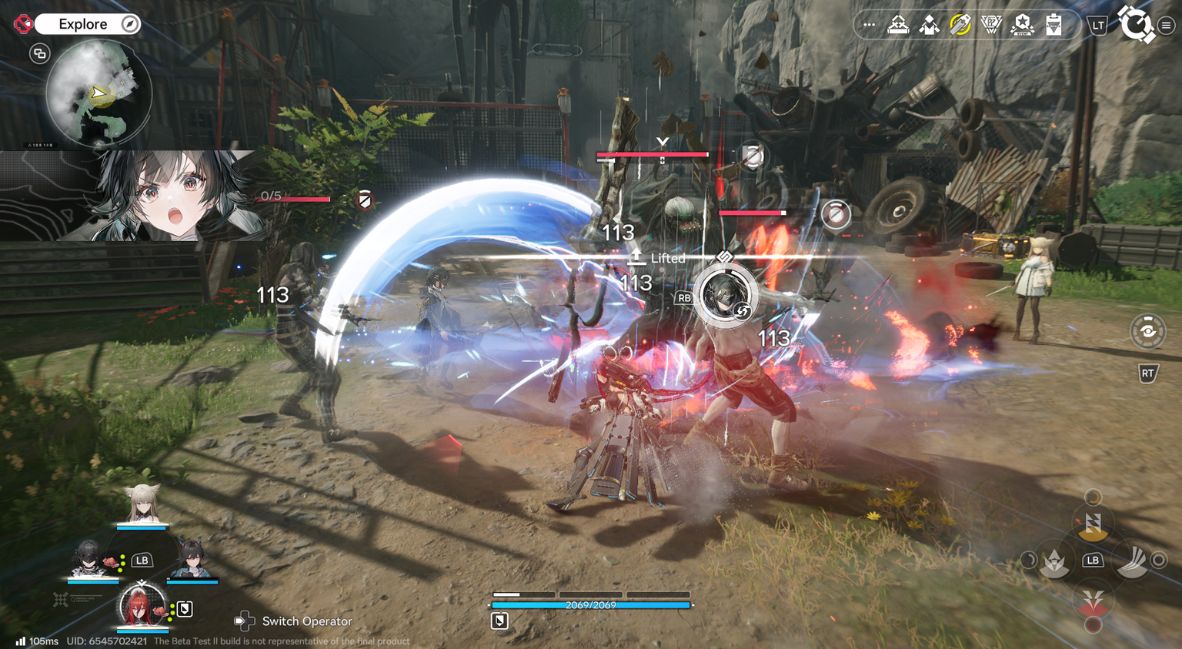
The first thing players will notice about their party of four heroes is that they are all on-screen together, with one controlled directly by the player. This control can be switched at the push of a button, so players can adjust who they have direct control of at a moment’s notice.
There is a wide array of elements that make up a character’s combat kit, starting with their basic attack. When activated consecutively, each character’s basic attack strings together a combo lasting four or five hits, with the final being a Final Strike. Final Strikes are a bit more powerful and can trigger other abilities or combat effects.
The second part of a character’s kit is their special attack. Fueled by a special gauge that can hold up to three charges, special attacks are powerful abilities that can do a significant amount of damage, apply numerous effects, and disrupt powerful attacks from enemies with proper timing. However, all members share a single gauge, so managing who spends it and when is a key component of combat.

The special attack can also, at times, become empowered. This state activates when certain conditions are met, often making an entirely new attack available. These moves further encourage careful attention to be paid in team building to optimize effectiveness fully.
The third element of a character’s kit is the combo attack. Combo attacks are abilities that only become available when certain conditions are met. Once triggered, they reset after a cooldown period, keeping certain abilities from being easily abused. They do not use any of the special gauges to activate.
The types of situations that trigger combos can vary wildly. Some are simple, like triggering off the player performing a Final Strike. Others require an opponent to be in a certain state, or some even trigger off the player being hit by an attack.
The final active element that each character has is their Ultimate Ability. These take moderately long to charge, but each charges on its own, so no worries about sharing availability with these. Also, like Special Attacks, these moves can interrupt some enemies’ attacks, making their implementation of vital importance.
Along with these active elements, passive abilities can be gained by unlocking effects on a character’s skill screen or from weapons and equipment, with weapons having the ability to have customizable bonuses called Essence attached to them as well, for even further customization.
With so many characters and combinations, combat feels endless, but players have control over it all.
Now, looking at all of the above undoubtedly feels like a lot. And it can be. However, as I said at the beginning, players have a fair degree of control over how deep they want to sink into the party designing side of the game. Like many live-service games, boss battles are not brutally hard here.
All the ones in the Arknights: Endfield Beta Test II required you to pay enough attention to dodge and disrupt attacks, and little more than that. Having a more powerful team that triggers Combos and empowers specials will get the job done faster, but it isn’t necessary. The hard challenges are left to optional boss encounters that players don’t need to engage with if their skills aren’t up to the challenge yet.
And if you are new to this style of strategy, the starting characters the game provides, The Endminister, Perlica, and Chen are all easy to handle, with mostly broad combo triggers that flow naturally from most allies. This makes a player’s first forays into team building pretty smooth. Then, as new characters unlock and powers get introduced, you can gradually work new combos of characters into your groups, until you are experimenting to your heart’s delight.
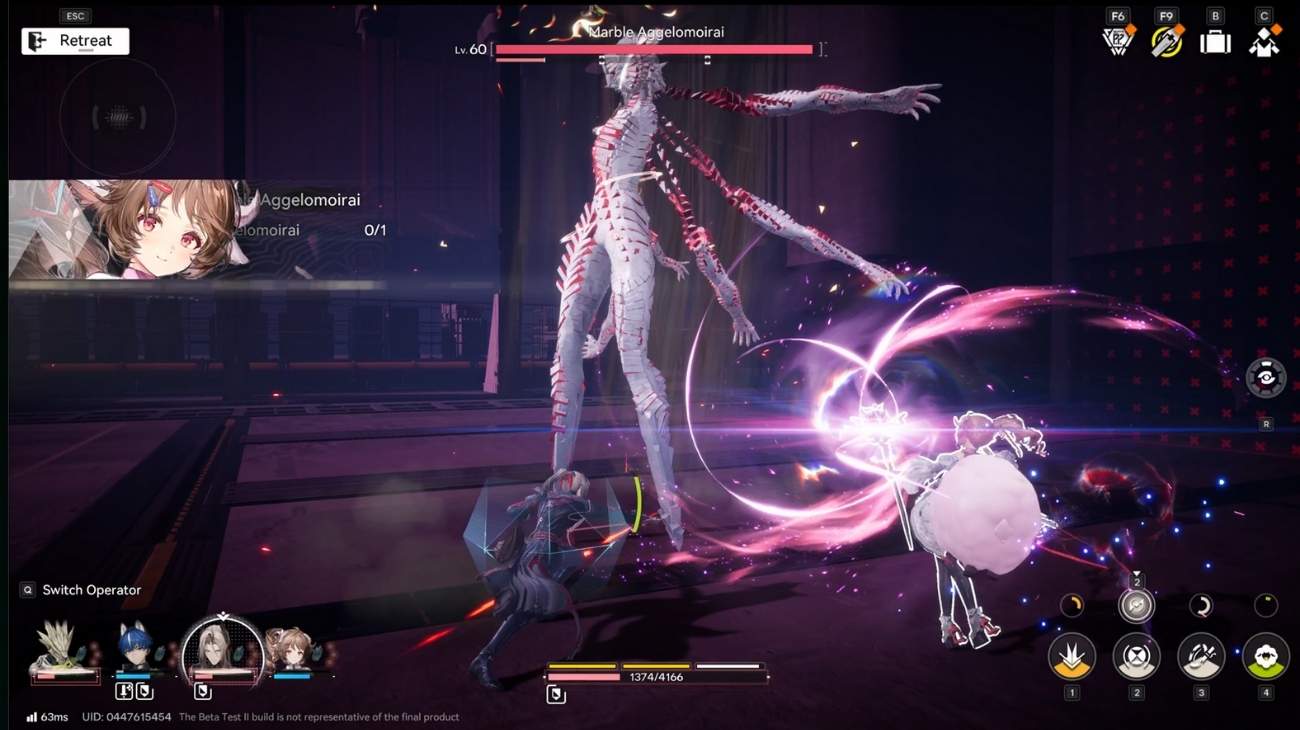
However, no amount of ease can fully overcome the fact that fights can get very hectic. With four party members and sometimes half a dozen enemies on screen, swinging swords, explosions, and bodies leaping or being thrown through the air can make things get a bit confused at times. Happily, the hardest challenges tend to be single foes, so these struggles are generally absent during the biggest fights.
To test players’ skills as well as their team compositions, there is a strong variety of enemies. From animals and monsters to humanoids armed with weapons, deliver a lot of different attack patterns to learn and threats to overcome in the various environments of Talos-II.
Helping players navigate the multitude of baddies they will encounter are strong visual cues that make identifying key moments in a fight easier. Many major enemy attacks are preceded by a shrinking red ring. This not only warns the player of major threats, but also serves as the window when an incoming attack can be disrupted by a special or ultimate attack. These visual cues help players fully utilize their team setups, making the most of their hard-planned strategies.
Leveling puts a focus on lateral and vertical growth for your character,
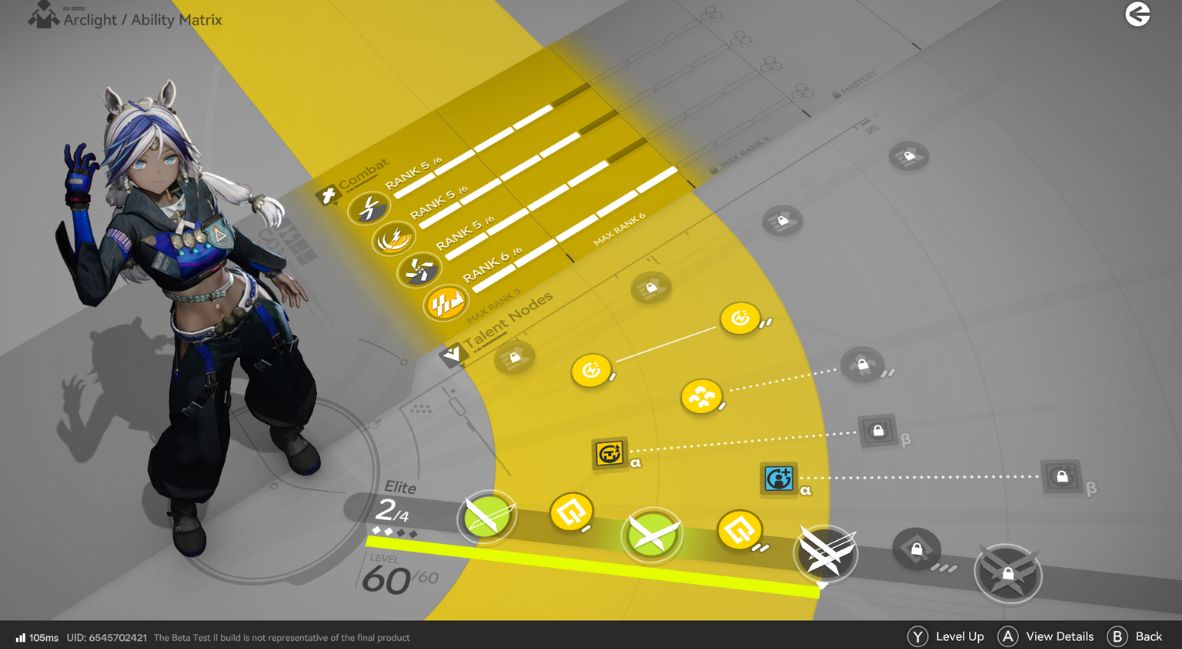
Behind every in-depth combat system lies a leveling system that empowers it. Unlocking abilities, stat buffs, and enhancements is always exciting and fun. Many meaningful decisions were there to be found in the Arknights: Endfield Beta Test II, but the means of unlocking them can be confusing at times.
There are a lot of materials in this game. Many things to be gathered, or earned in challenge battles, or acquired in a store screen. And while the game does spell out what each one does, many have names or iconography that can easily be confused with similar, but different items. This is especially true for character leveling.
There are no items that are used universally to level a character. All leveling in Arknights: Endfield is broken into stages. Each stage has its own version of each currency that players need to collect for characters in the appropriate stage of leveling. For example, a skill-upgrading element may work for skill levels one through three, but not for level four. Experience items also fall into the same problem.
This gets confusing as players acquire new characters, and challenges must be set manually to ensure the right rewards are obtained. I can easily see a player jump into a challenge, spend a bunch of their daily stamina to fight some repeatable battles for a resource, only to discover they got the wrong one, and have wasted a day’s stamina. Letting any character use any upgrade material of the type desired, just with varying potency depending on the difficulty level of the challenge, would make things so much simpler. And it’s how some other games already do it.
So what is Arknights Endfield’s gacha system all about?
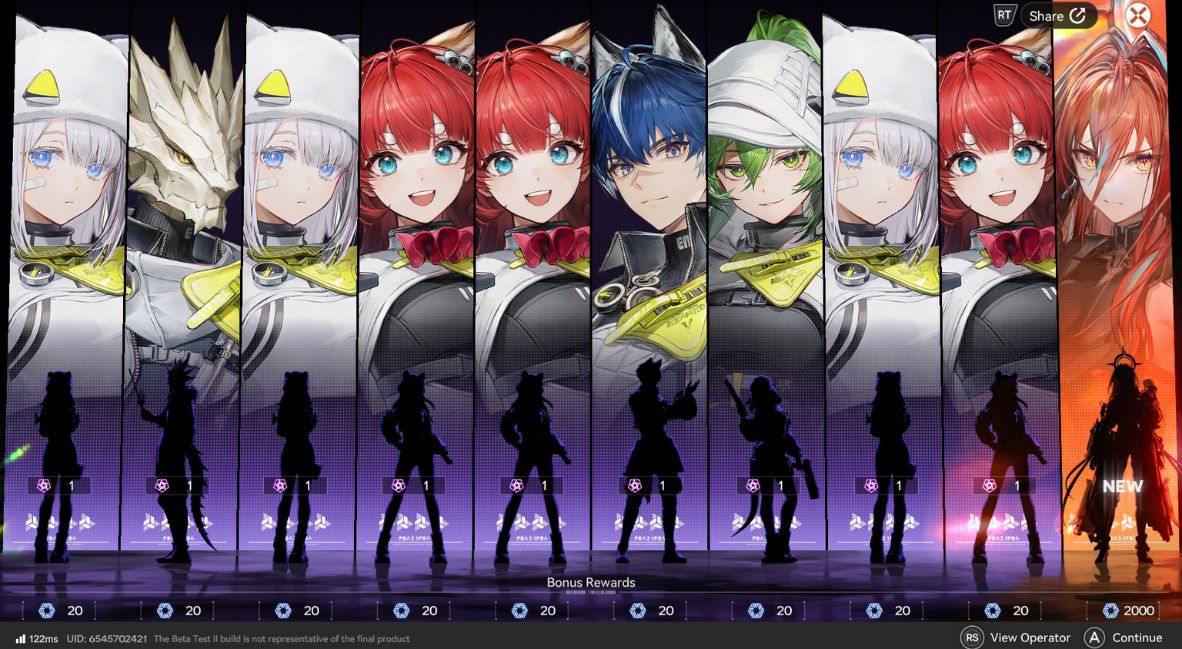
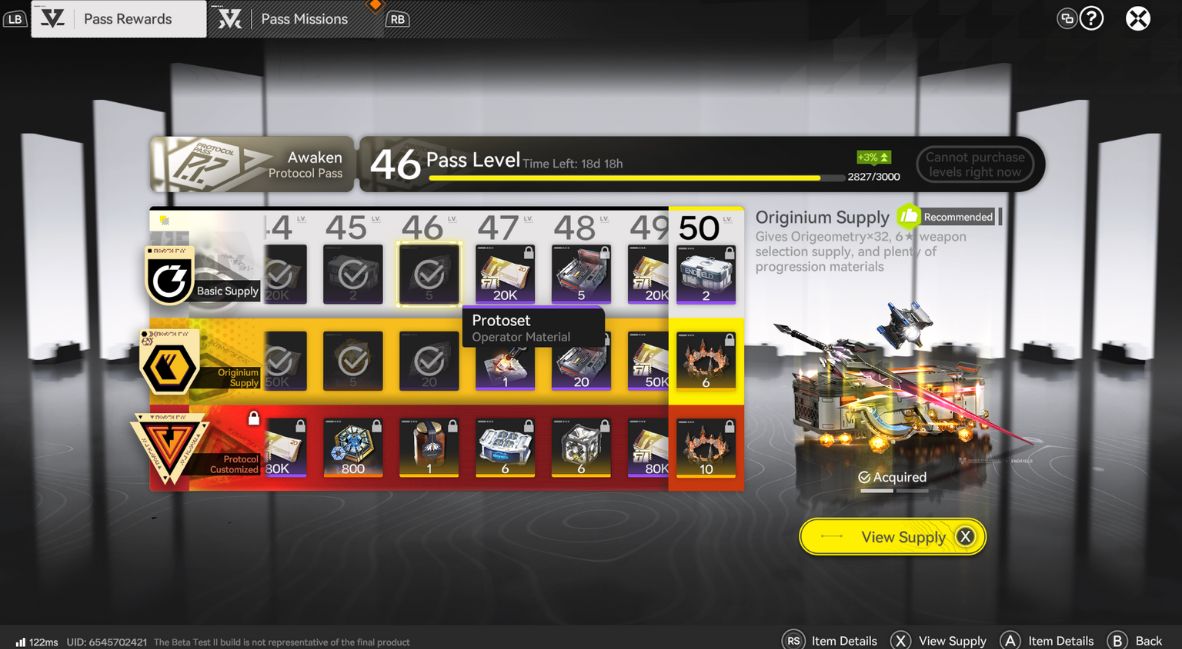
Now, we come to the elephant in the room: character acquisition. Characters in Arknights: Endfield are acquired via a gacha system. Much like loot boxes, gacha systems provide randomized results as players trade in-game currency for chances, commonly called “pulls,” to get new characters. This currency can be earned or bought, though currency is not purchasable in the Arknights: Endfield Beta Test II, so I can’t speak to how expensive buying pulls will be.
The first thing to note about the gacha system is that characters and weapons are completely separate systems. Every pull made for characters results in a character gained. Depending on the star rating of the character, four through six, an amount of different currencies is gained that can be spent on weapon pulls, directly purchasing weapons, or other items.
There are two options when making pulls, commonly referred to as “banners.” There are the limited-time “premium” banners and the standard banner. The standard banner cannot get you limited-time characters. For this reason, players generally shouldn’t spend hard-earned resources here. However, there are free pulls that are sometimes earned or gifted that work only here. That’s the only time a player should pull from it. Also, anything acquireable here can be gained in premium banners as well.
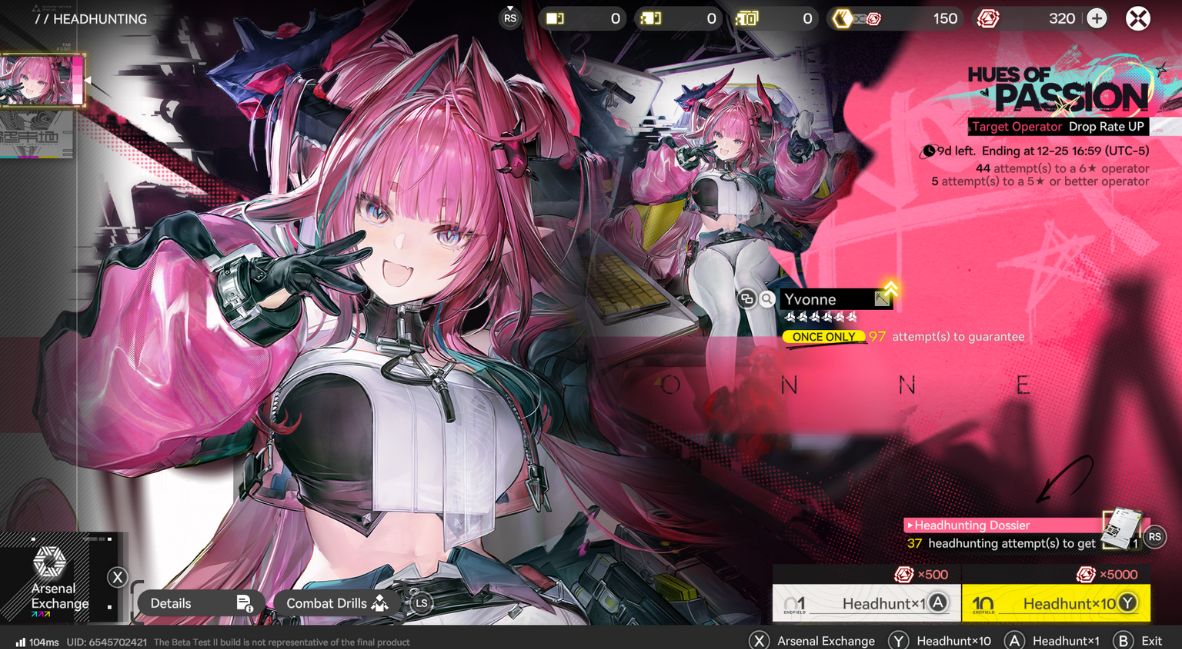
When pulling on a premium banner, the player has an .8 percent chance to pull a six-star character, with a fifty percent chance that it will be the highlighted character when a six-star is acquired. After sixty-five pulls, the rate goes up by five percent until the player reaches eighty.
At this point, the player is guaranteed a six-star character with the usual 50/50 chance that it will be the highlight character. If the highlight character isn’t gained after eighty pulls, it is guaranteed to be pulled by the 120th.
If a banner ends and the player hasn’t hit eighty pulls, these pulls, commonly known as “pity,” will carry over to the next banner. Pulls made after eighty do not carry over. When a player hits sixt-five pulls, they also receive a voucher that will let them get ten free pulls from the next premium banner. But only that banner. If not used, then they will expire.
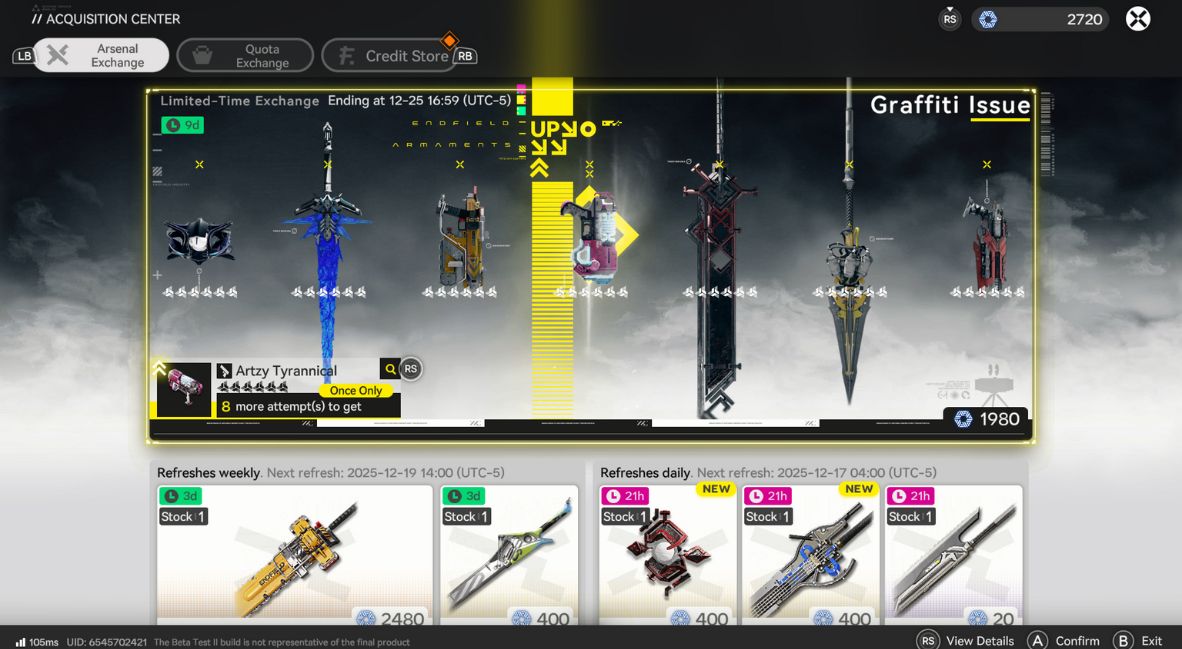
The final element of the premium banners is highlight character rotation. In most other gacha systems, once a highlight character’s banner is done, they are gone until the developers decide to run the banner again at a later date.
In Arknights: Endfield, highlighted characters remain available in the next two premium banners, just not at the increased rate. This gives more chances to get limited-time characters, and fewer chances to lose 50/50s to standard operators you can earn through the standard banner.
So, how does this stand up to other gacha systems? The only major complaint about it is that not all pity carries over. This creates a scenario where, if a player can’t guarantee they’ll reach the full 120, they have to ask themselves if it’s worth risking all the resources for the hope of getting the character they want or losing those spent resources for nothing. And that’s a gamble a free-to-play player rarely wants to make.
Premium characters sticking around through multiple banners give players more chances to grind for them.
On the other side, having premium characters stick around for multiple banners in a row is nice. And the guarantee of acquisition at 120 is significantly lower than the standard, which can go upwards of 160. Though some of those systems do let full pity carry over.
The other thing that makes this difficult to judge is how much it will cost to buy pulls. If the cost is fairly low, diving past the eighty mark, knowing you may need to only drop a twenty to get the rest of the way, may not feel too bad to some. Though the higher the cost goes, the fewer will want to take the risk.
Another factor that will impact the system is how much currency players will be able to expect from subsequent updates. New areas, story segments, and limited-time events all traditionally bring premium currency with them. How generous the developers are with these offerings could tip the scales of acceptability one way or the other.
As it stands, I’d say the system seems manageable. I’d like to see full pity carry, but with the added chances of pulling characters in later banners and fewer pulls needed for the guarantee, it might come out as even.
And those are my takeaways from the Arknights: Endfield Beta Test II. When all is said and done, Arknights: Endfield offers a ton of content. From its action and exploration to world-building and production simulation, it all feels purposeful and cohesive, even when it’s not enjoyable. While not every element lands for me, everything in the game’s mechanics, world, and narrative feels good together, creating a whole that is far more engaging than the sum of its parts.
Arknights: Endfield is currently scheduled for release on January 22, 2026.