
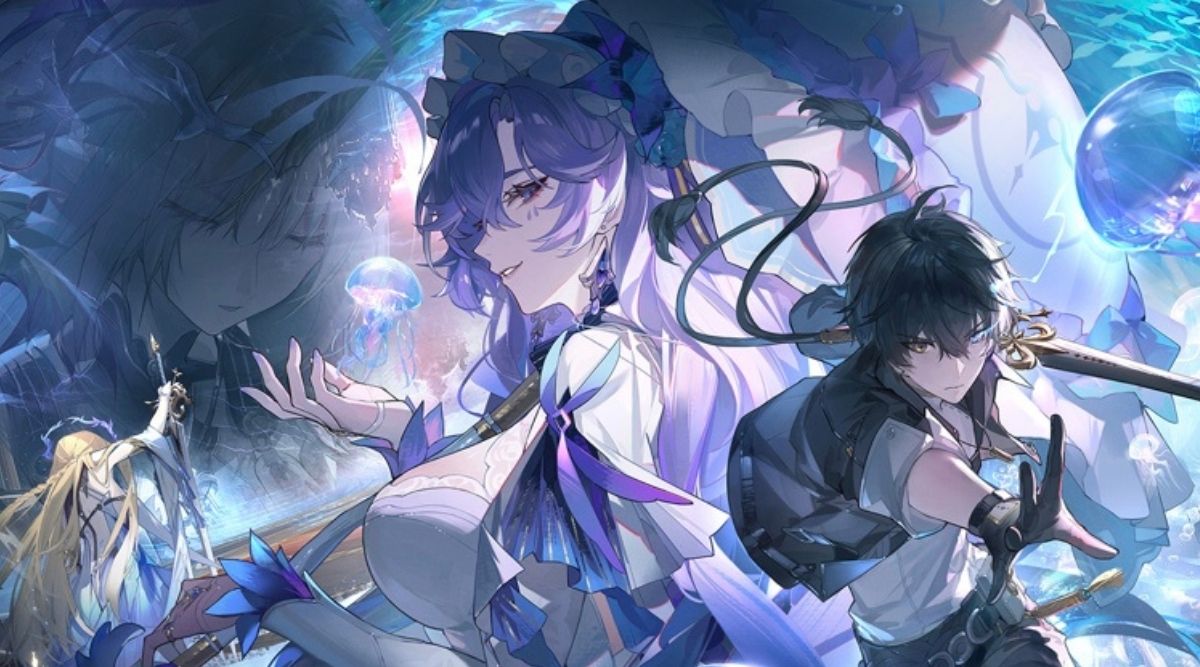
Wuthering Waves, the third-person open-world action adventure game from Kuro Games, recently wrapped up the Rinascita Arc of its story. Spanning 10 months and eight updates, it sent the main character, Rover, on an epic quest to thwart the villainous Threnodian, Leviathan. Along the way, the narrative introduces friends, allies, and massive confrontations. All the while, managing to weave story and gameplay together in ways I’ve never before experienced in an action game.
One of the biggest growing pains for gaming has been the clash between character/narrative and gameplay. There are many ways this disconnect can surface, but few can derail a narrative as much as boss battles. These key moments in gameplay almost universally prioritize gameplay, frequently with no regard to the elements the narrative has set up.
The relative strength of the participants and the presence of outside companions lend a theatrical sense of authenticity to battles. They also keep the emotions and tone of the story, leading into/coming out of the fight, which are often all put on hold to create a great boss fight. Wuthering Waves, however, has chosen a different path.
Wuthering Waves’ 2.2 patch delivered a hugely cinematic boss confrontation.
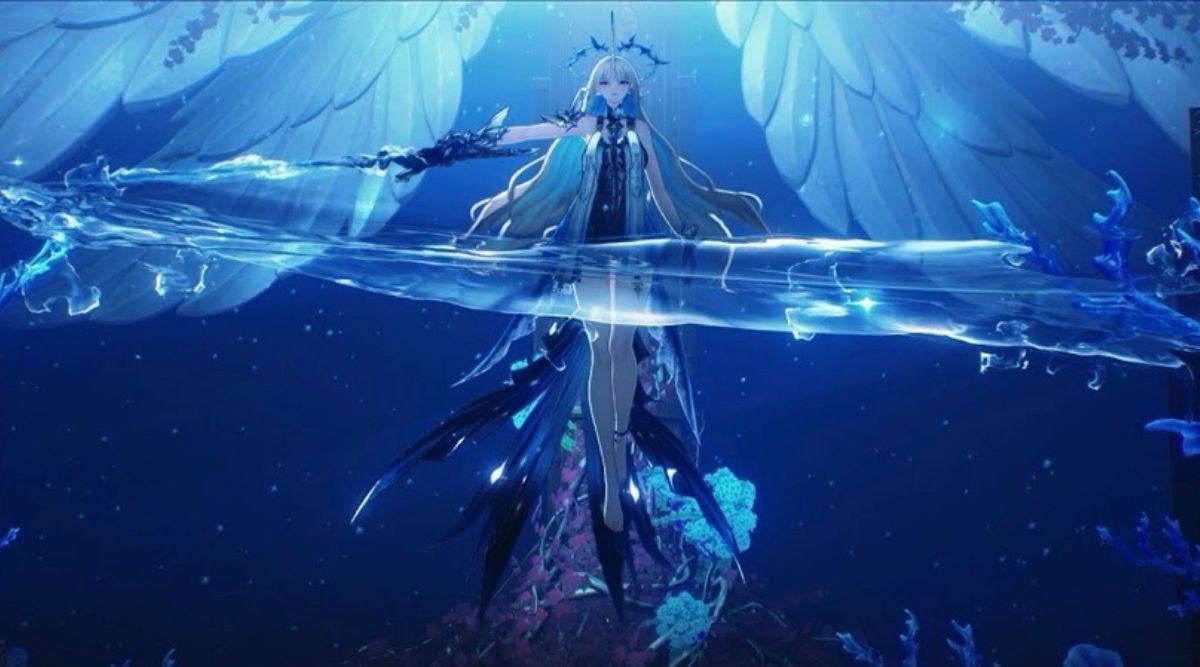
Rather than bending storytelling to the whims of game design, the developers at Kuro Games do the opposite. They frequently set aside difficulty and challenge to make boss fights that are stunning and memorable, not because of how well they test players’ skills, but because of how seamlessly boss fights flow with the surrounding story. Boss fights are intricate experiences that feel closer to the narratives that thrill them. While the game does this repeatedly, two examples in particular are noteworthy.
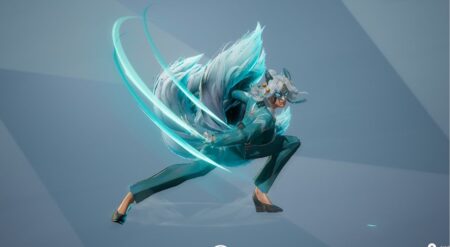
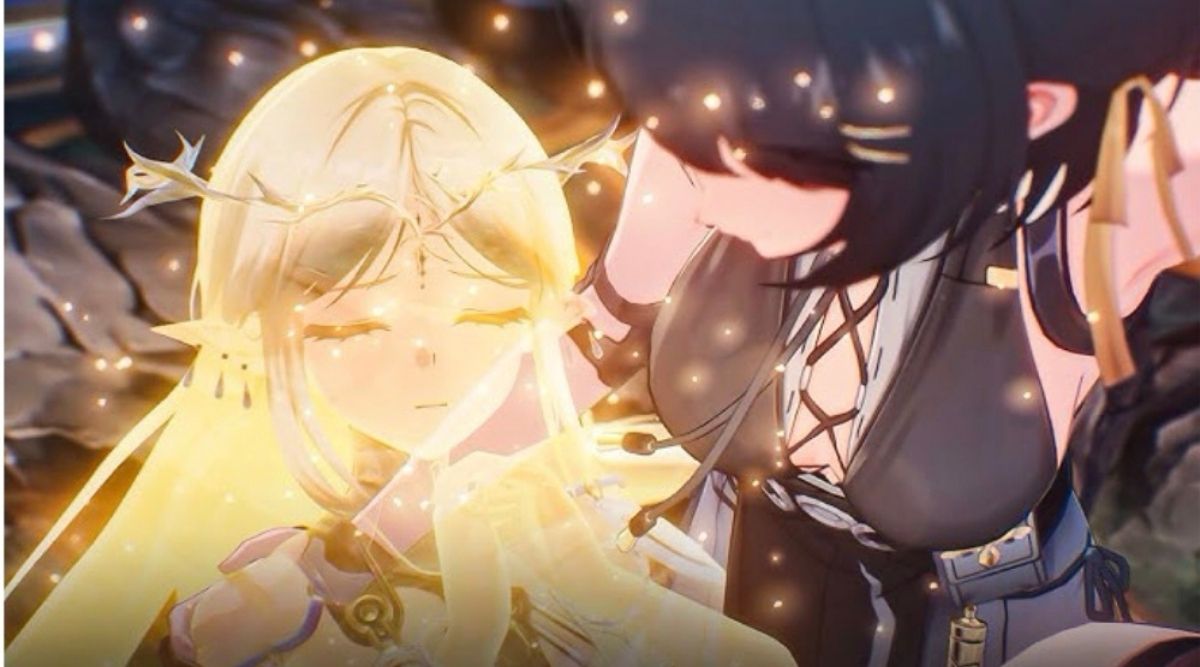
The first of these moments comes in Wuthering Waves‘ 2.2 patch, “Tangled Truth in Inverted Tower.” In the update’s climactic confrontation, Rover faces off against Fleurdelys. When they first cross swords, the hero is incapable of achieving victory. Sealed by their foe in a stasis bubble, all looks lost until the timely appearance of Cartethyia (Amanada Elizabeth Rischel, Diablo IV, also voices Fleurdelys), who rescues Rover at the cost of her own life.
As the ally slips away, dissolving into a pool of light, gifting the protagonist some of her power, and wishing for a future the two could find together, Rover finds new strength as they return to the fray. But, just as their initial encounter was a one-sided affair in Fluerdelys’ favor, this round is all Rover’s. The gameplay incorporates the shifting power dynamic perfectly into the fight, creating a cinematic joy to play.
The Fluerdelys fight makes you feel powerful without feeling cheap.
In the Wuthering Waves‘ story, Rover has access to three different sets of elemental powers. Normally, only one can be used during gameplay. However, due to the rage that now drives the hero, all three become accessible. Coupled with increases in how fast their ultimate abilities charge, the moment feels pitch-perfect for how the narrative would play out in any other medium. Just now, the player gets to be in the driver’s seat.
Further enhancing the effect of Rover’s new power level is how unrestrained Fluerdelys is. The character doesn’t suffer a drastic nerf now that the hero’s turn has come. All of her abilities are still intact. It’s just that now Rover’s increased power level grants them access to so much that if it’s even possible to lose the fight, the player would have to actively try to achieve that outcome.
The unique gameplay experience is further tied into the story thanks to the cutscene that follows. Kuro delivers a gorgeous cinematic that sees Rover swapping between their elemental traits as they drive Fluerdelys back. As the excellent visual design and cinematography play out to the same powerfully driven score as the boss fight, the player’s reaction is one of, “That’s what I was just doing!” rather than, “I wish Rover was that cool when I’m playing.” It’s a rare treat for any player.
Wuthering Waves’ 2.7 boss fight puts all 12 characters into the fight.

The second example of Wuthering Waves‘ commitment to focusing on their narrative in their boss battles doubles down on the concept, in the final update of the Rinascita Arc, update 2.7, “Dawn Breaks Over Dark Tides.” The last battle of the update delivers a finale that any fan would want to see, as it exemplifies not only the scope of the climactic confrontation but also includes the entire cast of characters.
As the stage is set for the final battle with Leviathan, Rover is joined by the 12 Rinascita characters who have joined their journey. As the boss fight begins, Rover, Cartethyia, and Galbrena (Devora Wilde, Clair Obscure: Expedition 33) are selected to be in the player’s party for the fight.
Veteran players would likely expect the other nine cast members to patiently wait by the sidelines, at most delivering a word of encouragement now and then. Rather than taking the predictable path, the game takes the fight to a whole new level, working in every character, even though it cuts the threat of the foe down to nothing.
As the battle begins, a special gauge appears under the party’s portraits on the right side of the screen. Once the gauge is filled, the player can activate it, summoning one of several prearranged groupings of characters to leap into the fray.
Eye-popping cinematics harness the essence of the one-vs-many moment.

These summons bring huge damage, shields, heals, and a ton of excitement. As rallying cries and taunts vie with the gorgeous soundtrack and sound design, the screen is filled with the visual effects that mark each character’s contribution to the fight. The chaos can be nearly overwhelming, but it feels like the only way to pay off a journey that spanned so many characters and moments, giving each their fair due.
All of the chaos only plays out as intended thanks to the game’s willingness to remove the difficulty from the moment. If there were a genuine threat to deal with, all the animations and energy effects would greatly hamper the experience. The ability to craft this incredible moment is only possible thanks to the choice to ignore the challenge of the fight.
Once again, the energy of the battle is expertly carried over to an eye-popping cinematic that harnesses the essence of the fight’s one-vs-many energy into a final visual treat. Every character gets their shot in as the Rinascita’s would-be divinity is finally dispatched.
By foregoing a challenge, Wuthering Waves’ boss fights amplify the story through dynamic gameplay.
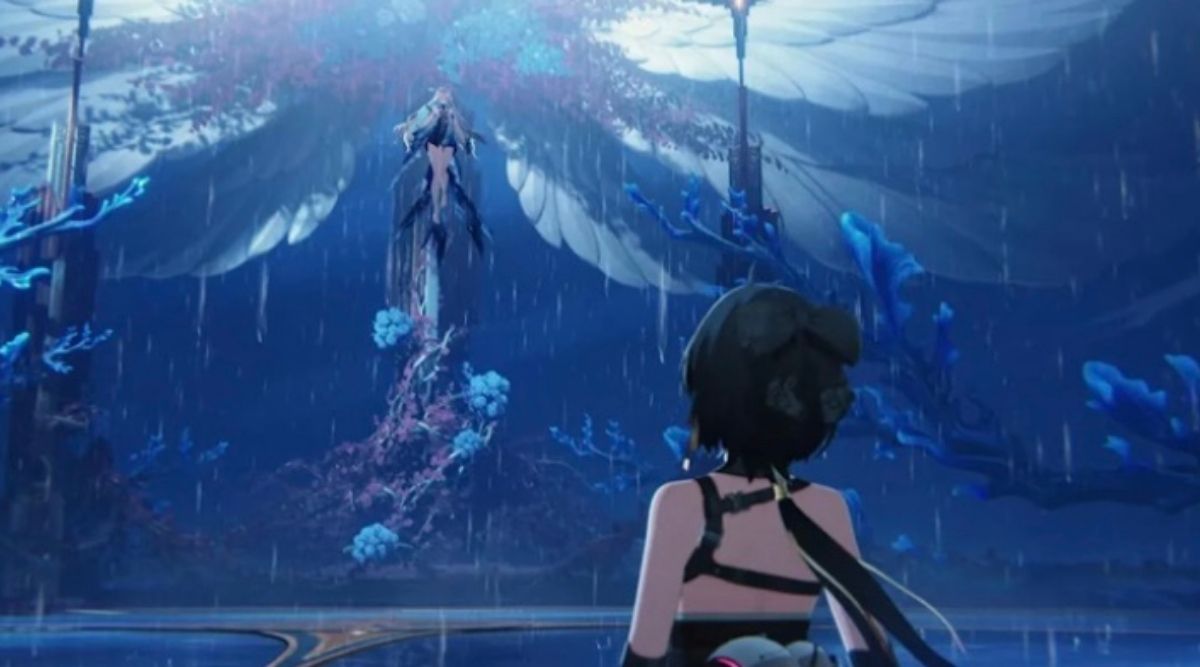
Over the years, we’ve been trained to primarily measure great boss battles by how much they challenge us. While these difficult fights bring a rewarding sense of accomplishment, they aren’t the only way to make boss battles memorable.
By foregoing a challenge to amplify story, characters, and tone, Wuthering Waves delivers incredible battles that deliver hype, engagement, and memorable moments. Ones that I’m looking forward to enjoying for hopefully many years to come.
Wuthering Waves is available on PC, PlayStation, and mobile devices.