
The second act of even the best musicals is so often less memorable, more sincere, and less outright fun than the first act. So it is with Wicked For Good, the Jon M. Chu-directed Act 2 of the Stephen Schwartz musical. The movie is dually burdened: not only as the second act of a show whose first curtain was one year ago, but also as its own, independent feature film.
The movie does no harm, but it feels like it’s chasing a trend rather than setting one, like Wicked (2024) did. Repeated jokes or props appear suddenly as if they had been part of the story all along, while references to the first movie feel like middling attempts to recapture the magic of the first go around. But, like anyone looking back on their glory days in school, the movie has to move on to be truly successful.
As a result, it’s impossible not to wonder how much more impactful the emotional, drawn-out second half may have been had the full story been told all at once in a single movie, the way the musical was originally intended to be seen. The first hour or more of Wicked For Good is made up mostly of reprisals from the first movie’s soundtrack.
The return to Oz is welcome, even if it’s not as magical this time around.
It feels awkward listening to slightly different, slightly less exciting versions of the same melodies chopped up and mixed together with little other new material in between. Especially when the score regularly throws in nods to motifs from Wicked (2024). But when it does, they feel like Easter eggs, rather than good score writing. It’s a constant reminder of better, more thrilling songs and scenes.
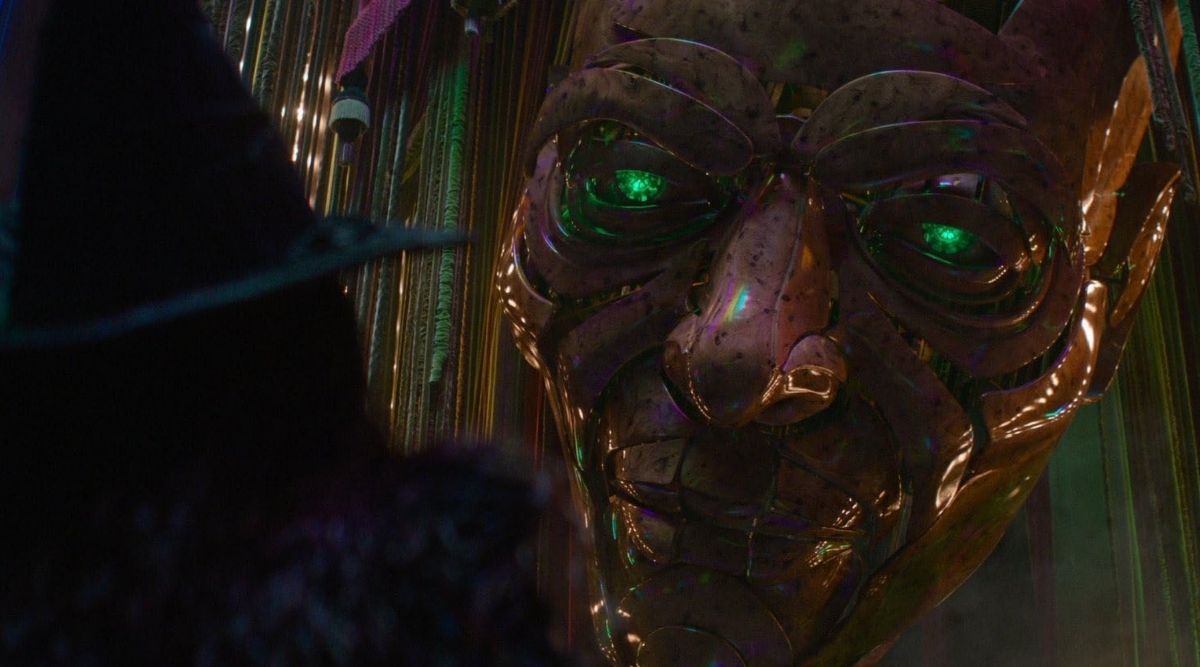
The return to Oz is welcome. The world seems brighter than the intentionally darkened and muddied CGI world of the first movie. It’s a welcome change, and surprising, considering the tone of Wicked For Good is markedly more severe. That said, the sets and set pieces are less impressive on the whole.
So much of this movie takes place in a few neat but unremarkable rooms, compared to the sprawling landscapes of the first movie. However, there are a few sets that stand out, namely Elphaba’s (Cynthia Erivo) hideaway and Fiyero’s (Jonathan Bailey) castle. Unfortunately, the movie overall feels as though the set budget was blown on the first half.
The new, original songs are pretty good fits.

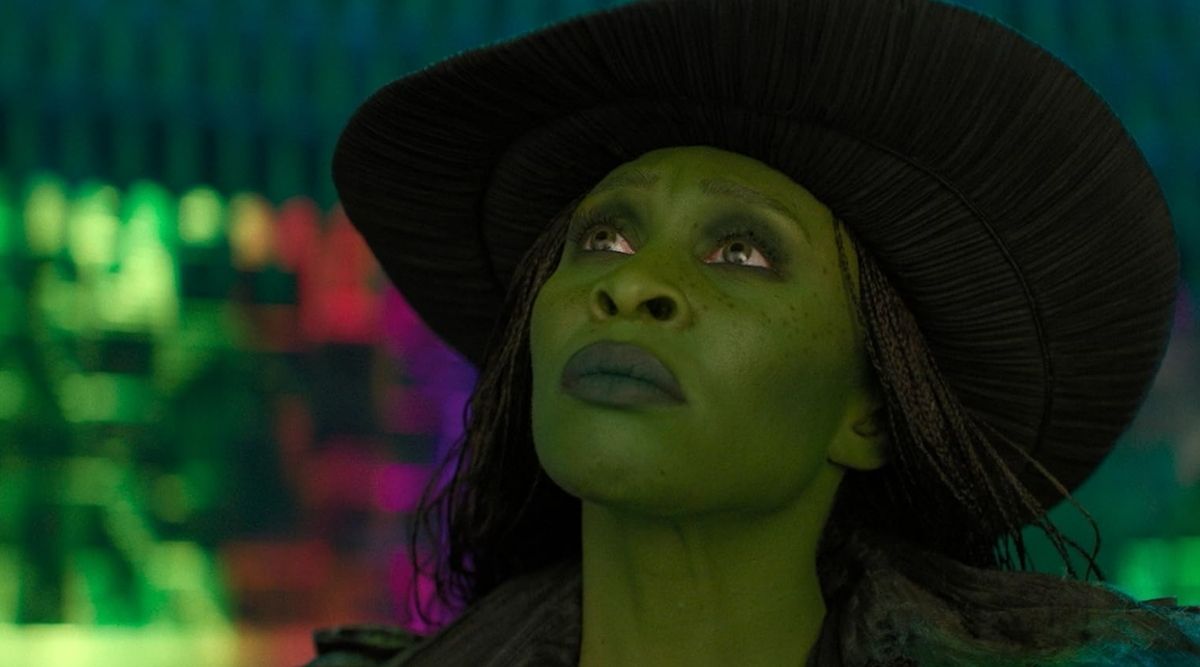
The same goes for the acting. Overall, it’s more of an issue with the material than the actors. There just isn’t nearly as much for most of them to do this time around. “No Good Deed” is a highlight for Erivo’s singing and acting.
It is also the most visually exciting musical scene in the movie. Marissa Bode’s performance of “The Wicked Witch of the East” is also a surprise highlight. Her character, Nessarose, like her scene partner Boq (Ethan Slater), has much less screentime in Wicked For Good, but they both make the most of what they have.
Ariana Grande, on the other hand, is hit or miss. Her bubblegum aesthetic and attitude only carry her so far in the scenes meant to bear the biggest emotional burdens. Her big solo song, written new for the film, “The Girl in the Bubble,” especially falls short. The song is strong and will work very well on a soundtrack, but the performance is flat. It does, at least, serve the movie’s themes well, helping develop Glinda’s growth as a character.
Where the uninitiated could easily hear “The Girl in the Bubble” and never guess that it was not part of the original Broadway show, the other original song, “No Place Like Home,” doesn’t fly quite as high. Again, the song works quite well thematically, and the added scene really helps highlight the political fight at the heart of Wicked For Good in a way that Wicked (2024) didn’t fully realize. However, the song is a bit overwritten. It’s more on the nose with its lyrics than the original songs and stands out slightly from the crowd.
Not everything fits in neatly, but Wicked For Good does build a spectacular world.
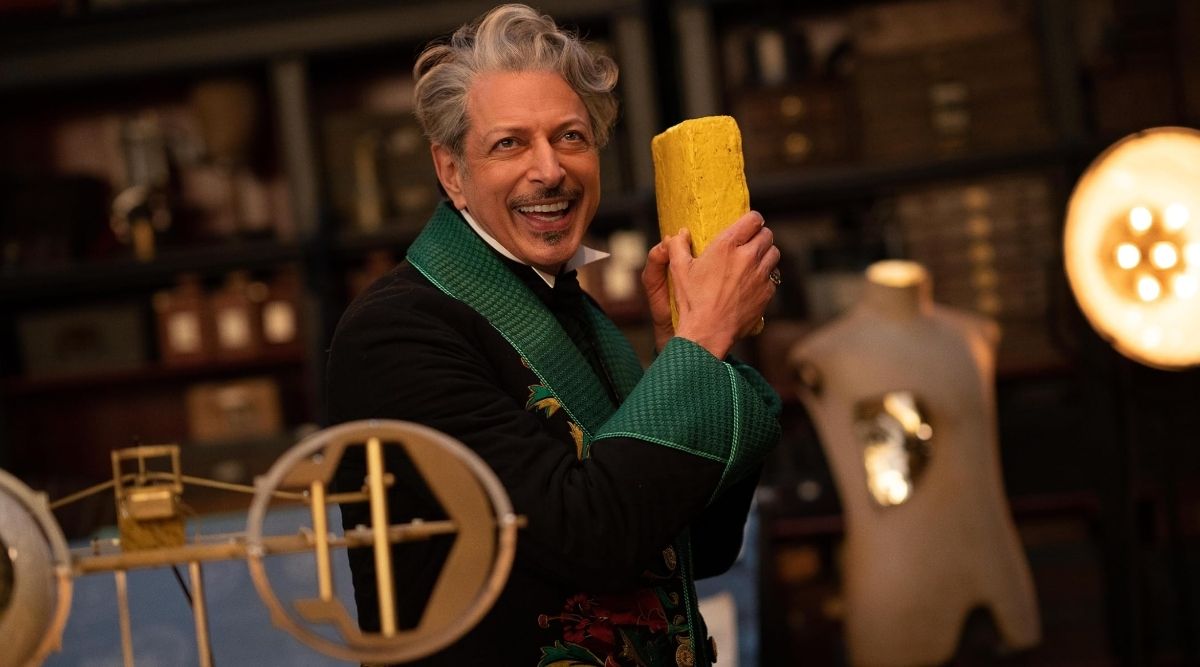
The biggest sore thumb, though, is Michelle Yeoh as Madame Morrible. She is simply miscast. There is no menace in this character. Rather, she’s reduced in Wicked For Good to an aggravating presence who exists in the shadow of The Wizard (Jeff Goldblum), whose bumbling feels better suited to Goldblum, at least.
Visually, the most exemplary aspect of Wicked For Good is the animals. Every single one looks excellent. The blend of practical and digital assets in this movie creates a fantastical look to the world that rarely works in other movies. Accordingly, the animals look completely natural in the context of the rest of the movie.
One of the most emotionally resonant moments in the whole film comes from an animal. It’s much more impactful than many of the moments where Glinda and Elphaba stare at each other longingly while the camera circles around them. While not everything fits in nicely, Wicked For Good does build a spectacular world nonetheless.
Wicked: For Good does much better at representing its politics.

The emphasis put on the fight for the animals’ rights is strong and mostly accomplished. It would have been helpful if the movie had lampshaded more of the extended consequences of Oz’s rising fascism.
Fortunately, Wicked For Good doesn’t feel like a bald facsimile of real-life politics, like it so easily—and cheaply—could have been. It has a set of morals and outcomes that reflect an optimistic yet realistic point of view; easy for young people to understand, but not overly simplistic.
While Wicked For Good struggles to feel like a complete movie or an emotionally resonant second act to a two-act story, it is still solid entertainment. It’s a visual and sonic spectacle of the highest order. Those who adored the first movie will enjoy the follow-up, while those who did not will likely enjoy Wicked For Good even less. It does not strike nearly the same magic as Wicked (2024) did, but it is perfectly sufficient.
Wicked: For God is in theaters everywhere.
Wicked: For Good
-
Rating - 6.5/106.5/10
TL;DR
Wicked: For Good does not strike nearly the same magic as Wicked (2024) did, but it is perfectly sufficient.