
The Running Man (1987) is hands down one of my favorite Arnold Schwarzenegger movies. It has camp, action, and despite a message about mindless entertainment and how it’s used to control people to fit a government message, it’s really funny. Now, Glen Powell is stepping into Arnold’s jumpsuit and adapting the story to one closer to Stephen King’s original work that inspired it.
Directed and written by Edgar Wright (with Michael Bacall also writing on the film), this is the latest Stephen King adaptation. But, if you go into The Running Man (2025) expecting to see Ben Richards as you know him already, you’re going to be disappointed. Wright’s film modernizes the 1987 film, while keeping some key visuals that we know from it (iconic jazzercise-dressed dancers included, of course).
Additionally, the message is less about the evils of the government and the use of violence to suppress dissent, and how the reality competition shows embody that. Instead, The Running Man (2025) is more focused on corporate greed that sells propaganda to widen the gap between the top and the bottom of the class ladder, and the ways in which good deeds under capitalism are punished. Oh, and that no matter what year it is, healthcare sucks.
The Running Man (2025) isn’t replacing Arnold’s take on Ben Richards, but it’s still a good time.
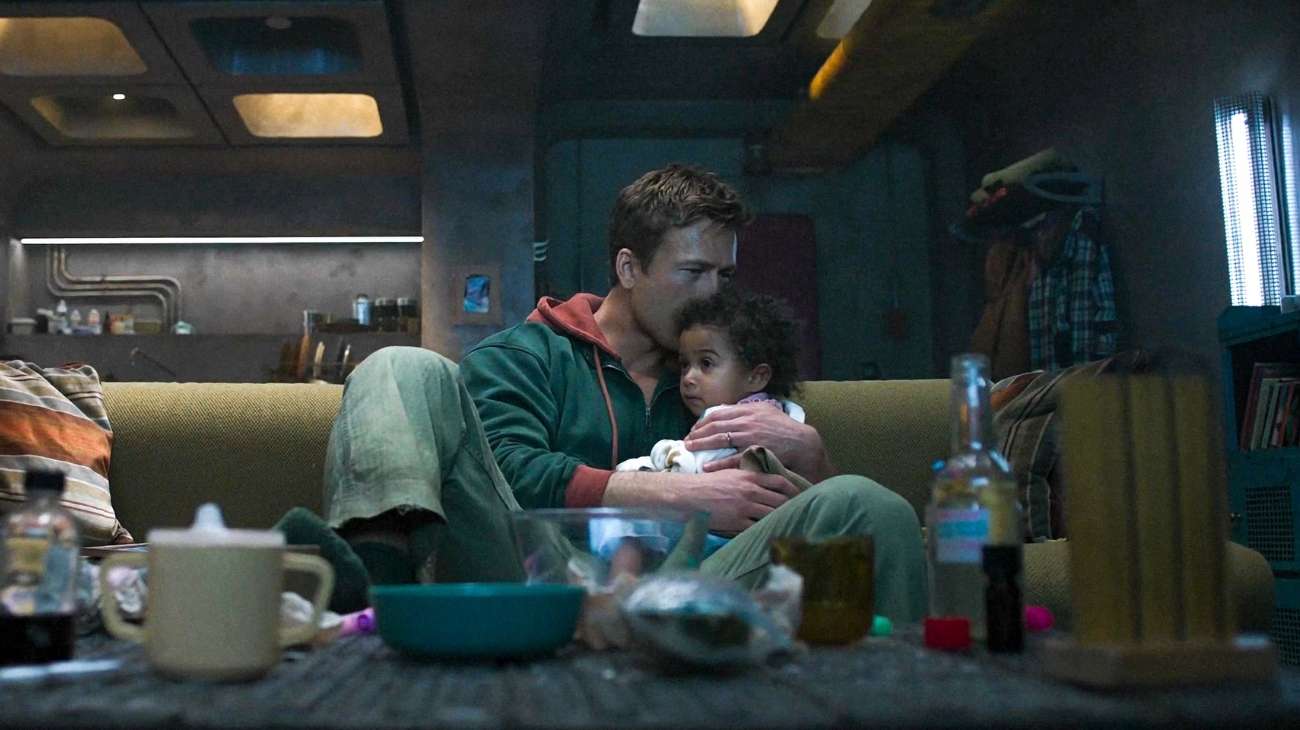
In The Running Man (2025), contestants, known as Runners, must survive 30 days while being hunted by professional assassins, with every move broadcast to a bloodthirsty public and each day bringing a greater cash reward. And now, a reluctant Ben Richards (Glen Powell) is competing.
Desperate to save his sick daughter, Richards heads to the Network to make some quick money from one of its reality TV series. His daughter has the flu, and without the New Dollars to even buy real fever reducers, and with his wife already overworking herself, Richards decides reality TV is the way to go. The choice is easy for him; he watches the shows already, and his manual labor jobs have already put him in ample amounts of danger daily, so anything the Network throws at him feels like nothing.
But his goal isn’t to be a part of The Running Man; he has a family to get back to, and running from five hunters and the bloodthirsty public isn’t how he gets to see them again. Only, Ben Richards is filled with a rage that makes him perfect for television, and the ruthless producer, Dan Killian (Josh Brolin), sees that right away.
Edgar Wright’s take on the future shows that no matter how far in the future we go, healthcare sucks.
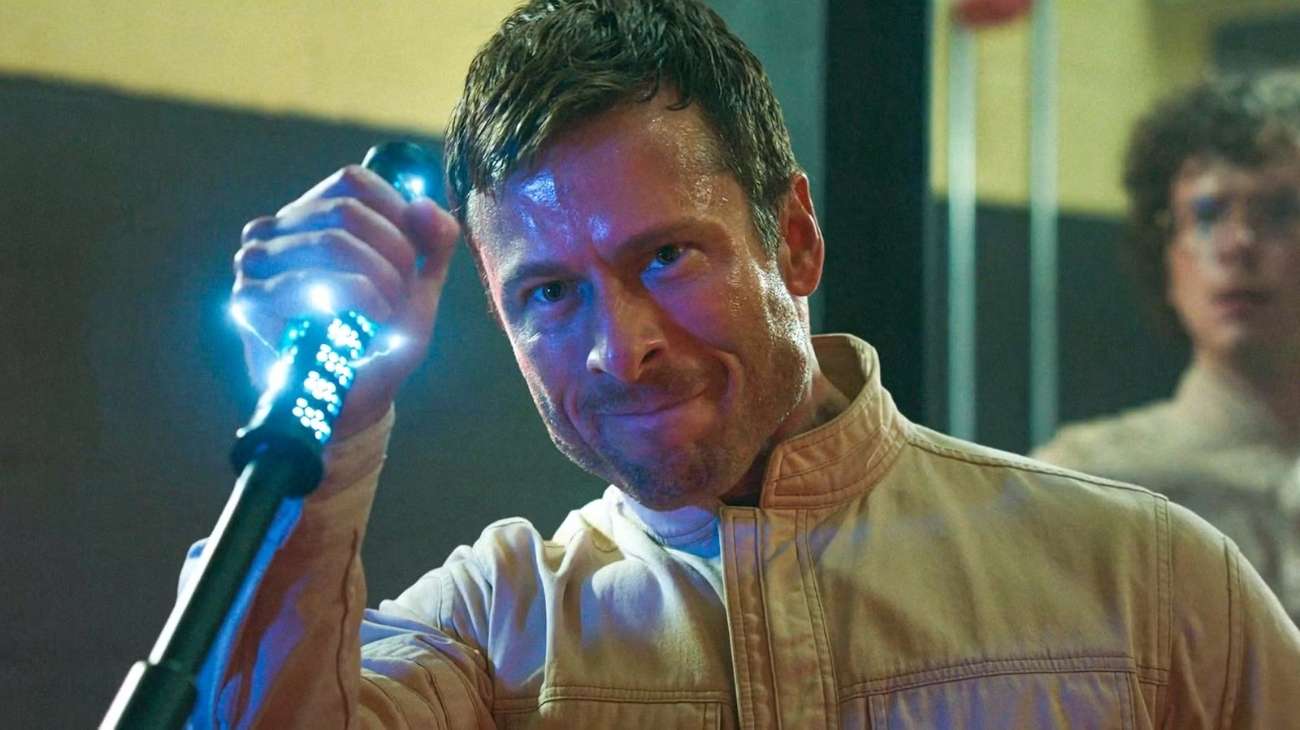
Forced into his last resort, Richards signs the contract with its assurances of daily money drops and protection for his family; his last resort seems like the only choice. But Ben’s defiance, rage, instincts, and grit turn him into an unexpected fan favorite, and to Killian’s shock, the parts of him that make him a ratings star are what make him a threat to the entire system. As ratings skyrocket, so does the danger, and Richards must outwit not just the Hunters, but a nation addicted to watching him fall.
Now, if that sounds familiar (and notably different from Arnold’s role), you’re right. Sticking closer to King’s original work puts the film in line with films we’ve already seen, such as 2022’s Jake Johnson independent film, Self Reliance, or even the recent lottery-based Jackpot! from Prime Video.
Putting your life on the line to make money when you really need it is a concept that we continue to come back to, and at this specific time of economic chaos that we’re living through, makes The Running Man (2025) all the more relevant.
With a bit of a mean streak to its humor, The Running Man (2025) resonates because almost 40 years after the original film, we are still here. We are still poor, still struggling to eat, to find assurances that we can live instead of just survive.
The film’s messaging is distilled into conversations between characters.

The switch to King’s original story makes the film vastly different from Arnold’s take. The selflessness is still there; Ben Richards is blacklisted from working because he put his co-worker’s safety over the Network’s money. He still cares about people, but he is burning the system down because of his daughter and his wife.
As Ben Richards meets new allies (and antagonists), Wright pinpoints different people in the United States. You have the bloodthirsty who will just as soon kill Richards themselves than report him to the Network, so that Hunters can close in; they’re shown with the stereotypes you often associate with poor white rural areas. Then you have the people who report because that’s just what you do.
And finally, you have the people who help the Runner, thanks to their ability to see past the bread and circuses and the violence of the police state they’re living in, whether it’s because of their belief in conspiracy theories (which are correct) or personal experience with state violence executed by the Network.

Finally, you have Amelia (Emilia Jones), who plays probably the most important role in The Running Man (2025). When her car is hijacked, Richards gives her the chance to speak her piece. She responds with all of the lies that the Network broadcast. That Ben Richards is brutally killing people and enjoying it, that his wife is a bad mother, and that his daughter is unloved.
You can see how much the information she was fed has kept her from identifying with anything Richards has done, having previously stated that the show itself is for “the poor.” She is out of touch, but Richards doesn’t let her off the hook.
Additionally, the performances of Colman Domingo‘s Bobby Thompson, Michael Cera‘s Elton, and Lee Pace as the lead Hunter, Evan McCone, and his very dumb weapons named Fate and Destiny, all define the film and make up for many of its misses throughout its runtime. The charisma that Domingo and Pace bring to their roles balances out the slimy Josh Brolin as Killian, who plays the Exec just right.
The Running Man (2025) has a primary focus: class.
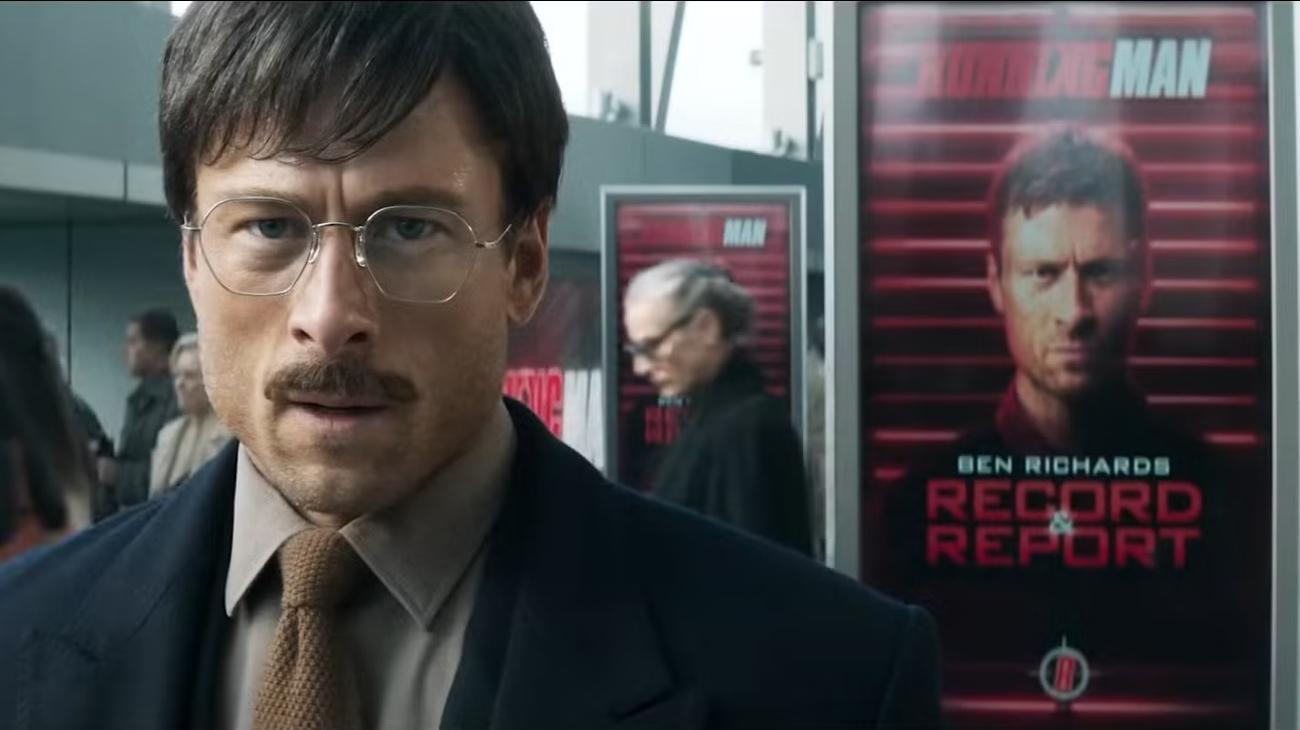
Richards shows her how the Network is in control and how he isn’t any of the things that were shown in prime time. It’s one of the most salient exchanges in a film filled to the brim with large action set pieces. This electric self-driving vehicle packs more punch than any of the dangerous settings we’ve seen Richards in previously. For the most part, The Running Man’s attempt at class solidarity works as “Richards Lives” begins to pick up steam.
However, like many sci-fi action films, the set pieces end up overwhelming the message in the end. The biggest issue that The Running Man has is its ending. Entirely chaotic, it feels like it was constructed by Hollywood to let the audience leave happy.
But, as with any Stephen King ending, the power is in the bleakness and the lesson learned. Here, well, it feels empty. Too prim, too perfect, too much just desserts for a movie that has just spent two hours showing the audience how in control the powers that be are.
Sure, in the end, we are seeing audience members with signs that read “kill the execs,” but we don’t see anything more. Add in the YouTube Network debunker (Daniel Ezra) and his conspiracy act that was funny the first time and awkward in the end, and it all feels like too many ingredients to make anything great.
Glen Powell is what keeps The Running Man (2025) afloat, even with its disjointed third act.
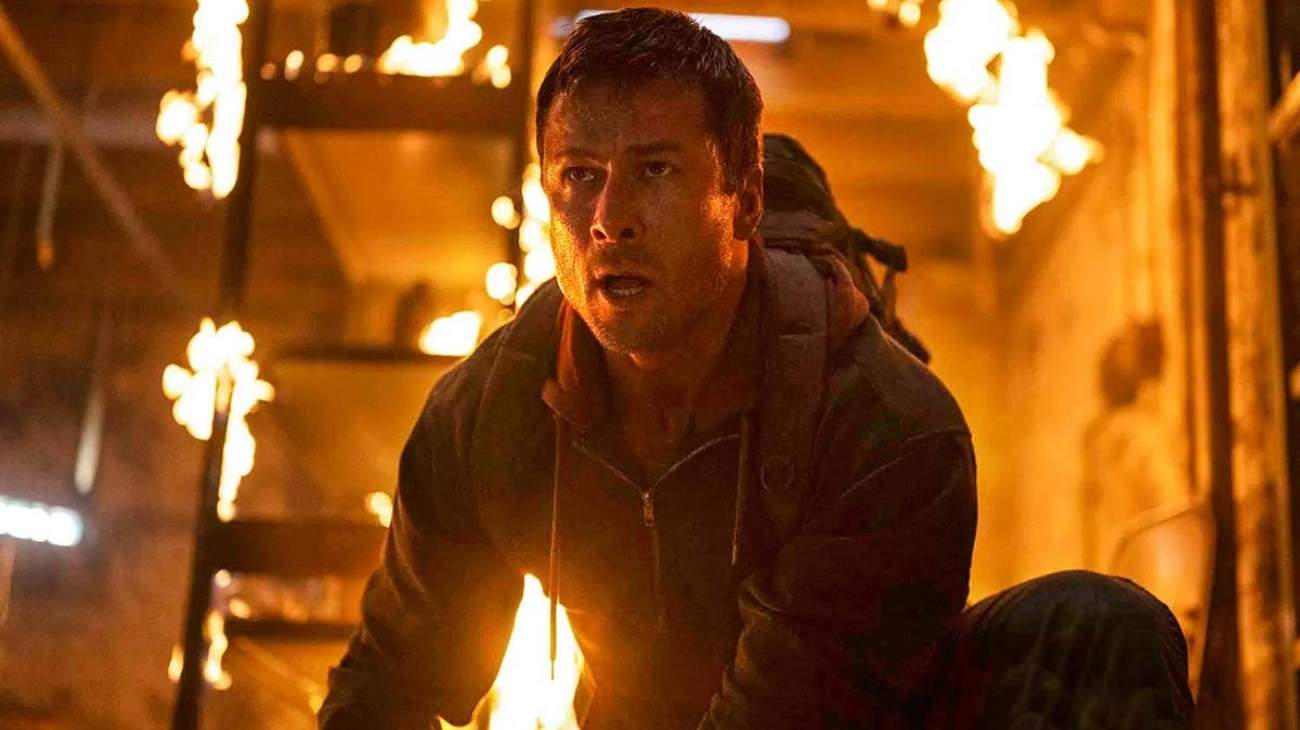
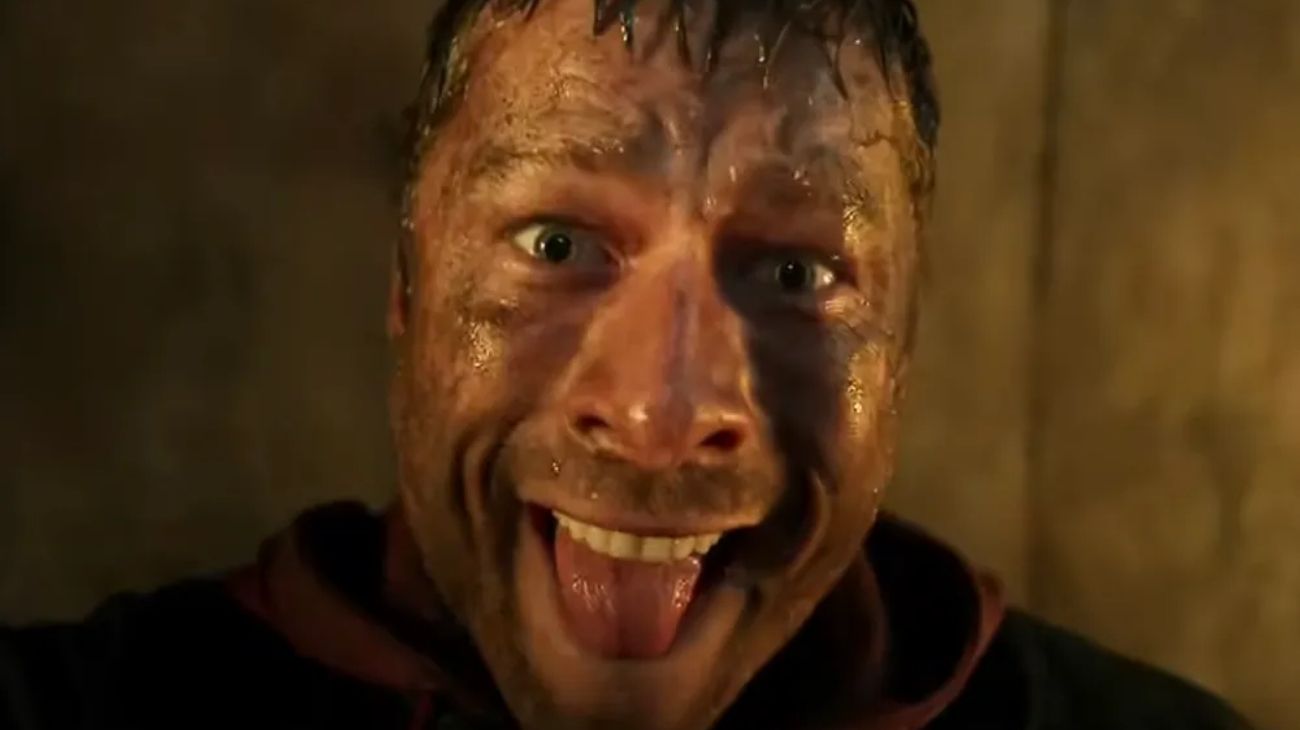
Ultimately, though, the reason The Running Man (2025) is worth seeing is its leading man, Glen Powell. The angriest we’ve seen him, Powell’s Ben Richards is not only consumed by rage due to his situation, but he’s also driven by a purpose. More morally gray than Arnold’s take on the character, Powell’s take on anger is made even more compelling because of the charisma he exudes on screen. If a messy ending is the worst of the film, Powell is the best.
While the incessant shoehorning of Stephen King Easter Eggs (a problem also plaguing IT: Welcome to Derry) keeps my eyes rolling, and an unwieldy third act, The Running Man (2025) is incredibly far from perfect. But a dystopian sci-fi with Glen Powell’s dad rage is hard to put in the bin.
This take on The Running Man won’t dethrone Arnold’s film in the pop culture consciousness. Still, Glen Powell’s dad action-winning streak continues even with a messy ending. It’s fun with a bucket of popcorn, hits a theme that will resonate, and gives audiences a good time. The Running Man (2025) is a reminder of the kind of action film that we don’t get in cinemas anymore, and while it isn’t perfect, Glen Powell once again bringing dad action back is a good thing. And I mean, who doesn’t want to watch Glen Powell in disguises again?
The Running Man is playing in theaters nationwide on November 14, 2925.
The Running Man (2025)
-
Rating - 7/107/10
TL;DR
This take on The Running Man won’t dethrone Arnold’s film in the pop culture consciousness. Still, Glen Powell’s dad action-winning streak continues even with a messy ending. It’s fun with a bucket of popcorn, hits a theme that will resonate, and gives audiences a good time.