
Uncanny X-Men Issue 26 is published by Marvel Comics and written by Gail Simone, art by Luciano Vecchio, colors by Matthew Wilson, and letters by Clayton Cowles.
In a restless night filled with bad dreams, the Outliers go missing.
Uncanny X-Men Issue 26 is fractured, like the chapters of Simone’s run often are. There are those venturing out of Haven House and those within. The comic begins with Rogue and Gambit taking a stroll through New Orleans, before a mugging draws some darkness out of the night. That darkness seems to flow into the house. The night is quiet, but the dreams the children have are making them stir.
Nightcrawler and Jubilee are in charge of watching the kids. Still, they are drawn into their own storyline that begins to connect to a character before they even appear in Uncanny X-Men Issue 26. This scene is warm, loving, and necessary considering how distressing the rest of the comic gets.
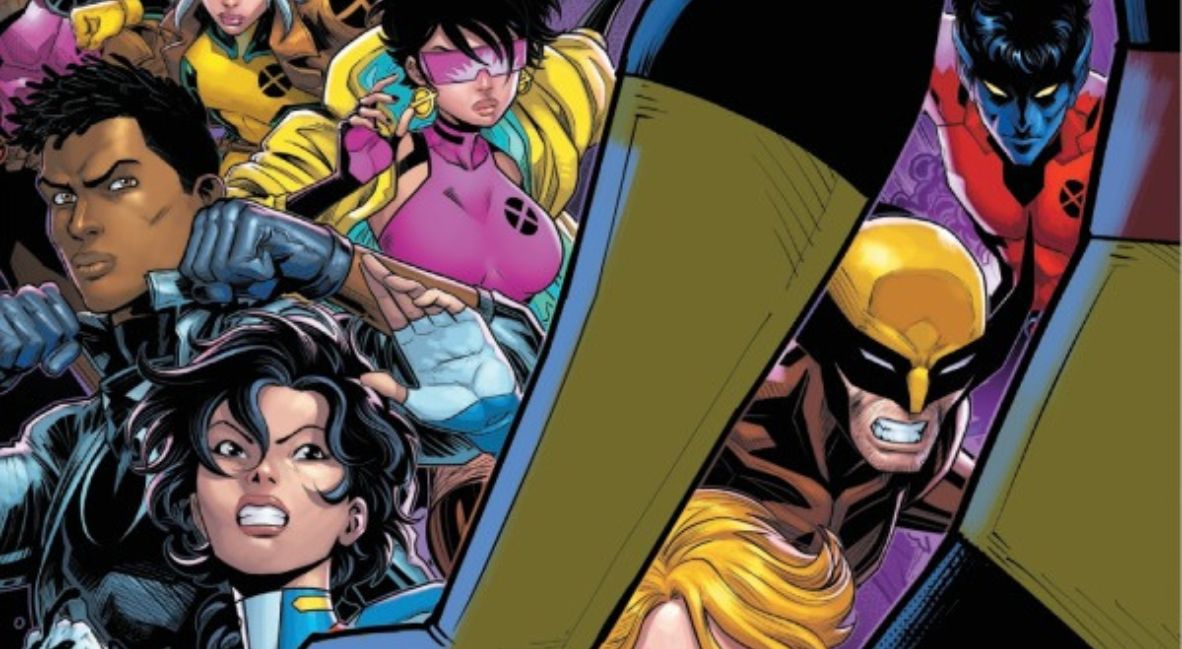
Then comes a montage of dreams, revealing what still goes through the minds of the younger X-Men. This isn’t the only montage in Uncanny X-Men Issue 26; another occurs when the children go missing. They look like rescue attempts, featuring a selection of guest stars, but the reality is far from that.
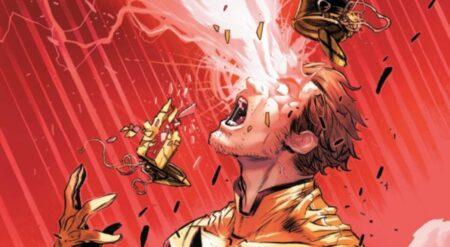
The issue’s final moment is a huge surprise, rewriting the home the Outliers live in and having a recurring villain join the group. It’s a fantastic reference and reveal, linking back to an almost idealistic perception of who the X-Men should be.
The dialogue and character work in Uncanny X-Men Issue 26 are close to perfect. The casual conversations are so warm and full of personality. Rogue and Gambit are talking about children and parenthood. Nightcrawler has the first chance to talk with Mackenzie after Mutina held a blade to her throat; they’re filled with love, care, and tenderness. Each of the children’s dreams reveals small but crucial pieces of their history, moments of guilt or trauma that still haunt them.
The four members of the group have grown enormously, become braver, and been strengthened by each other. But they still have so much healing to do, recovering from their broken childhoods. In fairness, the older members of the X-Men are the same, but further along down the road of recovery. Rogue, Gambit, Nightcrawler, and Jubilee have all experienced the same kind of isolating, dark moments as their young mentees have, which is why it’s so rewarding to see them experience moments of healing themselves.
The art is spectacular. This is a calm comic, with equal emphasis on moments of action as on conversation. But both the fight scenes and the quieter moments are all built on staying true to the characters. Each Outlier gets their own page, where half is a full-length shot of them sleeping, whilst the other side of the page is their dream, and each mutant says so much about their lives and comfort level. Deathdream sleeps flat on his back, with his arms folded like a corpse in a coffin. Calico looks terrified, holding a cuddly toy.
Similarly, Kurt kneeling and kissing Mackenzie’s hands is the perfect example of everything he stands for and the heart of the man. But at the same time, Gambit flying into action and flinging his playing cards and Rogue picking a mugger up by the throat are very much part of who they are, too. There’s more than one way to build a personality. The final page beautifully redesigns the youngest mutants in a classic X-Men style, and Vecchio crafts each costume with care.
The colors are terrifically vibrant, which can be especially important in X-Men comics. The shades aren’t overbearing, but recognizing that bright colors are so integral to the costumes and designs of the mutants. From the yellow of Jubilee’s coat, Nightcrawler’s blue fur, to even the white and blue of Ransom‘s Argentinian football shirt.
But there are also times when the Tones get darker, in the forests, parks, and within the slumberous Haven House. These lighting changes are great for establishing both time and atmosphere. The lettering is great for the most part, but some captions are difficult to read due to their purple color.
Uncanny X-Men Issue 26 is a brilliant transition issue. It’s the start of a new arc, and the tired, sleepy tone of this chapter allows the story to be introduced slowly. There isn’t a violent beginning; instead, a superb selection of transitions that delve deeper into dreams. But the boundaries between dreams and reality are being blurred, based on a villain’s desire for revenge. Each little piece of dialogue within this series adds life to the characters, making the chapters feel fulfilling.
Uncanny X-Men Issue 26 is available where comics are sold.
Uncanny X-Men Issue 26
TL;DR
Uncanny X-Men Issue 26 is a brilliant transition issue. It’s the start of a new arc, and the tired, sleepy tone of this chapter allows the story to be introduced slowly.