Yakuza Kiwami 3 & Dark Ties, the newest RGG Studios remake in their long-running series, always had a high hill to climb. The original Yakuza 3 launched back in 2009, an odd duck in the lineage as it focused less on the Yakuza overall, and more on the battle for Morning Glory, an orphanage that Kiryu is running. The dark horse of the franchise has always been divisive: some really love the focus on the kids Kiryu is helping raise, while others miss the more grandiose storytelling the series is generally known for.
The remake seems as divisive as the original for a host of reasons, with plot changes and awful casting choices keeping some away entirely. Kiwami 3 isn’t exactly a faithful remake, but it does entirely nail one thing: Morning Glory. The orphanage has been entirely expanded, basically treated as a side mini-game in and of itself. This expansion feels like what the series has always been: a bright bit of acceptance and warmth in a sea of chaos.
Kiryu and Haruka, his adopted daughter, kick things off in Kiwami 3 with a move to Okinawa. Kiryu is ready to leave the yakuza life behind after the events of Kiwami 2. He learns about Morning Glory, a small orphanage in the south with ties to the orphanage he grew up in. Kiryu wants a better life for Haruka than the one he had growing up, so they move with hopes for a brighter future not only for themselves but also for the many kids who call Morning Glory home.
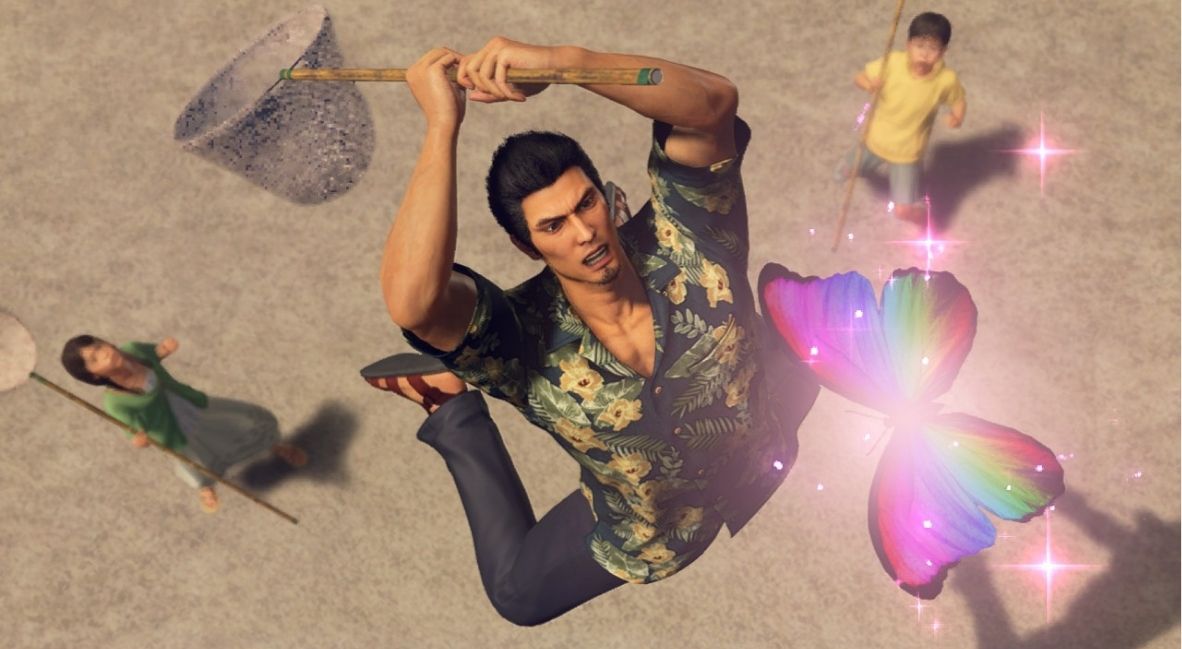
Yakuza Kiwami 3 turns the Morning Glory orphanage into a whole mini-game of its own.
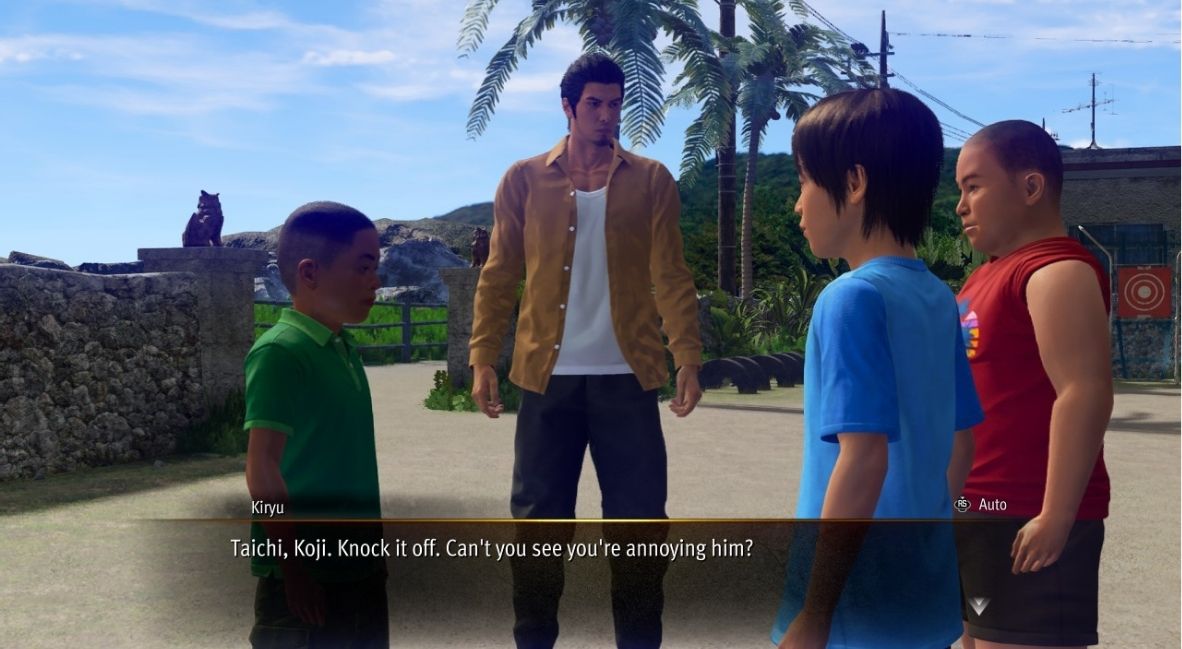
In the original, Morning Glory was more of a central plot motivation than something the player had much agency in. There were substories and some moments with the kids themselves, but more than that, the focus was on the battle for the land on which the orphanage was built. Yakuza Kiwami 3 takes a number of recent systems and mini-games and revamps Morning Glory entirely, something closer to Dondoko Island from Like a Dragon: Infinite Wealth.
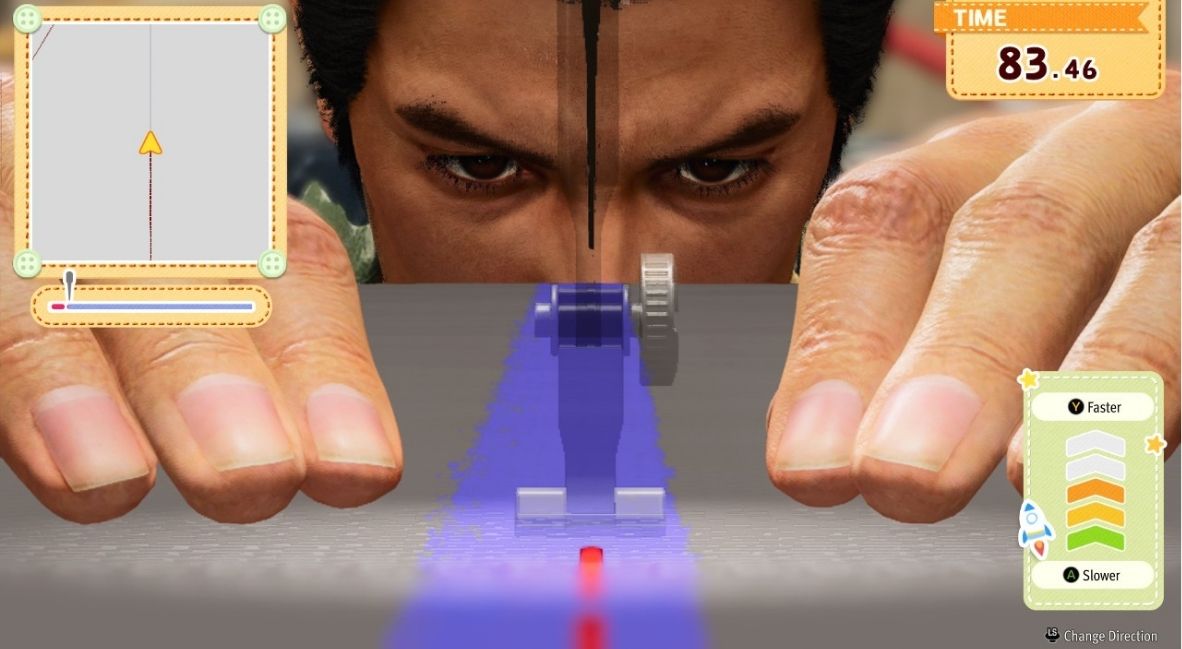
Now, Kiryu can cook, fish, help with homework, and plenty more in an effort to become more ingrained in the blossoming family dynamics. All the mini-games are fun in their own right, with the homework being clearly built on the Vocational Schools in the last few entries, but they work. The sewing mini-game is a favorite – basically a racing game, as you throttle speed around tight corners in an effort to make the best possible bag you could make for your kids.
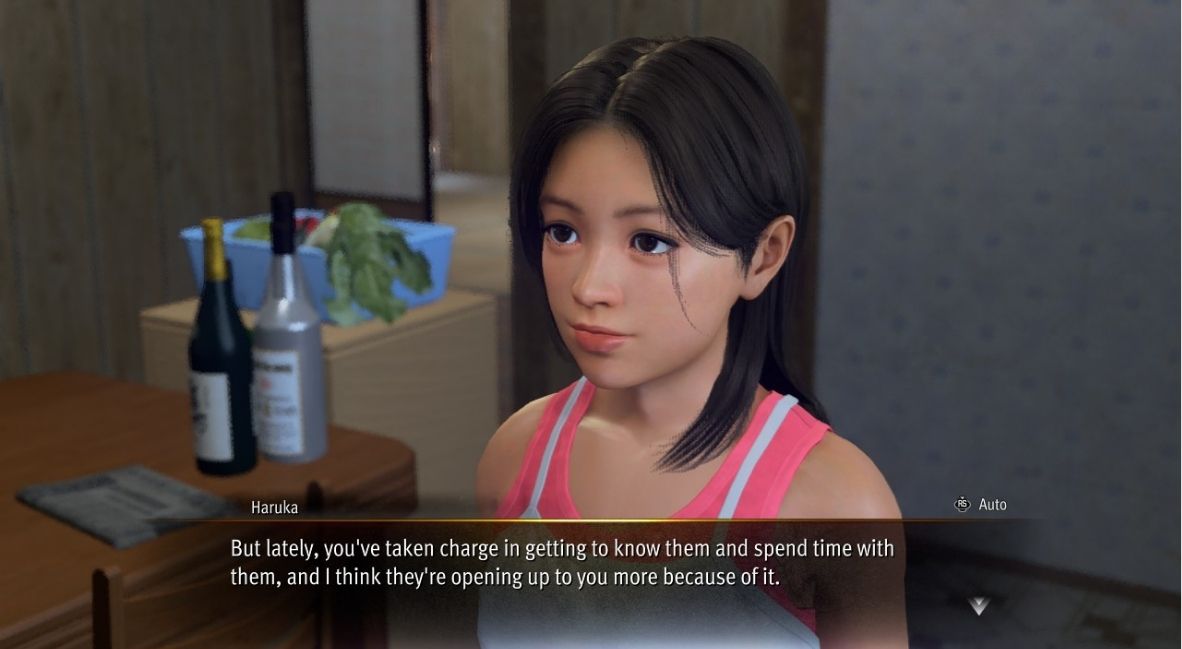
They all function as relationship-building activities—as you do things for the kids, your Daddy Rank goes up, and your relationship level goes up. The thing is, I connected with these mechanics not just because they’re fun, but because I started to really care about the kids that call Morning Glory home. Learning about their likes and dislikes, their varied pasts, and in some cases, their trauma, these moments left a much greater mark than any of the fights ever did.
Cook, clean, and help the kids with homework to increase your Daddy Rank.
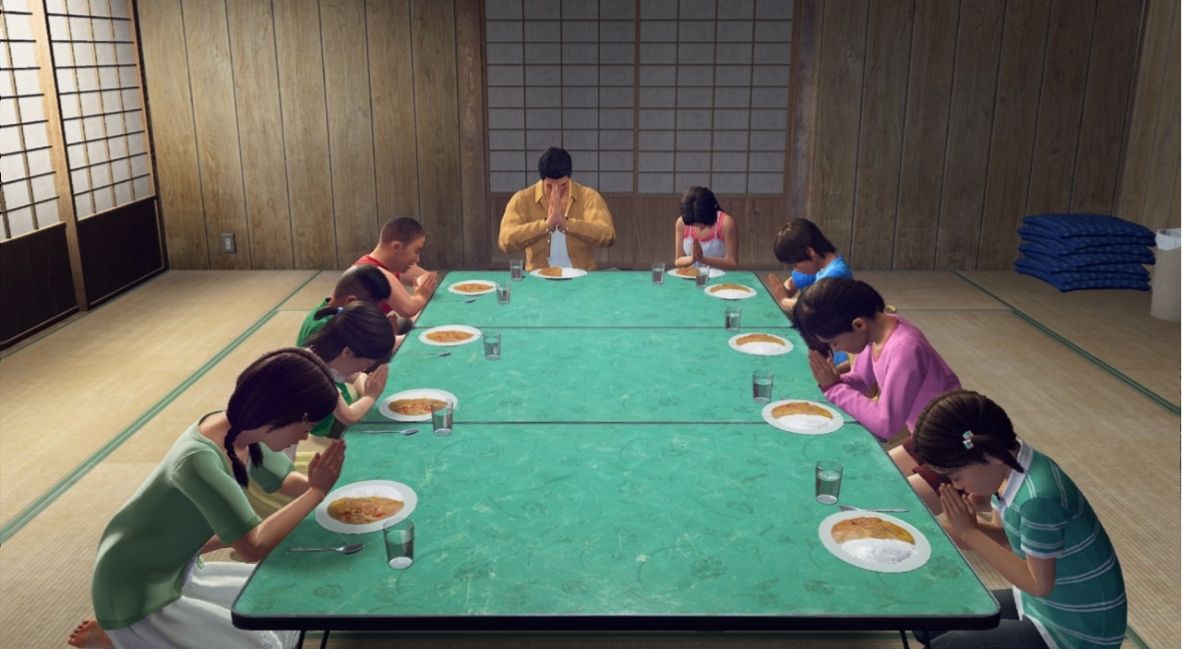
Cooking is a major objective in helping deliver what the kids want, as they start to request meals. Kiryu needs to grow vegetables and other ingredients to help give them a taste of something they had never tried before, or in some cases, a glimpse into their own past. One moment with Riona really hit me hard here, as she asked for curry in an effort to remind her of the curry her mom used to make before she died.
I put so much into every mini-game in an attempt to make it perfect. When I landed the Legendary Dish rank, it wasn’t the success that mattered; it was knowing I’d hopefully give her a bit of a memory she’d clearly been missing.
After eating it, Riona breaks down at the table, commenting that while the curry tasted different, she felt the parental warmth and love that had gone into it, a reminder of the family she had lost. It’s a beautiful moment that works not just because of the mechanical components that went into making it, but because of the connection between her, Kiryu, and the rest of their found family at Morning Glory.
The Morning Glory side-quests are filled with heart.
Everything culminates in a really sweet moment between Kiryu, the rest of the kids, and Haruka. Morning Glory wouldn’t be what it is without Haruka, who handles the majority of the cooking, cleaning, shopping, and daily care of the rest of the kids.
It’s not until Kiryu steps in more that it really hits him how much Haruka had been doing, and when the rest of the kids want to throw her a surprise party in an effort to show her thanks, I was fully invested. It’s a beautiful moment as the new family comes together, a reminder that we really have in life is each other.
There’s a ton to do in Morning Glory, but it’s the kids that matter the most. Yakuza Kiwami 3 thankfully nails this section, and it retroactively makes a later moment in the franchise even better. At the end of Like A Dragon Gaiden: The Man Who Erased His Name, Kiryu fully breaks down after seeing the kids he had been separated from.
I already cried watching this scene the first time, as the original Yakuza 3 replayed in my mind. After rewatching it now, it only hits harder: The bonds between these kids and their found father are stretched and tested by ridiculous circumstances, but they remain unbreakable and strong. Morning Glory in Kiwami 3 just makes this moment stronger.
Morning Glory is a stark reminder that love and connection are paramount.
Yakuza Kiwami 3 & Dark Ties revamps Morning Glory in beautiful and exciting ways. As the series now looks forward to whatever comes next, I hope RGG Studios remembers the heart and soul that’s been at the core of this series for over 20 years.
Yakuza as a franchise has always been about protecting those around you and accepting people as they are, bucking traditional toxic masculinity in favor of actual emotion. Morning Glory is a stark reminder in a remake mired in controversy that love and connection are paramount. With the world being as awful as it is now, I’m glad Morning Glory retained its warmth.