

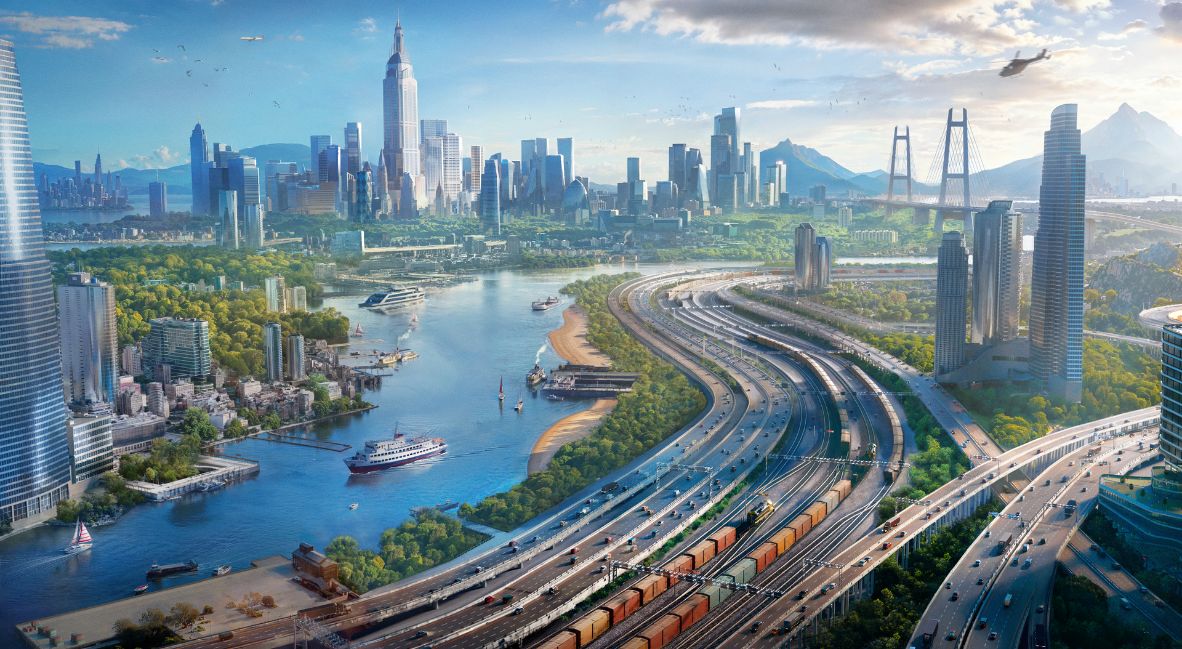
Urban Games and the Transport Fever series are set to return in 2026. In the upcoming latest installment of the series, Transport Fever 3, players will get a chance to build and develop their company across the 20th century and beyond. Transport Fever 3 will be the newest release since Transport Fever 2, which was released in 2019.
We got a chance to go hands-on with Transport Fever 3 at a media preview event. There, we learned about some of the new features and played some of the brand-new campaign missions that will be coming to the game. The game will feature all the bells and whistles players of the series have come to expect. However, Transport Fever 3 will be more expansive and dynamic than its predecessor. Players will have a chance to really grow their cities and expand their companies to new heights.
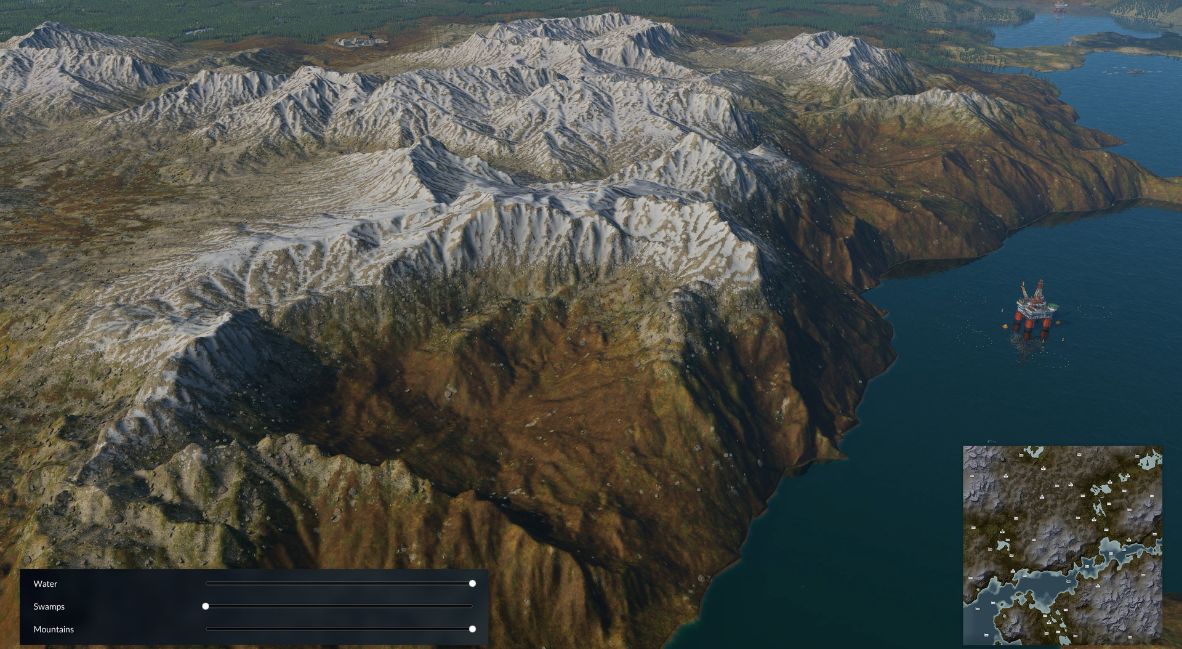
Transport Fever 3 really is aiming at expanding on Transport Fever 2 in a variety of ways. The first being that there will now be over 300 vehicles, 35 industries, and over 40 types of cargo for players to utilize and transport around the maps. There will be plenty of variety and creativity for players to use and play with as they develop their logistics networks, even including new Arctic cargo and offshore industries.
Expanding your infrastructure in Transport Fever 3 is more than “just money.”
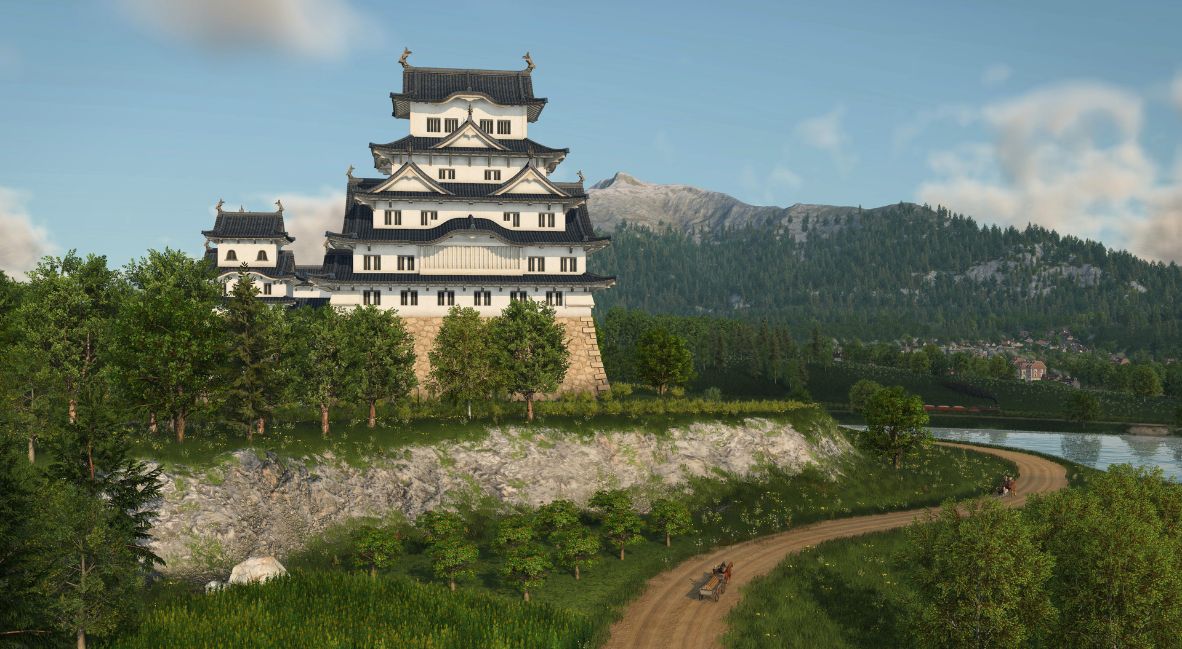
The second way of expanding is in shifting away from the idea that “just money” means everything. I got a chance to really hit on this in my interview with the Urban Games team, how the team wanted to have more meaningful things and challenges other than “just make money”. Of course, money will still be a big part of Transport Fever 3, as no matter what, making money is a defining characteristic of almost any simulation or management game in the genre.
However, there have been new dynamics added to the game that will change how players grow their companies. Population needs are a major one as players need to make sure to fulfill their city’s needs, whether it be making sure there is enough food or reducing noise pollution. How well players fulfill these needs, for better or worse, will affect their city’s growth. Over-fulfilling a need can lead to city specializations in those industries, or if one is lacking, then the city will not develop in those particular areas. All of these supply choices and the efficiency of these choices will determine how your industries and overall cities grow.
Landmarks are a new gameplay element that players can make that will give boosts or some benefits to their networks. This isn’t the only thing: the Headquarters will now have more than just vanity items, with items that actually offer benefits, so building out your headquarters will have actual value.
Landmarks add a new layer of gameplay in Transport Fever 3.
Cargo time now matters in Transport Fever 3, so how efficiently you are at providing cargo for your networks makes a difference, whether it be in population happiness or something else. This became really apparent during my playtime as I got more and more traffic: my cargo delivery time was slowing down, and my residents weren’t very happy despite me delivering them their blankets.
Since cargo time now matters, it also means there will be some elements to help with this, such as boosters, specialized vehicles, and warehouses. Boosters are broken into two types of workers and tools. Players can now boost the production and efficiency of their industries by providing workers or specific tools. This also means making sure people are within the range and region of industries so they are able to travel to work. Even in video games, people need to get to work to help out.
These are just a few of the major changes, additions, and elements that have been added to Transport Fever 3. During our time at the preview, the dev team talked about how they are hoping these and other features will help with Tycoon mode and the overall late-game experience. They are aware that in Transport Fever 2, the endgame could become quite dull, so they wanted to put a bigger focus on this to help returning and experienced players.
Cargo Time takes on new importance in this installment.
Management games and campaigns are two things that sadly always seem to be fighting each other. The Urban Games team really wanted to expand and make the campaign something worth playing in Transport Fever 3. One of the ways of doing this for them was through storytelling.
There are eight campaign missions in Transport Fever 3 that increase in difficulty each time. These campaign missions also have a fun historical twist to them as they are loosely based on historical events that take place from 1900 to 2033. This timeframe is also the timeframe for the other game modes that players will get to experience.
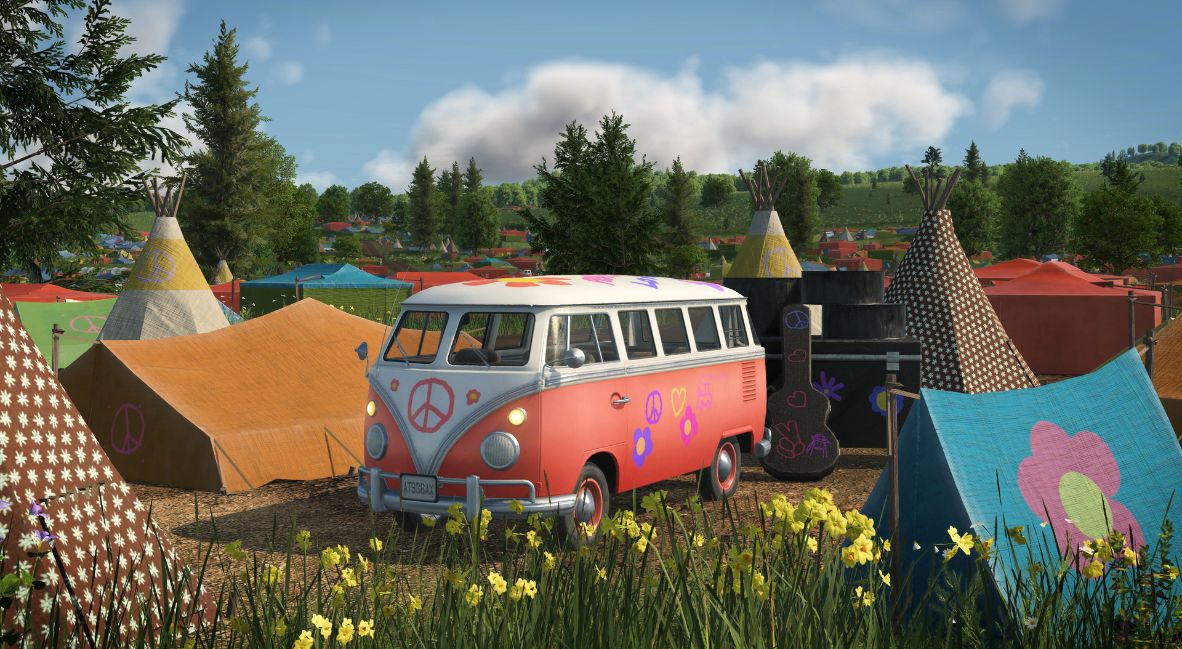
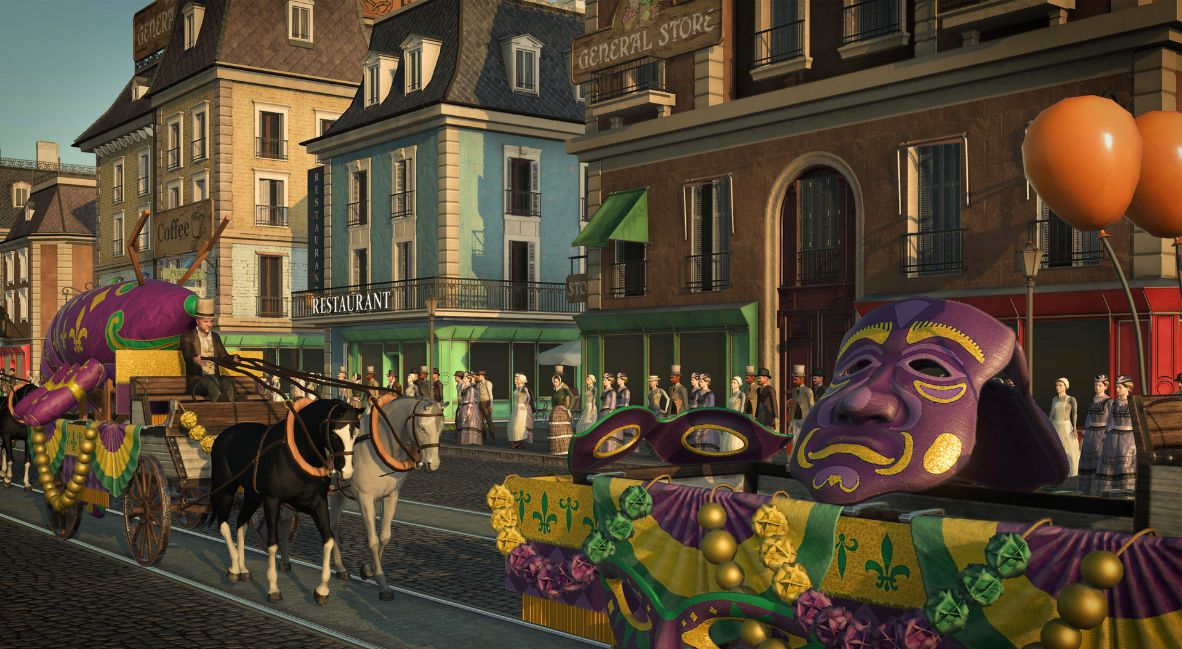
The majority of hands-on with Transport Fever 3 was trying out two of the new eight campaign missions that will be in the game. The first mission is more of a tutorial for players and takes players through preparing the city for Mardi Gras. The second campaign mission I played was a play on Woodstock and had many more challenges, such as providing supplies so people did not die camping out waiting for the music festival.
Urban Games’ Transport Fever 3 is bringing real-world events to life through its new campaigns.
Completing the missions involves not only completing tasks such as providing wood to build a stage, but also doing so in a timely manner. In the “Woodstock” campaign mission, the cargo time was really showcased not only in the general happiness and growth of your campground for your campers, but also if you took too long to provide supplies, you would just get shut down.
Whether these campaign missions resonate with players or not is to be seen, but using historical events to tell a story does at least seem to make them potentially worth checking out. These campaign missions obviously have characters, and Urban Games explicitly made it clear to us that there was no AI usage in Transport Fever 3, and even went so far as to say they are in the process of redoing any potential character that even looks like it was created with AI.
Overall, I really enjoyed the limited time I had with Transport Fever 3. With enough new additions to core game mechanics, it’s easy to see how this can be a great selling point for veteran players, while the campaigns and tutorialization that come with make this title easy to jump right in if it’s your first in the series.