
Writer-directors Maryam Ataei and Hossein Keshavarz’s The Friend’s House is Here is a prime example of the importance of storytelling through times of pain, hate, and censorship. Shot in secret and smuggled out of Iran on a hard drive, the film was tacked onto the end of a hyper-religious “red herring” submission in the hopes the Islamic Republic wouldn’t catch wind of the progressive project.
Luckily, it made it out, and the fearless filmmaking duo was able to have their Sundance festival debut, and we are so lucky they did.
This should be considered an especially courageous and inconceivable feat due to the fact that Iran is currently seeing its greatest civilian uprising in decades, since its 1979 revolution, in fact. Iran’s citizens are protesting for the end of the Islamic Republic system, but have been paying with their lives.
During multiple strategic internet blackouts, the regime has reportedly killed anywhere from 6,000 to over 30,000 civilians since the end of 2025, so it’s nothing short of a miracle that this important film was able to escape into the light.
The Friend’s House is Here highlights why people make art.
It’s common knowledge that the world is currently in a tumultuous time. Misinformation runs rampant, hate and prejudice seem to take precedence, and empathy and compassion appear to be running dry. This isn’t particularly a new trend when looking at the turbulent history of humankind, but an optimistic truth is that art and storytelling have been a steady and enduring lifeline for as long as we’ve had the ability to create them. From cave paintings to pottery, poetry, and film, art has served as an outlet for humanity’s pain for eons as well as a means of ensuring our stories aren’t forgotten in history.
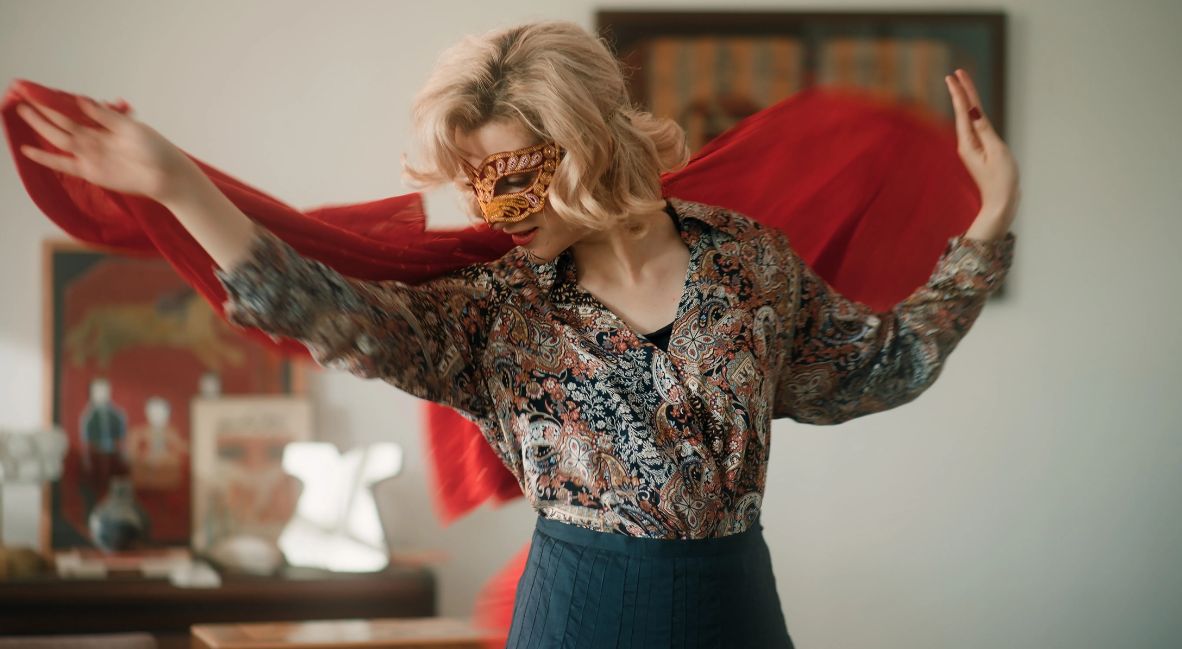
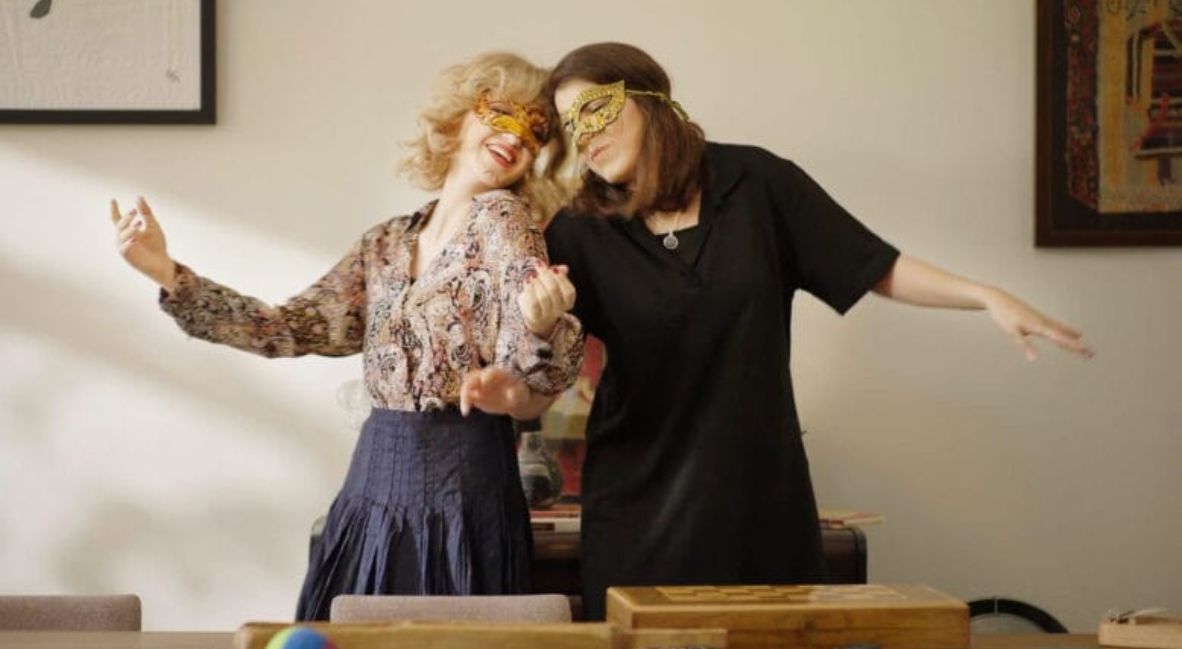
The Friend’s House is Here takes place in Tehran’s underground art scene and follows two young women who are best friends navigating their relationships and social lives side by side. Hanna (Hana Mana) is a platinum blonde haired influencer who has gained decent traction on social media dancing and making reels and Pari (Mahshad Bahraminejad) puts on abstract underground political plays.
Neither of the twenty-somethings wears their state-enforced hijabs; they freely dance to Western music in public and giggle with one another when confronted by traditionalists. Hanna and Pari are the kind of best friends one might be jealous of in grade school – they know one another like the back of their hands and are undoubtedly joined at the hip, for better or worse.
The Friend’s House is a defiant expression of freedom in Iran.
Things appear to be peachy until the government catches wind of the girls’ behavior and suddenly Pari disappears, having been snatched and thrown in jail due to her controversial art and rebellious behavior. Her bail is set so high that Pari is forced to give up her own money, which she had set aside for her upcoming plane ticket and visa abroad, to free her best friend. And she does so without hesitation.
This incident ultimately stifles and limits both women, taking away their freedom of expression, their gateway out of the country, and their hope of a better future all in one ruthless blow – a cruel show of force if you’ve ever seen one.
The Friend’s House is Here boasts some extremely impressive performances from its two female leads – Mana and Bahraminejad truly feel like the most authentic fast friends and are able to infuse a sense of lived history between Hanna and Pari. Even Farzad Karen portrays a solid and constant support in the girls’ lives as a fellow artist and friend, Ali.
The Friend’s House is Here confronts political realities with a sense of whimsy and humor.
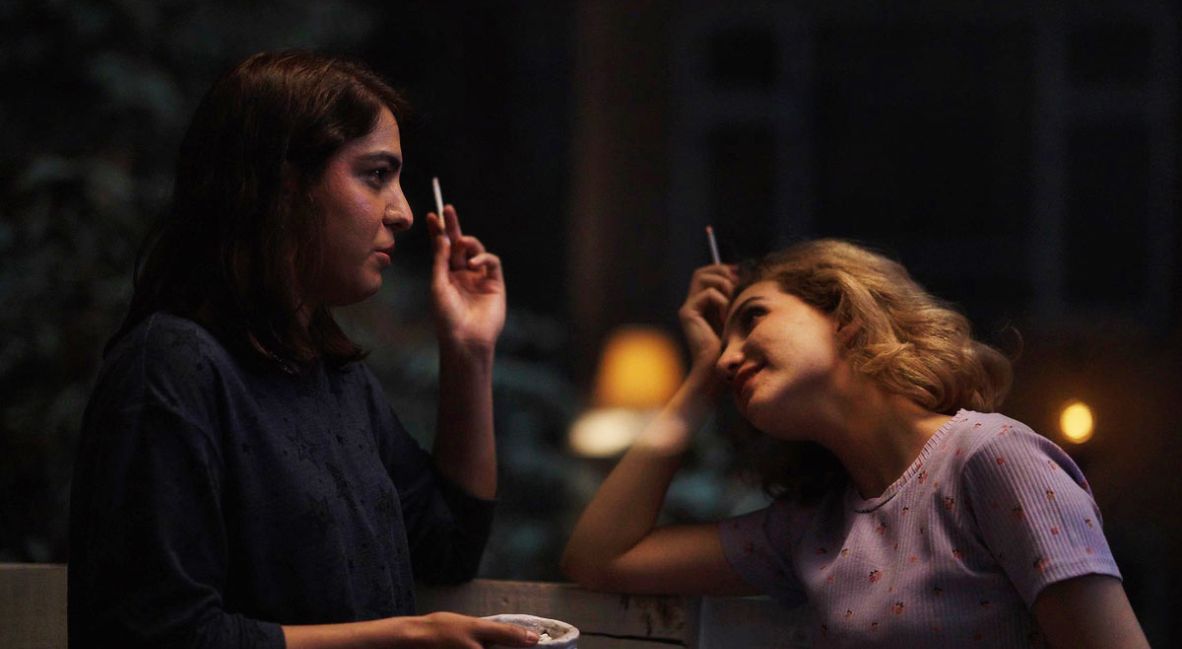
Maryam Ataei and Hossein Keshavarz direct their cast with a sort of Gerwig-Baumbach-ian authenticity, which brings another level of genuineness to this story and its characters. The performances are highlighted by solid technicals throughout, with Ali Ehsani (Berlinale’s The Apple Day) capturing Tehran and its art scene beautifully through stunning cinematography that’s all the more impressive given that it was shot in small sections in secret. Emmy Award-winning composer Arian Saleh provides an immersive, moving score to accompany this tender, equally historic film.
The Friend’s House is Here acts as a time capsule depicting the current state of censorship as well as the freedom of expression in Iran. It captures its stark political realities with a sense of whimsy and dry humor that’s reminiscent of a Frances Ha-style of mumblecore, yet balances this with just enough of a dismal reality check.
In a time when Iranian filmmakers such as Jafar Panahi (It Was Just an Accident) and Mohammad Rasoulof (The Seed of the Sacred Fig) are being jailed and exiled for their art, its people like the entire creative team in front of and behind the camera of The Friend’s House is Here who are proof that art is political, art has value, and art can most assuredly change the world.
The film is not one of sorrow and defeat. It is a film of resistance and hope. The mere existence of a film such as The Friend’s House is Here stands as a reminder that there will always be a future worth fighting for, and people left worth fighting alongside.
The Friend’s House is Here screened as a part of the 2026 Sundance Film Festival.
The Friend's House is Here
-
Rating - 9/109/10
TL;DR
The mere existence of a film such as The Friend’s House is Here stands as a reminder that there will always be a future worth fighting for, and people left worth fighting alongside.