
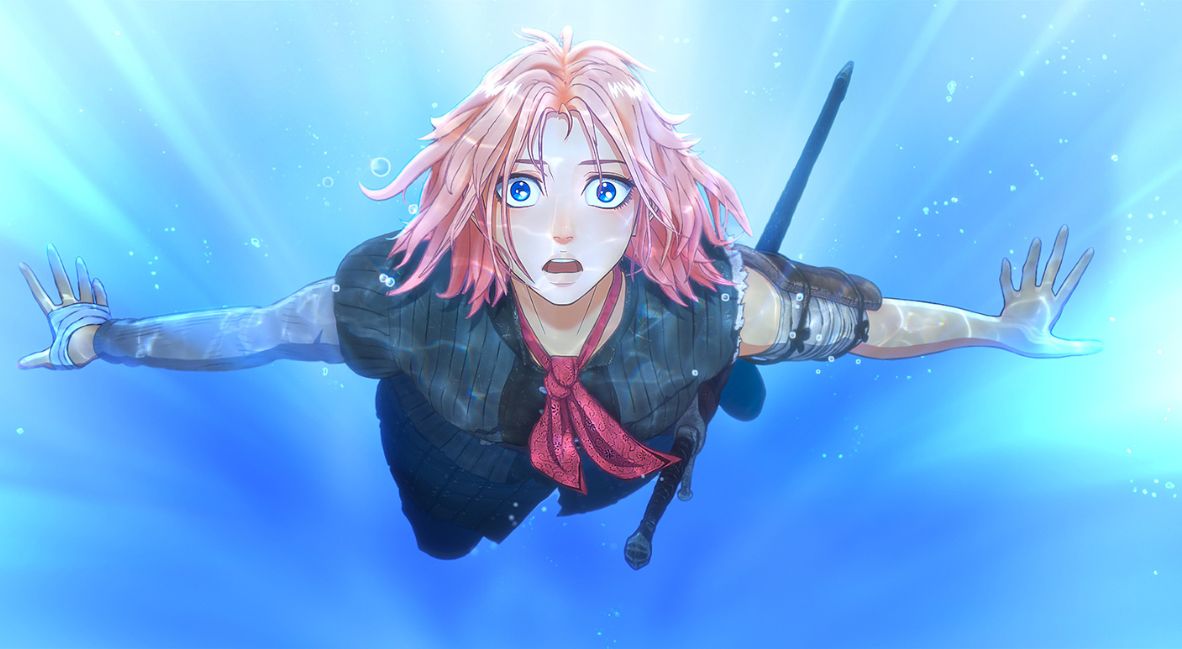
The fantasy adventure Scarlet is the latest from director Mamoru Hosoda (Belle), produced by Studio Chizu. Hosoda serves as the film’s writer and director, with Todd Haberkorn as the scriptwriter. The English dub cast features Erin Yvette as Scarlet, Chris Hackney as Hijiri, Michelle Wong as Gertrude, and David Kaye as Claudius.
The film centers on Scarlet, a young Danish medieval princess, who seeks revenge for her father’s death and for the coup carried out by her power-hungry Uncle Claudius. Unfortunately for Scarlet, she is robbed of her vengeance and suddenly awakens in another world that is positioned between the living and the dead. Filled with regret and fury, it is not too late to exact her revenge against her uncle in this new realm, and she sets off on a journey of rage to find him.
Performance-wise, the English dub cast delivers very strong portrayals, elevating the film’s emotional weight. Erin Yvette’s performance in the titular role of Scarlet stands out as she excels at balancing both Scarlet’s rage and turmoil with heartfelt vulnerability. Yvette does an excellent job of making Scarlet feel authentic and complex. Chris Hackney as Hijiri brings a more grounded performance that complements and plays off of Scarlet’s character very well.
The English dub cast does a wonderful job in bringing these characters to life.
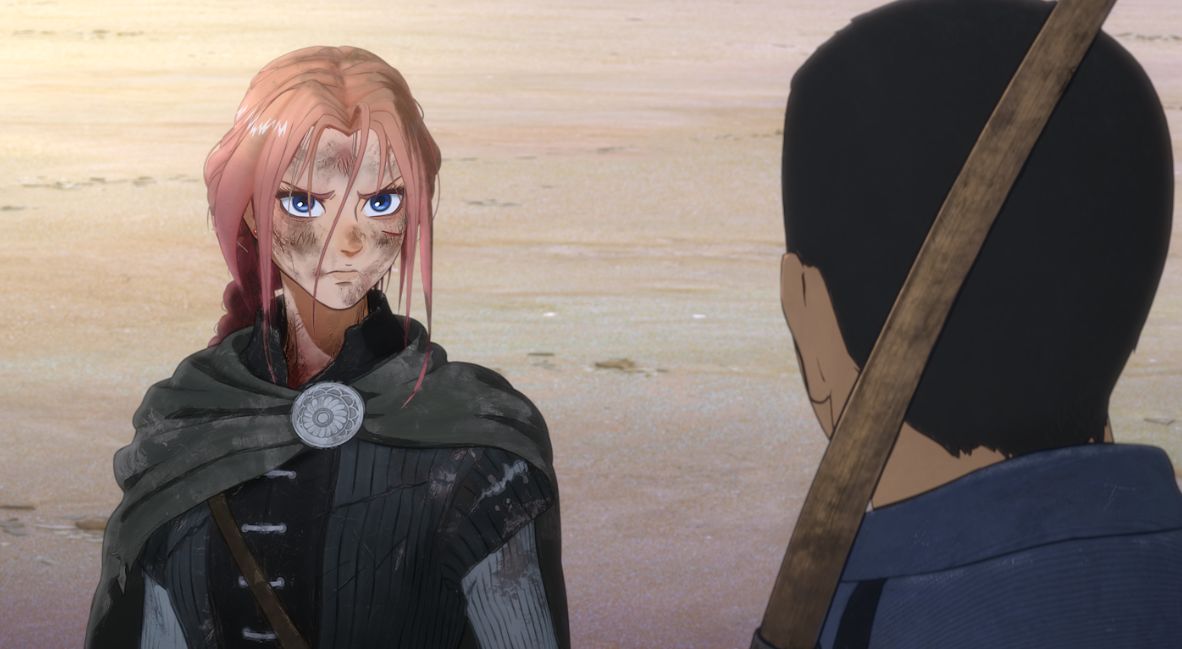
Meanwhile, David Kaye’s performance as Claudius truly shows off his range as a voice actor. Kaye’s performance during the film’s climax is a testament to this, as he seems to balance his character’s controlled disgust and menace with his feigned remorsefulness. So much so that he makes Clausius almost seem redeemable for a very brief moment.
The characters in this film are intentionally written with emotional clarity, and complement each other very well. Scarlet, the main character, is not a passive damsel in distress; instead, she is written as proactive, even flawed at times, and deeply consumed by her quest for revenge. It is refreshing to see a character like Scarlet not have to be this perfect, grounded heroine, because, in all honesty, she should be flawed. She is a young woman who has suffered a great loss and is consumed by grief and rage; it makes sense for her to make mistakes.
In contrast, Hijiri’s pacifist nature serves as a counterbalance to Scarlet’s rage and violence. Hijiri offers another perspective and emotional contrast to Scarlet throughout their journey. Hijiri’s character at times feels limited and two-dimensional, but that feels intentional; he is not the main character in a major conflict. He is just some guy there to help Scarlet reflect on and see another side of her situation.
The blend of 2D and 3D animation enriches the world.
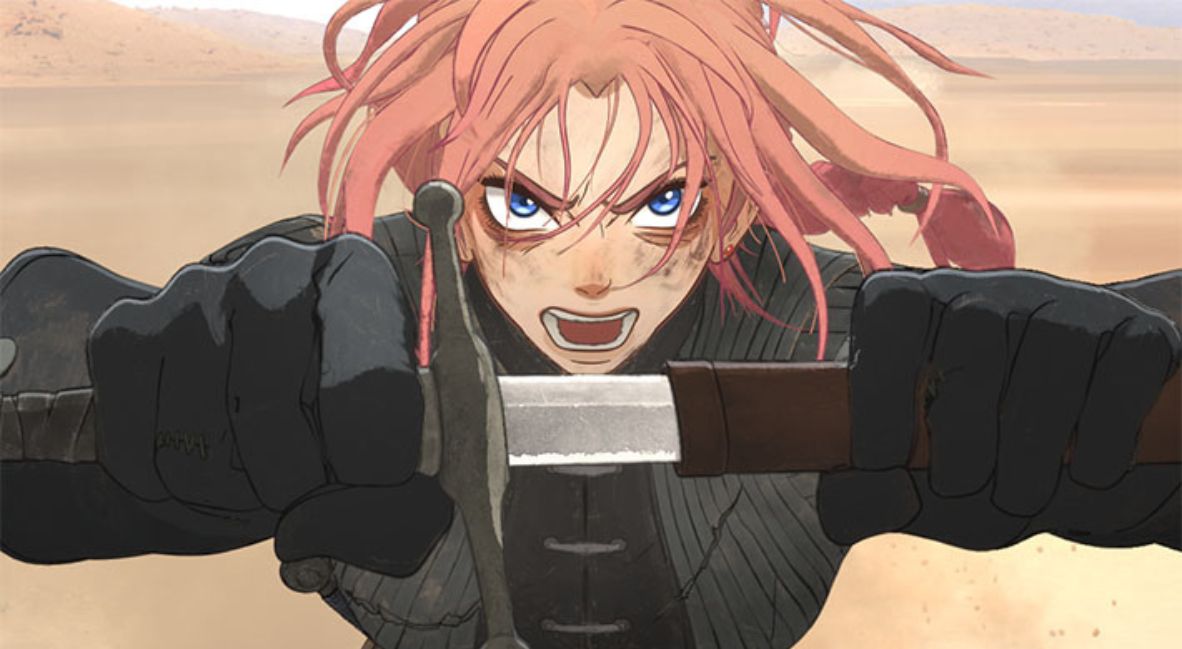
The animation is striking. The film masterfully uses a mix of 2D and 3D art styles to enhance the emotional weight of the story at different moments. The most stark differences in the animation are seen between how the Otherworldly and the living world are animated. The Otherworld exists in this liminal space, uniquely positioned between life, death, and time, where people who have deep regrets find themselves.
The 3D art techniques help capture the Otherworld’s vast landscapes, ranging from harsh, chaotic, and rare to serene. Whereas the living world, specifically Scarlet’s medieval Denmark setting, is animated in traditional 2D hand-drawn techniques that complement the 16th-century decor and aesthetic.
The film’s animation shifts to reflect the emotional tones of its characters and settings, making for a very immersive experience. The concept of 3D animation may initially turn some off, but the use of it in the film does not disappoint, especially in its fluid action scenes. Whether 3D or 2D, the scenes deliver high-quality, engaging animation.
Mamoru Hosoda once again leans into other parallel worlds for his characters to grow.
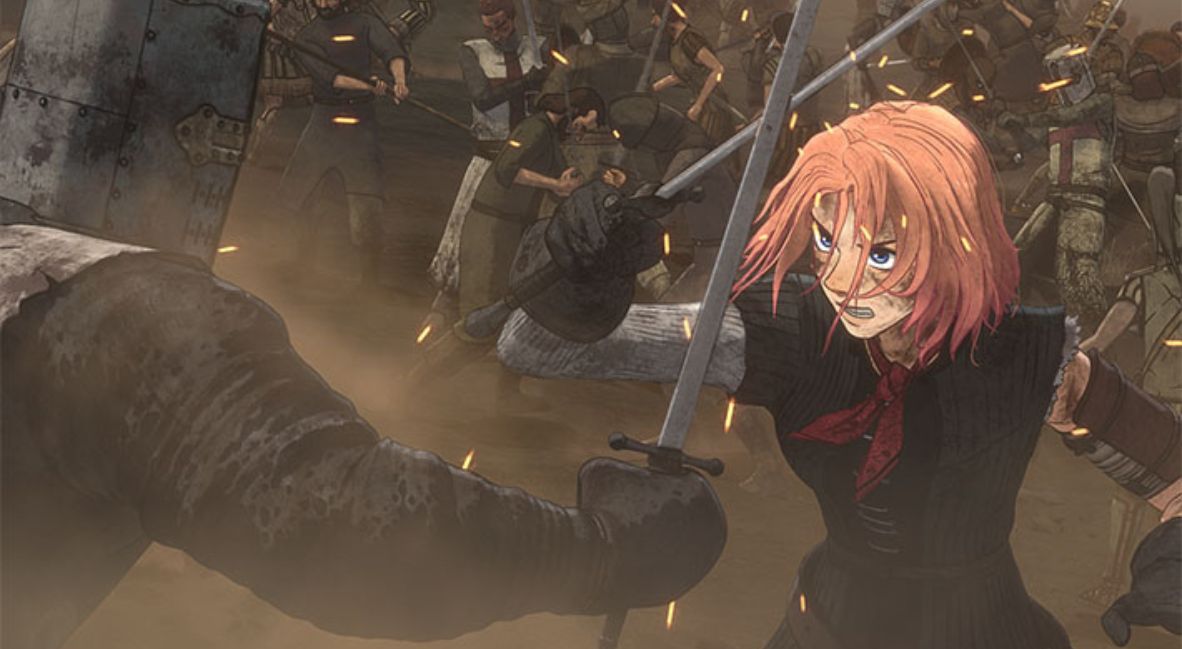
Mamoru Hosoda has a knack for incorporating ideas of “other worlds” or alternate spaces to explore a character’s identity and conflicts into his storytelling. Similar to the digital and virtual worlds of Summer Wars and Belle, the Otherworld works as an alternate place for Scarlet to reflect and overcome her own conflicts. At first, the Otherworld seems to offer her a second chance at exacting her revenge. In reality, it is a place designed for her to reflect and look inward.
Additionally, the Otherworld, unlike other, more conventional isekai stories, where the main character is transported or reborn into another world or dimension to escape a harsh reality or a failed life, allows the main character to restart their life anew. For Scarlet, the Otherworld is not an escape from her harsh reality but rather a place to confront her regrets and an opportunity to decide the kind of person she wants to be beyond her bloodlust and revenge.
Some critics have described Scarlets as a reimagining of William Shakespeare’s Hamlet, which, to some extent, it is. However, the audience mustn’t expect this to be a one-to-one adaptation of the Shakespearean tragedy. It is more accurate to say that Hosoda uses Hamlet as an emotional blueprint to center his story on the shared themes of revenge, betrayal, and grief, using them as the building blocks for an original story.
Hamlet influences Scarlet (2026) without committing to a full recreation.
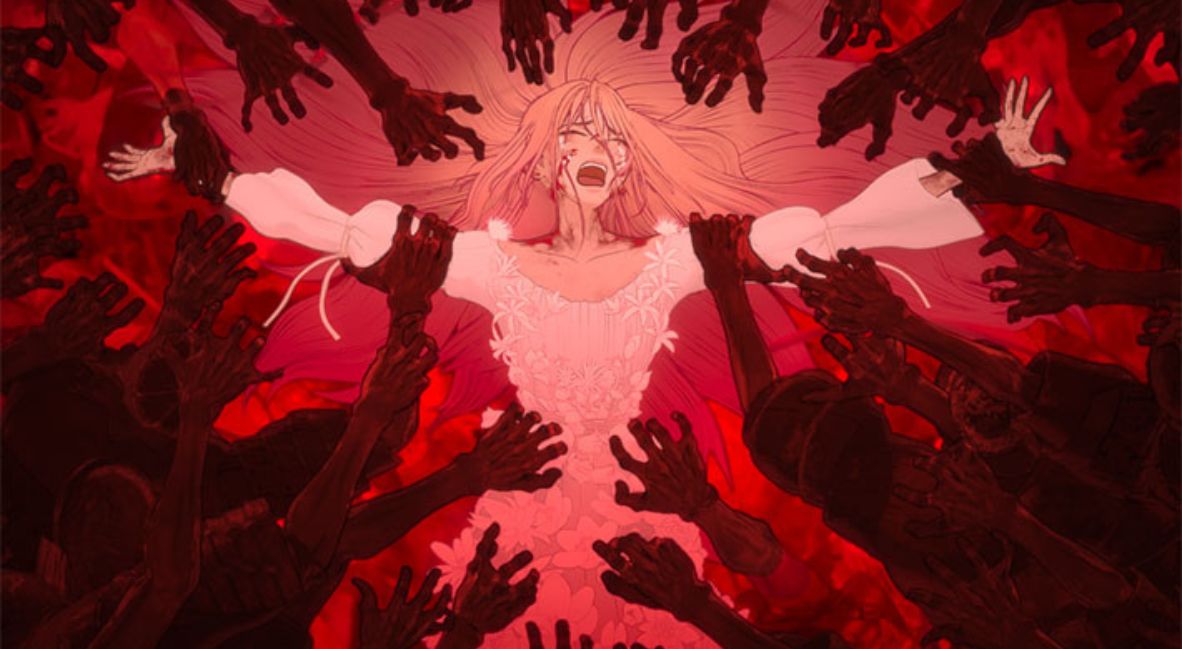
Although it is clear that Hosoda draws inspiration from Shakespeare’s work, his film Scarlet is less concerned with recreating the Hamlet beat-for-beat. Instead of simply retelling a familiar revenge plot, the film explores similar themes from Hamlet in profound, nuanced ways.
Scarlet does not offer an easy or even straightforward resolution. Often, stories centered on revenge and forgiveness end with the protagonist finding peace in exacting their revenge. Or it results in the protagonist rising above their desire for revenge and then forgiving their transgressor. Hosada complicates these expectations of revenge and forgiveness in the best of ways.
The scene where Scarlet finally comes face-to-face with her uncle again is a prime example of this. Before her father was killed, Scarlet thought his final words, “forgive’ meant she should try to forgive her uncle Claudius. The final confrontation leads Scarlet to realize that she also needs to forgive herself.
A story of revenge becomes one of healing and forgiveness.
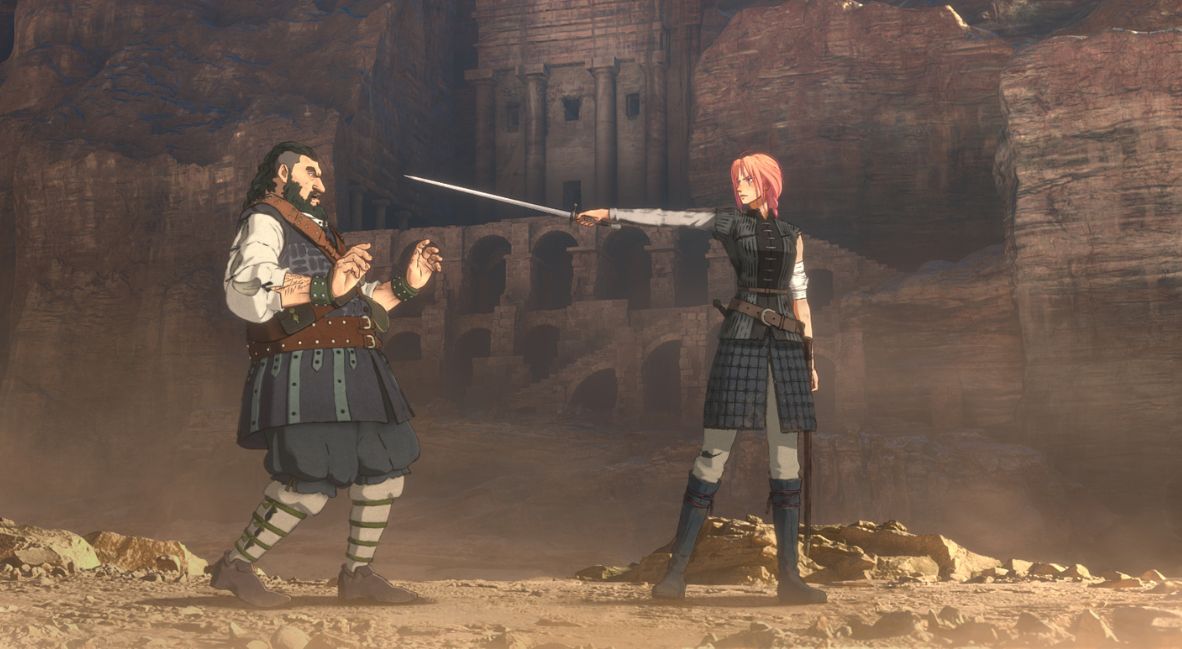
Hosoda’s Scarlet challenges the audience to consider whether healing always requires confrontation or closure. Betrayal and grief are issues that are not simple to resolve.
Healing from these kinds of trauma is rarely straightforward, and sometimes healing does not even come from external confrontation and resolution. The film’s emotional core suggests that healing depends on the person who was hurt and sometimes comes from within.
Scarlet is an emotionally complex, visually stunning, and transformative journey inspired by Hamlet and uses isekai elements in a refreshing and meaningful way. By combining 2D and 3D animation, the film captures the beauty and cruelty of its environments and characters. Characters like Scarlet are at their best when they are flawed and complex, which deepens their narrative journeys. At its core, the film makes viewers consider what healing and forgiveness truly mean and look like for a person who has been wronged.
Scarlet is out now in theaters.
Scarlet (2026)
-
Rating - 8.5/108.5/10
TL;DR
Scarlet is an emotionally complex, visually stunning, and transformative journey inspired by Hamlet and uses isekai elements in a refreshing and meaningful way. By combining 2D and 3D animation, the film captures the beauty and cruelty of its environments and characters.