
Tales of Berseria first launched back in 2016 by Bandai Namco and is one of the most memorable titles in the franchise due to its unique narrative, peculiar characters, and combat system. Now, almost ten years later, Tales of Berseria Remastered launches with new features for a modern audience. Some of these features truly enhance the gameplay, while others are admittedly disappointing.
Tales of Berseria is set in the Holy Midgand Empire, which features several beings. These include humans, powerful magical beings known as Malaks, and Daemons, who are humans turned monsters by a disease known as the Daemonblight.
The game follows Velvet Crowe, an orphan who lives with her sickly brother, Laphicet, and her guardian and brother-in-law, Arotrious. She lost her parents and sister to a tragic event known as the Scarlet Night, which led to their village being raided by Daemons. The prologue shows Velvet caring for her brother until the event occurs again, but this time, Velvet is betrayed by Artorious, who murders Laphicet as a sacrifice in a ritual known as the Advent.
Tales of Berseria’s narrative stands out from other games in the franchise for its dark, edgy themes.
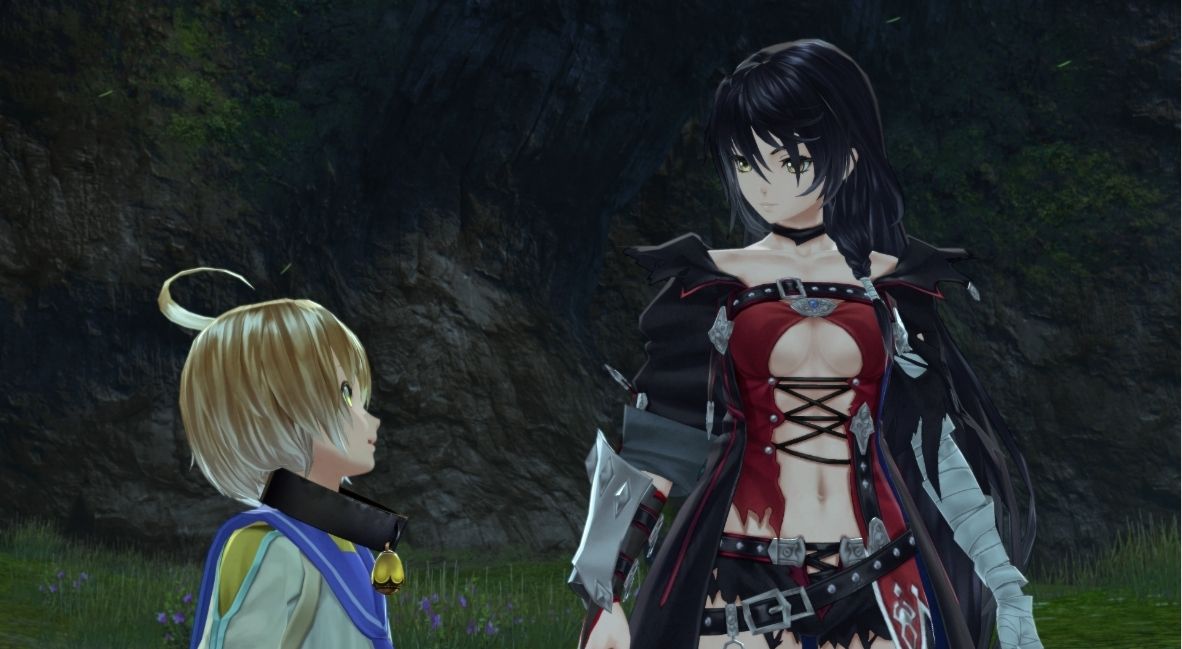
Artorius attempts to sacrifice Velvet as well, but his plan fails as she’s able to survive, but not until the Demonblight possesses her arm, turning her into a special type of Daemon known as a Therion. Velvet is thrown into a dungeon for three years but manages to survive and escape, and after doing so, vows vengeance on Artorius for murdering her brother. On her journey, Velvet meets several characters with similar or related goals, and they band together to achieve theirs while helping her on hers.
Tales of Berseria’s narrative stands out from other games in the franchise for several reasons, but mainly for its dark, edgy themes and storytelling. Velvet, unlike many protagonists in the series, doesn’t care much about helping people or about the havoc she causes, nor does she care about actions or people who don’t help her on her path to getting her vengeance.
This makes for a very interesting character and an equally interesting and engaging narrative. The game also features immaculate worldbuilding: each region has its own unique story, and the lore is presented in an engaging, digestible way right from the start.
Tales of Berseria’s combat system is also among the best in the franchise.
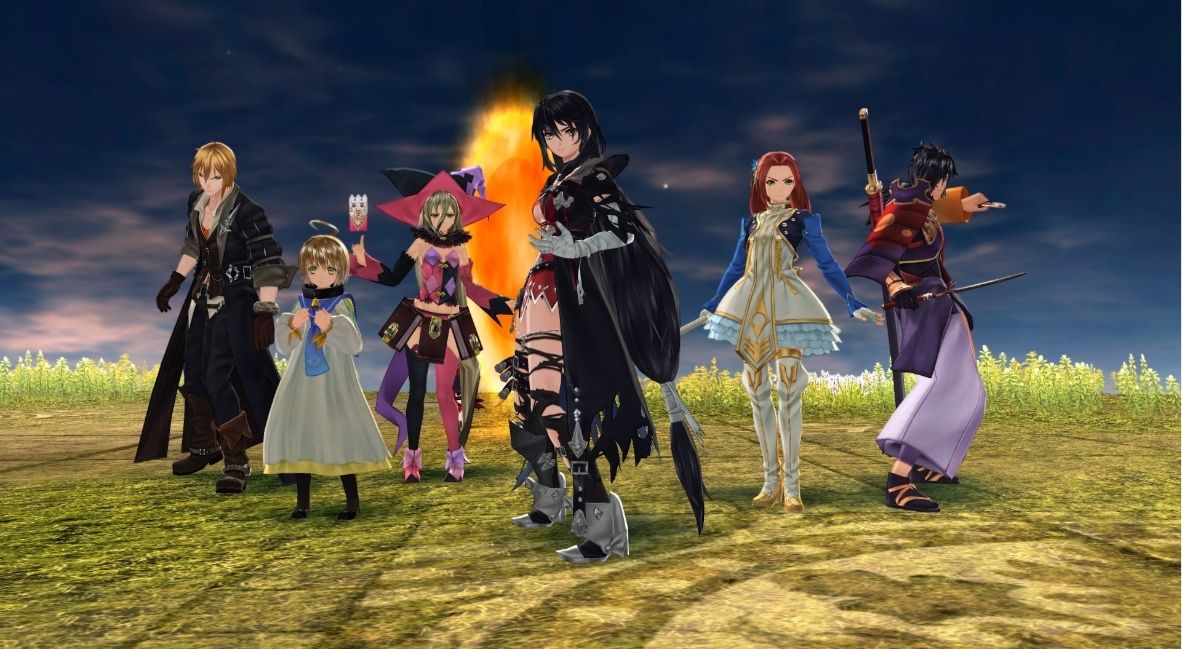
The narrative is further supported by its peculiar yet interesting cast of supporting characters, including Magilou, the zany Witch; Eizen, the cursed Malak; Rokurou, a Daemon samurai; Elenor, a morally torn knight; and more. These characters are unique oddballs in their own ways, contribute greatly to the entertaining narrative, and are among the most memorable in the series. In comparison, Velvet is a one-dimensional, tropey character for a significant portion of the game, but her development over time is among the best in the series.
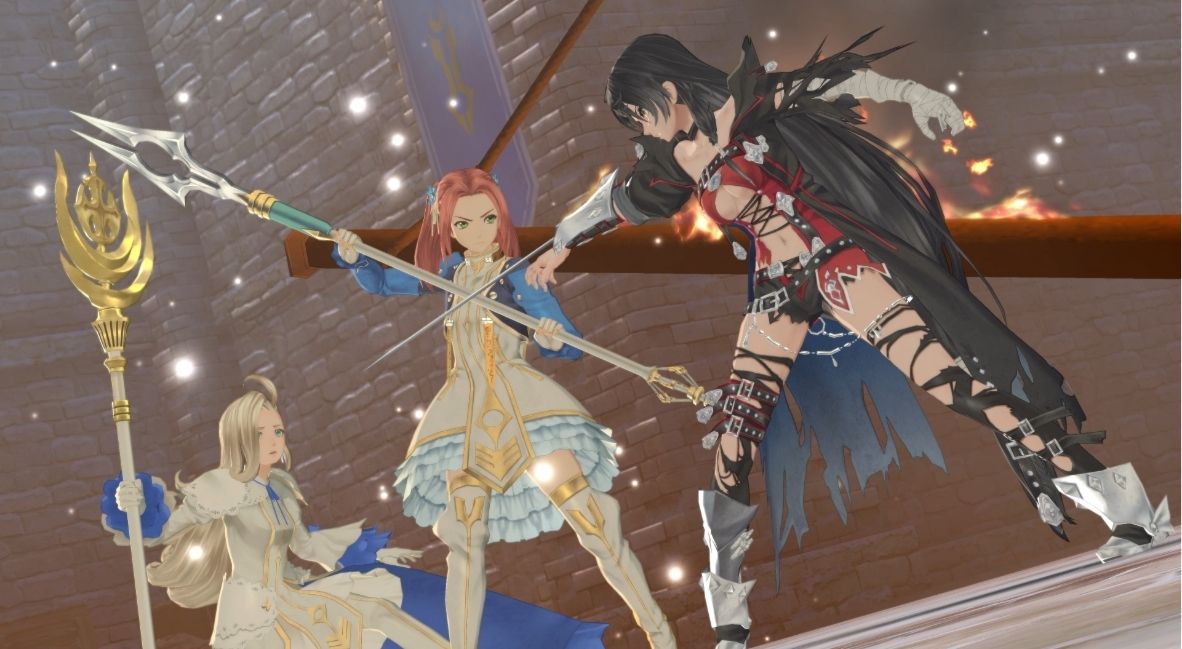
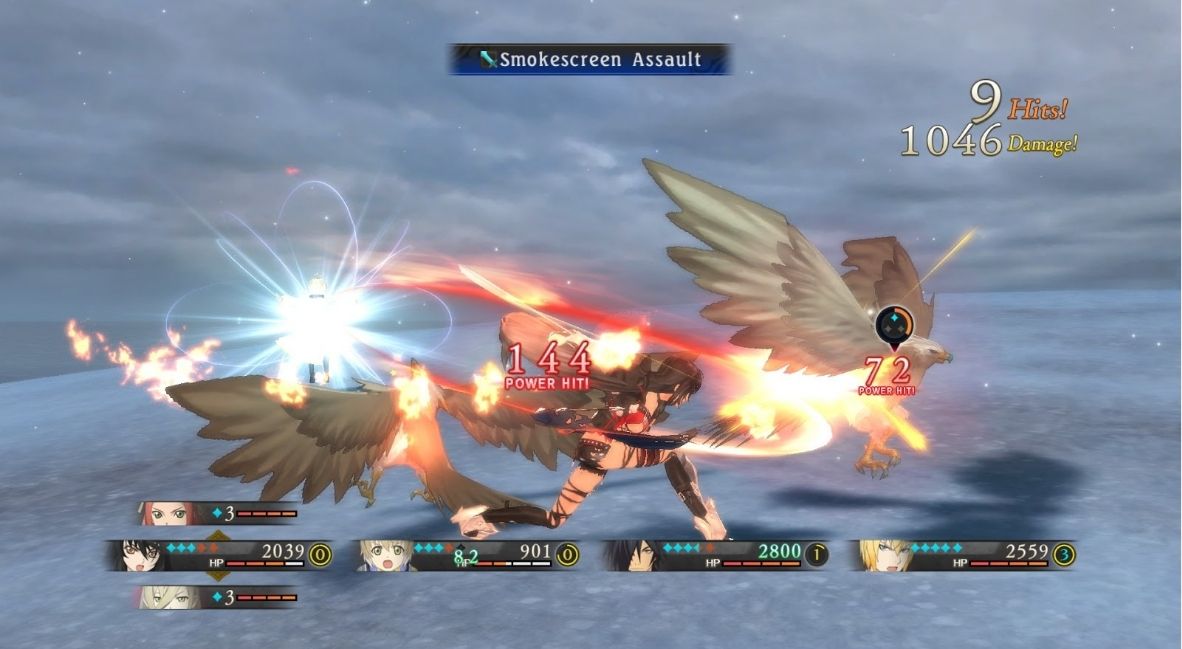
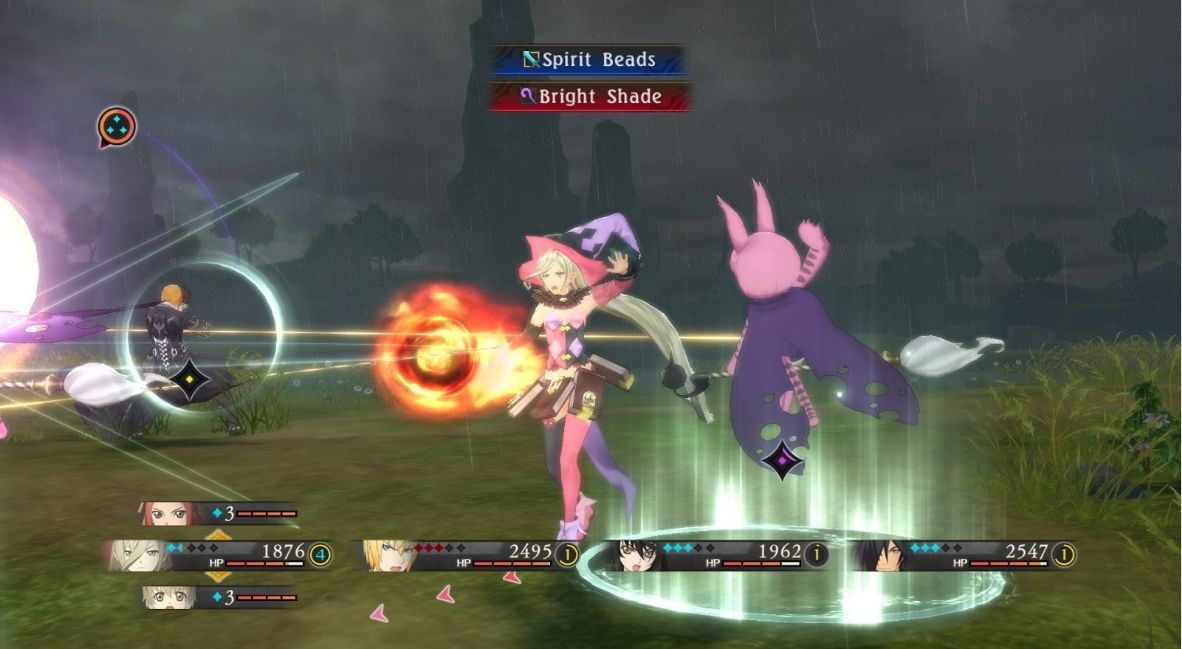
Narrative aside, Tales of Berseria’s combat system is also among the best in the franchise. Much like previous titles, players fight through real-time combat and the signature Linear Motion Battle System. Berseria introduces the Liberation-LMBS, which allows players to move and swap characters freely while the camera moves with them. Players use several magical and physical attacks as well as special moves known as Artes.
As in other titles, Artes are unlocked as players progress through the game, and combos featuring them can be freely made and customised. However, unlike other Tales games, Artes don’t rely on a mana bar and consumable items. Instead, Artes can be used through the Soul Gauge. The gauge uses five souls, and players must wait till they refill before they can use more artes. However, taking out enemies, stunning them, and executing several skills quickly fill the gauge.
Tales of Berseria Remastered improves the game with consistent frame rate and crisper graphics.
Tales of Berseria Remastered also features Break Soul Triggers, which let characters like Velvet deal massive damage, triggering special attacks of different elements. Lastly, each character has an explosive ultimate attack that’s flashy and deals devastating damage. The combat system is highly satisfying, fast, and responsive, especially compared to other titles in the series.
What’s more, the remaster improves the game’s performance over the previous version, delivering consistent frame rates in combat for a smooth, enjoyable experience. Overall, Tales of Berseria’s combat system is one of the best in the series and is one of the best parts of the game.
Visually, the remaster maintains a crisp, vibrant, and colorful aesthetic with HD graphics. The game sports great visual effects and battle compositions, detailed and lush art direction, and unique character designs. However, the remaster offers only a slight resolution boost, not much different from the original.
Some of the quality-of-life improvements don’t fully improve things.
In terms of changes, the remaster improves gameplay with several quality-of-life enhancements. This includes adding fast travel from the start, a slight movement speed increase, and several new icons and indicators. It also adds an auto-save function and enhanced skip function, a new voice switching option in the config menu, and other new additions via the Grade shop, which is now available from the start of the game.
While these new features and additions significantly improve the gameplay experience, some are also incredibly disappointing. For example, the fast travel option is limited to a sub-menu that takes players to specific areas within sections of the map, rather than letting players select from a full list of available areas like in previous titles.
Additionally, the slight boost in movement speed is far from satisfying, as there’s barely a difference compared to the original version and still no sprint button. What’s worse is that features like audio language swaps still forcing players to restart the game, which is unacceptable for a remaster.
Performance-wise, the gameplay is mostly smooth and seamless, especially in combat, but sometimes the framerate dips when too many enemies get too close to the character in dungeons. Other than that, the game runs well and is mostly enjoyable despite the disappointing aspects.
Overall, Tales of Berseria Remastered is still a great JRPG almost ten years later. The remaster offers several new quality-of-life features that are great for new players but not necessary for longtime fans who have already experienced all the game has to offer.
Tales of
-
Rating - 7.5/107.5/10
TL;DR
Tales of Berseria Remastered offers several new quality-of-life features that are great for new players but not necessary for longtime fans who have already experienced all the game has to offer.