
Journal with Witch is the best new anime of 2026. It also cathartically depicts a woman who struggles with tasks that others find “obvious.” There’s a semi-genuine, largely self-deprecating joke I defer to when I get caught up in things I don’t know or am bad at.
I am good at one thing—filing my taxes? Scheduling dentist appointments? Taking prescribed medication at the same time every day? Remembering the long-suffering produce squirreled away in the crisper before it’s little more than the color brown? Nope. But I write, kind of, so I default to that whenever something big and heady like basic math tries to come for me.
But there’s a sense of prevailing, pervasive ineptitude that comes with being in your 30s and struggling with general, everyday skills that everyone in your life seems to have a handle on but you. To the point where you start to wonder just how everyone came to understand the necessity of keeping budgets and records or staying on top of daily chores or, god, understanding when your car is about to implode before it implodes in a steaming pile of rage, misery, and dirt on the side of the highway in a 90-degree drive back from New York City to Maine.
We can all practice self-care and kindness. We can try to spare some room for grace for ourselves. But the insecurities still manage to strike with practiced efficiency. Especially when it took until this writer’s early 30s to be diagnosed with ADHD—a diagnosis I now desperately, clumsily wave as a flag when faced with the encroaching, all-encompassing sense that I could be, should be better.
Journal with Witch is a monumental triumph.
It’s not new to experience joy at seeing yourself represented well onscreen. But there’s undeniable magic when it comes in such an unassuming form. Journal with Witch (Ikoku Nikki) achieves this. Based on the manga written and illustrated by Tomoko Yamashita and adapted for the screen by the studio Shuka, the work, so far in its first season, is monumental in many staggering ways.
Journal with Witch follows the 15-year-old Asa (Fuko Mori), who, following the abrupt death of her parents, is taken in by her aloof, novelist aunt, the 35-year-old Makio (Miyuki Sawashiro). The series navigates this transition in life as Asa slowly processes the profundity of her loss, the totality of her grief, and the bruising, festering isolation she feels because of it. All the while, both she and Makio must learn to live with one another, Asa someone who thrives on social interaction—who needs it now more than ever—and Makio, who prefers the comfort of her own solitude.
Directed by Miyuki Oshiro, the series features incredible talent. From the screenwriter, Kōhei Kiyasu (who adapted the phenomenal Run with the Wind), character designer Kenji Hayama, composer extraordinaire Kensuke Ushio (Devilman Crybaby, The Colors Within, DanDaDan), and the studio responsible for the most recent seasons of Natsume’s Book of Friends. There’s clear love and reverence woven into this story of contemplative grief and healing, as two characters seek to understand and live with one another.
The series takes an understated approach to the complexities of life.
Which all makes it sound more dramatic and overwrought than it is. Journal with Witch finds beauty in understated facts of life and a complex, compassionate perspective on adulthood. There are so many things to love about this adaptation, and so many layers to cherish in this story as a whole.
From the, again, gorgeous music composition from Ushio, to the use of deserts and bodies of water to visually depict a character emotionally starched or lost to an impossible, vast loneliness. Or the different tracks of footprints in the sand in said deserts that depict multiple people on their individual journeys to healing, left behind but also a path ahead for whoever follows.
Asa’s characterization is refreshing in how ordinary she is, despite the extraordinary circumstances she’s found herself shouldering. She is also written to be a real teenager. She can be annoying and loud, careless and thoughtless while operating in what is now a shared space. But she’s not maligned for the simple act of being a kid. Her complexities stem from her youth, the loss she experiences, and the messy, torrential desperation she struggles to articulate.
But what makes Journal with Witch increasingly brilliant is how it doesn’t just linger on Asa’s story (although it’s vital) as it approaches the adult characters and their perceived errors or flaws. This is true for Makio, but also her ex-boyfriend/sometimes lover/often friend, Shingo Kasamachi (Junichi Suwabe). The two have a heated, passionate relationship based on shared experiences, mutual trust, and an understanding of where their desires align. They’re still figuring things out and, not for nothing, deliver one of the hottest scenes in anime in ages.
Shingo provides even more depth to this layered, character-driven story.
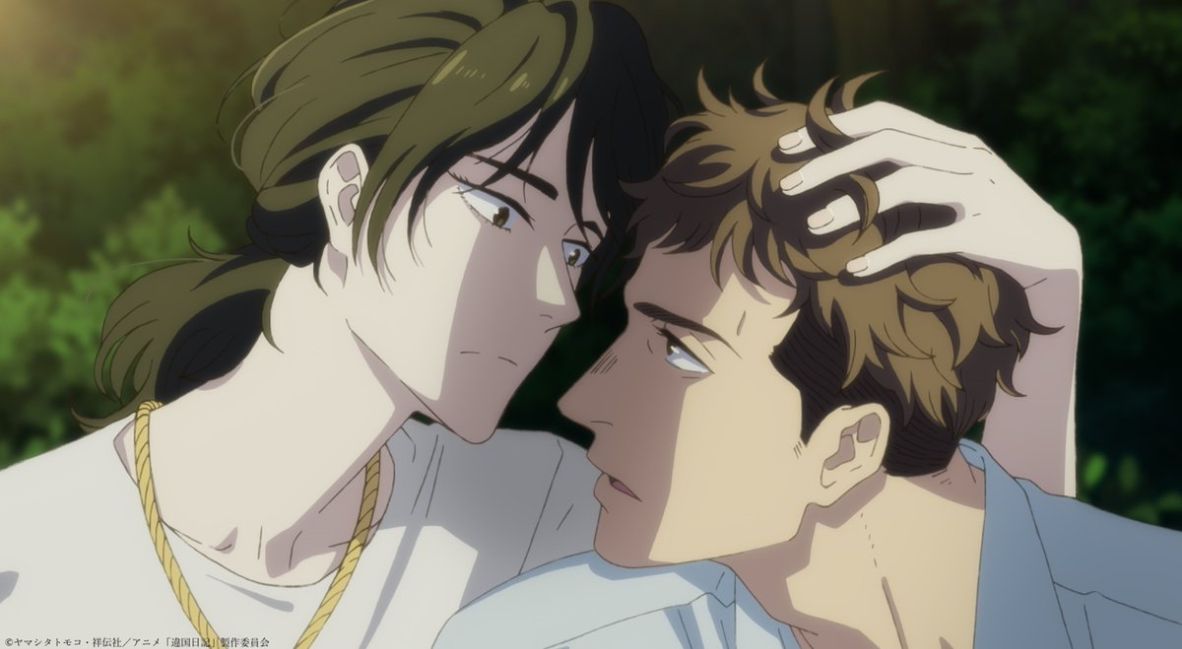
It feels like a real, complicated, adult relationship where feelings are involved, but one half of the dynamic isn’t looking for a standard, societally accepted romance. And the other, understanding this, accepts it. Accepts it and learns to approach the relationship with renewed faith.
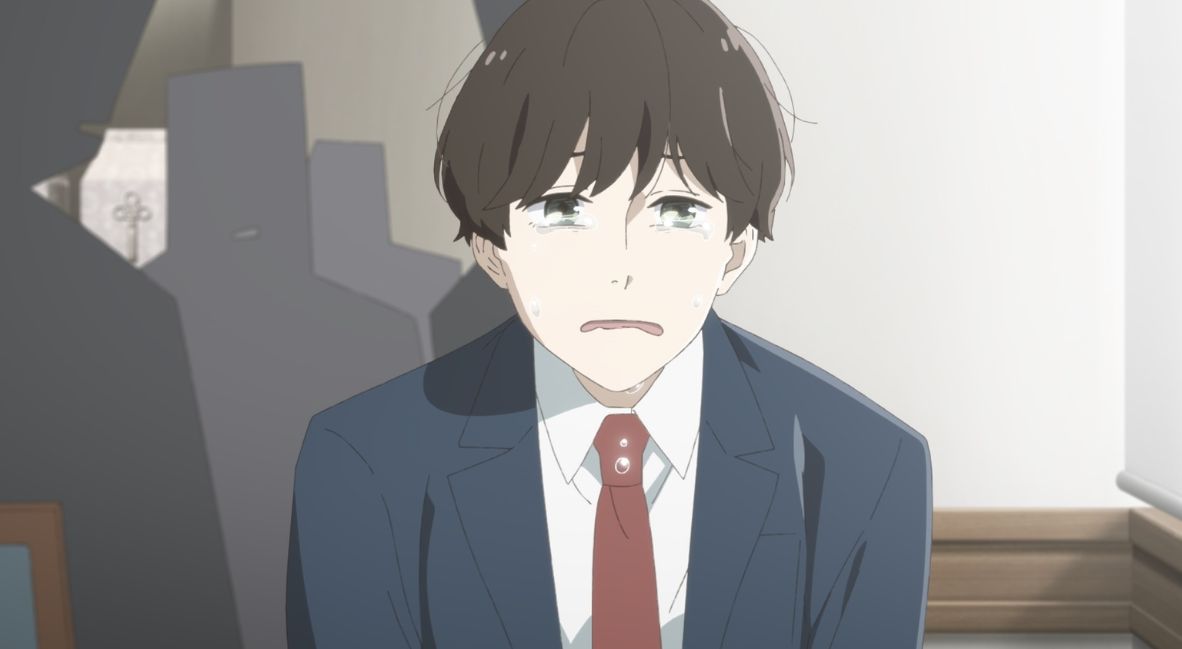
Journal with Witch finds greater narrative depth with Shingo beyond his intense chemistry with Makio and her ongoing tentative reliance on him. In what might’ve otherwise been a throwaway scene, we watch as he confesses to Makio’s friend, Nana Daigo (Eriko Matsui), that a few years ago, following (but not due to) his and Makio’s breakup, he found himself sinking into a deep depression. What he once saw as personal failure was now something he was waking up with, crying, unable to leave bed, and forced to leave work as he sought a way to heal himself.
It’s just one of the many ways that Journal with Witch refuses to accept easy solutions or straightforward character arcs. Instead, it angles for new approaches to characters we think we have figured out. We see it, too, when Shingo interacts with the caseworker, Kazunari Tōno (Takashi Kondō), who is helping with Makio’s guardianship duties. Rather than default to expected barbs or jealousy, the two strike an easy balance. Both operate as follies to Makio on the surface—straight-laced rule-followers against her wild-child defiance of expectations.
Characters like Shingo shine a light on how our journeys never go the way we expect.
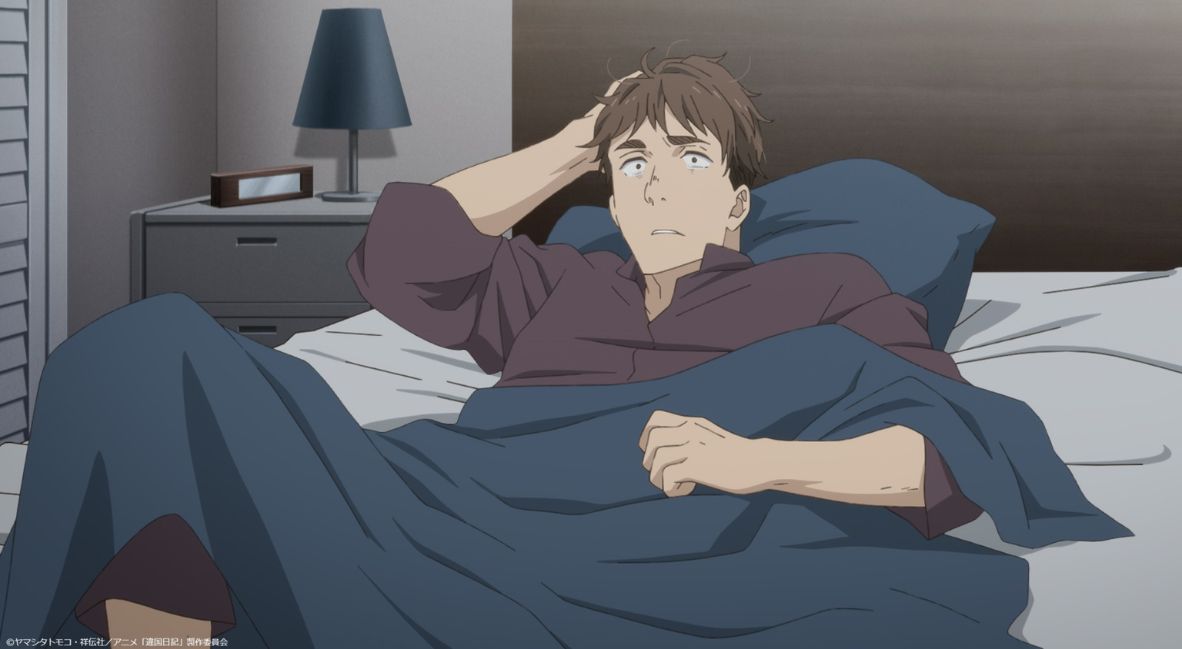
Yet Kazunari, who shares with Makio that he’s never felt the need to succumb to fantasy worlds for comfort and is disinterested in media, offers an unexpected, unassuming lifeline to Shingo in Episode 8. Retelling a story where, in his one moment of ditching school, Shingo’s father’s only response was to click his tongue in distaste, Kazunari grows angry on young Shingo’s behalf. It’s a bonding moment that reminds us, again, these characters are fully formed adults. They’re not beholden to the pains and joys of their youth but are informed by the experience just as any more recent occurrence informs them.
Any flaws they have are just that: flaws. They’re morally sound individuals who, at times, struggle with their mental health, emotional aptitude, or ability to perform menial tasks. But the series doesn’t condemn them for these struggles or suggest they must grow and change to better themselves. Instead, they’re fundamental pieces that make up the DNA of who they are. The flaws, in this case, aren’t so much negatives but wonderfully, hopelessly, human characteristics. Perfection works in contrast with the act of being human.
And each has their own story—their own interiority—which makes the presence of journals (of writing) so integral to the story. Makio gifts Asa one as a means to help her process her emotions. She tells her she can write whatever she wants, can doodle, or note down nonsense. She can even lie. It’s her journal to use as she pleases, as a means of escape and processing grief. Makio ensures her that it’s meant for her eyes only, a lifeline in that turbulent wasteland of loss.
Our growing period doesn’t end with adolescence as we continue to find our place in life.
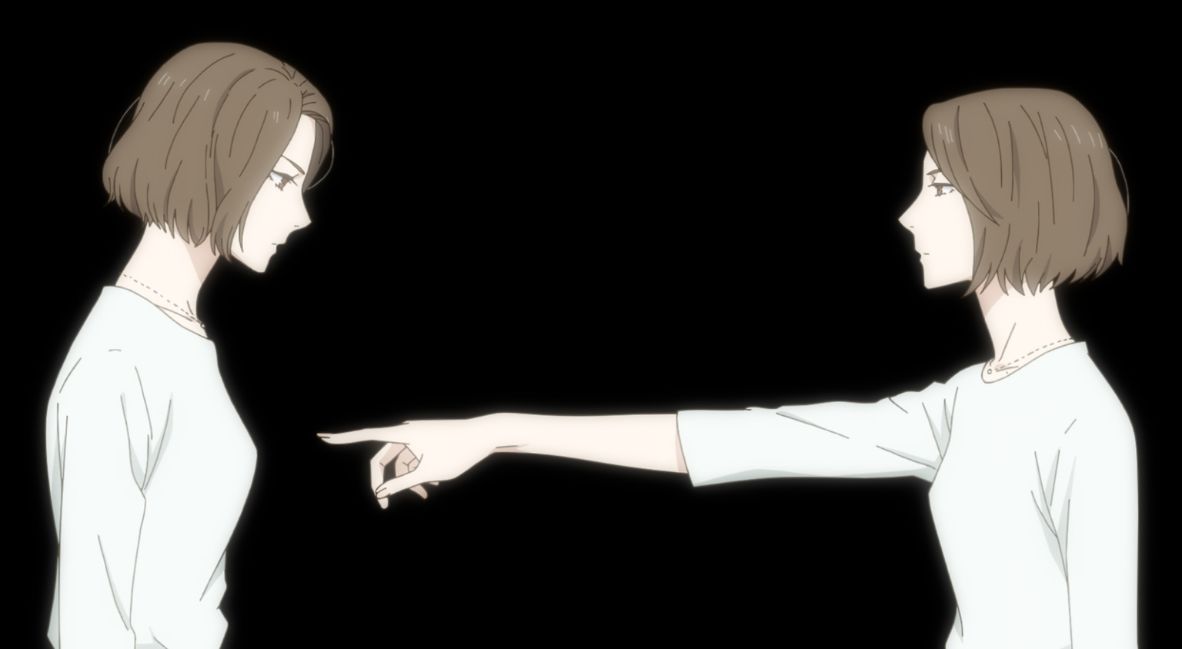
And it’s through journaling that one of the more enigmatic characters, Asa’s mother, Minori (Sayaka Ohara), adds another layer to a story that deliberately showcases the complicated emotions we undergo as we grow older. Makio hated her sister and makes that clear to Asa. But that doesn’t mean that Minori was inherently bad. And, as seen in a flashback, as she wrestles with her own disappointment and discontent with her life and ambitions, Minori, too, found refuge in journaling, even if it was all for Asa.
She wasn’t simply a judgmental sister or just a loving mom. She was a woman bound by societal expectations who prioritized the happiness and safety of her daughter over anything else and internalized any shame or desire she might’ve otherwise expressed. Despite how she presented herself, she yearned for a life in which she might embrace the same freedom that Makio charges ahead with. What Makio sees as being detrimental, Minori saw as liberating.
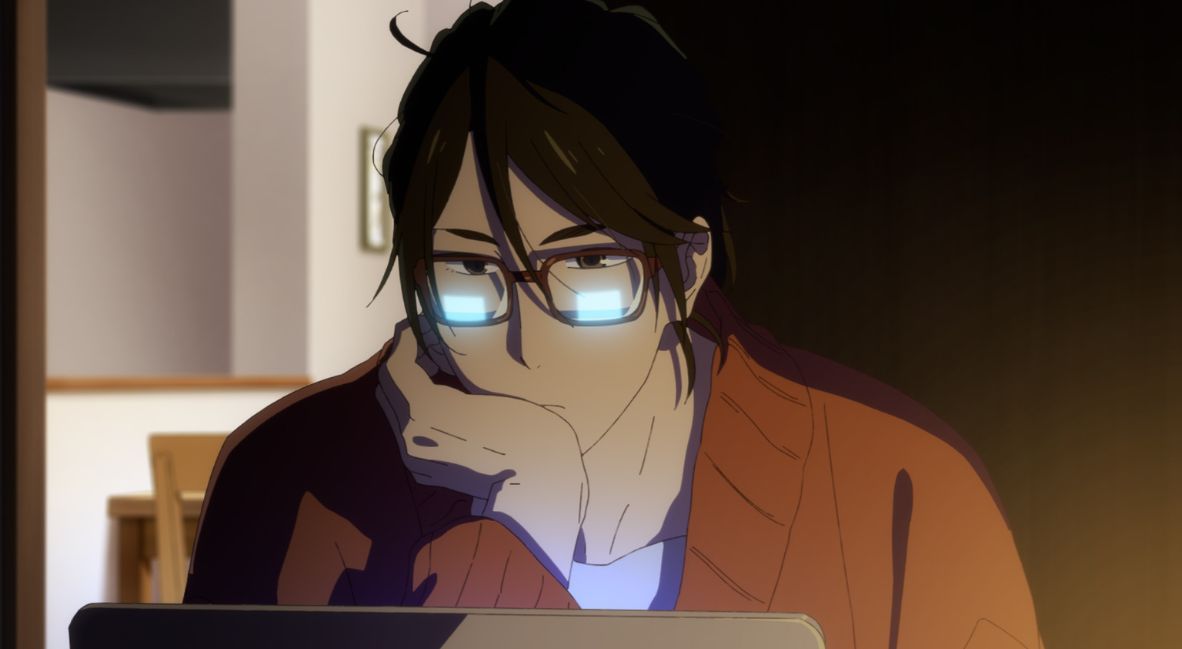
And it all circles back to Makio. Makio, who, upon her first appearance in Journal with Witch, hunched over her laptop in a darkened room, with books and notebooks scattered and stacked (always stacked) in a controlled but inescapable disarray, would have already been deeply, scarily relatable. Makio, who is emotionally intelligent and creative, but struggles with day-to-day tasks that others find menial.
Makio, who uses binder clips to keep her hair out of the way. Makio, who finds refuge in the brain-silencing, world-canceling act of writing, who exposes her innermost desires and beliefs through fiction while understanding the inherent contradiction in keeping her personal journals private.
“My mind is always busy.”
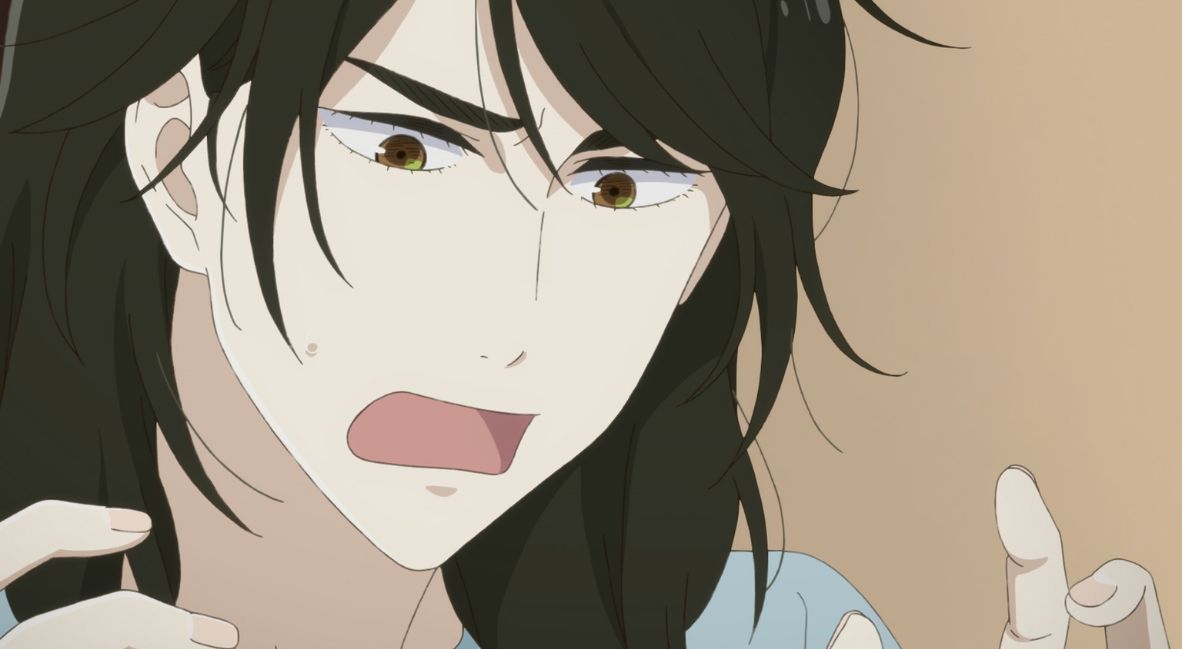
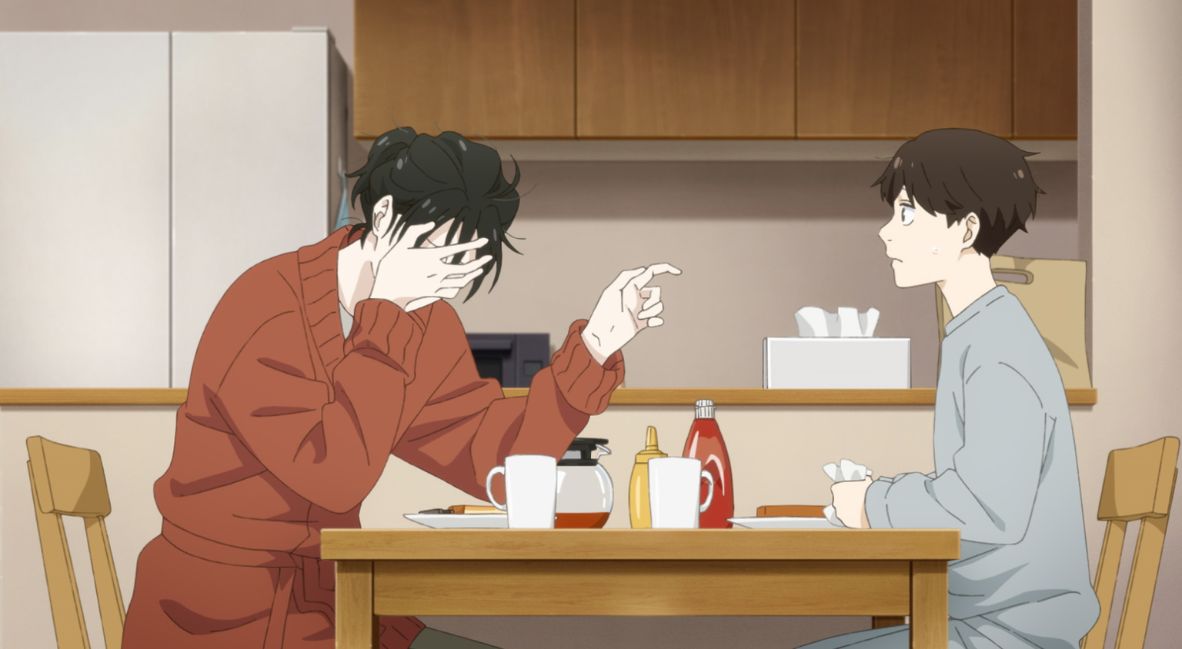
It all makes sense in a cathartic moment where Asa confronts Makio about her disorganized living situation, having cleaned before leaving, only to return home hours later to a mess. Asa asks Makio to clean it up, and Makio tells her she will in a bit. Asa, a belligerent and temperamental teen who is accustomed to one way of living and overflowing with misplaced yet understandable anger, pushes back, asking Makio why she can’t just get it done now.
Makio’s steadfast, aloof persona drops, overwhelmed by the idea of accomplishing another chore while a deadline looms, her laptop just out of sight. Asa can’t understand it, asking why she has to be so emotional, essentially telling her aunt that she’s overreacting over something that should be “obvious.” Makio calls her out immediately. And the defiant anger is warranted because, as she tells Asa, no one has the right to determine what upsets others. We get to decide that for ourselves.
Being told that something is simple, that we shouldn’t be moved to tears or frustration by things that make us insecure, emotional, or angry, is thoughtless and naive and, if said in bad faith, is proof of a narrow-minded lack of empathy. It’s worthy of baring my teeth. It suggests there’s only one way to act and interact in and with the world. “What’s obvious to you doesn’t come so readily to me” is a devastating, necessary truth that speaks to the show’s thematic undercurrent of two people relating despite their differences, and to many of us who needed to hear it.
Journal with Witch (Ikoku Nikki) understands that our flaws don’t define us.
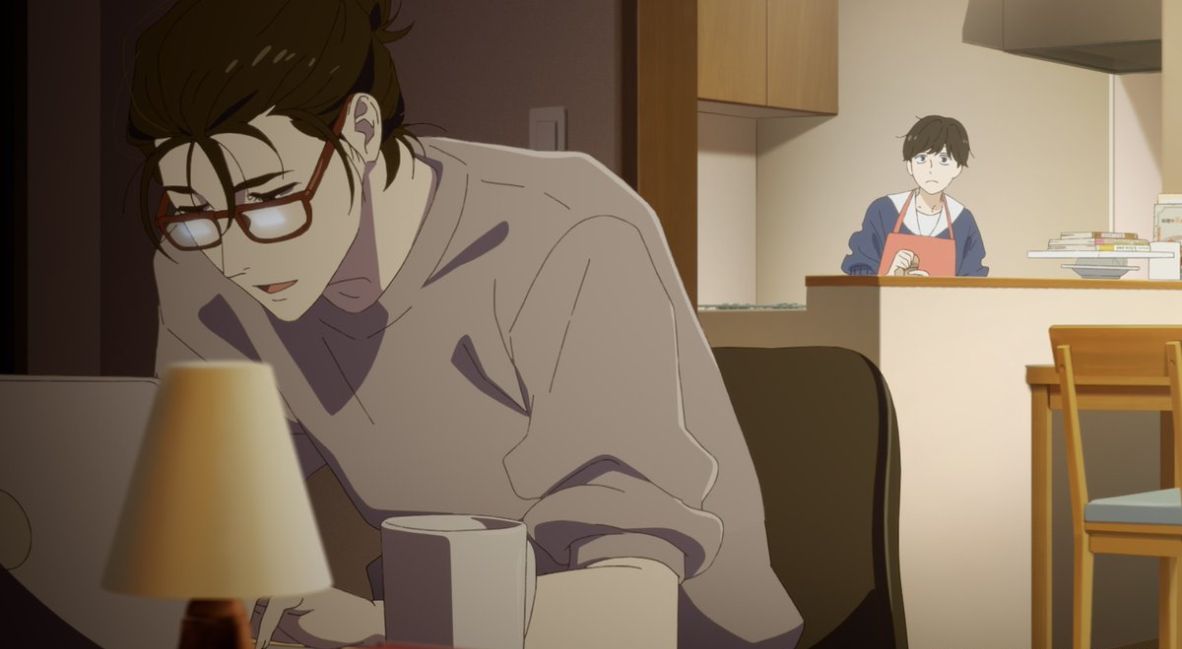
Because those simple, menial tasks feel formidable and daunting sometimes. Why would I want to move away from my computer, from writing, when it’s the only thing to soothe a restless, fumbling brain whose main objective is often to list out my inadequacies, fears, and insecurities without even taking the effort to alphabetize them? This isn’t a dismissal of real-life problems that need to be solved. We should all strive to be better about taking preventive measures to ensure we live healthy lives. We should all probably stretch, pay our bills, and, I don’t know, drink water.
But like, how do we get there? How we manage it and how we process the mental stamina it takes to accomplish what, to others, seems like one simple call, is up to us. That half hour between writing and starting a load of laundry is, in some ways, a way to stay the course not just a way to avoid basic housekeeping.
It’s really easy to feel like a failure when we’re surrounded by media and algorithms designed to make us feel inadequate. And there are trappings and hurdles to everyday adulthood that seem so beyond what I’m capable of, and that’s before we even get into the self-improvement regimens or skin care routines or reminders to hydrate (there’s an app for that). Journal with Witch doesn’t look to absolve these feelings.
Embracing our internal monologues, systems, and flaws.
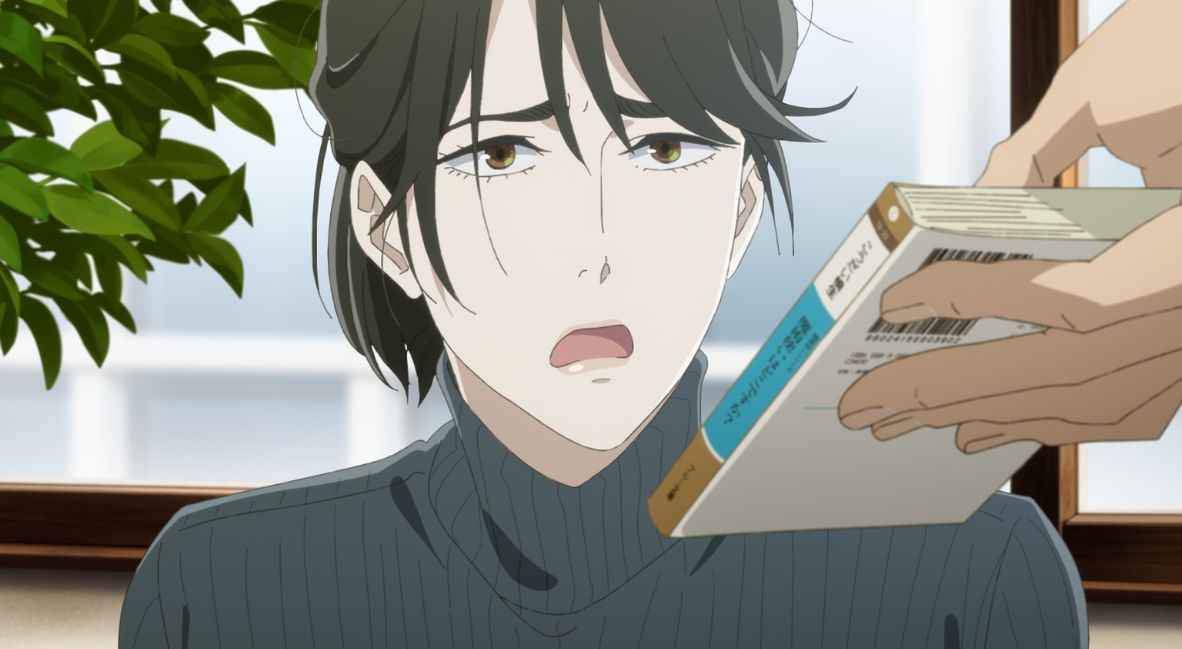
The intent of the series isn’t to provide a fix or suggest a fix is necessary. Instead, its beauty lies in how it holds up a mirror to those of us who need it, reminding us that this—this life thing—is all an exercise in figuring ourselves out. We aren’t incapable just because there are elements about everyday life that seem beyond our ability to manage. Our transformations don’t end at each arbitrary numerical benchmark we’ve set for ourselves.
Makio’s messiness, bad posture, belief in the healing properties of good storytelling and better food, and inability to stay up to date with seemingly fundamental organizational tactics and housekeeping are profoundly relatable. Necessary, even, for some of us, especially when timed just right.
Journal with Witch is so much more than this one moment or this one character. It’s a raw, expository, character-driven story that confronts the ugly truth of the mental and physical toll of grief and deep-felt loneliness as we all process the truth that our experiences are all our own, lost to our pages and crowded margins of interactions, romances, triumphs, ongoing internal monologues, and losses before us.
We will never understand another person’s acute emotions, no matter how close we are, in the same way they do. But Journal With Witch understands that effort and community are necessary to thrive, and that writing is, perhaps, the easiest, cheapest remedy. That it is, in many ways, the most therapeutic means of expression in its truest form.
Journal with Witch is streaming now on Crunchyroll.