
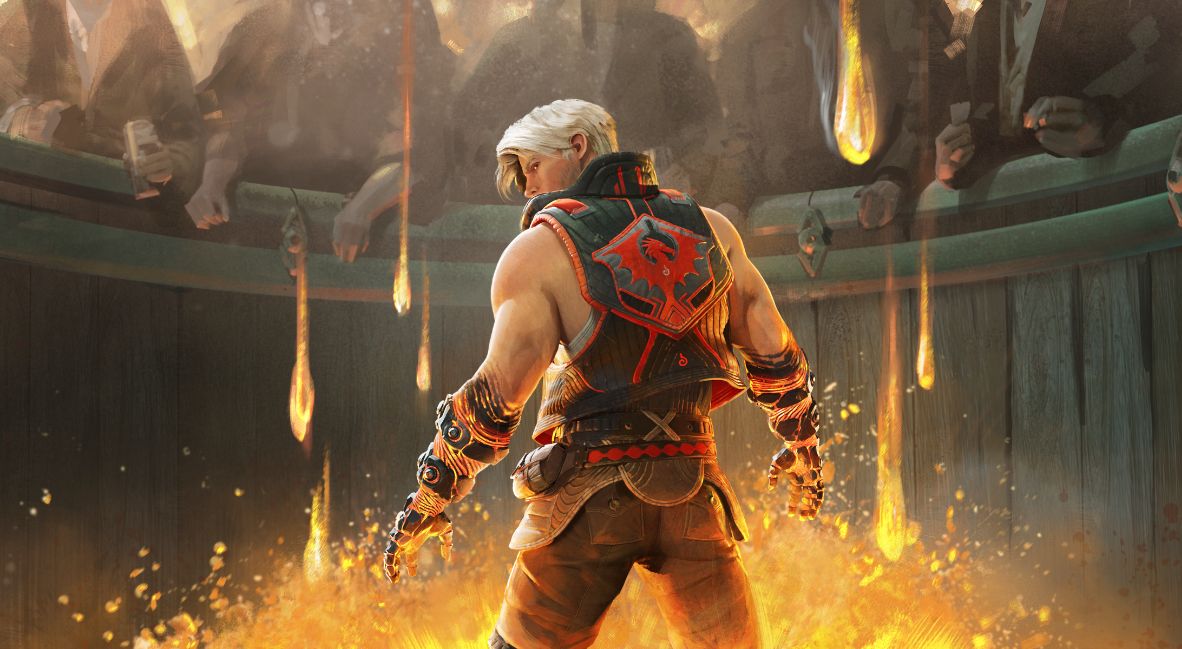
Read our hands-on preview for Wildlight Entertainment’s Highgaurd here.
During the Highguard media preview event, we got the chance to speak with Wildlight Entertainment’s Founder and CEO, Dusty Welch, and Founder and Studio Head/Game Director Chad Grenier. A young studio, the free-to-play raid shooter is their debut game, capitalizing on the decades of experience the studio’s developers have in the shooter genre.
In our conversation, we discussed Wardens, how the concept of a raid shooter came together, and most importantly, how community is at the heart of everything that Wildlight Entertainment is planning to do. While the game is just now launching, the developers are hoping to see a future that brings players’ asking to learn more about the characters in the game, for single-player experiences, and more importantly, a future of competition and community that could spawn a Highgaurd con in the future.
The following interview was edited for length and clarity.
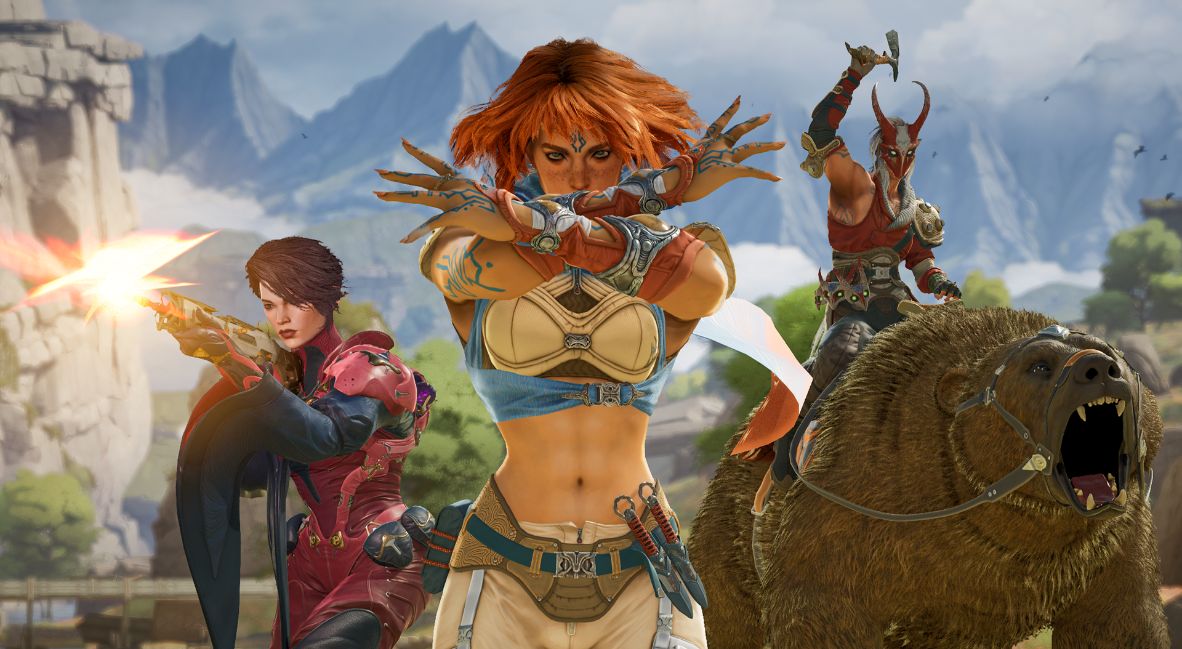
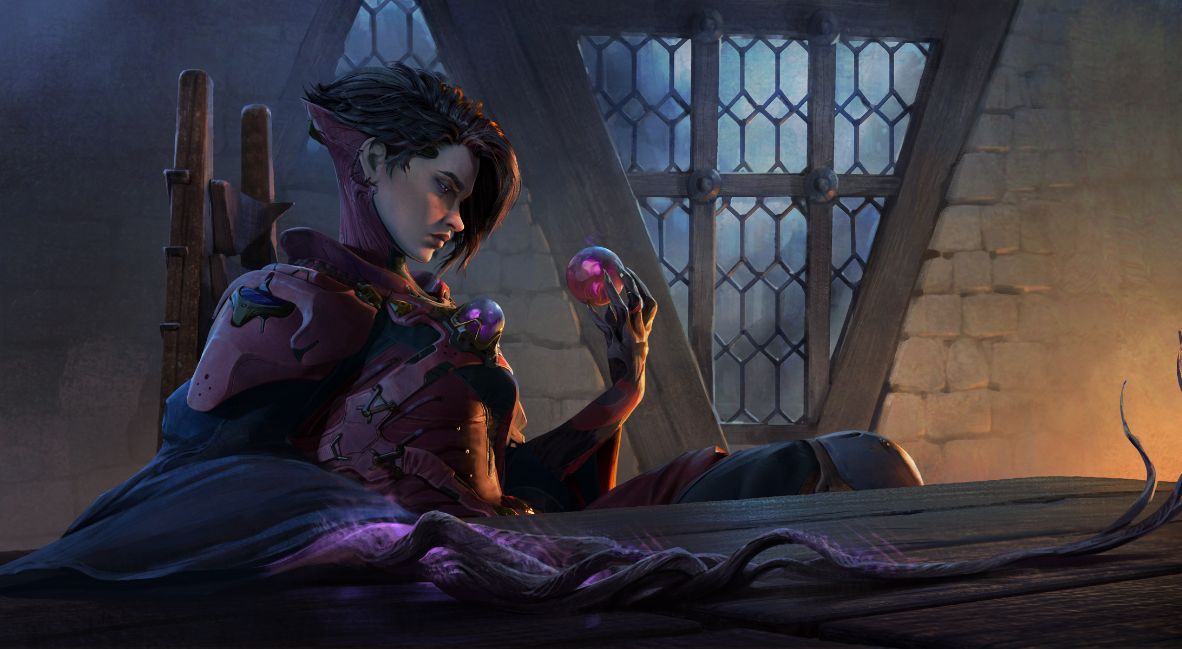
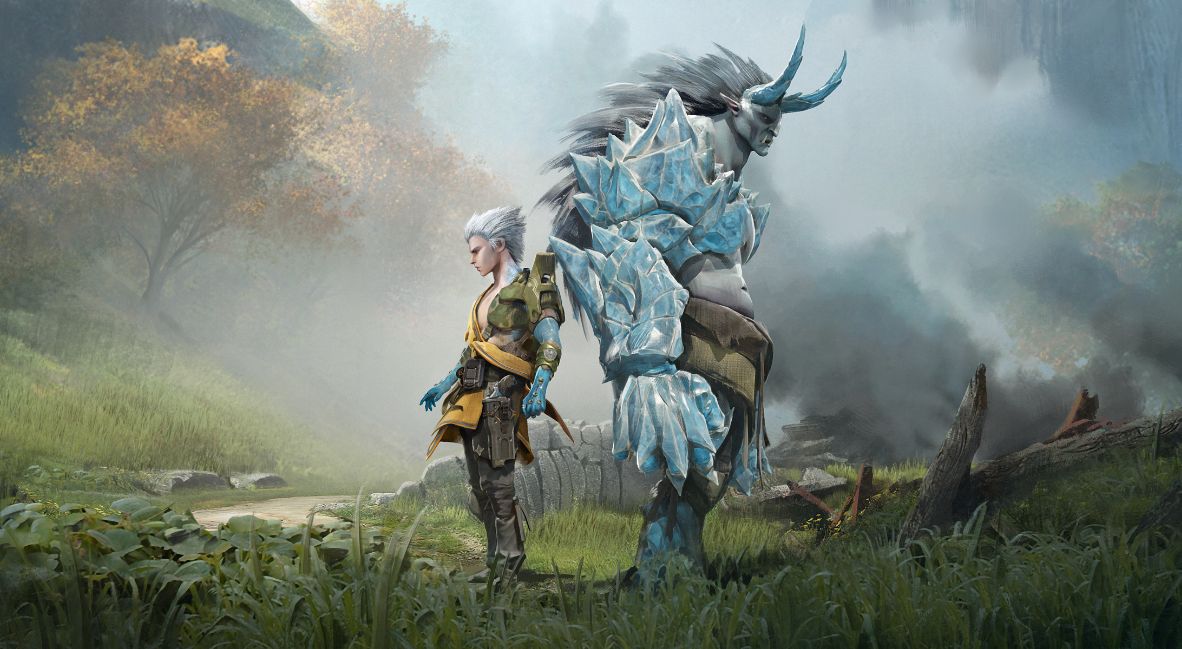
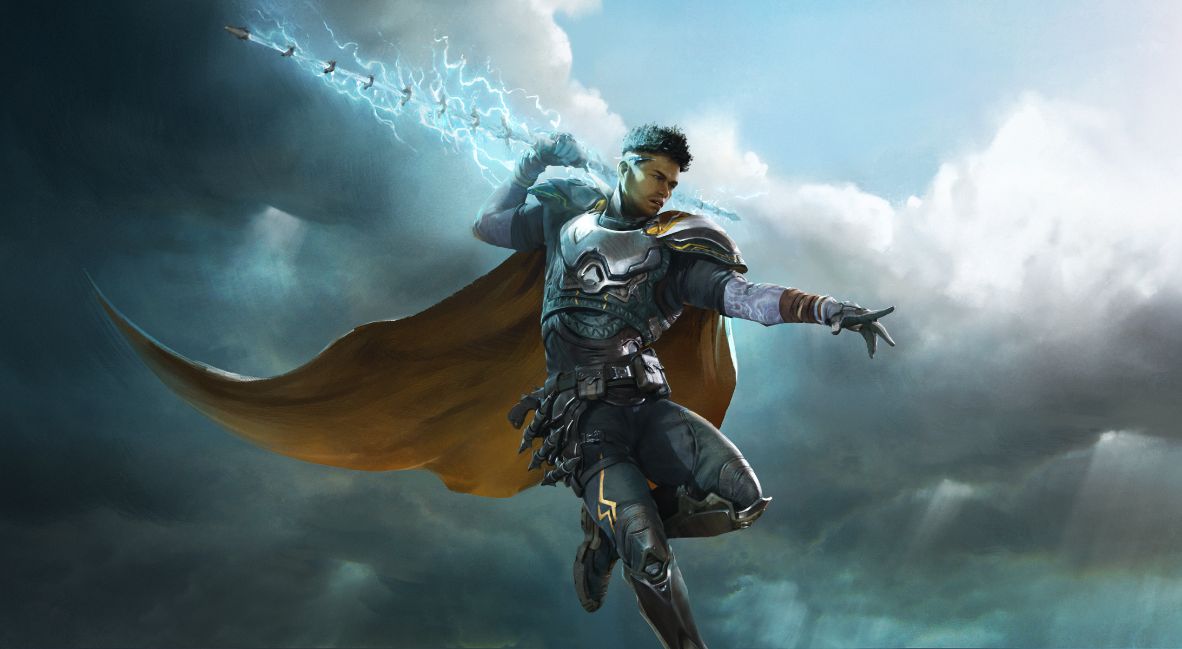
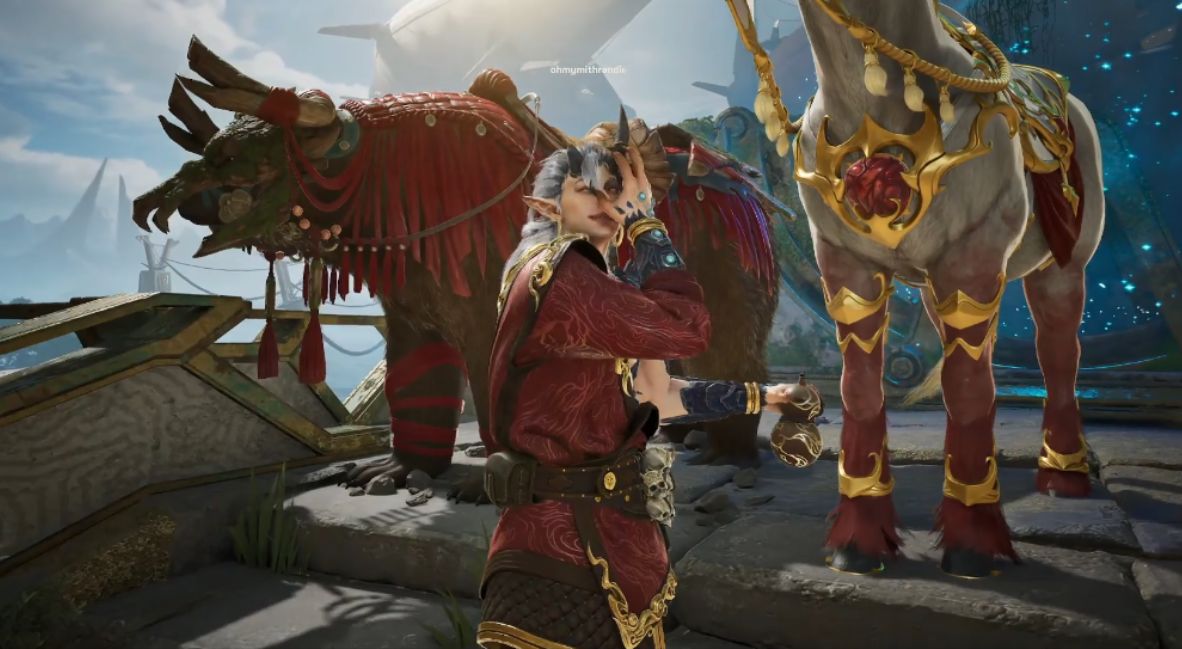
After my time with Highguard, the characters are what stood out immediately. At launch, the raid shooter will have eight Wardens, the game’s version of heroes. Outfitted with three abilities each, the Wardens’ personalities are set byt heir designs, abilities, and the banter we hear throughout downtime in matches.
A multiplayer game only, we asked the developers about the inspirations for the characters and how the Wildlight Entertainment team is approaching storytelling, in a game where solo-play and campaign stories aren’t the focus.
“We have great character designers, from concept artists to 3d modelers to people who are designing the abilities and the gameplay,” Grenier said. “We just let them go and explore and take inspiration from whatever they’re inspired by—games, movies, TV, life, whatever [they love]. I’ve just been very supportive of letting them own the characters and come up with those designs and inspirations. And I think it makes the game great.”
He continued, “Part of the beauty [of development] is that we have a team that has all different backgrounds and [are] from different places in the world, and all of those things shine through in different ways. We’ve got characters who mimic people on the team [in some ways], and in other ways are just completely made up! It’s been, it’s been really interesting and exciting to see those things come to fruition.”
The characters are all distinct from each other, and for Grenier, that kind of depth is thanks to the team’s diversity. He said, “The team is we’ve got people on the team from Brazil, from different parts of South America, from Canada, from the U.K., and from all over the place. Everyone comes to the team with different perspectives and different things that they’re into. When you allow a diverse group of people design characters, you’re going to get what we have in Highguard.”
Highguard’s Wardens reflect the developers who made them, but they’ll also be driven by the community of players.
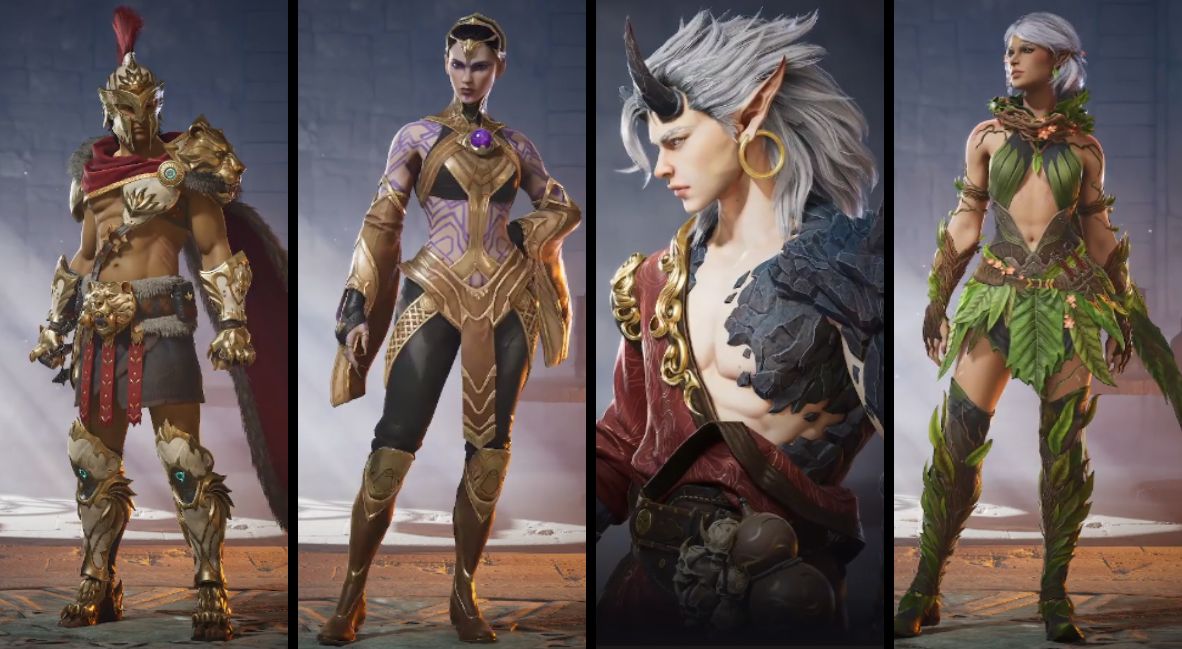
One of the exciting elements of Highgaurd’s Wardens is that, unlike with Apex Legends, the characters’ alternate skins do have a little fan service built in. Like the Roman armor for Atticus or nature-inspired skin for Scarlet, both male and female Wardens get the chance to embrace fun aesthetics. When asked about the dedication to creating new skins for players and making sure people playing both genders in the game get attention, Grenier responded:
“All of our characters get pretty equal playtime by all of the devs on the team. Everyone has a constant rotation, and all the characters are loved by all of our devs. There’s not one [Warden] people tend to gravitate towards, even internally, for playtests. That results in a lot of passionate people on the team for every character. Somebody is always fighting for every Warden that’s in the lineup.”
“[If you like a Warden], there’s a large group of devs fighting for that Warden and making sure that they’re getting cool content, pitching ideas. We’re prepared for live-service, and we’ve got a lot of the pipelines for future content in place, with both free and [paid] skins and [other features]. Not only are people on the team pitching ideas for their favorite Wardens that you’ve seen, but they’re pitching ideas for Wardens that you haven’t seen yet. We’ve got new Wardens coming very shortly after launch and thereafter, and people are already fighting on their behalf!”
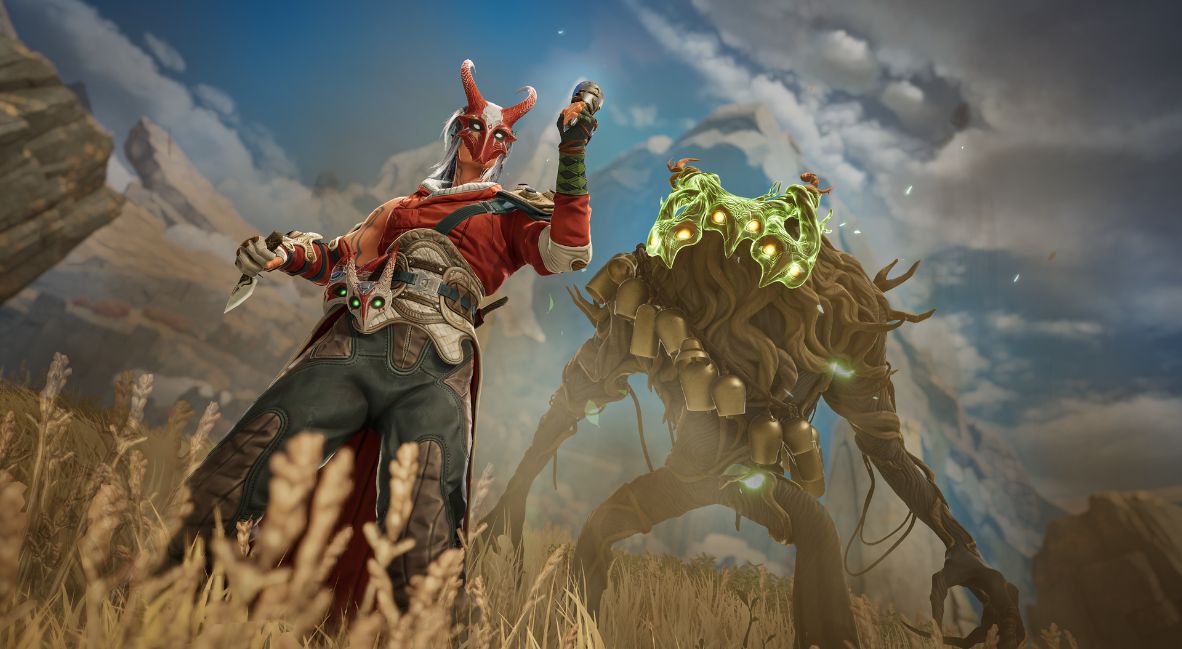
But it’s not just what the developers at Wildlight want when it comes to skins and characters, and the duo understands that. In fact, the bulk of our interview always came back to community feedback and meeting players’ requests.
Dusty Welch added, “As a company, [feedback] is so important, and we’re so excited to release the game and then begin that dialog with the fan base. With respect to characters, I know that a portion of the team is so excited to see the reaction to the characters they’ve created and the personas that they’ve shaped, with the outfits, [and other elements]. We will be on this ride with the audience and responsive to them as well. That’s really part of the opportunity and responsibility that we have as developers.”
As the debut game, Highgaurd’s status as a multiplayer-only raid shooter is tapping into the rise of players looking for more multiplayer experiences right now. With the massive success of titles like Battlefield 6 and Arc Raiders, and the continued competitive scenes around existing shooters, the genre often becomes people’s forever games. Entering that rotation is going to take understanding why people play shooters, and when asked about the importance of multiplayer games right now, Grenier explained that it all came from their pasts.
“The inspiration for me was that I love playing multiplayer shooters,” he said. “I love all genres of game and I play just about everything under the sun when I can get my hands on it. But I have always gravitated towards shooters, and I’ve spent 24 years now making first-person shooters. We were working on Apex for a long time. I loved working on that game. I loved working on the live-service aspect.”
He continued, “I’ve met some of my best friends through Xbox, or, you know, whatever console at the time, voice chat. And many people I’ve met gaming have become real-life friends over the years, and I love it. And so there was no question that we want to lean into our strengths of making a shooter, and yeah, coming off of Apex, we were all on board trying to, trying to improve on what we had done in the past, and take those learnings from the Apex’s live-service and apply them to a new project.”
Welch added, “I mean, I love the competitive nature, right? The [competitiveness] of the smackdown in there. Sure, you can play a single-player game, and you get a lot of emotion out of that. But knowing that you’re competing against another human raises the stakes, and it raises your capabilities. I hope to highlight some of this, and it gives you a chance to get better, hopefully over time.”
“I think as humans, we love the social nature. We love being competitive. Look at our species, and we also mostly like to improve ourselves and get better. And we love instant gratification! You get that in first-person shooters every time you play anything that’s super fun. So for us, there was no question that we wanted to extend what we had been doing with our careers and make another online shooter. It’s not to say that we wouldn’t be interested in doing something in the single-player space if fans were really interested in that, but we’re starting with multiplayer, and embracing a new genre,” he continued.
Becoming a raid shooter wasn’t a linear path, but it was about Wildlight Entertainment developers embracing what they love.
Not only is Wildlight Entertainment launching a new multiplayer game, but they’re also showcasing a new kind of genre within the game type. Having played hours of Highguard, the “raid shooter” description is apt, and it’s not like anything I’ve played before, but it’s clearly inspired by games I love. But getting to this description was a windy path, one that forced the devs to look at their influences, how the game plays, and find something that players would understand.
Grenier explained the path to creating a “raid shooter” and how it was anything but linear. “We worked backwards on [Highgaurd]. We didn’t set out to make a raid shooter. We didn’t actually know that’s where we were going to land. We started out by having only the guardrails of making an online, first-person, competitive shooter. And that was because that’s what we like! [We played] a lot of games for inspiration.”
“There are MOBA elements in there because we played MOBAs early on and took inspiration from that. We played survival games. We played Battle Royale games, and we worked on one for many years, Apex. We played every type of shooter out there, and even some non-shooters.
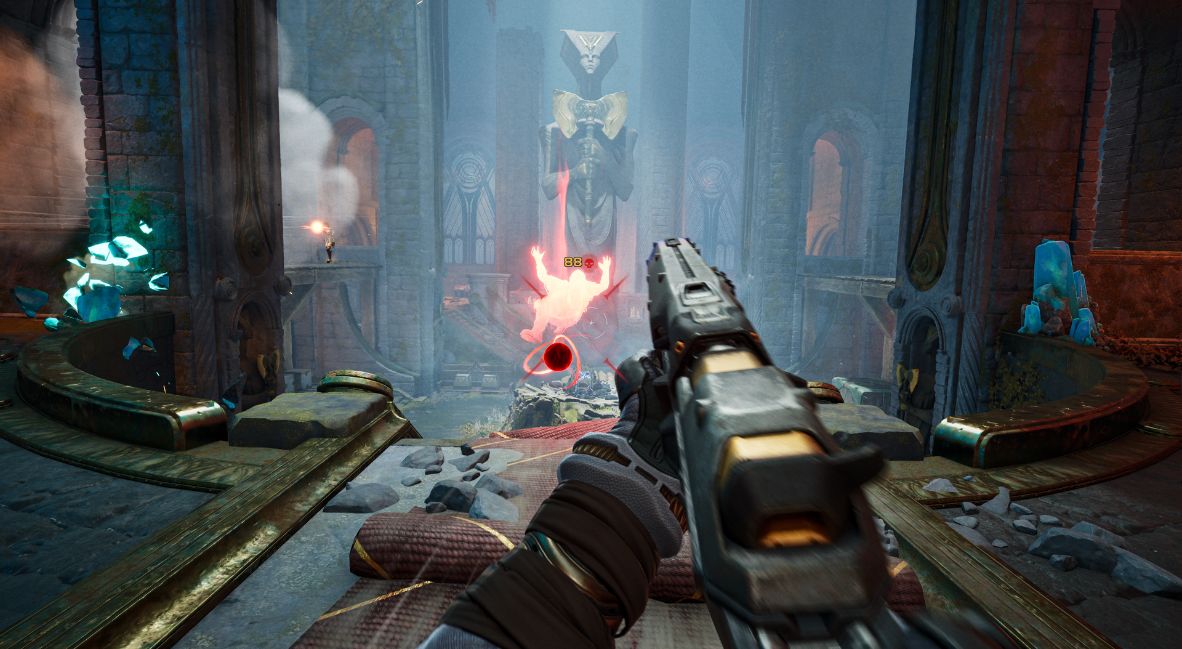
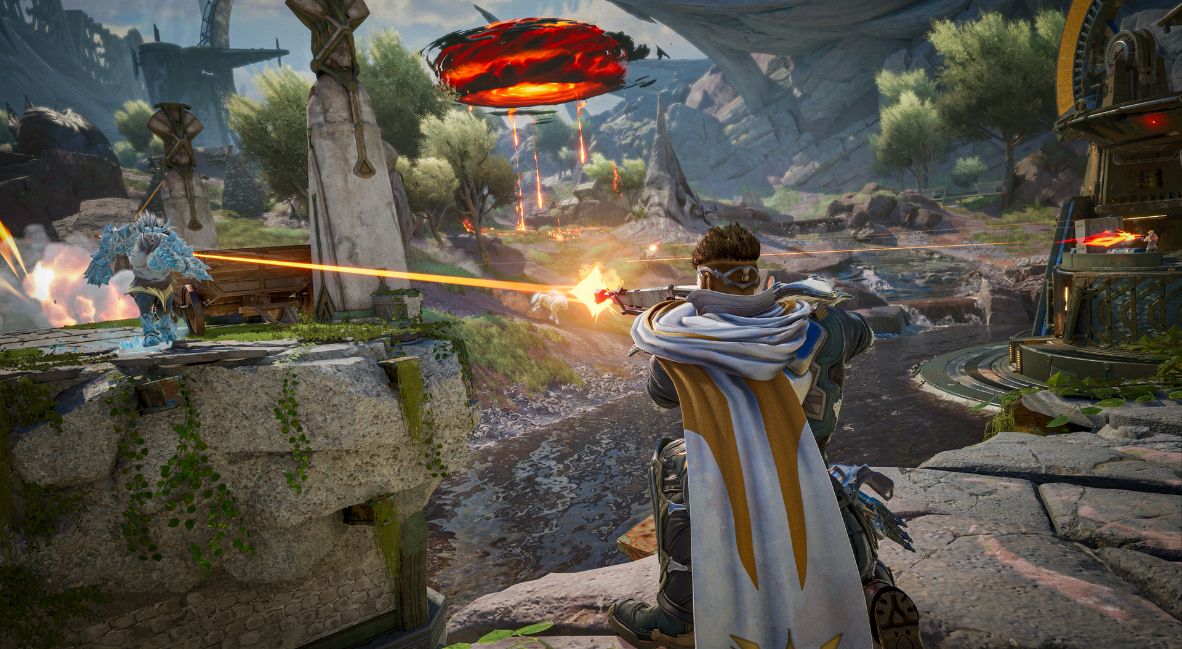
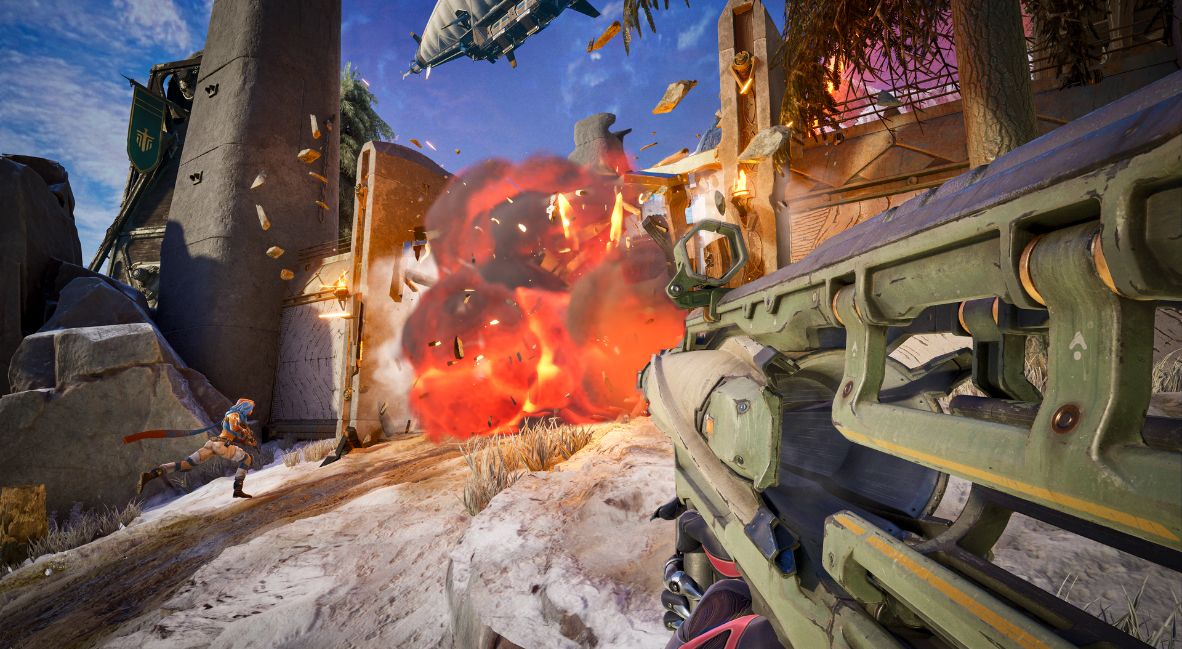
“If you continue to take those inspirations and see where the game goes and just lean into the fun parts and cut the rest, eventually you end up with this game that’s a mashup of things we love. It’s got MOBA elements. It’s got some [tactical] shooter elements with the bomb planting and diffusal, and we’ve got some reverse capture the flag. We have some [battle royale] elements where you’re exploring a larger map and looting.”
Adding, “The [phrase] ‘raid shooter’ came like a month ago, really. We were like, ‘Okay, now it’s time to start describing this really fun game that we’ve created to other people. How do you even talk about this game?’ Even talking to friends that we would have come in and play, they’d ask, like, what is it? And we would say, ‘I don’t know.’ We kind of just had to come up with a way to describe it.”
“We came up with a raid shooter, because that’s what we feel best describes it. But we didn’t start as a range shooter; we really just created a game that we thought was really fun. There are very careful design choices that were made to make that [possible]. I think we have a lot of experience making a game that’s highly competitive and has a high skill ceiling, but some of the challenges were making it accessible to newer players.”
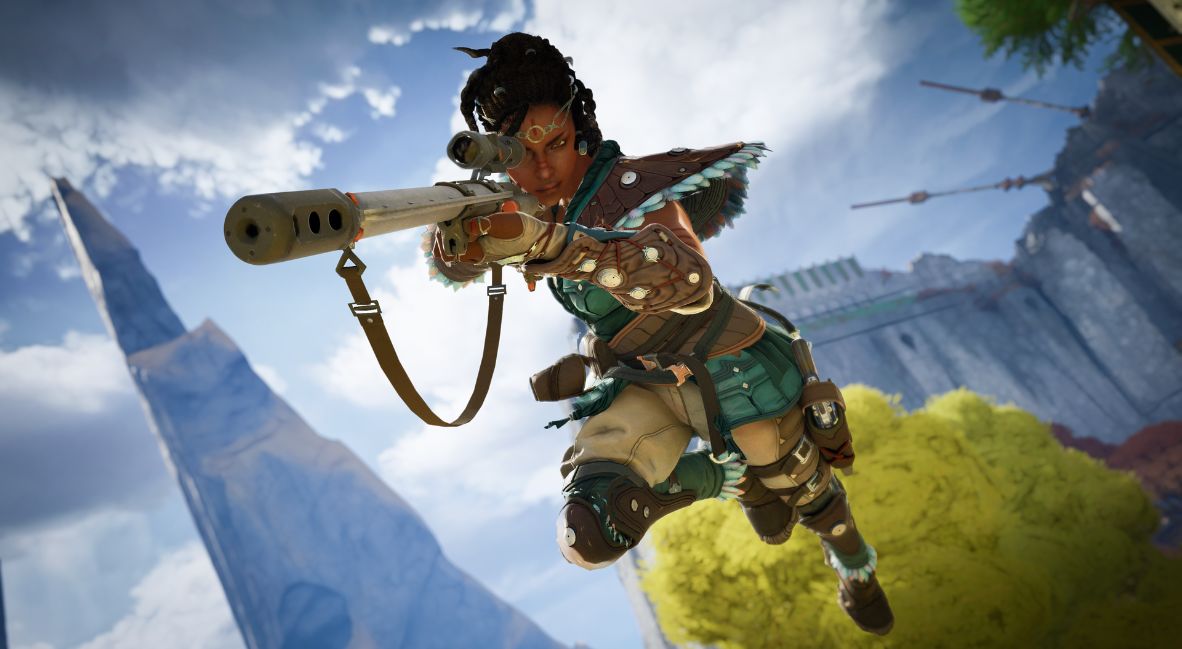
And that lower learning curve is what made Highguard exciting to pick up as I adjusted to the game’s mechanics and maps. Chad Grenier explained their approach to making sure the game is accessible to every kind of player.
“You can play Highgaurd just knowing that all you need to do is stay with your team and shoot other players. And ultimately, that is always helpful,” he said. “There’s never a time when that is not helpful, gathering resources and looting and all those things. That is a way to get better at the game and learn different types of tactics, but that is also not required.”
“Still, you can play the game and never loot any items, never harvest any Vesper, never use the vendor, and you can still be successful. That’s not a way to get at the high level of the game, but you can pick up the game and ignore all those elements and just stick with your team and shoot people, and you can have a great time. And then over time, over more matches, and as you get more hours into the game, you’ll slowly pick up those things. So it’s a very careful design and making sure that the game is accessible to everybody,” Grenier concluded.
After a whole day with Highguard and various developer conversations and presentations, the team’s small size was a constant point of pride and also often the answer given when asked about future states that would greatly expand the game’s scope, like developing a meta for an esports scene. When asked about the challenges that came with developing a live-service game with a small team and the strengths, Welch and Grenier took a moment to think and then answered.
“I’ll let [Dusty] cover the publishing,” Grenier started. “I suppose that because this team has worked together for a long time, there are a lot of benefits in that. We’ve also hired a lot of really great people that bring new perspectives and new techniques and new processes.”
He continued, “One of the [challenges] when you’re starting a company and creating a new game is that it’s really hard just to learn how to work together. If you think of it like a sports team, you can put a lot of really good players on a team, and that doesn’t mean they’re going to succeed, because chemistry matters. Knowing each other’s play styles and knowing where each other’s going to be on the field matters. You can put really great people together and still have a slow start, and it takes time to build that chemistry.”
Despite being a small team, the challenges Wildlight faced were smaller, thanks to how well they worked together.
But that wasn’t something Wildlight Entertainment had to deal with, as Grenier explained, “We took 60 plus people that have been working together for 10 plus years, some of us 20 years. We knew each other so well when we started the company, and started with that core group of people. Not only are they a great team, but the chemistry was built in, and we were able to hit the ground running and just start making a game.”
“We already know how we like to work. We know each other’s perspectives. We know how we think and how to communicate with each other. So, we got to skip all that [adjustment period]. We skipped probably a couple years’ worth of like figuring it out with each other, and jumped immediately into just exploring game ideas, tearing them apart, getting into heated arguments with each other, without feeling like, ‘Was that okay, that we just yell at each other, right?’ We’ve worked together for so long, and so I feel like we are very efficient as a team.”
But the closeness Grenier explains isn’t just because of their success as a team; it’s also because they’ve failed together before.
He ended, “We’ve all had the same failures and successes over the years, and we just we speak the same language from day one. And so we can, we can build a big game with a small team very quickly, and I’m very proud of that. It’s part of the reason we’ve stuck together in forming Wildlight, and everybody joining us immediately after is a testament to the chemistry and the desire we all have to stay together and continue making games together.”
Welch then explained the publishing side of working on Highguard as an independent studio, “Building the publishing side is every bit the same. It’s small, but every single person that’s on that team came from Apex and EA and worked together before at least one project, sometimes multiple projects, so we get more done with far fewer people, because that chemistry is there, that trust is there, the understanding of what’s required, strategies that we want to employ, it’s already built in the expertise.”
“I won’t say it’s easy, but it’s easier for us. The benefit, well, the freedom and the control to do what we want, when we want, how we want to get it done, is unparalleled, both on the dev side, the business side, you know, the publishing side,” Welch concluded.
Following those answers, it clicked how many times during the day the team spoke about the past. Apex was a constant point of conversation regarding systems in Highguard, as well as whenever the team discussed working together. So it should come as no surprise that Wildlight looked toward its tried and true strengths instead of trying to rebuild everything from scratch.
Wildlight Entertainment didn’t look to reinvent the wheel; they continued to innovate in other areas.
When asked about Highguard having some hallmarks of games like Titanfall and Apex, in regard to its kinetic movement and traversal, Grenier answered, “Well, we never were trying to completely reinvent everything. I think our mentality has always been to lean into our strengths, lean into the things that we love and have grown to love.”
“If you look all the way back into Titanfall’s really quick motion model and the really snappy gunplay, that carried over into Apex,” Grenier explained, showing the developer’s learnings from one game to another. “That wasn’t accidental, right? We just really love it! And so when we’re creating Highguard, it was like, let’s take what we know we love and start there and find other areas to innovate. We don’t need to try to reinvent the things that we already know are good.”
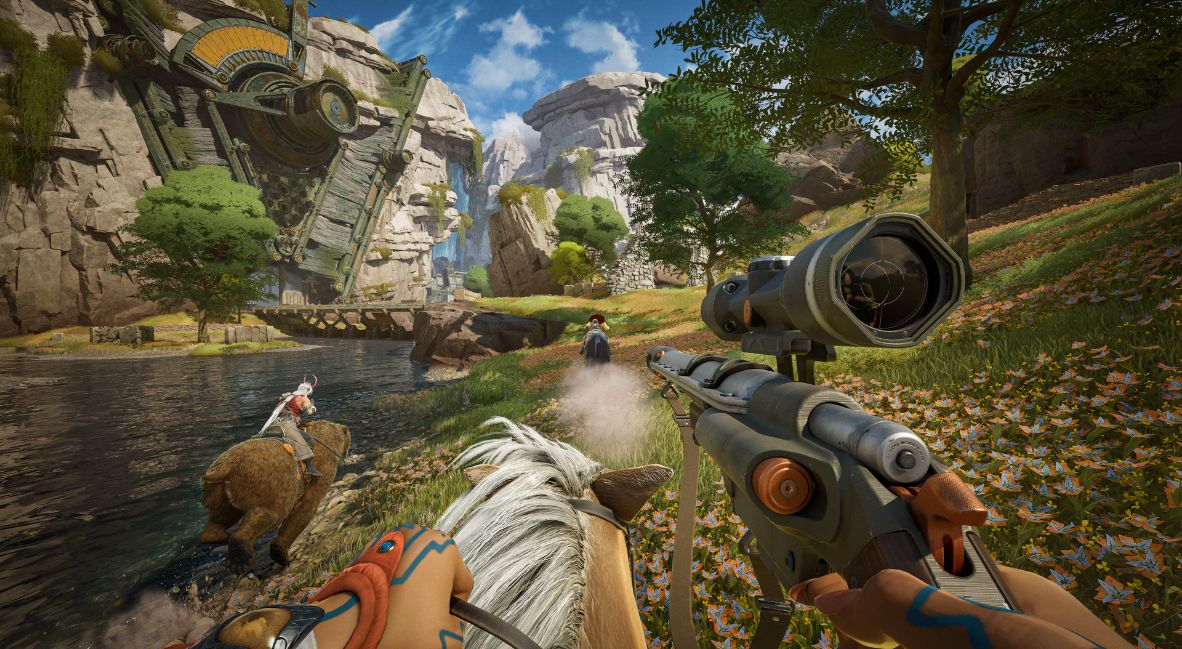
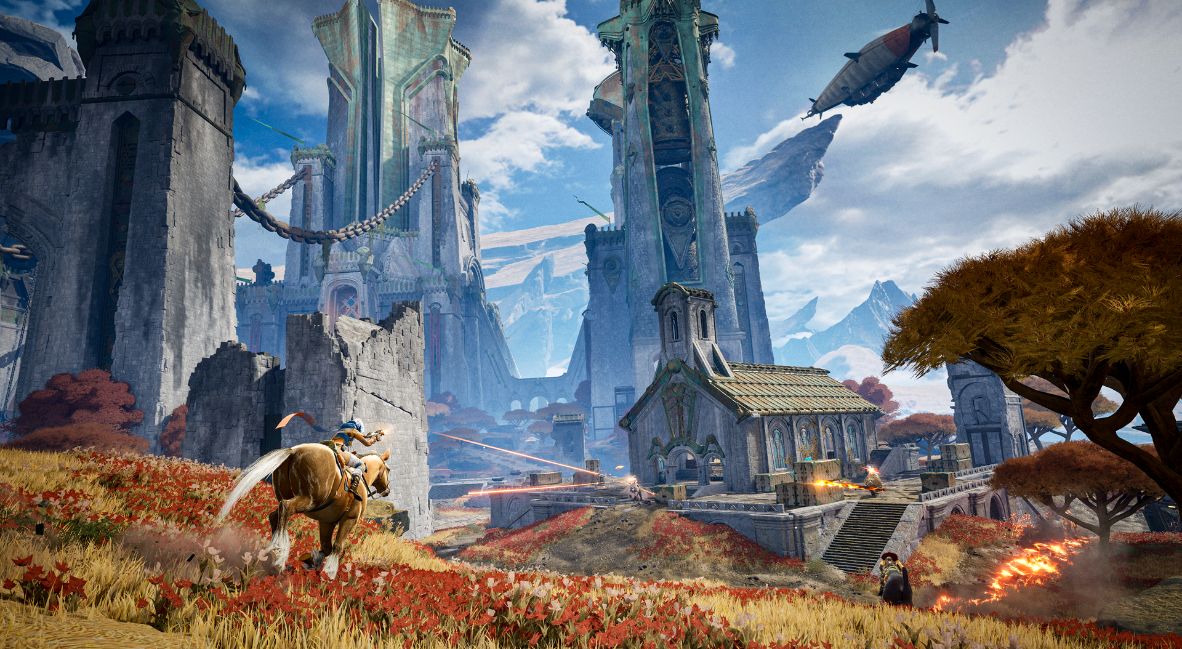
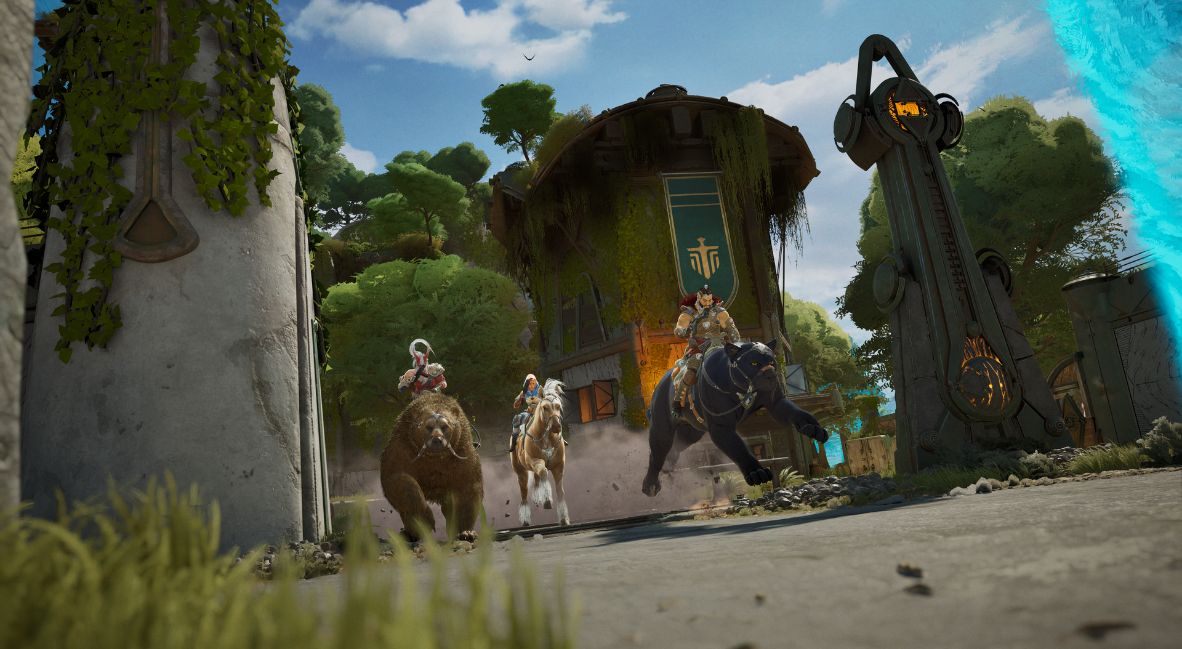
He continued, “Some of our innovations were in the game mode itself and the loop, and bringing that mash-up of familiar elements from other genres into one game. And that’s huge. That was a huge, you know, that took a lot of time to get that right. And the mounts, as you mentioned, are an area where we can, you know, plus plus on the motion model, and that’s been a lot of fun, and probably even more we can do in the future in that regard.”
“So, you know, making a new game is always a combination. It’s like a pie chart. It’s like familiar, new, and like a plus-up of something. So, you know, it’s always trying to find that mix of where you’re going to innovate, where you’re going to go into familiarity, and what sort of things you’re going to just do completely different,” Grenier ended.
But running a new studio also comes with learning opportunities for those in leadership. Welch explained what he learned about himself. “In my role, it’s been about giving more learning the parameters of freedom to give the team and the trust that you give to continue to experiment and to find and fail, to find and cut something that I might have thought was brilliant, but I’m not the designer.”
Continuing, “I’m not the developer. But [I learned] that even in the ambiguous times in the first couple of years, where there was no comfort of what you were making, or that it could be well received or even financially successful, that you have to maintain trust [in your team], and what you get out of that at the end of the project is something like Highguard. Then, you get the smile on 100 employees’ faces because they’re proud of what they’ve done.”
Community is at the heart of everything that Wildlight is planning with Highguard.
The pride that both Welch and Grenier have in their team is palpable. Throughout the interview, any time they spoke about the Wildlight developers, they couldn’t help but smile. But a game’s success isn’t solely determined by the pride its creators take in it. And the duo is well aware of that. In fact, to end our conversation, the community was the entire focus.
As we discussed what the individuals were proud of in terms of Highguard, Welch’s answer pinpointed the community and competition that Wildlight is focusing on fostering. “I hope competitive gamers want a piece of this, and they want to form leagues around this, and it becomes something down that day, because I think there’s really something special that you could go down to in the competitive space on the flip side of that coin. Both things can be true for us, and we would dedicate time to both,” Welch said.
“I hope that there’s a super passionate group of people that love narrative and characters and story, and want this exceptional team to deliver them a single player experience in this universe. I would love to deliver that to the team and let them make it, so that’s what I hope.”
But in the end, it all comes down to happiness, Grenier added, “I want a happy player base, and our team is happy with it, but you know, selfishly, I want both ends of that spectrum, because both of those vectors, to me, are super exciting in engaging players in different ways that are rewarding. I personally like to play in both of those spaces. So that’s a lot to ask, but that would be super fun.”
“I really want to see somebody do cosplay for one of our characters. The team would be so thrilled to see that we had,” Grenier added. This continued to highlight the importance of seeing a community rise up around Highguard for both Grenier and Welch.
During the conversation, Chad Grenier explained the day-to-day community building that Wildlight planned. It included keeping an active Discord channel, being responsive on social media, and making sure they had employees dedicated to cultivating the community they hope forms around the game. Plus, especially, ensuring they listen to feedback.
But for Dusty Welch, his focus on community was more of a hope. As he explained the future he envisioned, it was clear just how much he and the developers I had spoken to across the day were excited to get Highguard into players’ hands. And more importantly, Welch explained the future he envisioned for the game.
“Based on my experience and what I have grown up in the gaming space, loving. I hope we have an audience that is so passionate and wants to engage with us, because we know we want to engage with them. I hope we have players who want to go deeper into that competitive space and that we end up having [our own] Quakecons, you know, like Highguard cons!”
“I grew up going to Quakecon and doing all that stuff, and the way that Id would engage with its fan base, and talk about [development] with everybody, and those kinds of things, that was very transformative to me early in my career. I just love playing shooters. I was working at Activision, but that event, to me, was the end-all and be-all as a fanboy, but also as a business person. And that shaped my career. Quakecon shaped my path and the games that I wanted to be a part of, creating the teams that I wanted to work with.”
He ended, “So personally, I would love us to be doing those kinds of events, not on a massive scale, but certainly on a global scale. I’m passionate about, about a lot of places in the world, and some of our games have really, have really done well, like apex in Japan, yeah? I’d love to be there someday, you know, doing events and doing things like that for Highguard. That’s what I want to see happen with our community.”
Highaurd is available now on PC, Xbox Series X|S, and PlayStation 5.