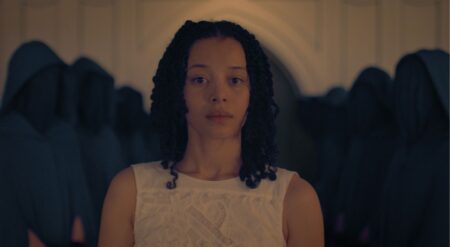

The long line of Pluribus is: “The most miserable person on Earth must save the world from happiness.” And that’s all I needed to get on board with the Apple TV Original series from Vince Gilligan. Bringing together Gilligan’s sardonic humor from Breaking Bad and his love of science fiction in the X-Files, the showrunner’s take on an alien invasion revolves around the Hive.
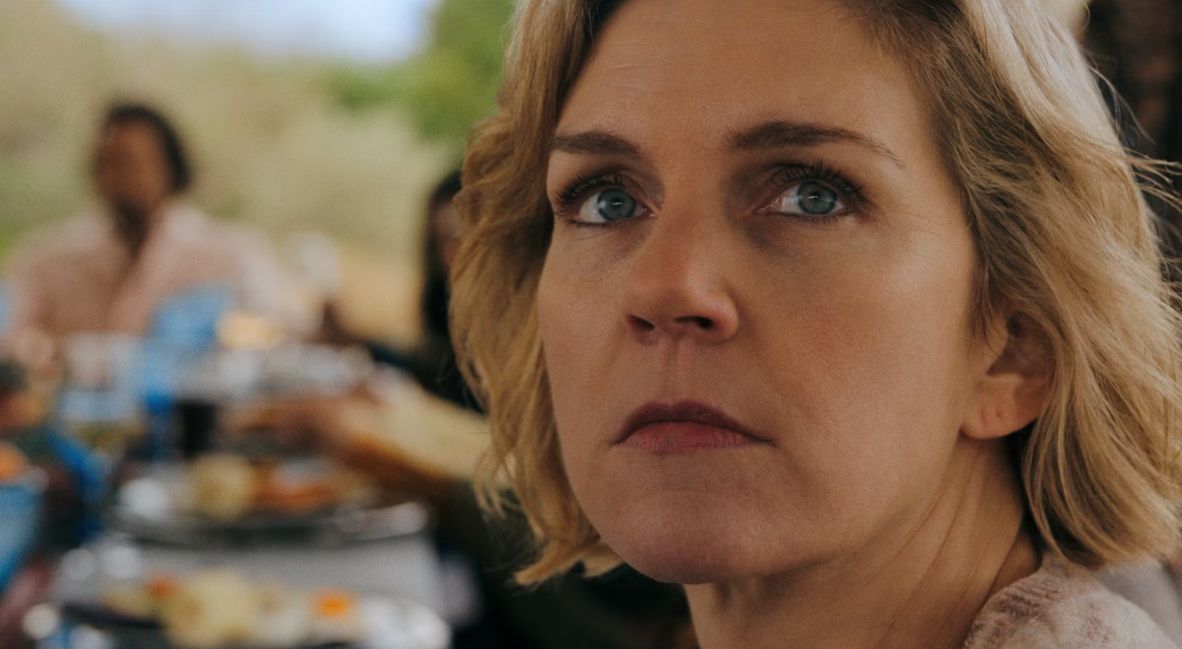
The series opens by introducing its audience to Carol Sturka, played by Rhea Seehorn. An author at her wit’s end, Carol and her wife suddenly experience mass chaos as everyone around them begins to suffer seizure-like fits. Then, her wife falls too. As her wife dies, others begin to get up. The reality is that every human on the planet, aside from 13 people, has been connected through an entity known as the Hive.
The only hiccup in the Hive’s plan is that the 13 people who aren’t affected by the Hive in terms of control still can affect everyone else on Earth. Their happiness and rage, their grief, all of those things impact everyone else. When Carol gets angry, the entirety of the world seizes and cries, and so, Carol’s happiness becomes the primary goal of, well, the world.
Pluribus continues showrunner Vince Gilligan’s iconic television filmography.
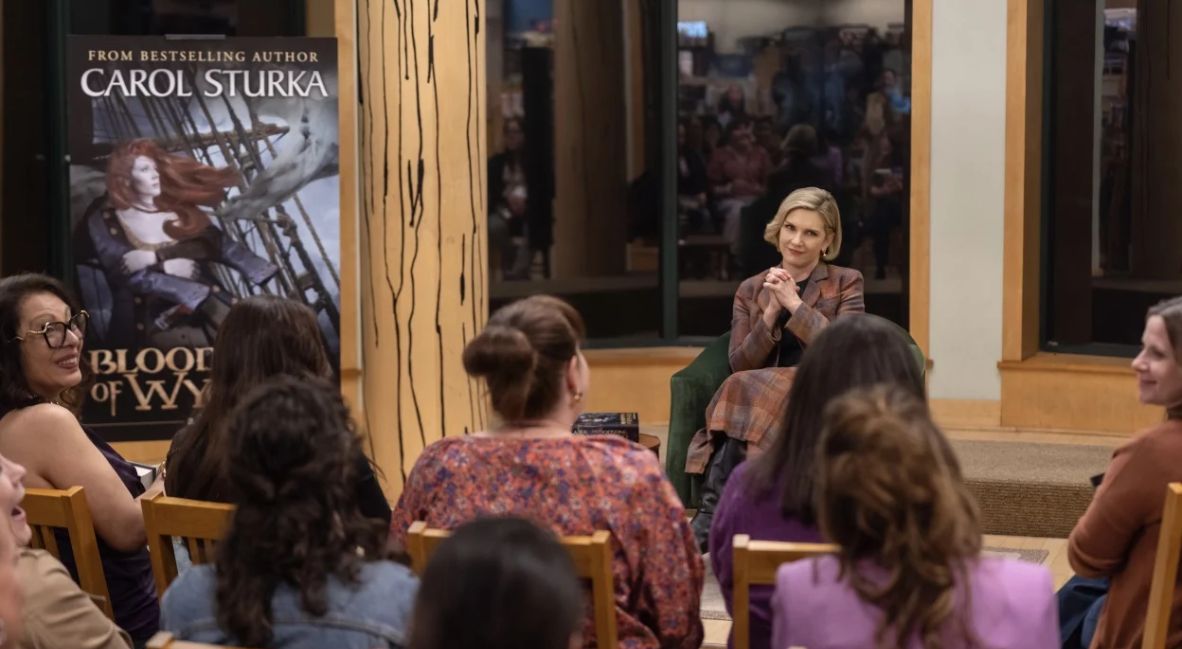
As Carol pushes back against the Hive, she discovers a few key truths as she talks and experiences this phenomenon with her Hive caretaker, Zosia (Karolina Wydra). The Hive can’t lie, and they can’t do harm. The relentless Pollyanna approach to everything presents itself as a utopia at first.
Carol is surrounded by people who want to make her life perfect. They want to take care of her. They want to make sure every one of her wants and needs is met (even if it means getting her a grenade or heroine). And ultimately, they want to persuade her to agree to join them. They need her explicit consent to include her in the Hive, but she has agency.
Pluribus is a unique experience as an Apple TV series. Pluribus’ take on an alien invasion is more intimate than series like Invasion, and the groupthink dynamic is less outwardly degrading and violent than what we see in Silo. Instead, Pluribus is an intimate character study of a miserable woman who defiantly clings to that misery. And she’s right.
Pluribus Season 1 is all about agency, and the burden and freedom that comes with it.
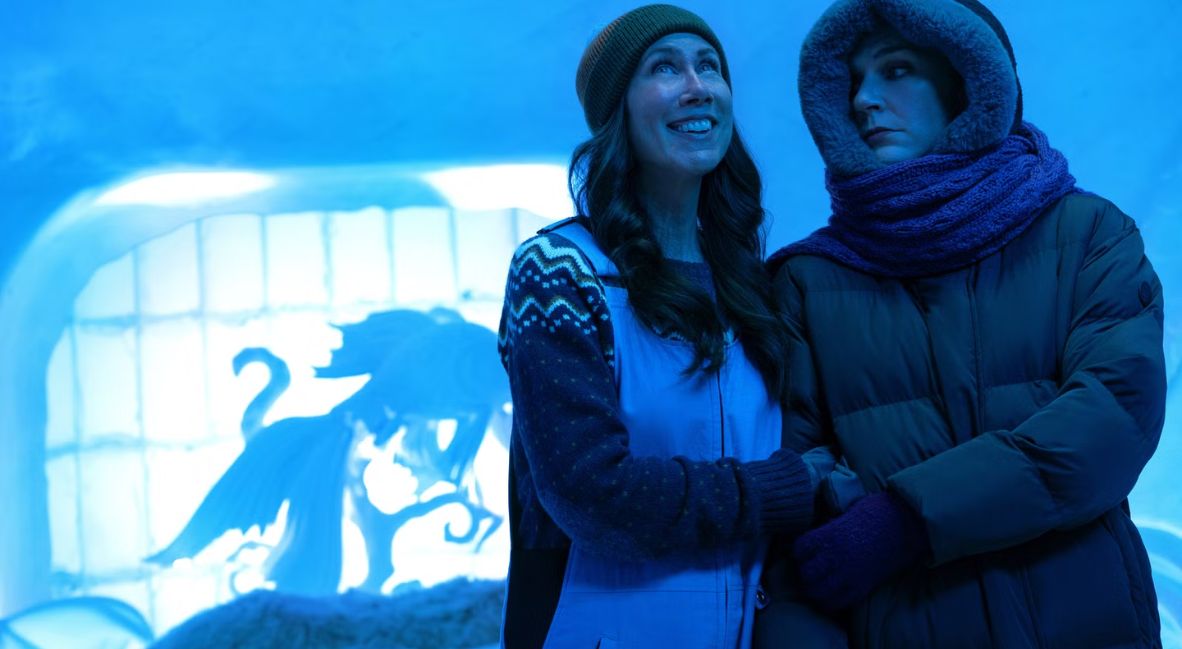
Central to the series is the idea of happiness and what it means to be happy, and what it takes to never have a negative thought that impacts your life. Only, as the layers of the Hive are revealed, their inability to do harm means that they can’t pluck an apple from a tree or slaughter animals for meat.
They are optimists and pacifists to the max, to the point that issues with both ideologies begin to surface. Ultimately, forced happiness is just as much a detriment, if not more, than being miserable. The Hive struggles to take care of itself, or at least on the outside.
The performances propel the series, the worldbuilding is stellar, but it is what Pluribus makes the audience feel that really solidifies its place as one of the best television series we saw in 2025 and continues Vince Gilligan’s winning streak on the small screen. This series reflects its audience rather than telling them something.
A small element that contributes to this is that Pluribus may focus on Carol, a miserable woman in the United States, but the global nature of the Hive is always in the foreground. The 13 people who aren’t controlled are from different countries and speak different languages.
Pluribus Season 1 is a substantial look at what it means to be human.
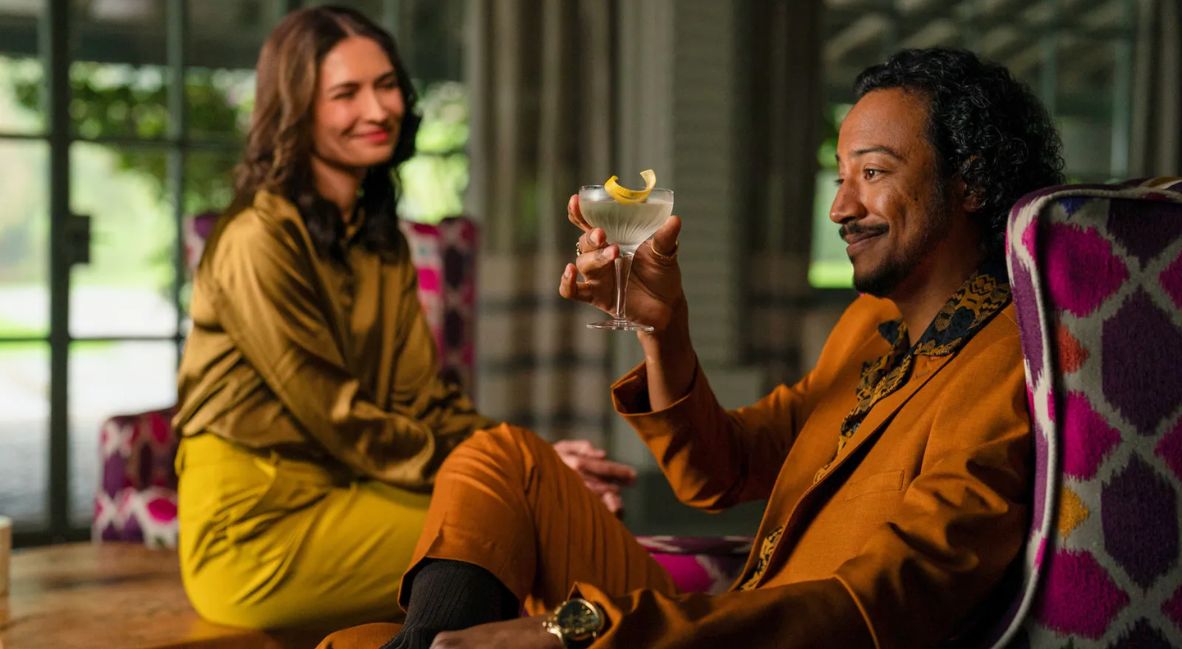
Additionally, Manousos Oviedo (Carlos-Manuel Vesga) is Carol’s other half in this series. Where she begins to find herself connecting with Zosha and almost abandoning her need to destroy the Hive’s unity, Manousos has never acquiesced. He refuses to accept any help from the Hive’s and doesn’t have his own Zosha. A Colombian-Paraguayan man, Manousos, doesn’t speak English, and in his episode, we see his life since The Joining (when everyone joined the Hive).
In his own episode, when he comes to Carol, they immediately bump heads. But that is because Manousos doesn’t view the Hive as human and has been singularly focused on restoring people to their original selves. It’s a conflict, but one that highlights the ugliness of human emotion and helps Carol understand its necessity.
Pluribus is a sad show and is better because of it. The series explores the complexities of loneliness and how some of it comes down to choices you make that isolate you from others, and some comes down to loss. Carol is miserable, but she doesn’t want to be. That said, the Hive’s optimism and happiness come from eroding the very elements that make Carol human.
Apple TV continues to dominate science fiction storytelling on television with Pluribus Season 1.
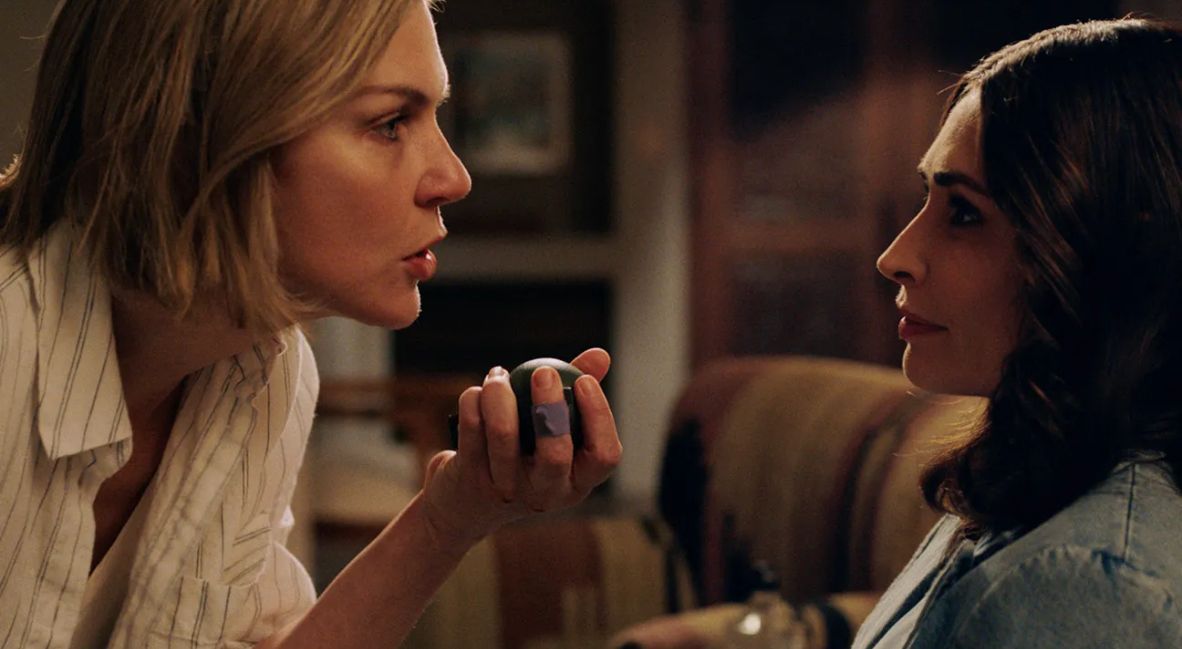
Yes, I mean agency, but I also mean the ugliness that comes with being alive. It’s rare for me to watch a series or a piece of media and walk away thinking, “I want to be miserable too.” That’s the point of the series. It works to make Carol accept the fact that she is messed up, because that chaotic emotional milieu she swims in is still hers.
Pluribus is a funny, angry, and refreshing look at refusing to compromise yourself in order to help the people in charge. Fitting to the story its telling about a Hive mind looking to appeal to the chaos of the masses, Pluribus encompasses the truth of media: it is what we bring to it. And we’re carrying a lot of anger and despair and a need to be validated in.
Carol’s pain, sadness, and rage hurt everyone around her. The Hive does everything it can to make her happy and to improve life for everyone on Earth. But while others who the Hive didn’t take are still just happy to have their families and continue to live their lives, Carol is too acutely aware of what comes with that.
Pluribus Season 1 is gripping, emotional, and entirely right for the moment.
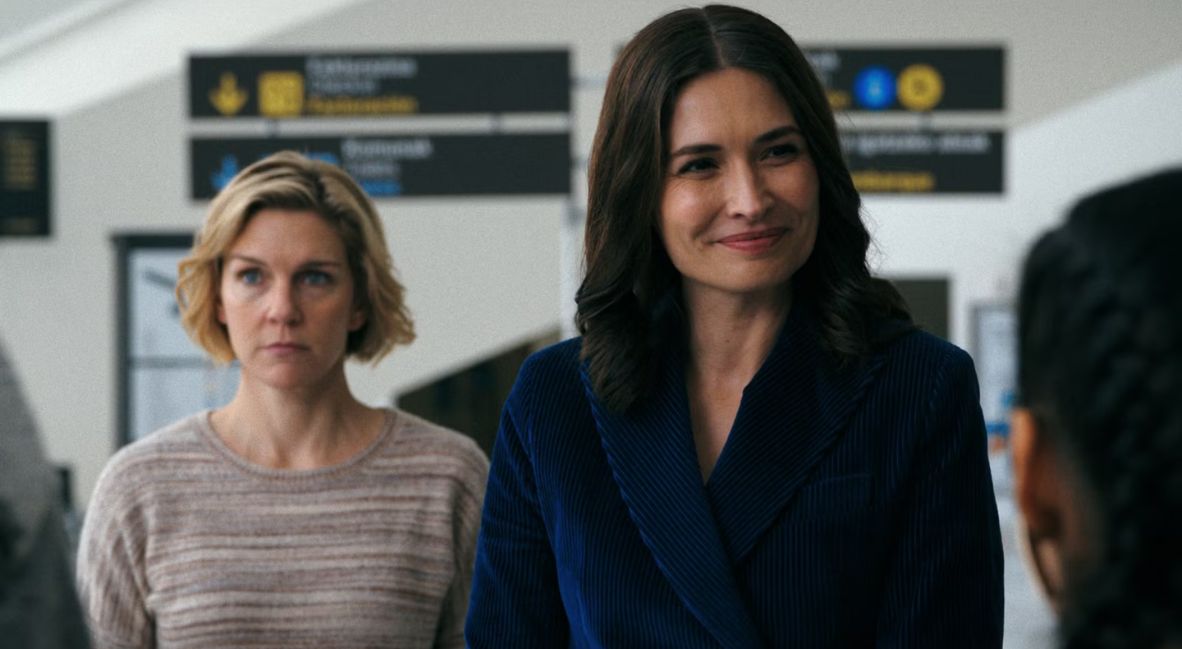
The series’s last two episodes hold the most power and speak to the thesis of the story. The Hive rebuilds a diner that Carol loved and brings back her favorite waitress. But where the rebuild is nostalgic and fun, learning that the Hive brought back the waitress is a straw-breaking moment for our lead, even after she started to come around to the Hive, and even as she started to develop a relationship with Zosia.
The Hive took a woman who left service work and the state to put her back where she was. They took the waitress back to a spot in her past. It’s a moment that shows how much your happiness can harm those around you, just as your negative emotions do. Our emotions impact those around us, but they are ours. With respectability on the rise, happiness is the expectation. But anger gets more done, and I plan to hold on to mine.
Pluribus is both eccentric and subtle in equal messure. The series is a world invasion and a character study. But more importantly, it’s a series about humanity’s ugliness and how that makes us exactly who we are. Complex individuals whose pain sometimes means substantially more than fake smiles.
To be miserable is to be human, so is being alone. But because of that, the joy feels more sacred, the memories hold more meaning, and it gives you something to fight for. Pluribus is some of Vince Gilligan’s best work, and it’s because of how well he holds a mirror to his audience.
Pluribus is streaming now on Apple TV.
Pluribus Season 1
-
Rating - 9.5/109.5/10
TL;DR
To be miserable is to be human, so is being alone. But because of that, the joy feels more sacred, the memories hold more meaning, and it gives you something to fight for. Pluribus is some of Vince Gilligan’s best work, and it’s because of how well he holds a mirror to his audience.