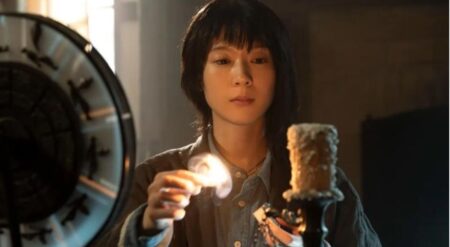

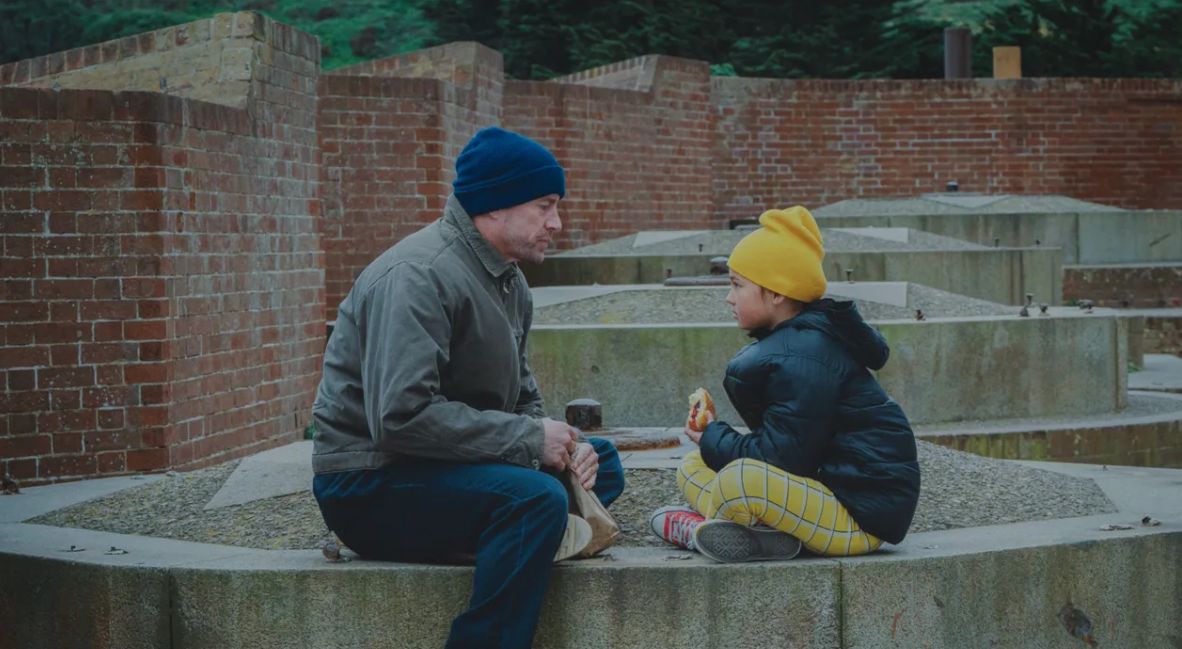
Josephine (Mason Reeves) is a daddy’s girl. She loves soccer, she runs with him every Sunday morning, and she trusts him implicitly. But writer-director Beth de Araújo isn’t telling that story, at least not entirely.
Celebrating its world premiere at the 2026 Sundance Film Festival, Josephine (2026) opens up with Josephine and her father Damien (Channing Tatum) on a run to the park where they play soccer every Sunday. Called Jo by her dad, her confidence is high, so much so that she takes off, running ahead of her father. Only, instead of going right at the fork in the road, she goes left, and their life is never the same.
Hiding from her dad, she sees a woman running on the trail, then sees her be brutally attacked. With no understanding of what is happening, Jo stands there, peering from behind the tree as the sexual assault unfolds in front of her.
The moment itself is one of the most unsettling and difficult to watch scenes of assault I have seen in any film, from any genre. It’s not scored; it feels real, and as a woman, it was like watching my biggest fear unfold on screen in such a real way that I had to look away to ground myself. Then I remembered Jo, and when the camera cuts to her, the confusion on her face is mixed with fear when she meets the eyes of the woman on the ground. It’s too much.
Josephine (2026) isn’t here to exploit, but to show the audience a story in the most grounded way, even if it’s uncomfortable.
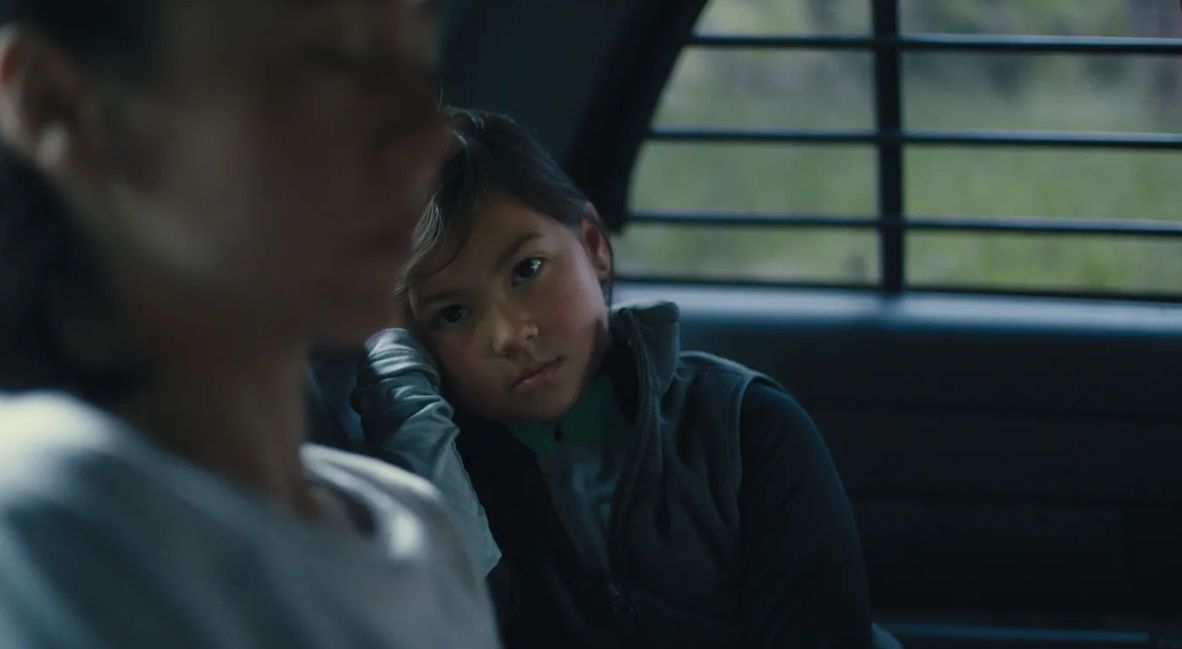
When her father finally finds her, he calls the cops and chases the rapist down. But that’s not the point of the film. The point of the film is how witnessing the violence shapes Jo, how the evil sticks to her and begins to invade her life.
But without the vocabulary or understanding to explain her discomfort or fear, she begins to act out. It ripples across the family, slowly at first, until it crashes against them and they’re forced to understand that Jo has to come to terms on her own.
As the parents, Channing Tatum and Gemma Chan deliver career-defining performances. Their heartsbreak, their voice cracks, and the fear and worry written across their face is so incredibly loud even in the silence. Together, their chemistry defines them as a husband and wife, and in their disagreements, you see their parenthood emerge.
Gemma Chan, in particular, is cast as a mother watching her daughter’s life change. While Damien is there to tell his little girl that no one will ever hurt her after what she witnessed, Claire looks at her daughter and deeply understands that she just can’t say that. Claire knows that the world does not protect women, and she won’t feign the ability to shield her daughter. Still, it doesn’t mean that she doesn’t try.
Channing Tatum and Gemma Chan deliver career-defining performances in Joesephine (2026).
Where Damien is stalwart in his need to tell his daughter the truth about what she witnessed and teach her the importance of her testimony, Claire is dedicated to setting Jo’s expectations for life, while still trying to keep her from being traumatized again. The delicate balance between the two showcases them as mother and father, and encapsulates their experiences.
The important thing, however, is that Josephine casts the father-daughter relationship as paramount to understanding Jo. She plays soccer, she wants to beat the boys in her class, and she wants to be physically strong. They watch the English Premier League together, they root for the same teams, and in the end, you know that she wants to be like him.
But being like her father comes with wanting to punch through her problems, running from her problems as fast as she can until she can’t move forward anymore. It’s harrowing to sit with this film and see myself in the portrayal here.
It’s the love between them, and most intensely, their inability to talk to each other. Damien cannot fix the world for her daughter. He cannot promise that the rapist will be put in jail. But he can make sure that she doesn’t break when the world forces her to bend.
He is showing his love in the only way he knows how, and so is Claire. And both, in the messiness of how they handle the situation, are just trying to fix what was broken. Only, they need to just understand that they can’t, only Jo can do that. And when that clicks for them as a family, the film begins to shift.
Mason Reeve’s is asked to do so much emotional work, and she never falters.
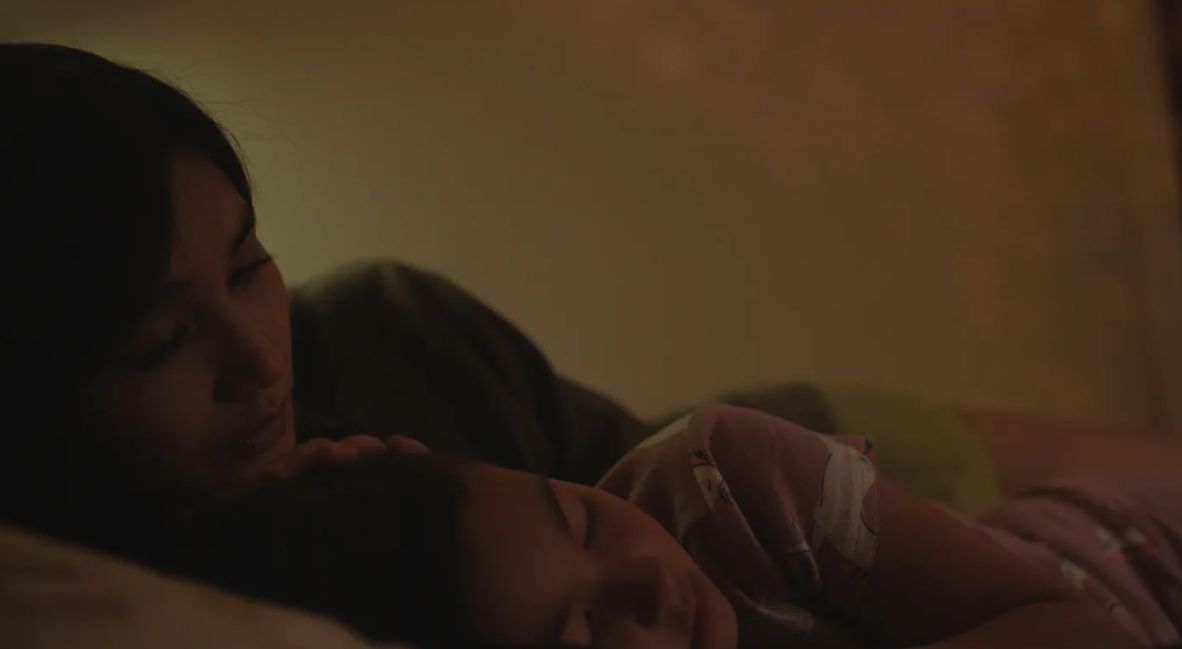
As for our titular character, Mason Reeve’s performance is astounding. One of the best performances of Sundance, Reeve’s ignorance shifts to pain, and as the man she saw in the part invades her room, her home, her life, the circles under her eyes darken, and you realize how much she is holding back. While I applaud Josephine’s dialogue, like with her parents, Jo’s quiet moments are where the real development and understanding take hold.
It’s when she’s running to soccer practice, when she’s being hugged without her permission, when she’s in self-defense classes, and most heartbreaking, when she is in her room, alone with the ghost of the man that doesn’t leave her. The subtleties of the film are what drive home the impact it is spotlighting.
The longer that Josephine sits with the event, the more her fear of men begins to manifest. She shifts from liking the boy in her class to not wanting her to touch her.
Jo becomes hyper vigilant of every man behind her, reaching for her pencil to protect herself. She stops petting a dog when she realizes he’s a boy, and most heartbreakingly, she pushes away her father’s hand.
Trauma is not always loud. For every moment in Josephine that punches you in the gut with its intensity, there are others that begin to come together once you’ve left the theater. Namely, the choices made as Josephine becomes her own person, after being forced to grow up too quickly, like how she moves through the world, the sides of the hallway she chooses to walk on, or the fact that she wears a different soccer team’s jersey from her father when they used to match.
Everything about Josephine (2026) is heartbreaking, but it still gives its audience hope.
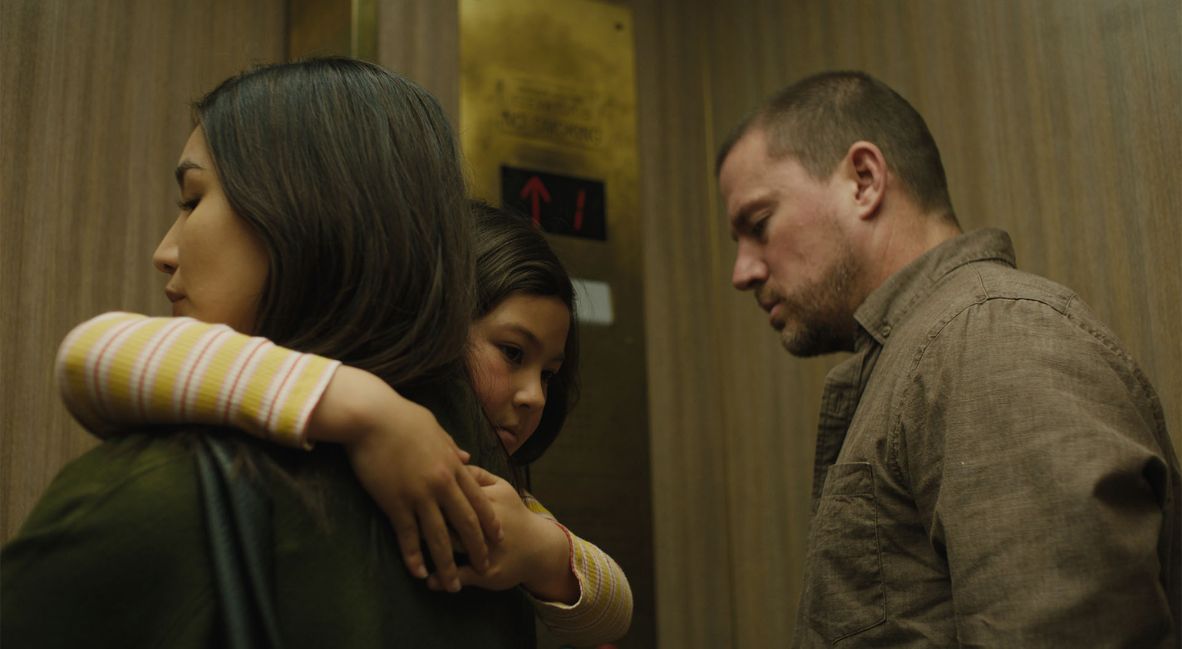
Still, through it all, Jo is just a child. The focus writer-director Beth de Araújo puts on her age, and the ignorance it breeds is hard to watch at times, but it’s necessary. But it’s not just the camera lens that refuses to frame Jo as more mature, even with all she has experienced; it’s also the people that she is surrounded by.
This is a film about losing innocence, about having your world broken apart and rebuilt, but it’s also about the resilience of children, so long as they have people around them guiding them through the confusion and fear, even if that means letting them explore their healing on their own. The relationships will never be the same, but they will be there, changed, but still loved.
Cinema, at its best, showcases a piece of life or experience and pulls its audience to respect and understand it. It changes you in each act, and it reflects pieces of our fears and our hopes all at once. In that way, Josephine is the best example of the power of film I have seen in my life.
There is no amount of preparation you can do to not be gutted by Josephine. It is a loss of innocence so grounded in reality that it becomes horrifying; however, through perfect pacing, moments of levity, and phenomenal acting from the entire primary cast, the film itself is transformative. I don’t know how to explain that I never want to see Josephine again, but I believe this is a film everyone should watch.
Josephine (2026) is a technically perfect film, from script to camerawork and pacing. But it’s the emotional depth and tender approach to trauma that captures the audience.
Josephine (2026) does not currently have a distributor and screened as a part of the 2026 Sundance Film Festival.
Josephine (2026)
-
Rating - 10/1010/10
TL;DR
Josephine (2026) is a technically perfect film, from script to camerawork and pacing. But it’s the emotional depth and tender approach to trauma that captures the audience.