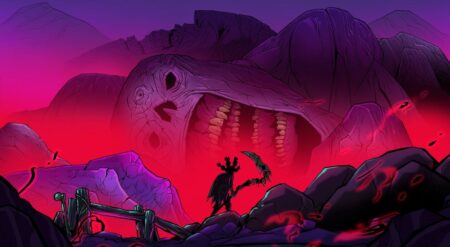


I didn’t know anything about Highguard before the media preview event, and as we learned during the presentations and Q&As, I was supposed to know even less. Initially, Wildlight, the independent studio created by former Apex Legends and Titanfall developers, had intended to let the game entirely speak for itself with a shadowdrop, as EA did with Apex. But Geoff Keighly played it, loved it, and had to put it as the trailer that played out at The Game Awards last December.
Despite the trailer’s reception, the reality is that this “raid shooter” is innovative, interesting, and ultimately offers a level of competitive play that becomes more electric as you get backed against a wall. That said, “raid shooter” is a nebulous concept until you load into the game and play a match. But when you do, the Apex and Rust inspirations are clear, with solid character designs and skins to drive it all home for people looking for aesthetics.
Make room for the Raid Shooter in your new game rotation.
What makes Highguard a raid shooter is how each match is set up. Broken down into three phases, each match’s flow pushes the player to invest in their base and kit, then take on the enemy head-on. The first phase, the reinforcement phase, lasts 1 minute and gives the team time to set up the base for defense and get used to their surroundings. Since base selection is key to strategy, understanding the bearings for defending is crucial.
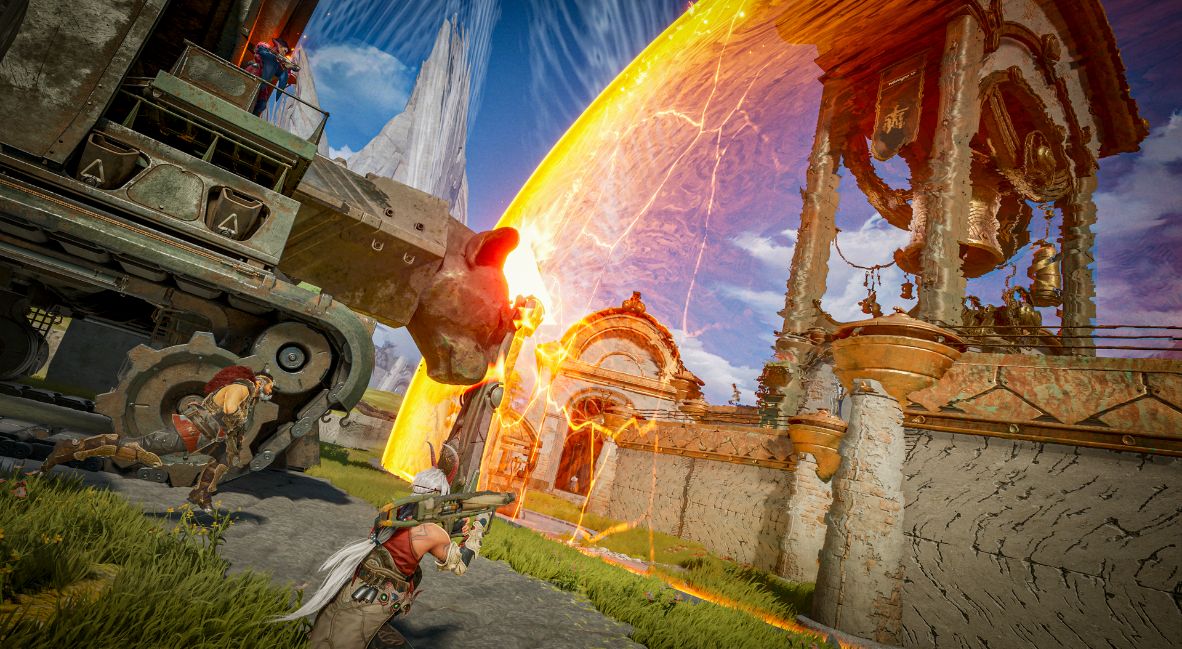
Each base is outfitted with three targets, two generators, and the base’s heart. In order to win, your raid must deplete the opposing team’s base HP by breaking open the shield with the Shieldbreaker, planting and detonating a bomb on the generator, and then, to end it all in one go, blow up the heart.
With all of the ways that you can gain points, including wiping out a team, the preparation phase is key, especially if it’s a base you haven’t played before. Some bases are wide open, others use verticality to their advantage, and my personal favorite, Hellmouth, has one chokepoint in the form of a drawbridge over a lake of lava.
Each base requires a specific strategy and attention, regardless of the map it is attached to. However, once you’ve oriented yourself to the base, venturing out for the gear-up phase is next. Here, players loot the surrounding area and gather Vesper.
Great traversal and verticality are what we expect from former Titanfall devs, and that’s exactly what we get.
With a wide-open map, Vesper Crystals are scattered around the area, with some hidden behind reinforced walls. Deciding if you want to focus on locating blue chests (for armor), red chests (for weapons), or just harvest Vesper Crystal from clusters throughout the map to buy what you want instead of leaving things to RNGesus is the choice you have to make.
However, despite the maps’ size, Highguard’s traversal mechanics are as you’d expect from developers who worked on Apex and Titanfall. It’s snappy, sticky, and a whole lot of fun. Outside of running, ziplines and mounts are the quickest ways to get around.
For ziplines, there are numerous stationary lines set up around the map. You can zip up, across, and down, and quickly make up ground without being shot off your mount. Additionally, the inclusion of raid weapons allows you to put destruction as a priority with a rocket launcher or raid hammer, or invest in a zipline gun that will let you ascend bases quicker, helping you prioritize the hard-to-reach but immediate win by attaching the heart.
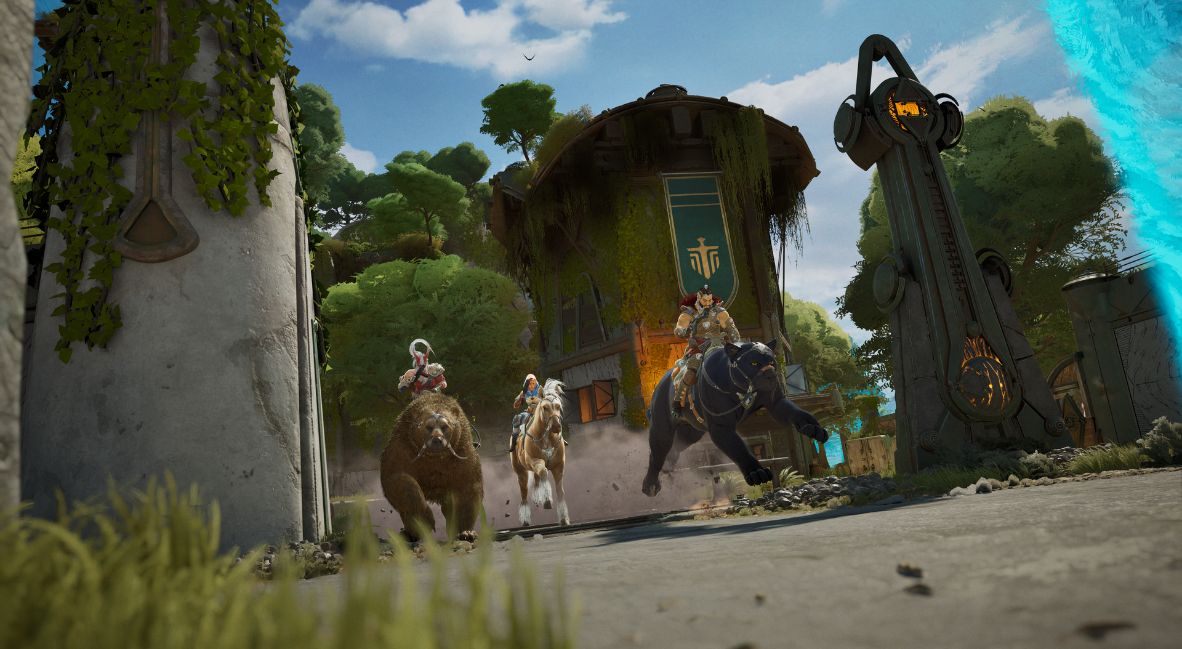
Outside of the zipplines however, mounts are where the kinetic movement really starts to sing. Fluidly integrated into combat, the ease withwhich you can summon your mount, dismount, and increase your speed, makes some of the best mount movement out there.
Additionally, when the raiding phase begins, arches activate, which drastically increase your speed, allowing you to take the shieldbreaker to the enemy base as fast as you can and lower the risk of losing it by being killed.
Mounts are also heavily involved in combat. You can shoot while mounted, and while you can be shot off of your mount, it all comes down to the amount of armor protection your saddle offers, which can be upgraded just like weapons and Warden armor.
Raiding is the last phase of any match; the three phases repeat until someone finally reaches zero HP. Time-restricted stalemates are not a thing in Highguard’s raids. Once you’ve hit the time limit, Overtime and permadeath kick in, and they remain in effect until the phases reset. This pushes both teams to get more aggressive, take more risks, and go for the points.
It’s easy for each match to become a back-and-forth power struggle. The dynamics of the game ensure that more than just your gunplay matters. Teamwork and strategy mean just as much, and with comeback mechanics that allow you to play down to the last HP points. Matches can be quick or take more time, with the longest match I played hitting just over 45-minutes. That said, it always comes back to teams.
Highguard’s character designs are easy to fall in love with, and their banter is even better.
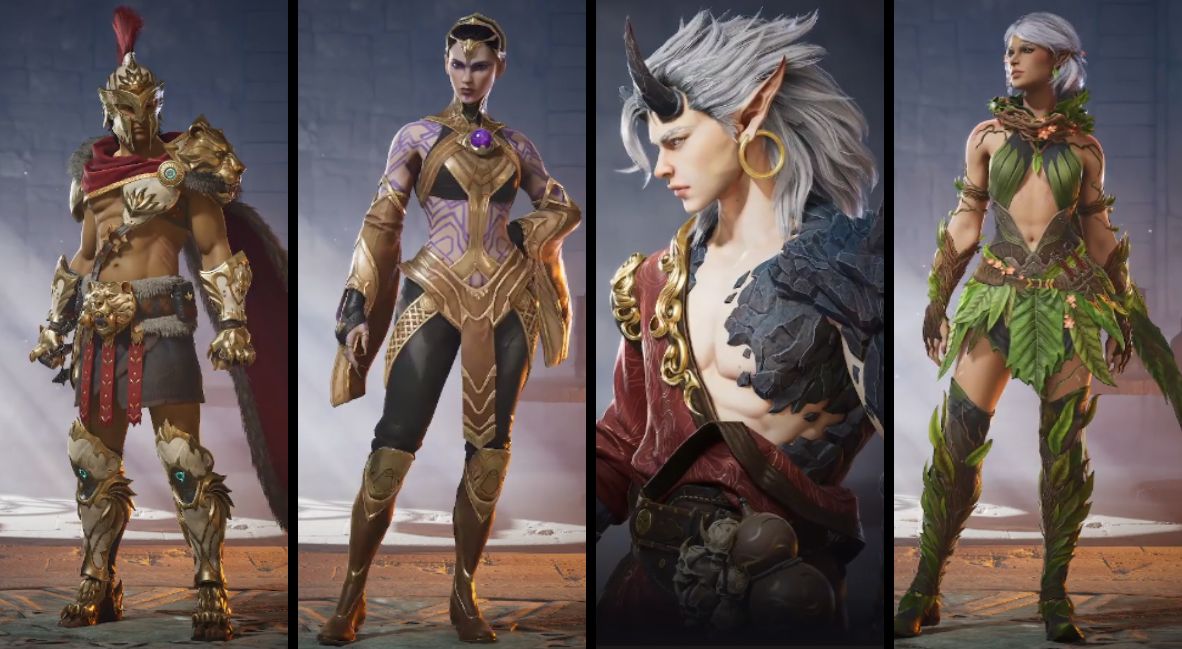
During the raid, moreso than open-area combat in the gear up phase, the arcane part of “arcane gunslingers” comes into play for players. In addition to picking your map and base, you also select your Warden, Highguard’s heroes.
Warden’s each have abilities split into tactical, passive, and ultimate categories. While each of the Wardens has a specialty, none is truly defensive or offensive. While you can see the inspiration from MOBAs as much as hero and survival shooters, team comp is more based on how your Wardens work together and with the base that you choose.
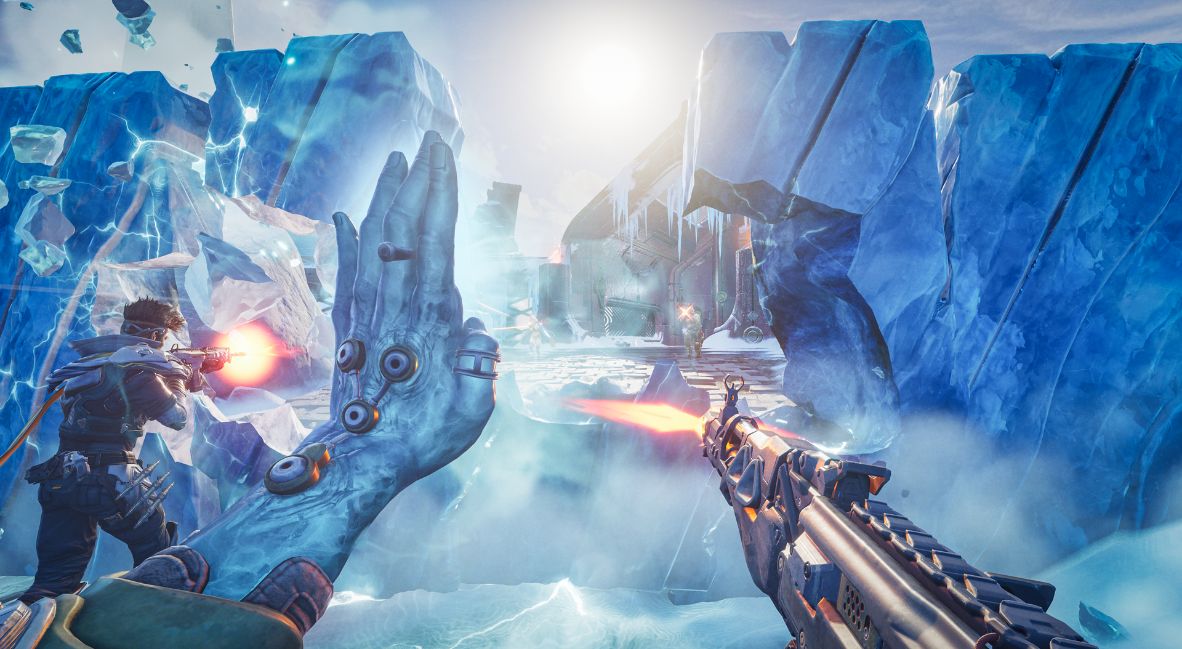
While some Wardens have kits that feel overpowering, like Mara adding more respawn points, allowing you to prolong your raid, Kai putting up ice walls, or even Atticus dropping a trio of lightning spikes to ping damage when enemies enter the area of effect. The important thing, however, is using the Wardens together to stack effects and make sure that you make the most of your team’s synergy.
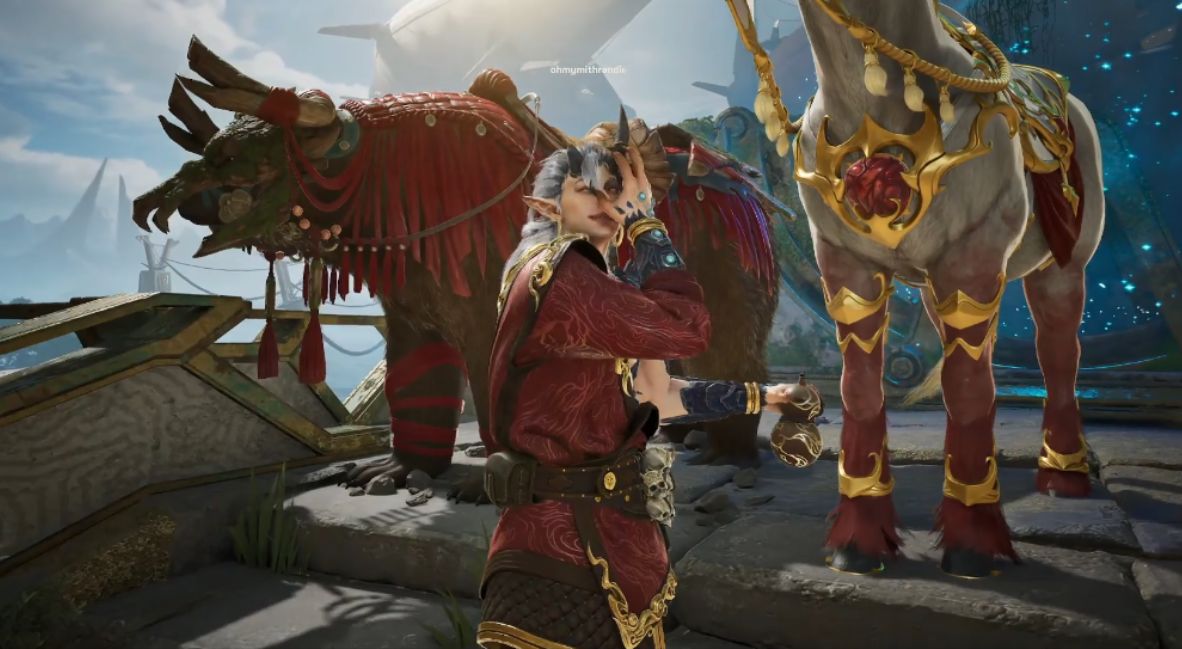
For me, playing as Kai meant adjusting to when and where to place ice walls. It helps when it comes to resetting a wall near a generator that was destroyed or phased through by Scarlet. However, it’s not only about keeping people out; sometimes, it’s also about keeping people in.
Pairing strategic wall placement with Una’s ult, which spawns a creature to defend, or Atticus’s spears, can trap the enemy team and make quick work of them. Additionally, destruction in Highguard isn’t always bad, allowing you to set up sightlines when needed and ensure your vantage points for your Wardne’s kit.
In addition to how they play, the Wardens’ designs are distinctive. With characters inspired by various folklores, most notably Una and Kai’s Gaelic and Eastern influences, the store’s available skins embrace diverse aesthetics and offer them in different ways, with both male and female characters offering fun fan service. With gladiator skins, demonic-inspired skins, and even the legally distinct Dune-inspired skins, these are just the tip of the iceberg.
Each character’s design, entry animations, and the banter you hear in the down moments all help build their distinct personalities. In fact, it makes me more excited to explore who they are as we get more about them. But ultimately, it’s how they play that really drives my affinity for the Wardens.
Teamwork and competition are paramount in Highguard; the dynamic ping system is there to help.

Teamwork is especially important for every player, regardless of their skill level. At the same time, the competitive nature of every match makes it easy to keep playing match after match, whether you steamrolled the other team or just barely lost in a 5 HP-to-5 HP battle in the trenches.
To help facilitate teamwork, Highguard’s best system is its dynamic ping system. Like with other elements of the game, it’s easy to see the Apex inspiration; however, the active voicelines that highlight what the player has pinged, and the way each ping is organized on the side of the screen, make the ping system one of the best in multiplayer.
In order to help reduce the confusion that often comes from too many pings, each of the pings, both from destination markers (like the Shieldbreaker spawn or the enemy base location) and player-designated ones, sorts itself on the side of the screen. The dedication to creating a dynamic ping system allows teamwork to shine, even when not on mic or when other topics are being discussed.
At the end of our day of playing, Highguard is just really good.
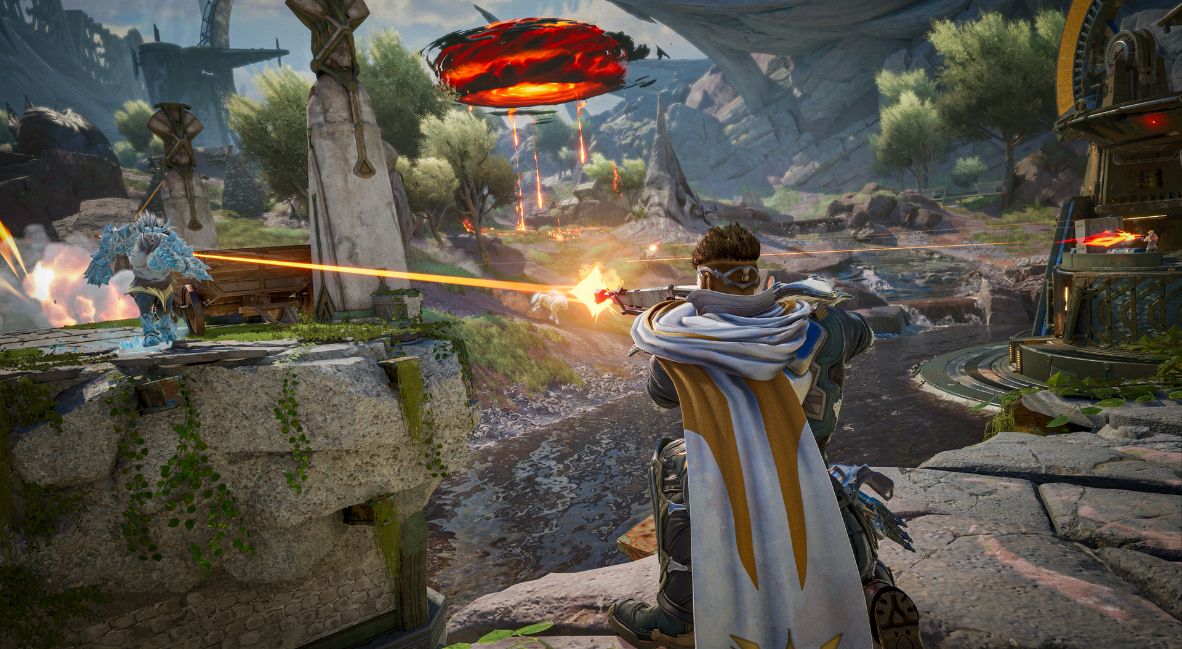
Ultimately, after our time with Highguard, it’s clear that the game is far more than its reveal trailer. It’s kinetic, it’s easy to lose yourself in, and, with its episodic free-to-play approach, Wildlight Entertainment has made sure to build for the future, not just right now.
The inspirations for the game are worn on its sleeves, but I mean that as a compliment. The game offers depth by blending together fan-favorite genres. However, as with any live-service game, the distinction between ranked (which will go live after launch) and casual modes will affect the game’s stickiness for casual players. The biggest issue with live-service titles like Highguard is the steep divide between those who can play endlessly and those who only have time for a few matches a week.
With Wildlight’s content plan and approach to cosmetic content, which allows players to buy episodic cosmetic content they may have missed out on, there is plenty of hope for a game that can enter your rotation without requiring your entire focus.
When all is said and done, Highguard deserves a chance. It catches a raiding itch from survivor shooters without requiring players to invest copious amounts of time to build. Instead, it’s all about batting the aggression back and forth. Dynamic team play, interesting Wardens, and a design that easily brings out the competitive spirit in anyone playing give Highguard a ton of potential.
Highguard is out now on PC, PlayStation 5, and Xbox Series X|S.