
Quotes have been edited for length and clarity
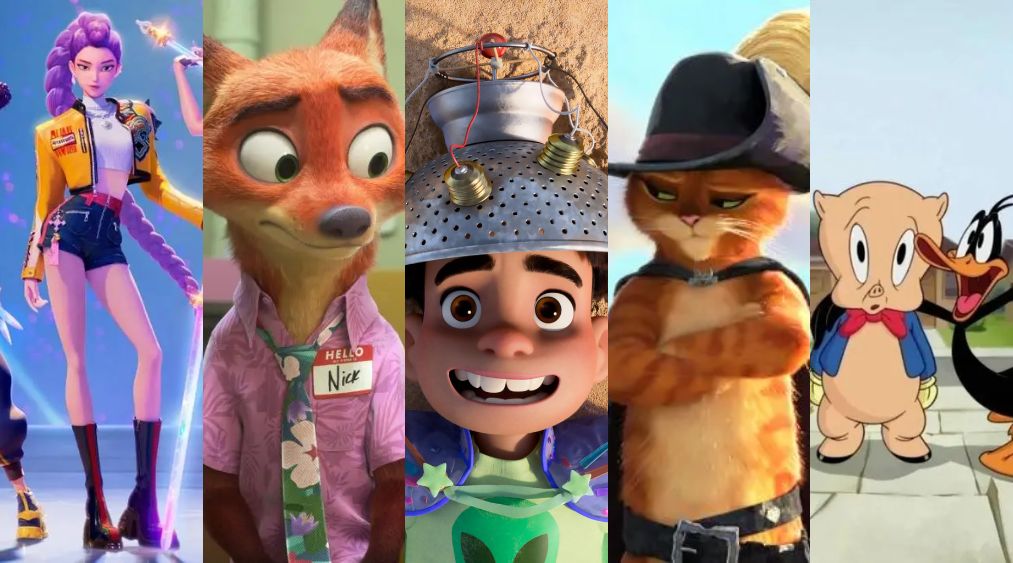
The American animation film industry has seen a surge of sequels, reboots, and live-action remakes of its most famous IP over the last decade or so. In this gold rush of IP mining, it often seems like studios and audience increasingly leave original animated kids’ movies by the wayside.
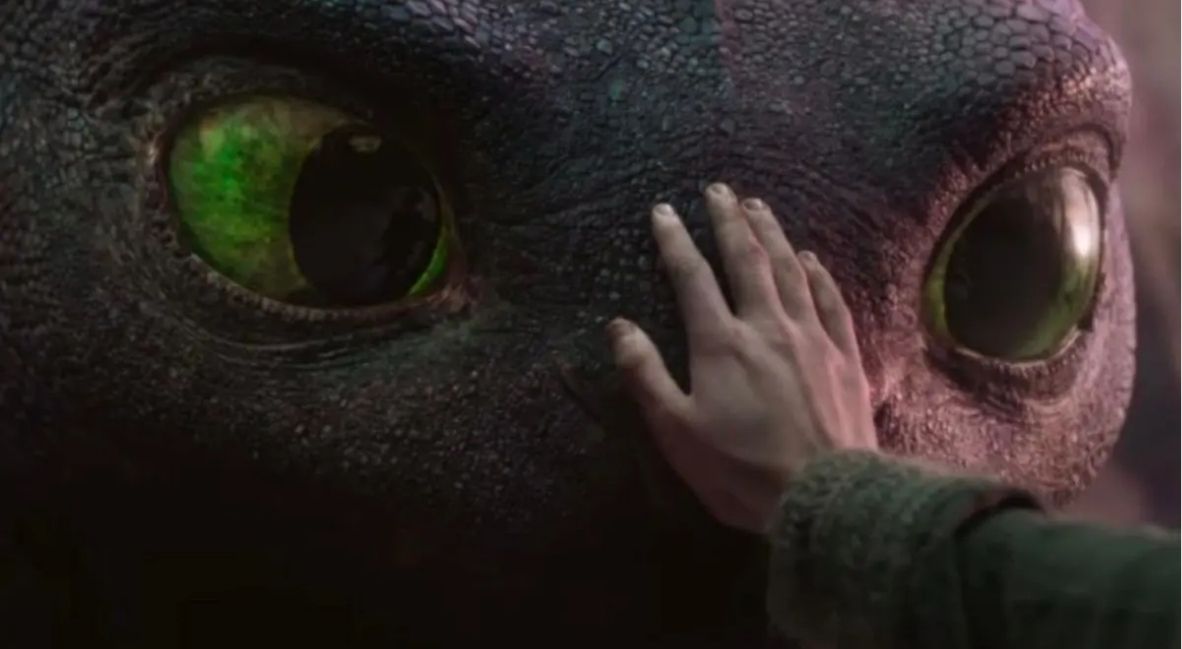
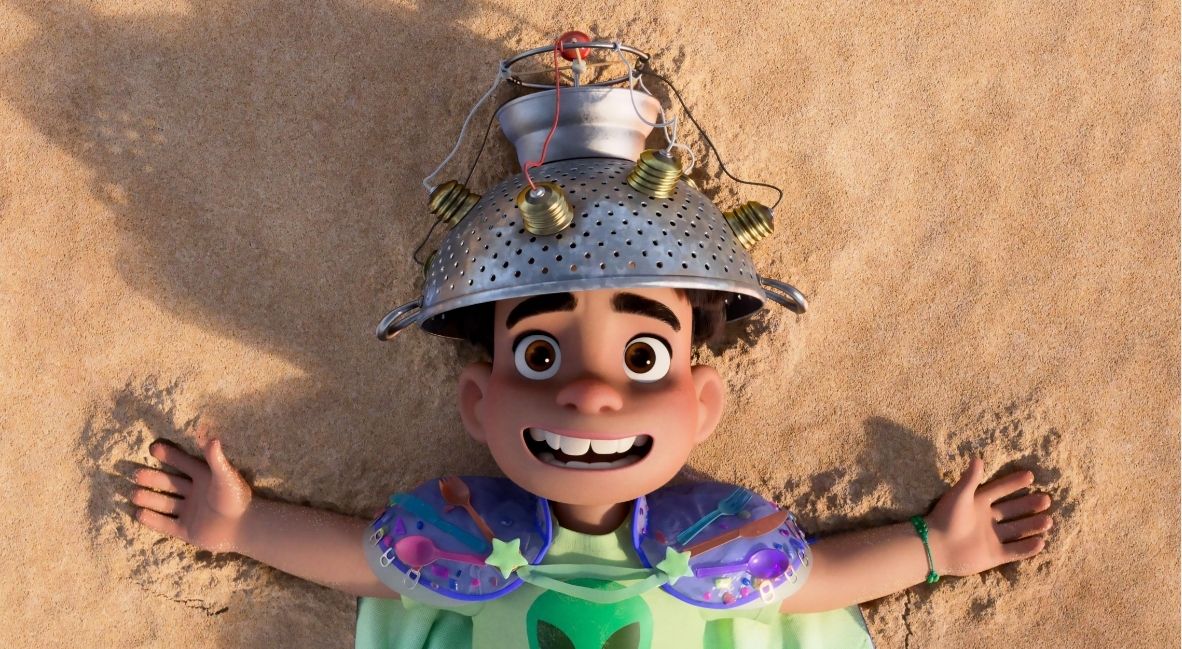
For example, Disney-owned Pixar’s latest release, Elio, which aimed to tell a unique, original story of a joyful abduction for a lonely earth-based kid, critically and culturally bombed, giving the studio its worst opening weekend and only ending up so far with $150 million against its ~$200 million budget.
Before that, the most recent original Pixar films, Turning Red and Luca, dropped on Disney+ instead of theaters in the US due to the COVID-19 pandemic. However, they were still released internationally in countries without the service, where they similarly suffered, making only $21 million and $51.1 million, respectively. Disney Animation’s Wish, celebrating the studio’s 100th anniversary, also underperformed with $255 million against a $200 million budget, with scathing reviews potentially blunting excitement.
Why have some original kids’ animated movies struggled at the box office while others have not?
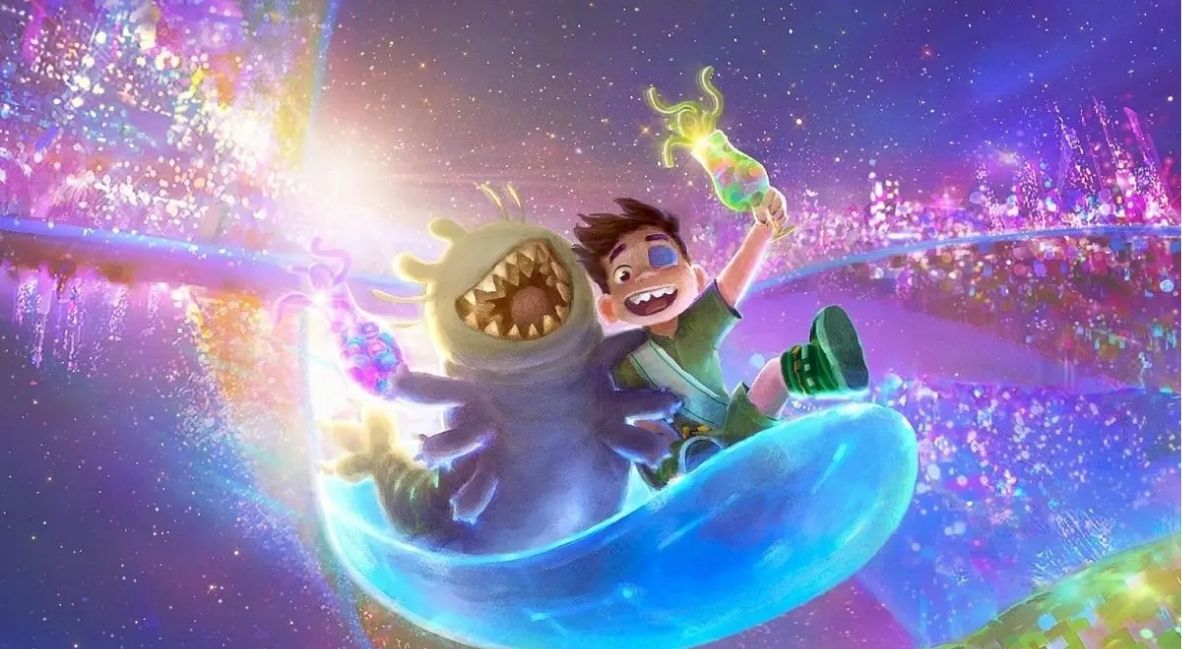
Perhaps it’s simply that the sheen of Disney and Pixar specifically has worn off, and audiences have become disinterested in their modern storytelling style, as compared to their various periods of historic success. By contrast, Sony Animation’s KPop Demon Hunters, while of course having the power of KPop fandom and a superb soundtrack, became Netflix’s most successful film of all time.
Likewise, other Netflix animated kids’ movies and kid-friendly films like Nimona and The Sea Beast have seen success for Netflix, though clearly not at the level of Demon Hunters. And while they’re based on a very famous legacy IP, Sony Animation’s Spider-Verse films are hailed by both audiences and critics as among the top-tier superhero films of any medium. Dreamworks’ 2023 The Wild Robot (based on a book of the same name by Peter Brown) too, was a critical darling and financial success, making $334.5 million against a $78 million budget.
Of course, not all of Disney’s remakes/reboots are successful, either, and it’s not as though other studios, like Dreamworks, haven’t entered the remake game, too. The 2025 Snow White live-action movie flopped, while DreamWorks and Universal found financial success with their live-action How to Train Your Dragon remake, making over $600 million.
Disney and Pixar have had much more success recently with their sequels and remakes, but why?
Studios other than Disney and Pixar seem to be having more success with original animated kids’ movies, while these two, once known for pushing the medium forward, seem mostly stuck in the nostalgic past. This includes the very recent nostalgic past. Since the mid-2010s, Disney has released more sequels to its original films than it has in its entire history combined. This extends to a live-action Moana film slated for 2026, when the original came out just ten years ago in 2016.
With Disney constantly mining its IP to foster a whole industry of nostalgia, the company is now seemingly positioned to be most incentivized to prioritize remakes over original films. While they do continue making original films, they clearly have more confidence in what worked before, especially with devoted longtime fans building up the hype every time.
However, Disney and others may be belying the reason for the lack of success for original features, and may be leaving long-term success on the floor in favor of all the reboots, sequels, and remakes. Elio‘s failure, according to animator Alexandria Leonis, may be attributed to weak marketing. Having gone to see the film on its opening weekend and personally loving it, she thinks there was something there that more audiences would have enjoyed. “I think the marketing for the movie was not great. I don’t think they’ve been putting a lot of good marketing into the original stories,” she says.
How do animators feel about the lost market share for original kids’ animated movies?
On how animators feel about audiences not showing up to see their films, Leonis reiterates that their main frustration lies with the studio not sufficiently marketing original projects. “I don’t think it is so much of frustration with the audience, at least from what I’ve heard, I definitely see frustration with the marketing. It’s like the people who really want to be there are going to be there.”
Leonis also makes clear that animators, like audiences, are nostalgic for older animated kids’ movies and will want to support them while hoping audiences support their modern films. “We all have nostalgia. I have nostalgia. I love the Frozen films and will continue to go see sequel after sequel. But I think there needs to be a balance between them. These nostalgic sequels can fund originals. I think that’s the balance that needs to be struck, but we need to put that hand in hand with marketing—marketing these original films, that’s where we’re really lacking.”
Jonathan Graves, host of the Looney Tunes-focused Of Course You Realize This Means Podcast! podcast, concurs with Leonis on Elio’s failure being due to its marketing. But rather than not being enough, it was due to its marketing being misleading. “I would say that a lot of the marketing was a bit off-putting, and people didn’t really quite grasp what it was about and what they were getting themselves into,” he says. “The last thing you want as an adult, as a parent, as a new parent, I have to think about this, but you don’t want to take a child into a blind roller coaster. And that was exactly what Elio felt like as an adult.”
Marketing is often misleading or unclear, and MPAA ratings are too broad to go by alone.

Graves says he typically doesn’t watch trailers anymore, but whenever he takes his kid to the theater, he must watch them to ensure the movie’s appropriate. However, he says the trailers misled him on how appropriate Elio would be for his young child. “I had no idea, even after watching the marketing, what that movie was. My kid was screaming during certain scenes, and she didn’t actually finish the movie,” he says.
Graves’ predicament illustrates the difficulty parents face in taking their kids to see certain films. Even though Elio was rated PG, other PG animated Disney and DreamWorks films are still universally adored by young kids (like Tangled, Frozen, Shrek, and How to Train Your Dragon), making the distinction between PG and G not as meaningful as perhaps it should be.
What counts as “thematic material” that parents should shield their young kids from, or that only a slightly older audience should be allowed to watch? What material difference is there between the violence we see in Looney Tunes compared to a film like How to Train Your Dragon? Some films, like Shrek, have adult-coded jokes that go over kids’ heads (e.g., “Do you think he’s compensating for something?”) but are otherwise funny and sharp films that these same kids still enjoy, while appreciating its ridicule of Disney’s tropes, which they’re very familiar with.
The cost of going to the movies is just too high for families.
Ultimately, this makes it even more difficult for families to take their kids out to the theaters. Leonis elucidates this family predicament further, especially for younger new parents strapped for cash, who increasingly want to wait to see a film streaming at home. “Millennials are having kids, and they’re strapped for money, so they’re gonna say, ‘I’m just gonna wait until it comes onto streaming or rental,'” she says.
The theater costs, including transportation, food, and more, have accrued significantly for families, making almost any at-home option more optimal. “Even a $20 rental is cheaper than going to the theater with a family of four,” continues Leonis. “So I think [the studios] did shoot themselves in the foot with all the streaming, because they’re not making the money that they wanted to, that theaters were bringing them, but now everyone just expects to get it a few months later.”
However, taking a family with kids to a known quantity, like a sequel, reboot, or remake, would seemingly guarantee more enjoyment for their kids who have enjoyed this film or series before. Original animated kids’ films, unfortunately for many parents, provide less guarantee that their kids will enjoy them off the bat. A live-action remake of an animated movie the kids already love is a lower risk.
Some streaming movies have succeeded in theaters, while many theatrical movies find new lives at home.
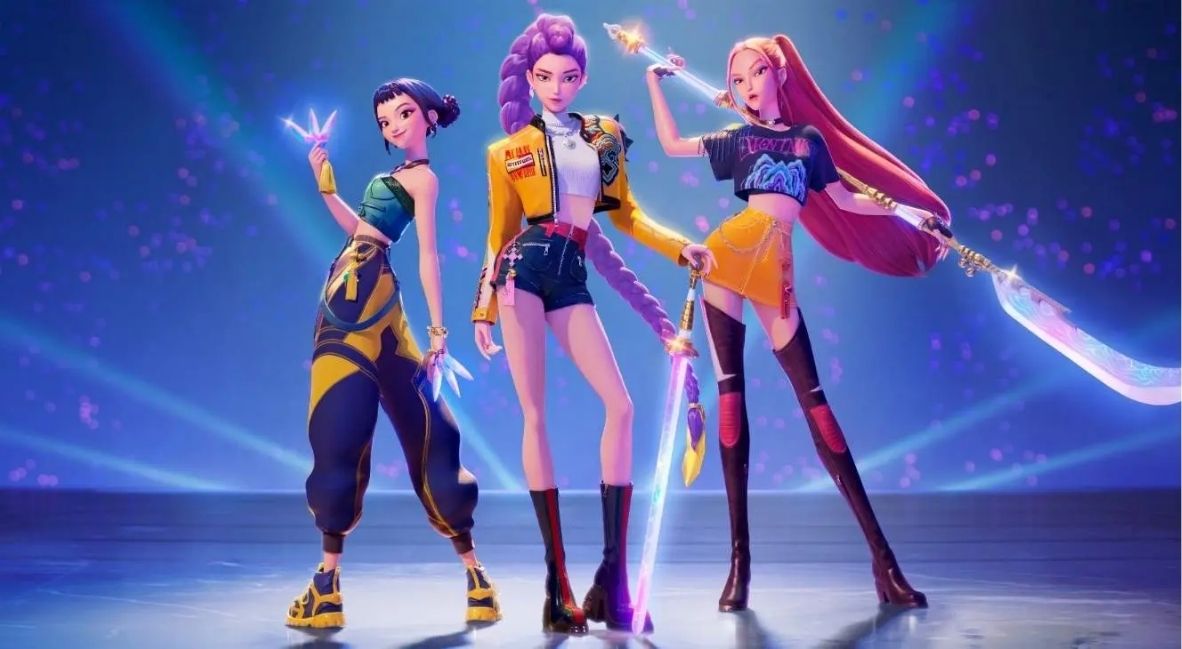
Meanwhile, animated kids’ movies made for streaming have seen tremendous success. Animator Nikki Behjat mentions the outstanding example of KPop Demon Hunters as an example of how original projects can succeed. “There was barely any marketing for that,” she says. “But then it completely exploded online. I think it’s a case-by-case scenario. I think with Disney, with their other films, you see a lot more marketing, especially with the live-action stuff, compared to Elio.”
Of course, KPop Demon Hunters had the built-in success factor of the preexisting and immense K-pop fandom. But with the superb work of Sony Animation, the accessibility of Netflix, its solid storytelling, great action, and excellent songs, it was a multi-layered recipe for success, ultimately showcasing that original animated kids’ movies can and still are resounding successes among audiences.
Of course, streaming has been incredibly successful for original films released initially in theaters as well. Moana was the most streamed film between 2019-2024, with kids watching it over and over again. Disney, chasing more success, released Moana 2 to far more middling reviews, but far more smashing success than its predecessor by making over $1 billion. Despite the step down in storytelling quality, the kids are still eating it up. We’ll have to wait to see how the live-action version does, but it’s not hard to see why the corporate behemoth of Disney sees ample potential in it to do well.
Are good original ideas enough to sell a movie?
On Disney’s recent mediocre output as a studio, for both live-action and animated kids’ movies, Behjat notes that, while they may be “stuck,” they have the potential to still “come up with something great.” As she notes, this has happened for the studio before. “I think they just kind of hit a stagnant point and want to try and focus on other things and what they think will bring them more money,” she says.
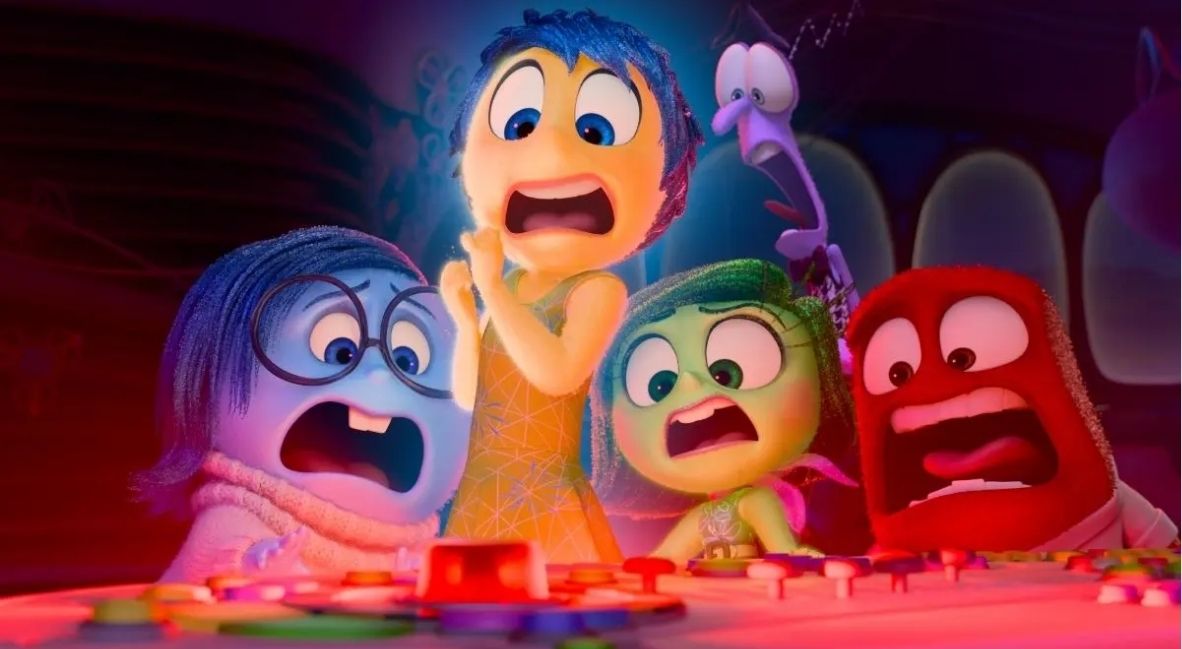
Behjat notes that audiences, even if they take their kids to the sequels and remakes regardless of their quality, still want good quality films for them and their kids. “Yes, Inside Out 2 was one of the highest-grossing films last year, but we’re also seeing how now KPop Demon Hunters is one of the most popular films,” she says. “So I think they just kind of have to start listening to audiences and start coming up with not an artificial spark, but find something that they really enjoy.”
And that organic spark is for animators too, such as the artists who worked on KPop Demon Hunters, as Behjat relays, “I would always hear how everyone had so much fun working on that project.”
Does Netflix have Disney beat on creativity in kids’ animated movies?
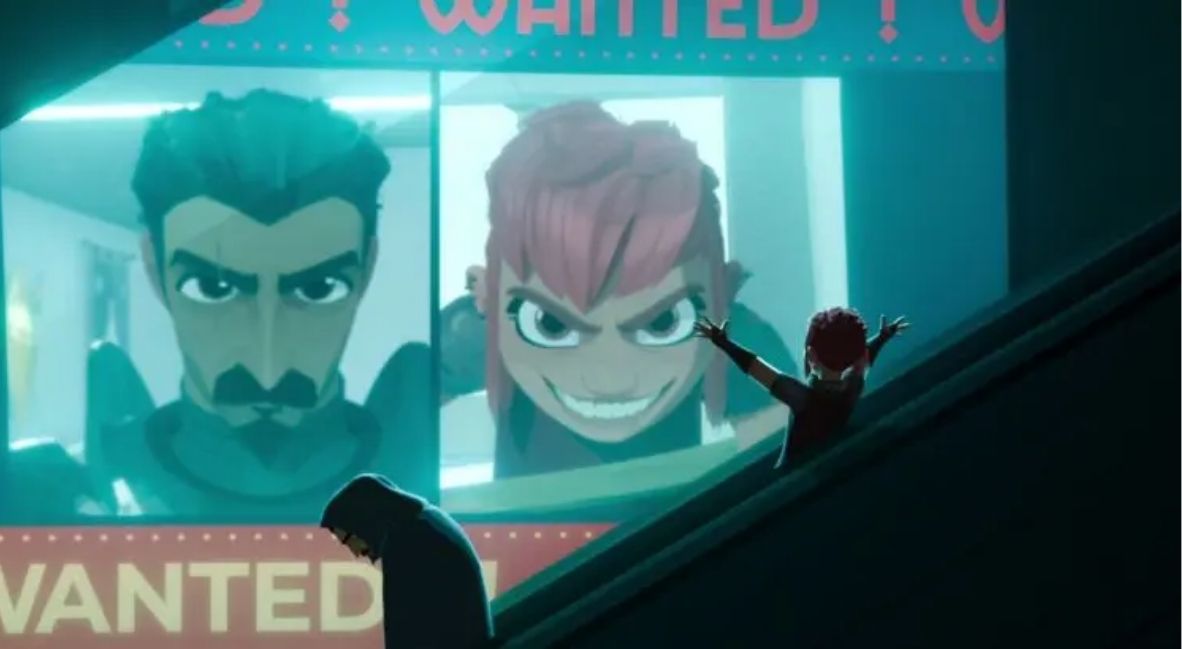
Leonis echoes Behjat, noting that the success of KPop Demon Hunters and The Wild Robot indicates the way forward for original animated kids’ movies writ large. In the case of KPop Demon Hunters, the straight-to-streaming model may have been a harbinger of its success, but it could also have potentially been marketed successfully to the K-pop fandom for an initial theatrical run.
In this, Leonis illustrates the various marketing avenues the studios can use to motivate audiences for a pricier time at the theaters. In fact, KPop Demon Hunters was so successful on streaming that it encouraged Netflix, infamous for its aversion to theaters, to release and re-release the film in theaters multiple times in multiple formats.
Could streaming be the key to more originality in animated kids’ movies? While hosting both original and imported animated films for all ages, Netflix has a strong host of original kid-friendly animated films, including Klaus, The Sea Beast, Over the Moon, Wendell & Wild, Nimona, In Your Dreams, and more, since its animation division debuted Klaus in 2019.
With significantly more original films coming out recently compared to the likes of Disney and Pixar, it would seem that Netflix has them beat on originality. However, Netflix, of course, doesn’t currently own any major legacy IP, so perhaps it simply had no choice but to invest in original filmmaking. It is also difficult to measure the financial returns from streaming-only investments compared to the traditional box office.
Studios guarantee their success best when they focus on driving innovation.
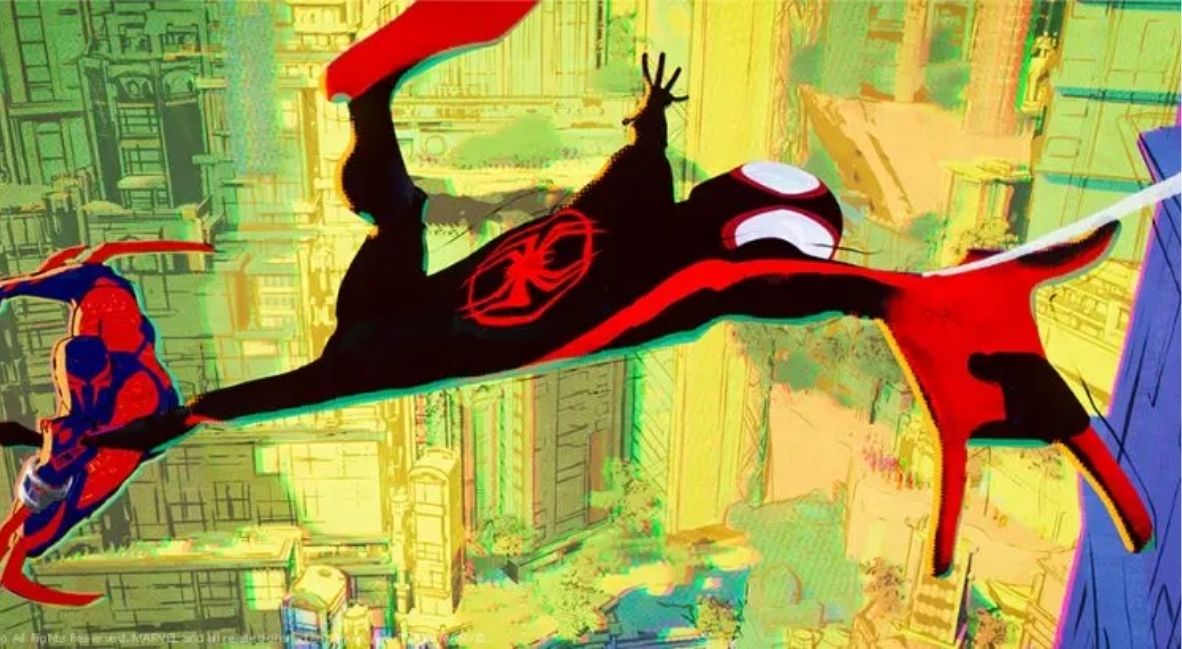
Additionally, creating original work in the streaming age has had its fair share of highs and lows for both animators and studios, again feeding into the focus on “safe” remakes and sequels. Leonis reflects on the boom and bust of the streaming bubble and its impact on the industry. “The ramp-up of streaming was really good to us at first,” Leonis recalls. “At first, I would say, especially because of the pandemic, everyone wanted content. Everyone was at home. People wanted content.”
“And I think the fallout of that is that they spent so much money, and now they are like, ‘We need to save some money now. We’re not making as much off of streaming as we would have hoped to have made.’ People cancel and resubscribe all the time when there’s content that they want. So, then things kind of dried up for a bit. I feel really bad for a lot of the students who are going through school now or just graduated around that time.”
Ultimately, Leonis thinks that the studios guarantee their success best when they focus on driving innovation in the animation medium with each film they produce, echoing the creative ethos of Walt Disney. “I don’t think [Walt Disney] would be a fan of the live-action remakes, right? I think that he would be fine with sequels. But of course, pushing the creativity, pushing the technology too.”
Sometimes, originality doesn’t have to mean a purely original concept to feel fresh.
Behjat echoes Leonis that the push for constant innovation is key. “It’s just that everything has been done. It’s tough to see where you can put your own spin on it. But it’s always also, I think a big thing with original content is: What would you would you want to see? How would you enjoy the story? How would you make it better? I think that could be with anything, honestly.”
In terms of the medium of streaming vs. theatrical releases, Graves explains that it will ultimately remain a mix of both for animated kids’ movies, as ultimately what matters, alongside marketing, is word of mouth, online or in real life, to spread the message of a film’s quality.
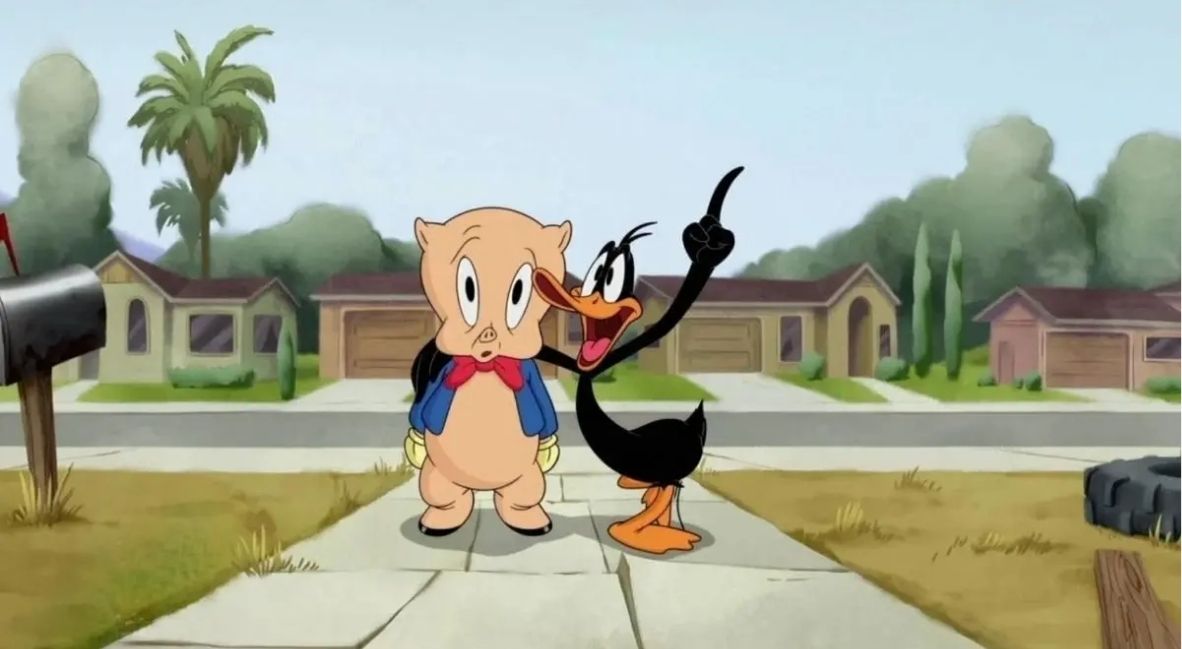
For example, the recent Looney Tunes film The Day the Earth Blew Up, which initially had a limited theatrical release, reached the top 10 on HBO Max. Of course, this is based on a preexisting and longstanding franchise, but it still had to climb upwards as a relatively original story and the first of its kind in decades.
“Whereas if something fixed just goes to streaming, there is a minor, vocal minority of people praising it, but you don’t have the onslaught of people praising it like you do with The Day The Earth Blew Up because it had the theatrical release date. And more people are aware of that, even though they may or may not have seen it. And with it being on HBO Max, I know for a fact more people saw it that way than in theaters.”
Good original films come down to good storytelling.
Despite the tumultuous path for The Day the Earth Blew Up, from its initial shelving by Warner Bros. to Ketchup Entertainment saving it, and now back on HBO Max, Graves has abundant hope for the future of original animated kids’ movies at Warner Bros.
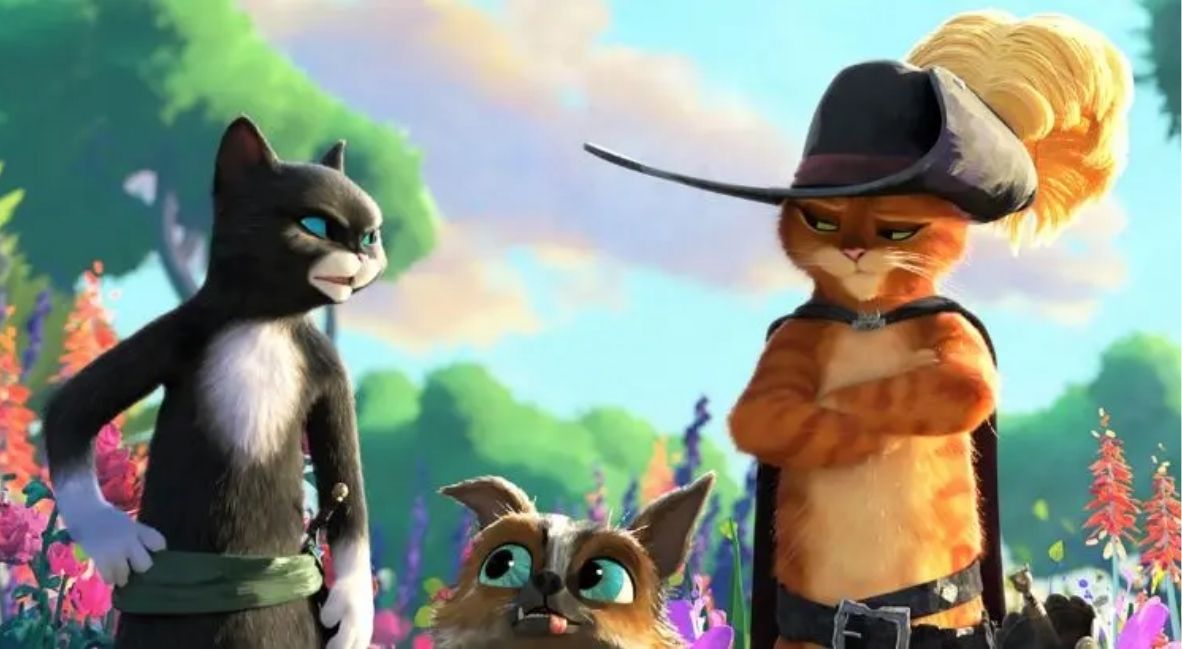
In fact, according to Graves, the success of original films trickles down to storytelling. He says. “You have all of these original films that are coming out and doing really well at the box office. Look at Weapons. Look at Sinners. These films are grabbing audiences and doing something unique. Additionally, Sinners had influence and inspiration from an animated kids’ movie, Puss in Boots: The Last Wish.”
Coyote vs Acme, another film initially shelved by Warner Bros. but also saved by Ketchup to release next year, also bolsters hope for original kids’ films in Graves’ view. “I think the film looks great, and I think people are going to be surprised by it. I’m just excited for people to see it. And if you haven’t watched The Day the Earth Blew Up, I highly recommend that one, even though it’s slightly different; it’s skewed more toward 30s humor, but with a modern sensibility sprinkled in, so it’s so good for kids.”
Zootopia 2 has dominated the box office thanks to creativity, not originality.
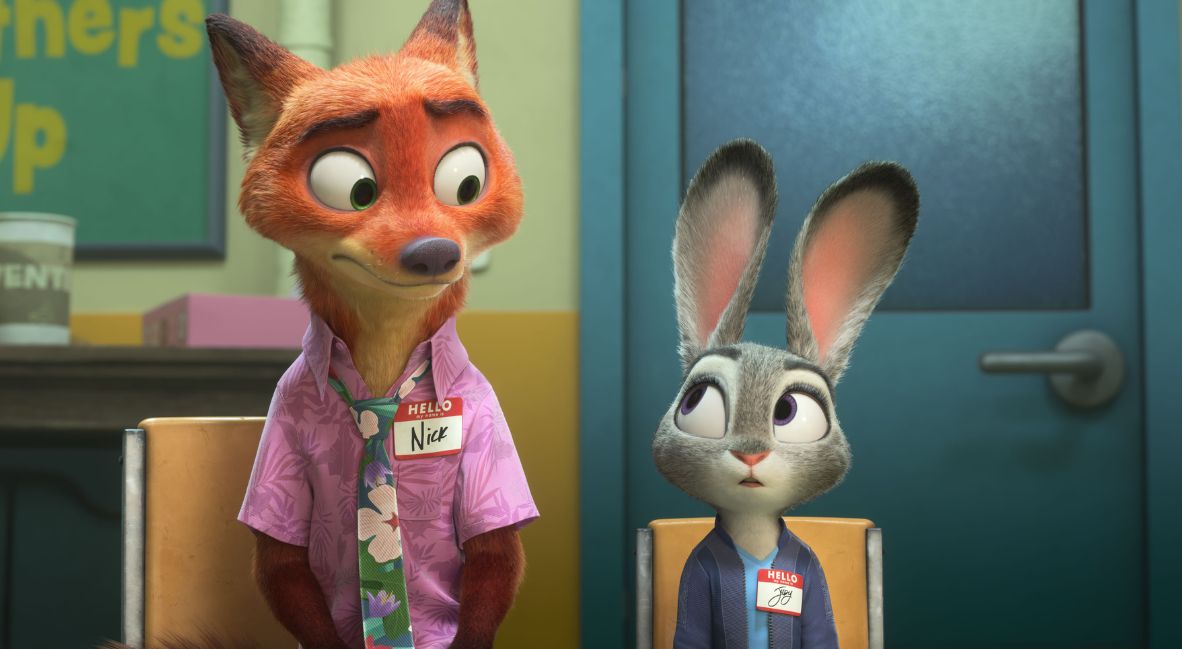
Given the very mixed record of successes we see, studios want their films, animated or otherwise, to stand out just enough to draw audiences to theaters or streams. Whether that’s doing a remake, sequel, or generating a new story idea, studios want original success within the confines of their IP.
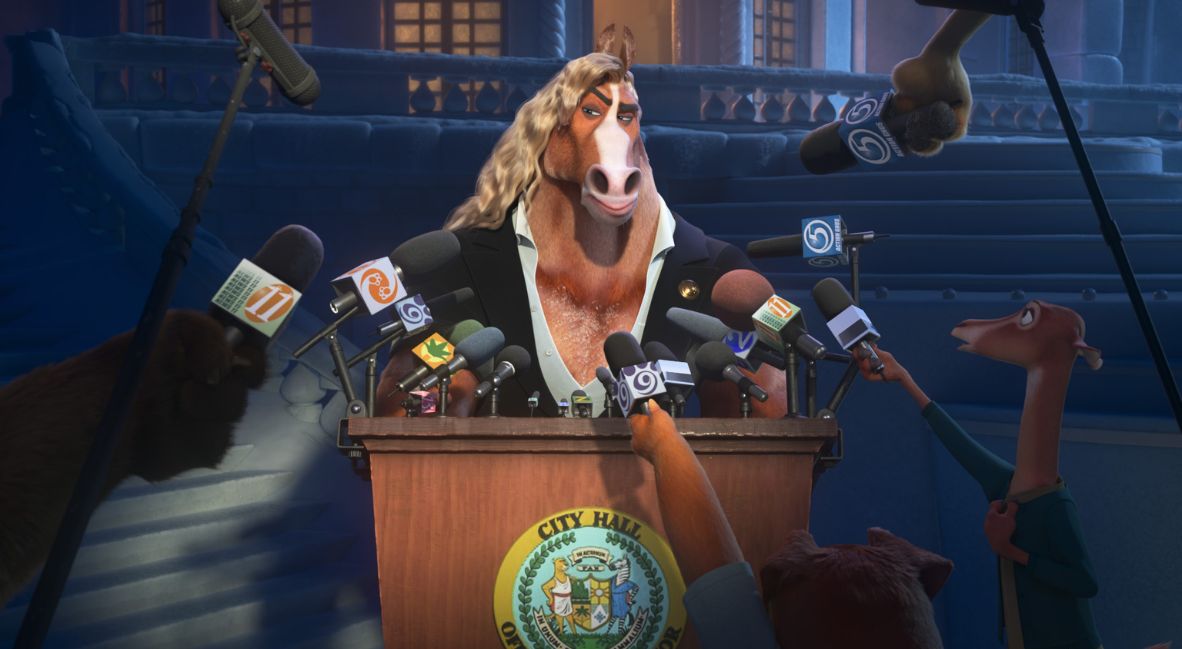
Take the Zootopia franchise, for example, whose second outing has already grossed over $1 billion. While certainly building off the similar financial success of its predecessor, the more original (at least, for this particular franchise) story beat of exploring colonization and decolonization resonated with audiences flocking to the theater.
According to Graves, the timeliness of the films is key to their success. “The success of Zootopia comes from not only its unique style of world building, where we see mafia mice and helpful otters, but the fact that they are allegorically aligned with our own political landscape,” he says.
An original film succeeds with effective marketing, word of mouth, and a good idea.
Of course, as Leonis reminds us, it’s still that sequel effort of building on proven success (as we saw last year with Moana 2, which made over $1 billion) that is also a key driver of ticket sales. “I think the distinct story would bring people back for repeat viewings. Going back to how expensive going to the cinema is, families are only going to a few films a year. Zootopia was great, and people want to see more of that world. So I would say it’s more related to the world-building and audience from the first film,” she says.
Ultimately, the animation industry is in flux in its approach to original films. Pixar’s setbacks are indicative of Disney’s currently conservative outlook toward “guaranteeing” success that might behoove them now. Still, eventually they’ll run out of IP to remake and re-adapt. Original storytelling in kids’ animation, even if it doesn’t drive the most ticket or streaming sales, remains the way studios will achieve long-term success in the field.
No matter the studio, an original film succeeds with effective marketing, word of mouth, a good idea, and a clear studio effort to put its weight behind it. Let’s hope we have far more of that going forward and fewer remakes, reboots, and sequels with diminishing returns.