28 Years Later: The Bone Temple is essentially a “Part 2” to Danny Boyle and Alex Garland‘s 28 Years Later. While this infection horror story makes swings toward nostalgia, it doesn’t lose itself in that. Instead, we see a continuation of a story that had to be told.
Taking place immediately after the events of 28 Years Later, The Bone Temple is directed by Nia DaCosta and written by Alex Garland. Having now escaped the MCU stranglehold, DeCosta has gone back to a genre where her talent thrives: horror.
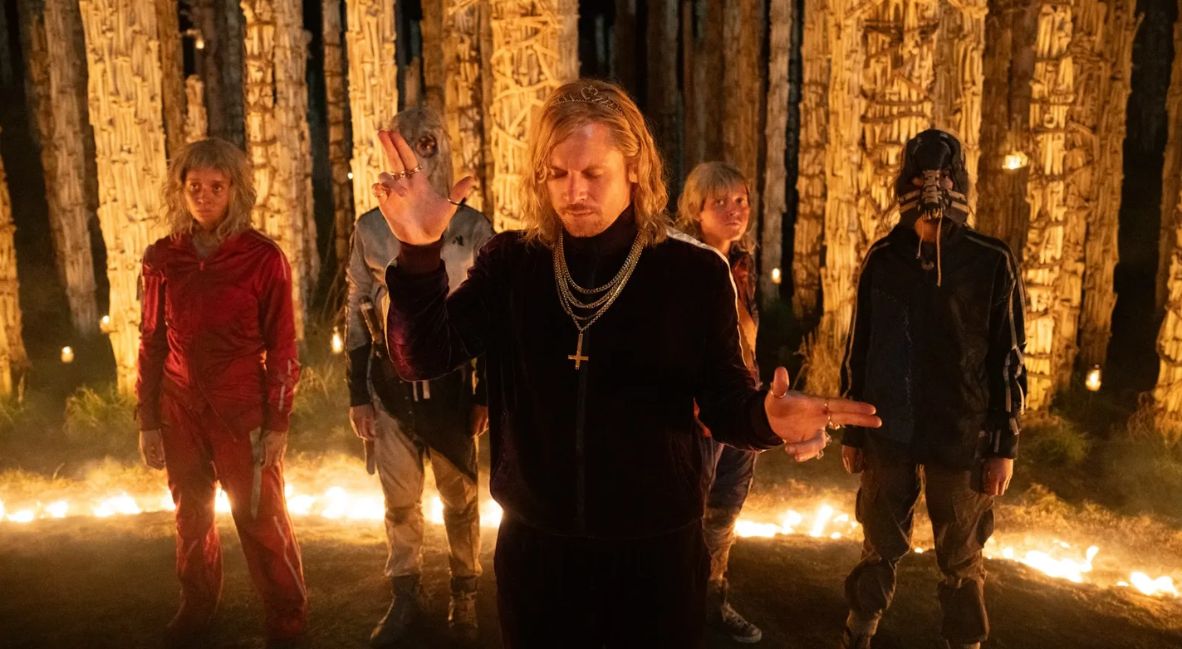
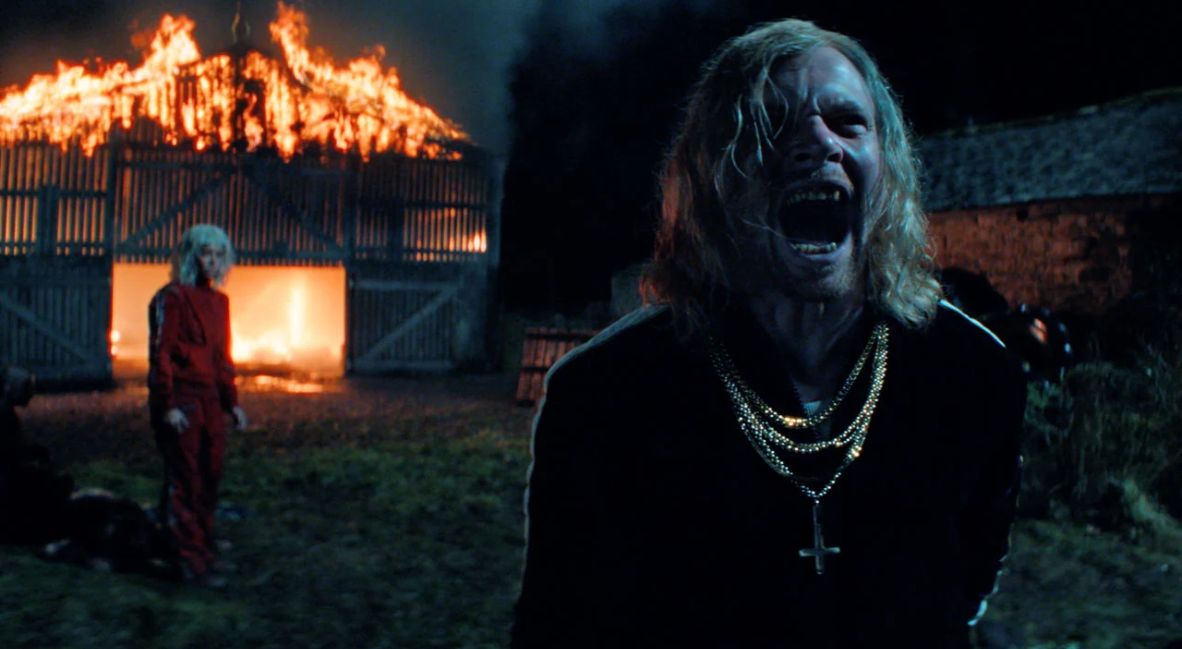
In the film, we meet Spike (Alfie Williams) as he stands in a pool and is asked to pick a Jimmy to kill. This group of track-suit-clad crazies saved him from becoming lunch for the infected, but they also pose a danger of their own. Violent zealots at their core, each of the seven people, all named Jimmy, bow down to and follow the direction of Sir Jimmy Crystal (Jack O’Connell), a narcissistic sovereign who only sees himself in this world.
28 Years Later: The Bone Temple makes the film before it even better.
To be direct, I disliked the ending of 28 Years Later intensely. The metal cover of the Teletubbies theme song just wasn’t my jam, but now with The Bone Temple? It all works. 28 Years Later: The Bone Temple is a sequel that not only establishes itself outside the shadow of its franchise heavy hitters but also improves on the one preceding it.
The Bone Temple is absurd and chaotic and violent and emotional. There are core elements of the world Danny Boyle and Alex Garland created that evolve in this film, but they do so in conversation with what came before. Where other sequels and sagas attempt to throw out everything that came before, each scene here builds on the last. And all of it has emotional resonance thanks to how long we have been in this dangerous story.
More than that, 28 Years Later: The Bone Temple does all of this by not resting on its laurels. It leans in hard to eccentricities and swings for the fences multiple times, and all of them succeed. Even with its most wild moments, it’s hard not to buy into them all. And central to that are the performances.
The performances from Alfie Williams, Ralph Fiennes, and Jack O’Connell make The Bone Temple one to beat for horror in 2026.
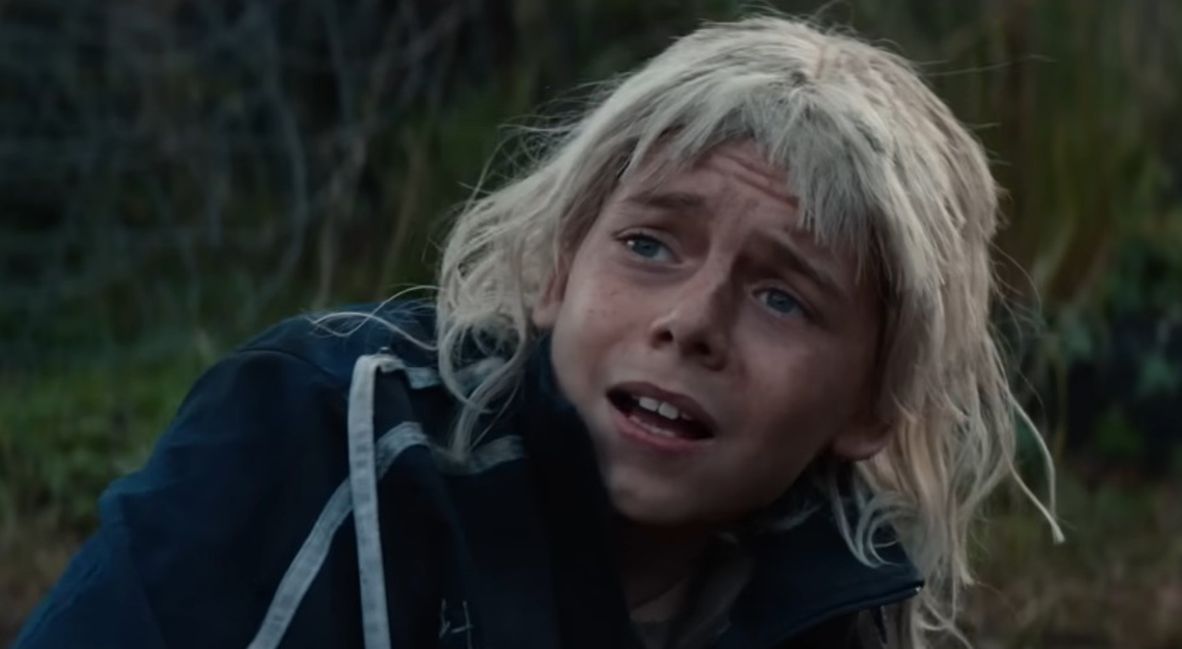
As Spike, Alfie Williams has grown and is able to defend himself. However, when he’s taken by the Jimmys and confronted by their wanton violence, he has a choice to make. Choose to become completely hardened to survive and buy into being one of the fingers on Sir Jimmy’s fist, or choose to remain his mother’s son, to not let the world cave in his sense of morality.
Because of this, Spike is often cast in a polar opposite to how we see him at the end of 28 Years Later. With The Bone Temple taking place immediately after Spike encounters the Jimmys at the end of the first film, there is almost an expectation that Spike will be more transformed by what he experiences, hardened. But the reality is that Dr. Kelson’s (Ralph Fiennes) teachings, his care, and the importance he puts on human life have changed Spike more than any of the horror he saw while on his journey away from his father.
The Bone Temple is a continuation of a coming-of-age story, and one that shows Spike continuing to choose what kind of man he will be in this broken world. And this continues as he meets Dr. Kelson again, and when the doctor leaves, he imparts one last impact on his life.
Ralph Fiennes’ Dr. Kelson is one of horror’s finest characters, combining tenderness and eccentricity.
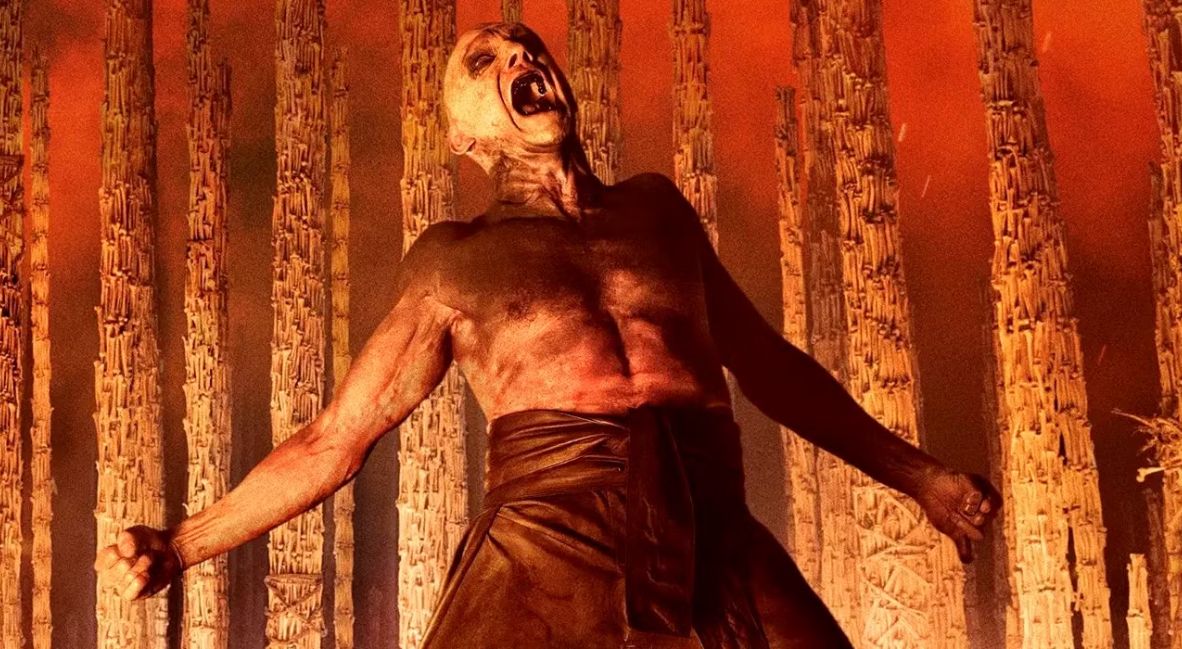
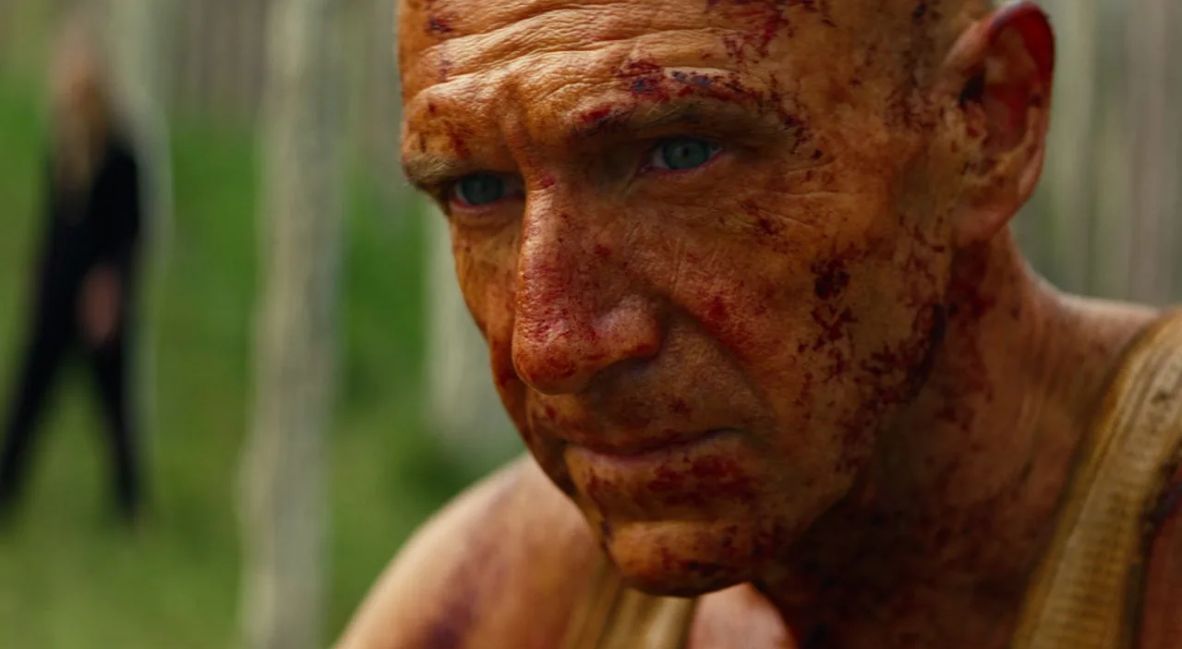
For his part, Ralph Fiennes’ Dr. Kelson is a defining character for the zombie genre. He isn’t a crazy lone doctor who believes he can cure the infection. Instead, he is a thoughtful, kind man who still hopes the world can be cured. His curiosity and loneliness push him toward Samson (Chi Lewis-Parry), the Alpha, whose brutality is on full display.
Kelson is measured and theatrical, but even when he takes on the role of the devil in the Jimmys’ story, his morality grounds him. Even when he can choose himself, he chooses people he will never meet over his own safety. The tenderness Kelson repeatedly shows is the foundation of his character. Still, it’s his third act performance to “The Number of the Beast” that will be one of the scenes to beat in 2026.
Ralph Fiennes possesses undeniable depth and by tapping into his ability to meet others in emotional moments through the tenderness of a doctor and to let his eccentricities thrive when he needs to has solidified Kelson in the annals of horror characters. As much as this is still Spike’s story, Kelson’s worldview and actions encompass both films. His kindness means more than the violence we see, and that’s what we leave with in The Bone Temple.
The Bone Temple continues the conversation from the first film, making it a strong Part 2.
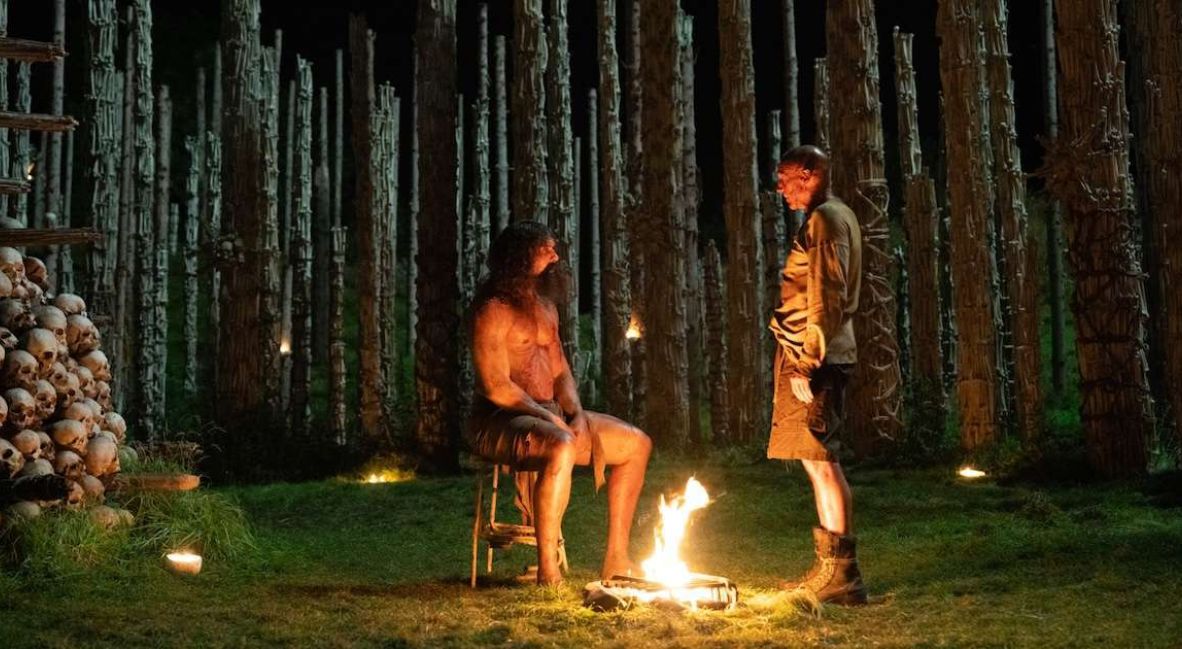
28 Years Later: The Bone Temple continues to drive the conversation around masculinity, memory, and the importance of having just one kind person meet you when you need them. Here, it’s in seeing how Kelson changes the people that he meets, from Spike to Samson, and that’s the core of this entirely broken and brutal world.
While I want to dive into Chi Lewis-Parry’s shockingly layered performance as Samson, doing so would spoil some of the film’s biggest revelations. Still, there is one character left whose impact on The Bone Temple can’t be understated: Sir Jimmy Crystal.
The twisted secret child of a priest who watched his crazed father lead the infected to overtake his community, killing his family, Jimmy is messed up to say the least. Obsessed with the Teletubbies, Jimmy has essentially created his own religion. One where his father, Nick, is the devil who let the demons loose on the world, and now he is in control of it.
He takes people, makes them kill someone in his group, and then dubs them Jimmy. He gives sermons and forces them into violence, so much so that the audience can see the ways in which the Jimmys, which he calls his Fingers, are broken. Both by what they’ve seen and by what they have given in to.
Kindness is the cure in 28 Years Later: The Bone Temple.
Now, a part of it, Spike’s kindness is an affront to the world of violence that Sir Jimmy dubs ‘charity’. This is the worst place for Spike to be, but it is also the most interesting from a storytelling perspective.
Over the last two films, Spike has grown as a person. He’s come of age in the apocalypse, but has done so with men in his life leading him, teaching him (both from their mistakes and successes), and stepping in to care for him. Sir Jimmy, however, hasn’t.
Jack O’Connell’s performance as Sir Jimmy is unnerving. He’s a cult leader, yes, but he’s also a man who stopped growing up when his family died. His religion is that of a child. The way he dresses, in track suits and a tiara, is like a child playing dress up. And when he makes his Fingers follow him, the need for power comes off more like a temper tantrum, and as he continues through the film, it makes sense why all of his Fingers are teens, or just people smaller than him.
28 Years Later: The Bone Temple is exciting and electric, filled with moments of violence that will make you turn your head from the screen. But it’s also incredibly kind, even in the brutality that never stops being on display. That success isn’t just thanks to Garland’s script, but also to director Nia DaCosta’s keen eye and her tracking of personal growth through visual storytelling. The Bone Temple is that rare moment when a “Part 2” strikes gold. Violent and visceral, none of the eccentricity muddies a message that grows more relevant every day.
28 Years Later: The Bone Temple is in theaters now, nationwide.
28 Years Later: The Bone Temple
-
Rating - 9.5/109.5/10
TL;DR
The Bone Temple is that rare moment when a “Part 2” strikes gold. Violent and visceral, none of the eccentricity muddies a message that grows more relevant every day.