

With the time loop in Honami City gone and the portal between it and Lahai-Roi stabilized, Wuthering Waves 3.0 Part 1, developed and published by Kuro Games, sees Chisa (Leader Looi, Black Myth: Wukong) ready to return home, and for Rover (Jane Jackson, Genshin Impact) to begin the next leg of their journey. Old enemies and new dangers await the hero as they venture into the science-fueled city under the ice.
When approaching an ongoing narrative, one of the key things required to keep it fresh and interesting is iterating on what you have done in the past. To take a bit from this thing, a taste from that, and add just enough new spice to make it stand out, while not abandoning what your audience loved about what you did before. It is a tough trick to walk the line between stagnation and forgetting the assignment. However, if this first foray into its new world is any indication, the developers here have the process well in hand.
The biggest inspirations that Wuthering Waves 3.0 Part 1 carries from previous installments can be seen in versions 2.0 and 2.4. In each instance, it takes great elements and improves upon them largely through how it combines them. This structural melding of two of Wuthering Waves‘ best updates pays off just as well as you’d expect.
Wuthering Waves 3.0 Part 1 wastes no time showcasing the dangers of Lahai-Roi.
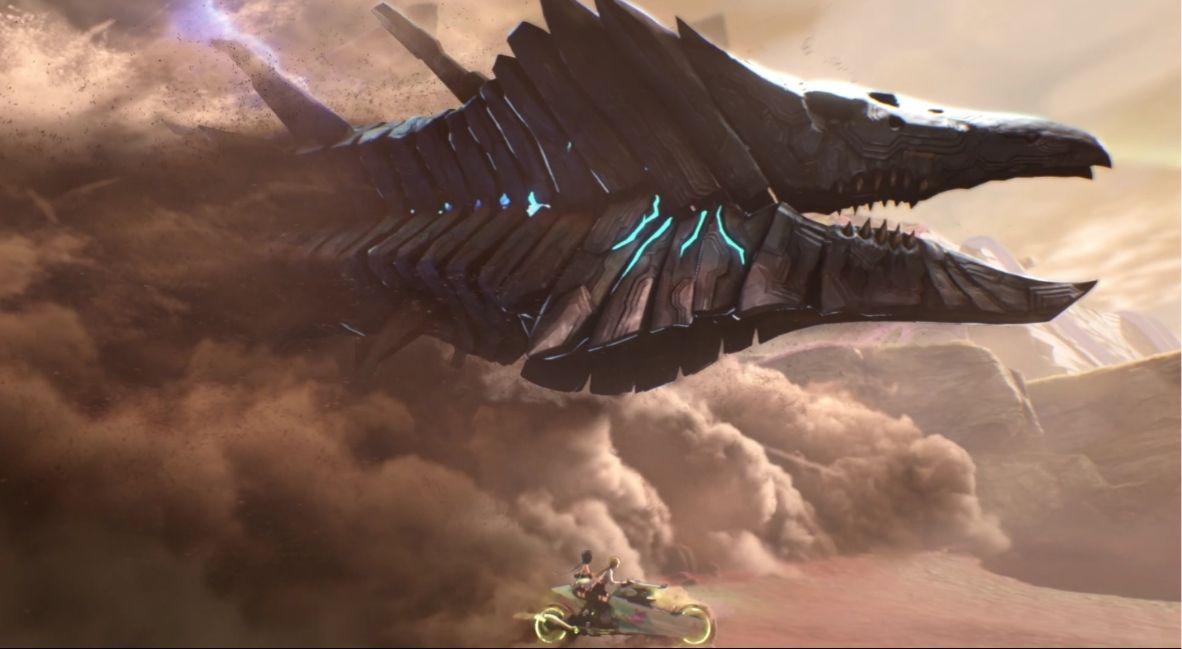
Wuthering Waves 3.0 Part 1 wastes no time showcasing the dangers in the new world of Lahai-Roi. Between cryptic visions and pursuit by a giant Void Worm, Rover is given no time to acclimate to their new surroundings before being thrown into the thick of things.
The growing peril of the Void Worm and the reasons for its imminent threat take center stage in the story. The twists and turns along the way hit well, but are kept short. The pacing of the narrative rarely slows down once the threat fully comes to light.
Much like 2.0, this threat is presented not as the whole story, but merely the opening volley of the battles to come. Even as one danger passes, signs of upcoming problems are already laid out for Rover to ponder. Woven into the crisp introductory storyline are characters, concepts, and events that are sure to become important as the plot moves forward.
Wuthering Waves 3.0 Part 1 skillfully chooses what to show and what to conceal.
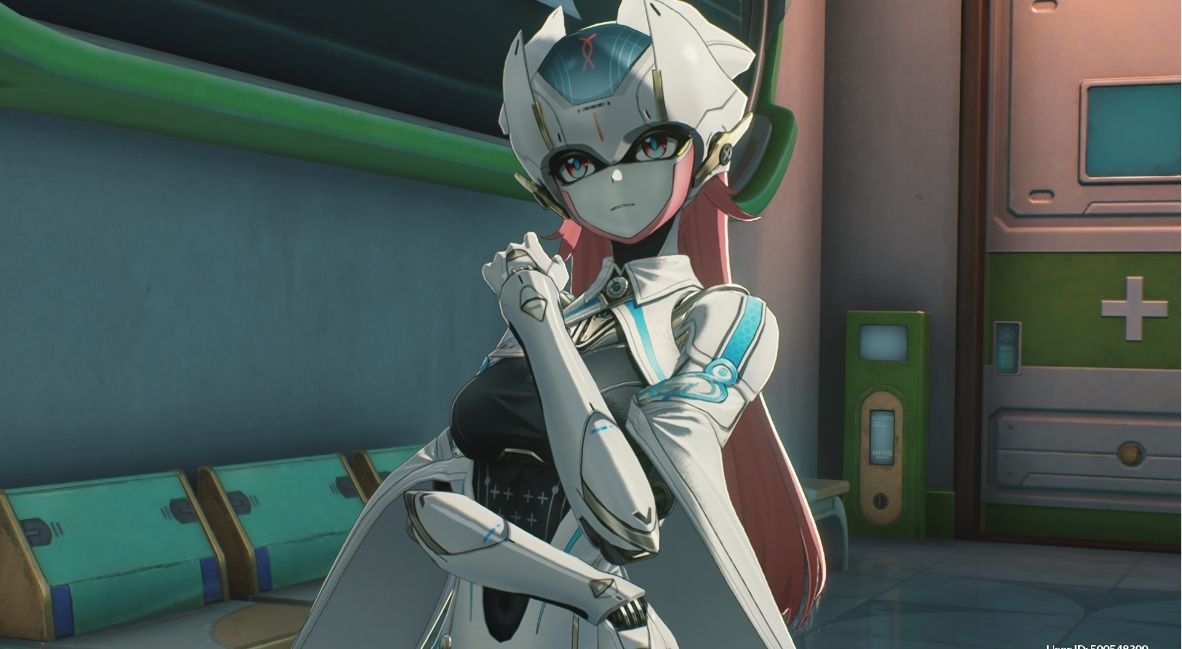
Wuthering Waves 3.0 Part 1’s greatest narrative achievement is how skillfully it chooses what to show and what to conceal. Characters like Dr. Herssen and Professor Mornye are given meaningful time to become familiar, while not bogging down the proceedings with side plots. This is in no small part thanks to the narrative choice to split the update into two.
First done in 2.4, the split narrative does wonders for this entry’s pacing. Rather than trying to string two main plot lines along in tandem, ultimately causing both to stall each other out, the opening gives just enough of the second story to whet appetites, while not getting in the way of the main focus. How this story ends works perfectly for this structure, making it as natural a fit here as when Kuro first did it.
Despite Kuro going with this approach several times over the past year, I didn’t think they’d do it here. Initial patches in a new cycle are often expected to be huge, delivering the biggest narratives of their runs. While splitting the content by a few weeks doesn’t actually diminish what players get, it can give that appearance. However, the narrative’s outcome speaks to the rightness of the decision. Just so long as part two can bring it home when it goes live.
Splitting Wuthering Waves 3.0 into two parts leaves more room for side stories to discover.
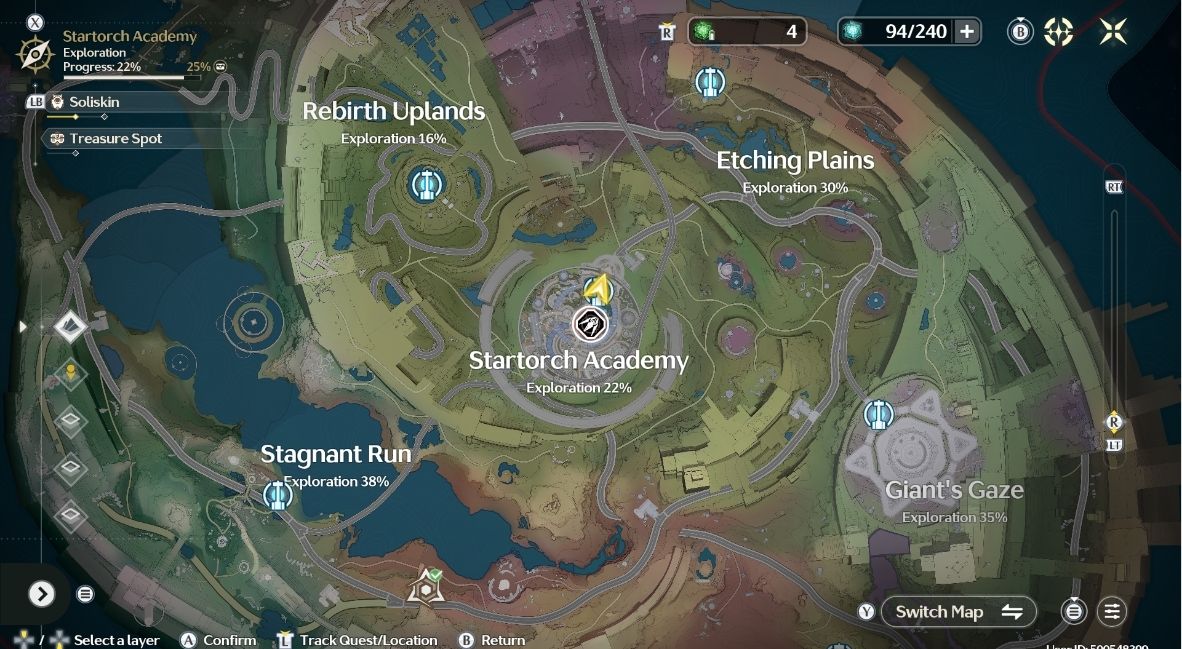
Even though the story may be cut in half, Wuthering Waves 3.0 Part 1 offers plenty of side stories for players to discover. These quests not only serve to reward players with needed upgrade materials, but also do a great job of rewarding players with stories that build out the groups and world of Lahai-Roi. This fleshes out the new region for players who want to explore it.
While the Void Worm towers over everything in Wuthering Waves 3.0 Part 1, standing nearly just as tall is the newest playable character, Lynae (Elsie Lovelock, Anno 117: Pax Romana). Lynae is far more than her first impressions make her out to be. From her first shots in the story to her final bow, the character does a great job of existing between two worlds, as her personality frequently shifts back and forth.
Lynae’s evolving role in the tale makes for the most compelling element of the story. What is really her and what is an act is left unclear for a good portion of the narrative. This uncertainty is aided in no small part by Lovelock’s voice acting. Both sides of Lynae’s personality come across with the same level of sincerity and quality, making it hard for her to differentiate between reality and fantasy.
Lynae’s abilities can feel a bit convoluted at times.
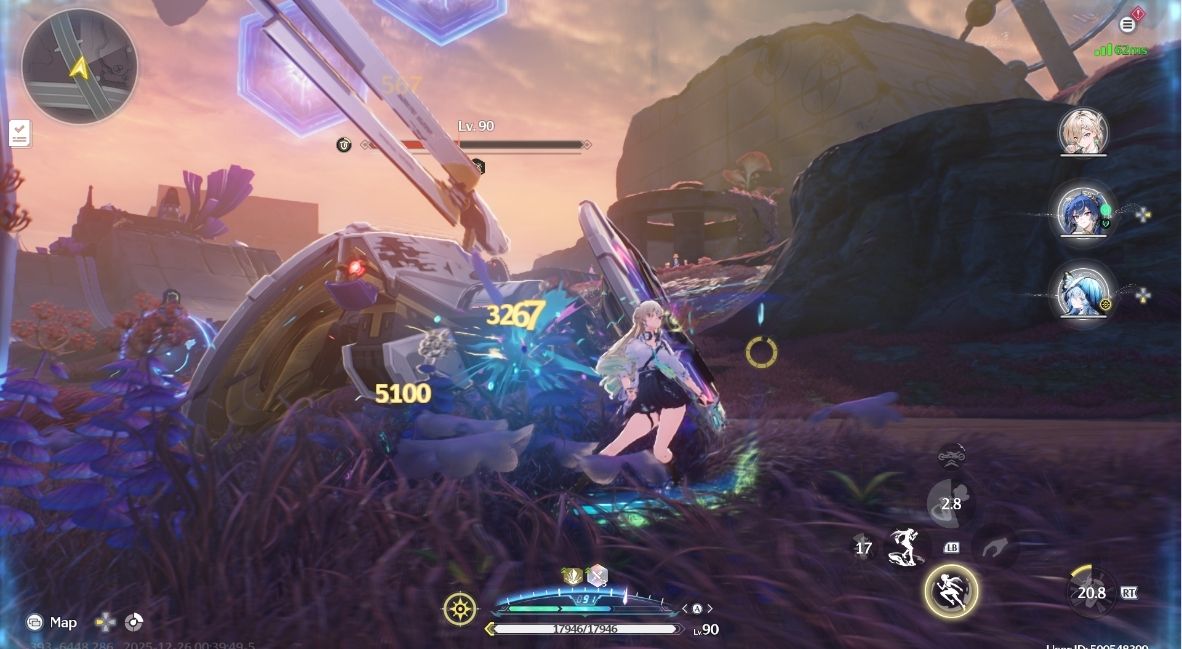
Lynae’s colorful and complex personality carries over into her gameplay as well. Bright splashes of spray-painted color highlight her acrobatic combat style. And when she pulls off one of her signature combos, she even leaves a rainbow in her wake. Her design feels perfect for her, and makes any moment she is on the field a visual spectacle.
As a sub-DPS, she does a fair amount of damage while also imparting strong buffs to her teammate who rotates in after her. However, her abilities can feel a bit convoluted at times, making it tricky to master her best rotations. She’s also the first character to have abilities that play into the new Tune Break mechanic, adding a level of unfamiliarity to the complexities she already has.
The only major complaint about the character actually comes during world exploration. When in combat, Lynae can enter a special state, one of the effects of which is that her jump turns into an attack. This state persists even after combat ends. This often led to missed jumps while exploring. Not the biggest deal, but it would be great if the state could cut off and reactivate when leaving/returning to combat.
Wuthering Waves 3.0 Part 1 introduces a new personalizable bike.
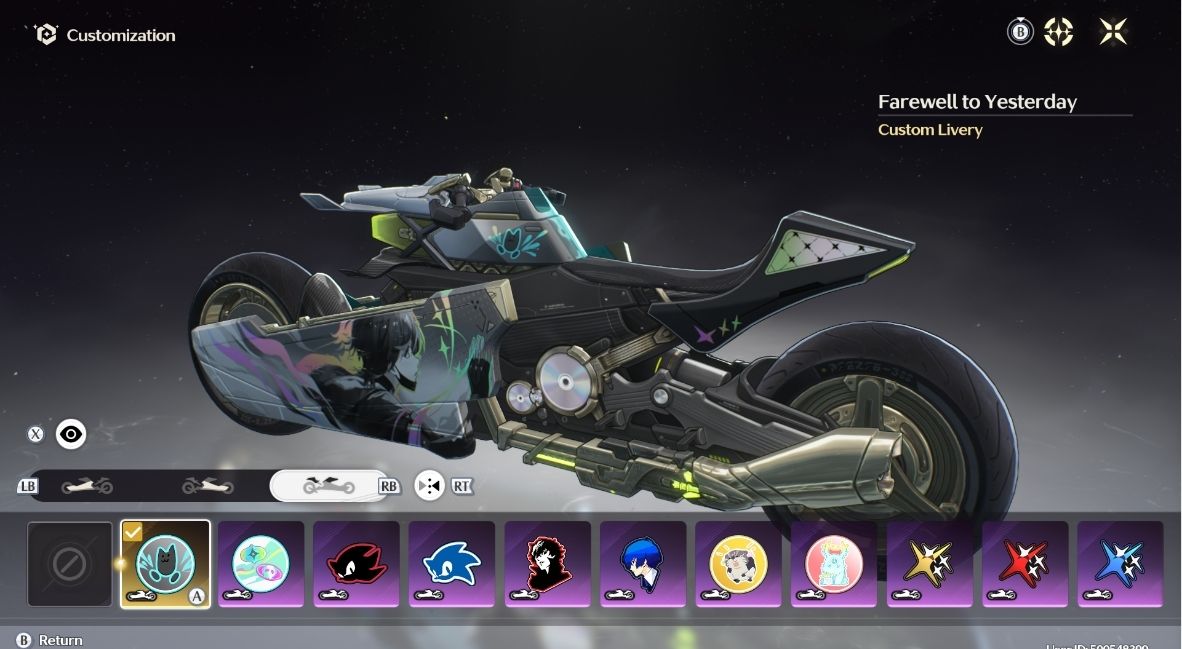
Easily the most hyped element coming into Wuthering Waves 3.0 Part 1 is the new motorcycle. And for the most part, the hype is worth it. The bike handles well, and Kuro’s devs did a great job of sculpting a world that allows it to shine as brightly as possible.
Many walls are inexplicably curved to create ramps, greatly increasing how much terrain it can maneuver around. With a generous jump height that can be enhanced with an air dash once the bike is upgraded, there are few areas of any size where the bike doesn’t work well.
Despite how much effort is put into making the bike and the world meld together, there are still times when flying is missed. Also, due to how much time you spend on the bike, when you are in an area where the bike isn’t practical, you really feel the speed loss. Running any amount feels like a crawl, even with Lynae, whose skates give her the fastest foot speed of any playable character.
Beyond just being a means of traversal, Wuthering Waves 3.0 Part 1 also makes the bike personalizable. Upgrades to the bike’s mechanics make it an actual combat element, giving both defensive and offensive buffs when players use a dismounting attack to enter the fray. These buffs are ample, but since the bike can never be present for the biggest endgame content, they never become cheats for the really tough battles.
The bike’s look can also be customized. Several visual elements can be unlocked or purchased, with three customizable components allowing for different designs to be showcased. Giving some extra pop to the offerings is a collaboration with Sonic the Hedgehog and Persona. All acquirable in-game, these are fun options for fans of these franchises, and hopefully promise more such possibilities in the future. (If you are listening, Kuro, please do Nier: Automata next.)
The radio and driving companions help the long drives go by more pleasantly.
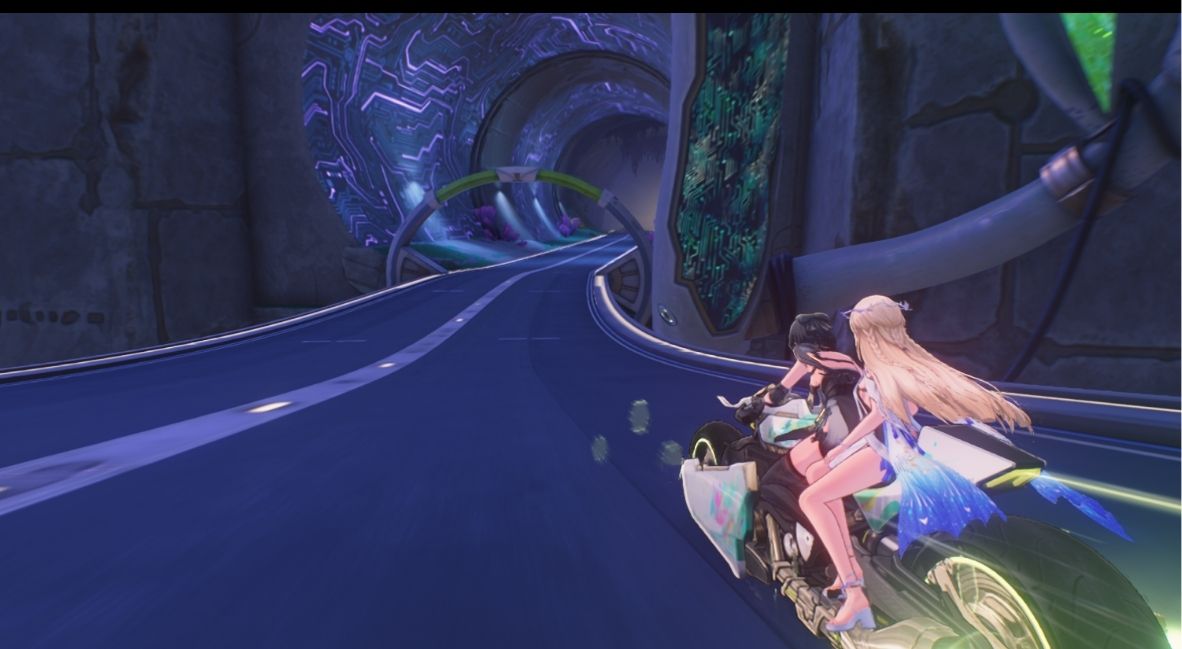
There is also a radio option that lets players cruise to familiar tunes from the game, as well as the above-mentioned collaboration partners. This is a fun feature, but it doesn’t always work the way you want. Bike trips often consist of short bursts, making songs start and stop abruptly. While I always wanted it on, I sometimes needed to turn it off for my sanity. Though happily, the radio does keep track of where songs leave off, so if you find yourself jumping on and off the bike a lot, you won’t hear the same thirty seconds of a song ad nauseam.
Where the radio is great, however, is on long drives, especially ones that keep to the region’s highway, allowing autopilot to take over. When letting the autopilot drive, the player can enter cinematic mode and even have a companion join them for the trip. Picking appropriate tunes for a ride with a favorite character is a nice gimmick, especially early on when you are still unlocking fast travel points anyway.
When the player is called on to make long treks across the new region, they are treated to some gorgeous scenery. Sci-fi structures and giant rock formations serve as sharp landmarks amid the gorgeously sculpted landscape. Fewer distinct biomes are present in Lahai-Roi than in previous regions of Solaris-III, but this just gives the world a more unified feel. There is enough variety between the natural elements and the high-tech to create strong contrasts and establish a solid range of possibilities for what could be added in future updates.
Driving challenges made the new bike feel more worthwhile from time to time.
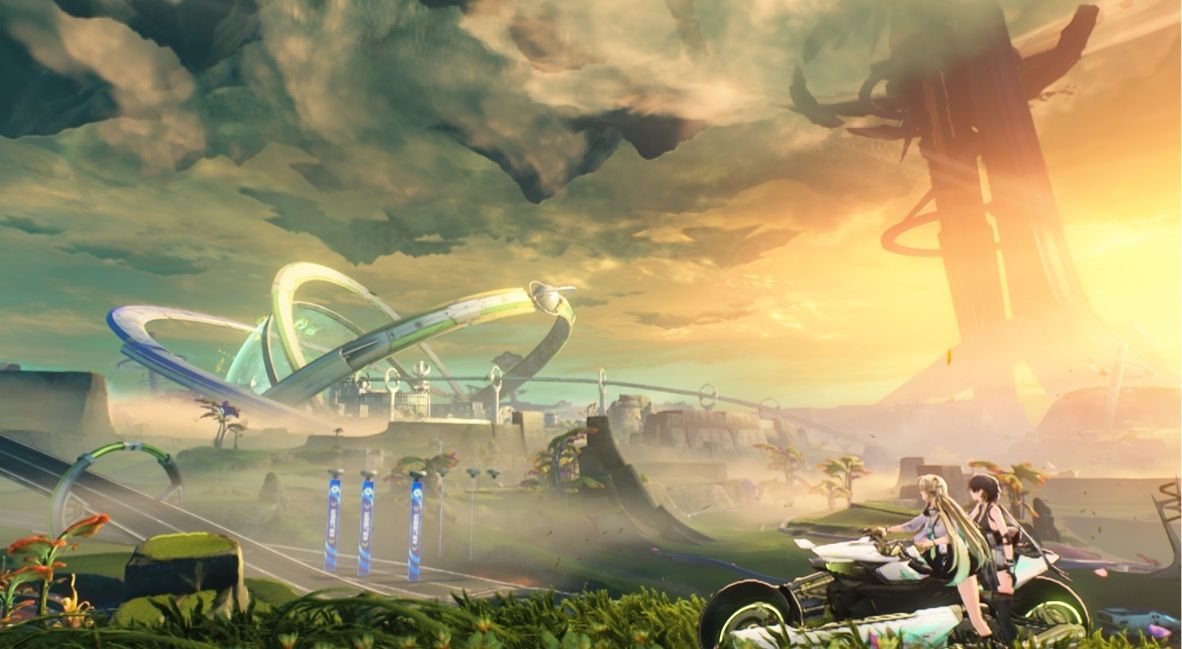
Adding some more interactivity to the breathtaking world is driving challenges. Obstacle courses and similar events scattered around the map make for some fun distractions, in the same vein as Rinascita’s flying challenges.
The bike does make its way into a couple of action sequences throughout Wuthering Waves 3.0 Part 1, though the results are mixed. Classic race-aways from the giant monster moments work well, imparting some tension when appropriate. However, a major miss near the end of the game is when the bike is brought into a boss battle.
This battle fails at the concept level. How the fight is set up, the scale of the area, and the style of threats presented during it all make sense and are executed as well as could be, but they just aren’t fun. It slows the moment down as the player drives around to pick up items to power up attacks that take too long and require the target to exist with a level of ponderousness that saps the threat.
Tune Break is the standout new combat element in this update.
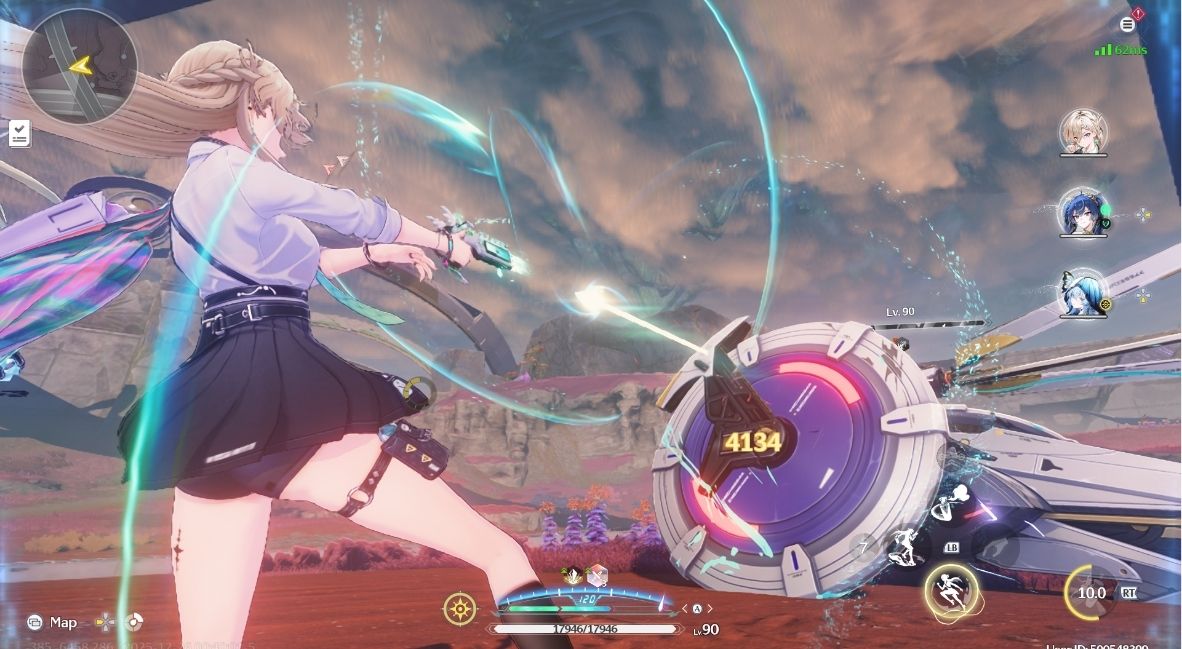
While the bike falls short as a new combat element, Wuthering Waves 3.0 Part 1’s new Tune Break mechanic does not. Tune Breaking creates another avenue for the devs to make characters feel unique, while broadening the types of buffs and circumstances they can customize for specific encounters.
The way tune breaking works is like this: When certain attacks damage enemies, a circular gauge to the left of their health fills. Once full, a prompt will appear, allowing the character to launch a break attack. Once done, the enemy enters a mistuned state, making it more open to damage. This function works with all characters as well.
The dynamic camera work for the special attack helps the new mechanic hit. Each weapon type gets its own mini-sequence, each looking great, despite the generic animation characters share. The added element brings another moment of excitement to longer fights. The break attack has also been designed to work seamlessly with characters who enter special states, never pulling them out of their powered-up forms to deliver the attack.
The only small hiccup is how poorly the prompt stands out at times. The visuals of fights can get crazy, and the standard white ring with a button cue in the center that works great for most Q.T.E. moments in other parts of the game can get drowned out by the battle animations and special effects.
Void Storms pit players against two waves of enemies with major health debuffs.
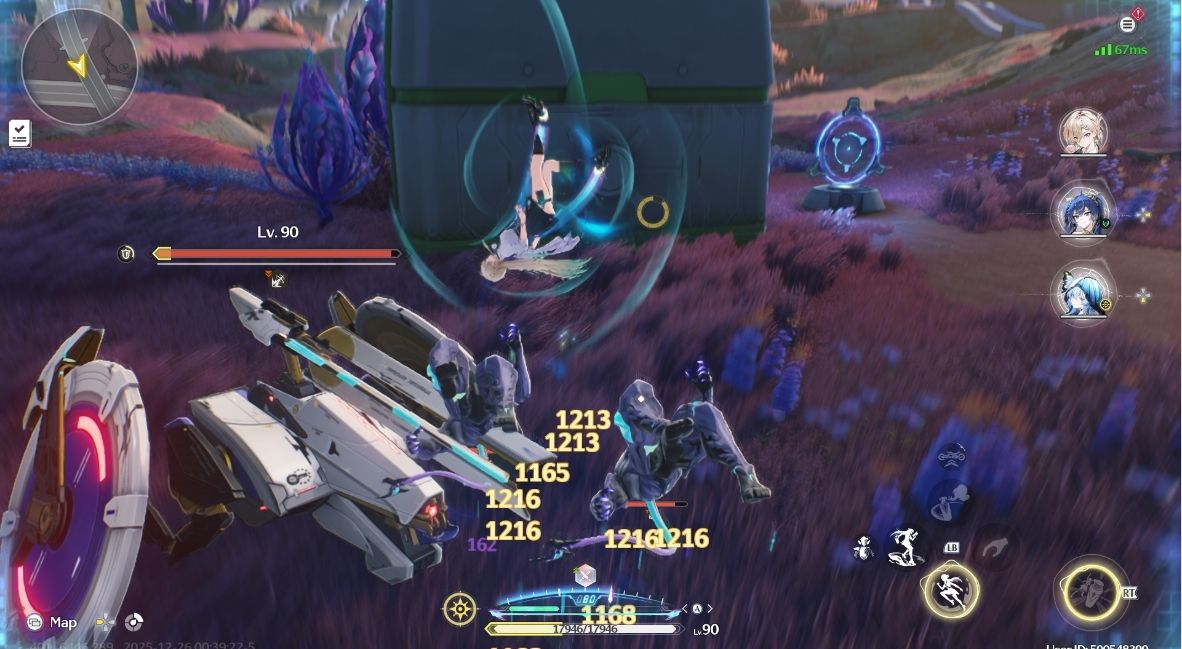
Bringing a new style of battle to test players’ mastery of Tune Breaking is Void Storms. These battles pit players against two waves of enemies, while their health constantly drains, and their healing/health boosts are cut in half. However, tune-breaking enemies give special bonuses here, making the new mechanic crucial for victory. These battles come in a couple of different challenge levels, so players of all stripes should be able to find at least one that is their speed.
These battles are a great addition to the game. While the health drain feels like a timer, it can be worked around with powerful enough healing. Having to manage that alongside your normal rotations creates a distinct style of encounter that is challenging and unique.
The other major new combat element is the recurring high difficulty mode: Doubled Pawns Matrix: Pilot. This mode challenges players to fight their way through a series of bosses. The player has up to three teams to complete this task. Each team only has so much time to defeat its opponents before they must tag out. Damage left on an unbeaten foe carries over to the next team. Each boss has an elemental resistance, and each team can have one of several buffs given to it.
This mode is interesting and feels like a solid addition to the post-game lineup. I’m not a high skill player, so judging exactly how well it will scratch the itch for that group is a little beyond me, but I will certainly run it each time it refreshes to get a few more asterites, though I expect I’ll never complete it.
Despite stumbling a few times, Wuthering Waves 3.0 Part 1 hits in the places it needed to most. It lays a great foundation for the coming year’s stories to build from, introduces engaging characters, and sets both loose in a gorgeous world that is fun to explore. Even if things only stay this good, it’s still shaping up to be a fun year for fans of the game’s strongest elements.
Wuthering Waves is available on PC, PlayStation, and mobile devices.