
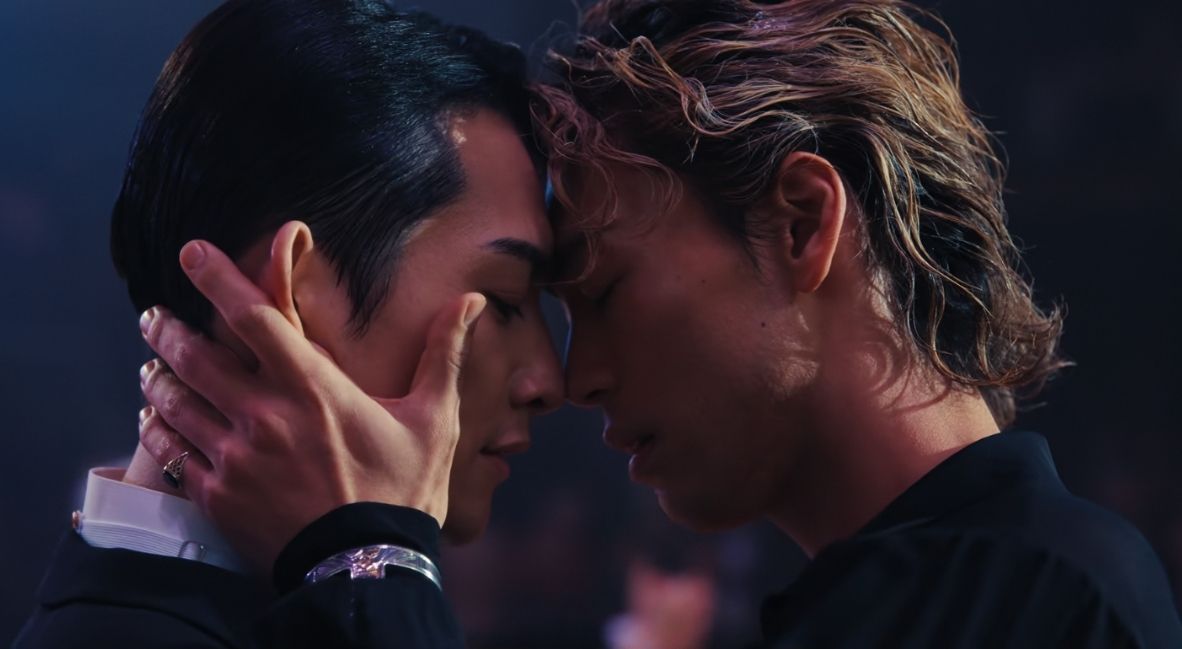
10Dance is the Netflix Original romance film that takes place in the world of professional ballroom dancing. Based on the BL (boys’ love) manga of the same name by Inoue Satoh, which is released and localized in English by Kodansha USA, 10Dance is all about yearning.
10Dance is an astounding adaptation of one of my favorite BL manga because it doesn’t view the sport as separate from the romance. Yes, dancers are athletes, and the need to compete and win is one of the film’s most prominent themes. Like romance, both dancers deeply want to break the molds they have been forced into in competition, but more importantly, feel connected to dance.
In the film, we follow two men, both named Shinya. Shinya Suzuki (Ryoma Takeuchi) is the Japanese champion of Latin Dance, while Shinya Sugiki (Keita Machida) is the Japanese champion and second-ranked dancer in Standard Ballroom in the world. Often compared to each other because of their similar names, the two couldn’t be farther from each other in style and mentality.
The 10Dance live-action embraces dance as a sport as much as an art.
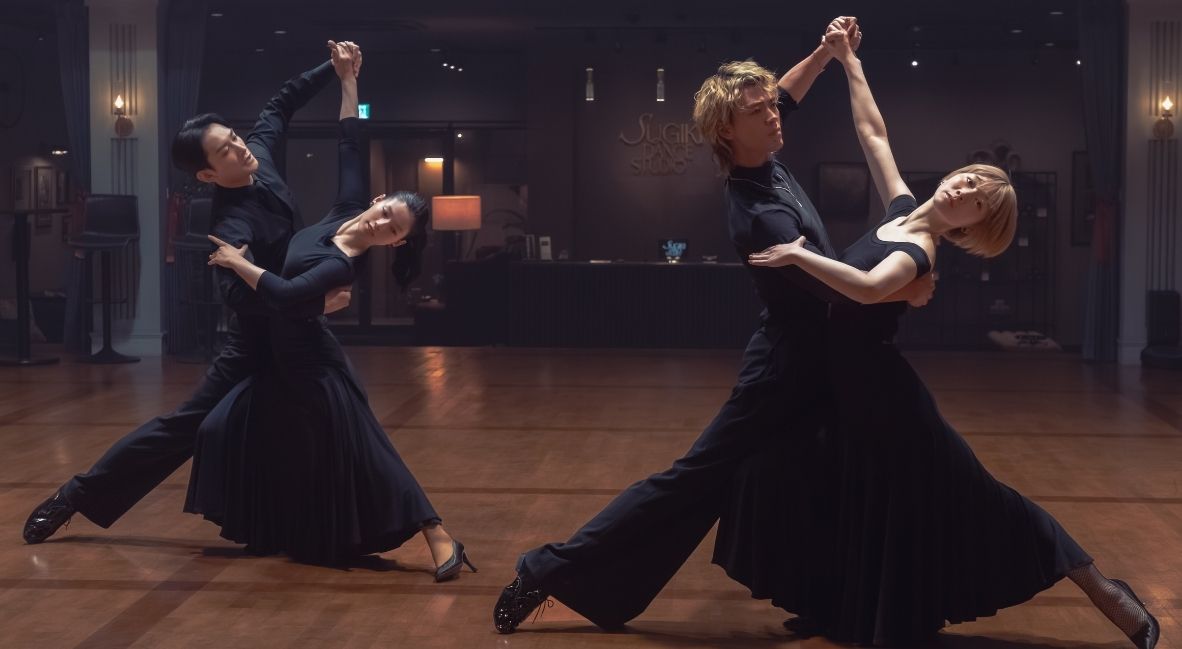
Both deeply competitive, the comparison isn’t lost on them, and for Suzuki, it irritates him. Suzuki is moved by his connection to music and his yearning to return to Cuba, where he was born. Dance is about passion. For Sugiki, dance is about pushing yourself to the limit, and for him, love will never win first place; pushing yourself until you break will.
Well aware of their mutual admiration, Sugiki challenges Suzuki to join the 10-Dance competition, a brutal marathon in which couples compete in all 10 dance categories across Ballroom and Latin, five each. But with the challenge to participate comes an invitation to train together in Sugiki’s world-class studio. With their partners Fusako Yagami (Anna Ishii) and Aki Tajima (Shiori Doi), the two Shinyas work to teach the other about their specialties.
Shinya Suzuki and Shinya Sugiki teach the other how to lead, while the women also pair up. This is the most essential part of the dance. But to do that, they need to give in, accept direction, and acknowledge their weaknesses to progress. Sugiki’s provocative attitude sparks Suzuki’s competitive spirit and spurs him to begrudgingly accept. The two men’s opposite personalities clash as they devote themselves to daily lessons, but they grow steadily closer over time.
Sinya Suzuki and Shinya Sugiki are rivals before they are anything else.
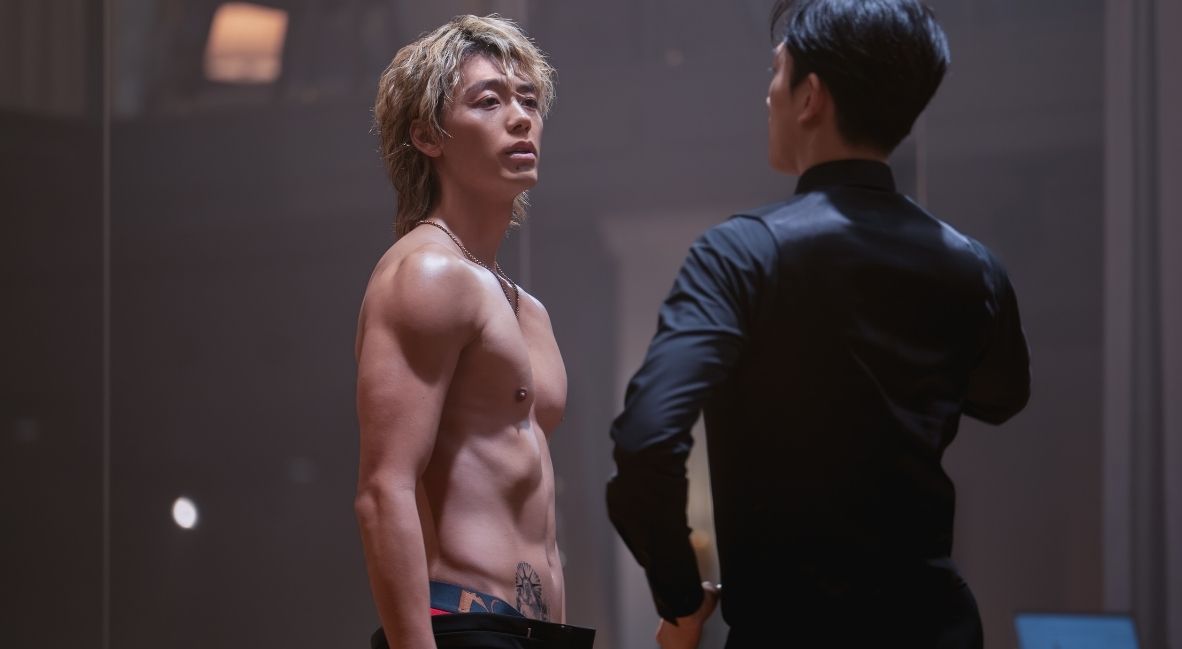
They argue, they push each other, and ultimately, the admiration grows into something more. Before long, Suzuki realizes he has begun to develop a romantic attraction to Sugiki, and Sugiki feels the same. But in a world where you’re pushed to be the perfect gentleman and maintain strict discipline, Suzuki struggles to let go completely and instead focuses on his inability to come in first place.
The film’s conflict manifests because Sugiki tells Suzuki that he will “never be one” with him. If you take those words by the one scene alone, you think that he is showcasing internalized homophobia or fear of intimacy. Given that the sequence before this is Suzuki watching as Sugiki performs with his ex-girlfriend, and that first layer makes sense.
However, Sugiki was the first to make a move, the one moved by their dance, and the one who accepted the need for connection first. The reality of the conflict is driven by the dance that Sugiki shared with his ex-girlfriend, but not because she is a woman. The two Shinyas can never be one because they can not dance together in competition. They can not put their love on display and move an audience. They cannot compete together; only as rivals, as enemies.
Intimacy in Netflix’s 10Dance isn’t about sex scenes, it’s about becoming one in different ways.
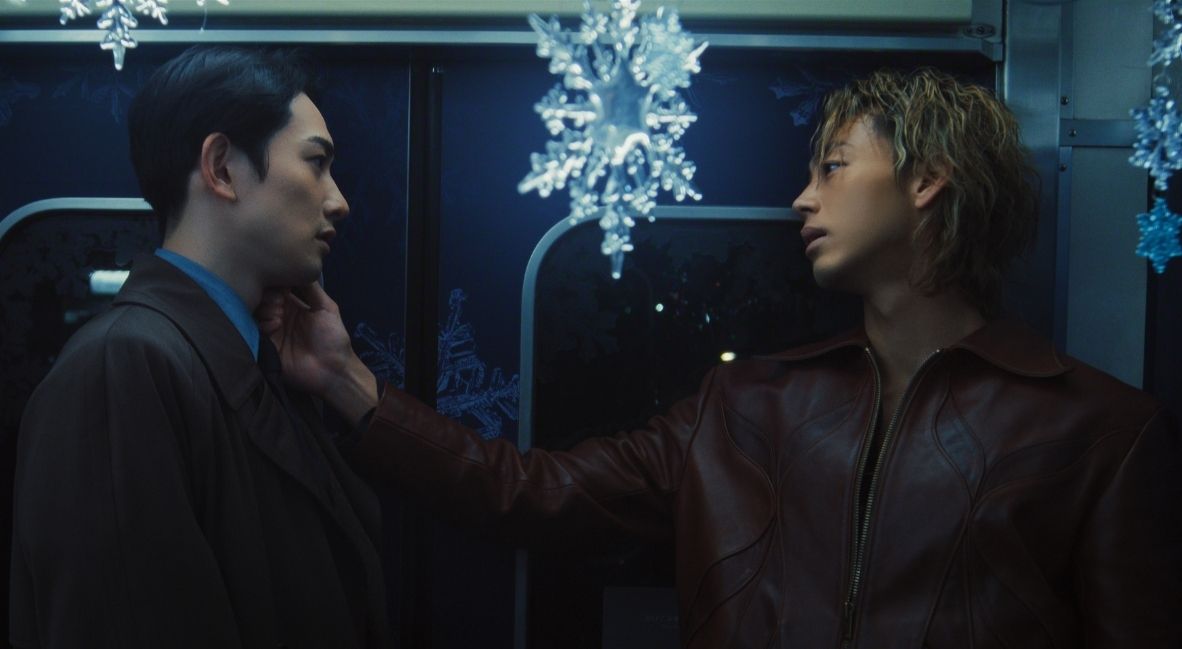
It’s a heartfelt moment driven by fear and as Shinya Suzuki is left with silent tears rolling down his face you can tell that the conflict we see on screen as a viewer, bouncing back and forth looking for a “why” is the same process that Suzuki is doing.
Where Suzuki is passionate and driven by chasing desire, Shinya Sugiki is reserved and in control, driven by discipline first and only. Some may say they balance each other, but that’s not fully understanding what happens when you put two polar opposites together.
As much as Shinya and Shinya may fit together in the end, the process of coming together is painful. It hurts them because they each reflect each other’s weaknesses and insecurities. Sugiki will never feel dance as much as Suzuki does, and the latter will never be as dedicated to perfection as the former is. When the duo trains together, their edges brush against each other, chafing and creating the uncomfortable reality that each of them may not have it all put together as they think they do.
Meeting a partner who changes your worldview and makes you appreciate something new is beautiful, but it’s also terrifying. And for competitors, for athletes who so intimately understand the movement of every muscle, it can feel like they don’t know anything anymore. And when it involves your profession, not just your heart, it’s all the more intense.
But that reality makes the jealousy we see in 10Dance far more intriguing than what we typically see in romance films. The jealousy that bubbles up stems from former lovers and from the need to compete against each other.
Jealousy is alive in 10Dance, but not exactly in the way you may think.
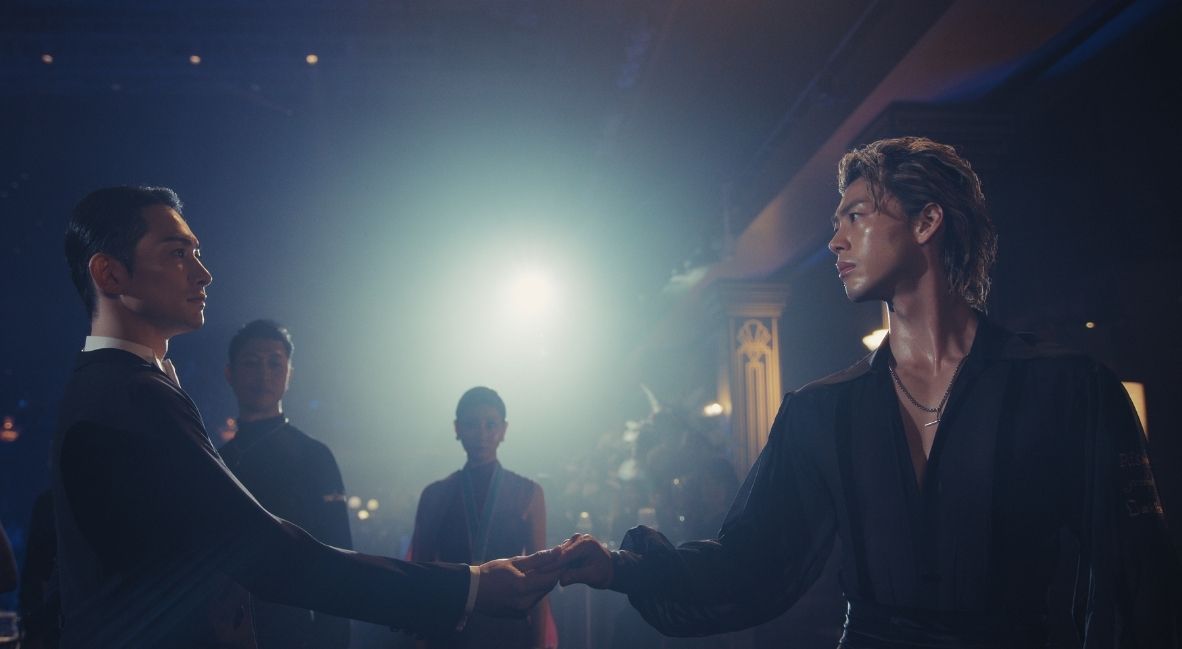
The jealousy stems from the understanding that they can never win together and that the other is far more skilled in areas where they are weak. Jealousy takes place in sport in an intimate way, and 10Dance captures that here, as much as it captures love.
That said, it’s the acceptance of each other and themselves that makes them one in the end. Performing an honor dance together, the Shinyas hold each other close and, more importantly, let the other lead. Their routine is ingrained in their hearts, worked on in the studio, and finally showcased to the world. It’s a moment when the two become one, but more importantly, it highlights the respect they have for each other.
It’s emotional because of the intimacy in their movements and the way they switch who leads, who follows, and ultimately where they go, which drives their romance home. Dance is about one person supporting the other, holding them up as their body weakens, sharing the load, and making it all look effortless.
And that is also love. As the two dance, you can see that they finally realize that. By accepting each other, they accept themselves, and it means much more than anything else.
10Dance is about intimacy and intensity, just not sex.
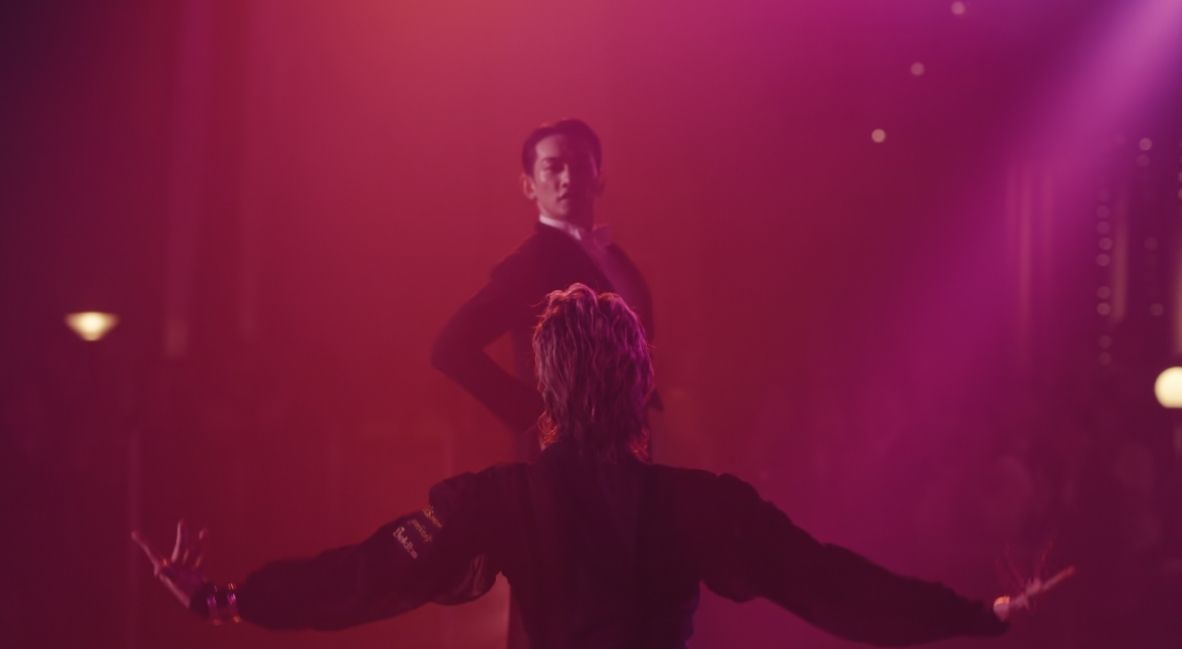
With series like Heated Rivalry on television, I’m reminded of how I felt the first time I was told to read 10Dance. I ignored it because it wasn’t the smut I had been reading. It wasn’t the clothes-ripping romance that I wanted at the time, so it took me too long to pick up the manga finally. And for those looking for pure eroticism, you won’t find it here.
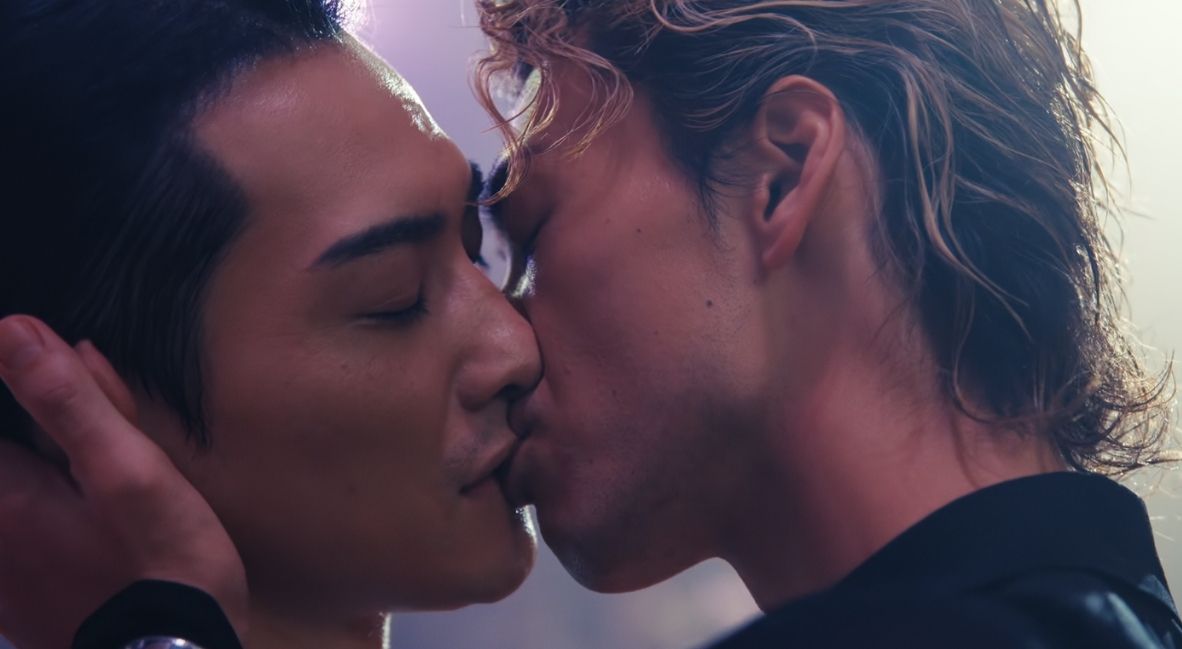
Instead, you’ll find moments of passion and heat balanced by the situation. The film’s intimate sequences are breathtaking. Especially when it comes to their first kiss on an empty train, which Suzuki calls “God’s dance.” The build-up between the two men is a dance in and of itself; it starts slow and builds up. The exploration of romance through dance is the selling point here, and the director Keishi Otomo, screenwriters Otomo and Tomoko Yoshida, and the mangaka’s understanding of competition sell that.
Had they only been two men having a dalliance while going about their lives, 10Dance would have fit into the BL mold (one I love, but one nonetheless). Instead, it thrives in how it balances sports story concepts and romance in one go. It’s more concerned with how the two’s psyches change and grow over the course of their time together. And ultimately, they have to change as competitors first before they can even approach love.
Relinquishing control is key to the romance in the BL live-action adaptation.
10Dance is only an hour and a half, but every passionate minute of the film is enthralling. Whether it’s Suzuki’s passion and the spotlight that it puts on the Latin community in Japan, or how Sugiki’s view of success is pushing yourself until you break, every piece of them keeps the story moving. 10Dance engages with ideas of masculinity and how racism pervades competition, and how the two men internalize it.
One of the undercurrents of the film is the understanding that neither man can want 10-Dance or number one, thanks to the judging prejudice that refuses to see either of them as the perfect man in the ballroom. This runs throughout the film as the two aim to become the best, and everyone around them asserts that the European competitors will take the top place. Not because Sugiki and Suzuki aren’t talented, but because by a margin they lose, and we all know the racist implications from that.
While the film mentions this in passing, the men’s pursuit of their own versions of masculinity is an important part of how they come together. Sugiki’s idea of a man is the perfect gentleman, restrained and in control. To Suzuki, a man is powerful and passionate, unrestrained by the world. That runs beneath their relationship and how they relate to their sport.
10Dance’s only fault is that it’s just too short.
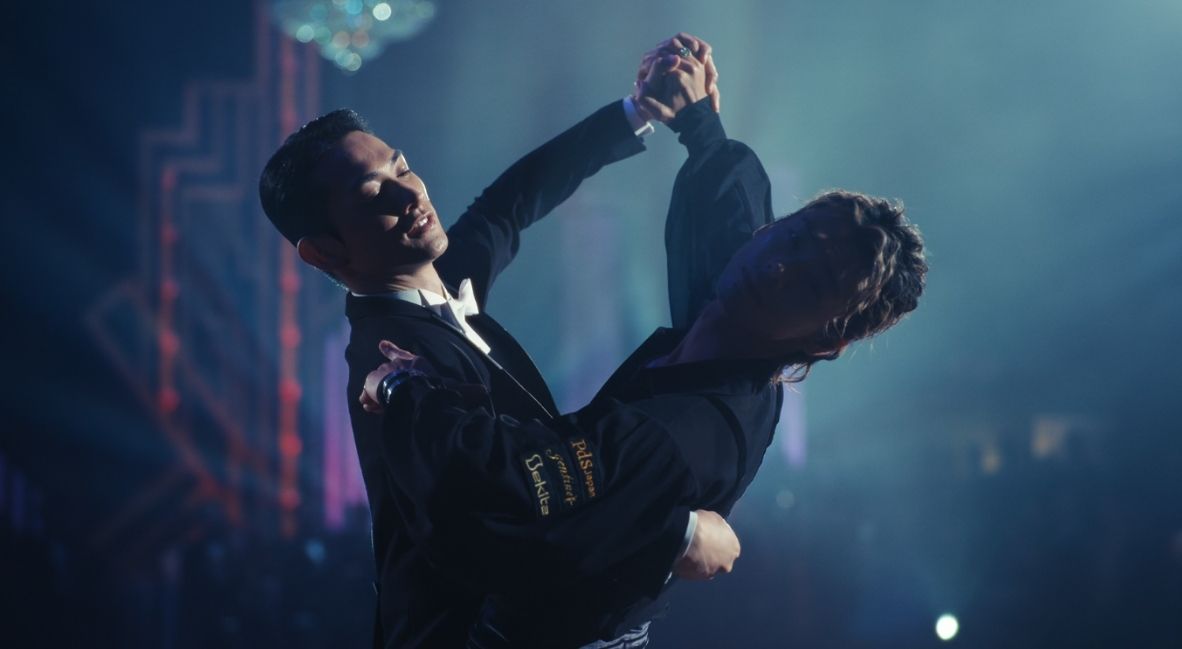
If there is any critique of the film, it’s that it is too short. We understand Suzuki’s perspective and how he comes to fall for Sugiki. However, much of Sugiki’s experience isn’t addressed.
While this does mirror the source material, the importance of adaptations is evolving elements for a new medium with more time added to the film, or even if it had been a series, 10Dance could have added more depth and a more well-rounded approach to the romance as much as the competition.
Still, the film captures the importance of control and relinquishing it. But most importantly, the yearning on display runs bone deep. Everything in this film revolves around longing and the intense need for love or success, and finally, both. The slow-burning romance develops over time, and the longing keeps it moving forward without ever stalling out.
As an adaptation, 10Dance understands the heart of Inoue Satoh’s manga, and as a film, director Keishi Otomo understands precisely how to craft a journey that embraces the audience. But it’s hard not to succeed when both of your lead actors have taken their roles so seriously that it’s hard to tell that they hadn’t danced professionally before. Moved by its story and made complete by its performances, 10Dance is one of the best romances of the year.
10Dances is streaming now, exclusively on Netflix.
10Dance (2025)
-
Rating - 8/108/10
TL;DR
As an adaptation, 10Dance understands the heart of Inoue Satoh’s manga, and as a film, director Keishi Otomo understands precisely how to craft a journey that embraces the audience.