
As games from the past are caught up in the wave of remasters, remakes, and more, Dragon Quest VII Reimagined is the latest entry to be born anew. Developer HEXADRIVE, Inc and publisher Square Enix take a swing at, well, reimagining the classic RPG into something modern, while preserving the charm and style of the original. I recently had the opportunity to get some hands-on time with the game, exploring a pair of scenarios a few hours into the game, and, between the updated visuals and changes to combat, I’m excited to see more when Dragon Quest VII Reimagined releases early next year.
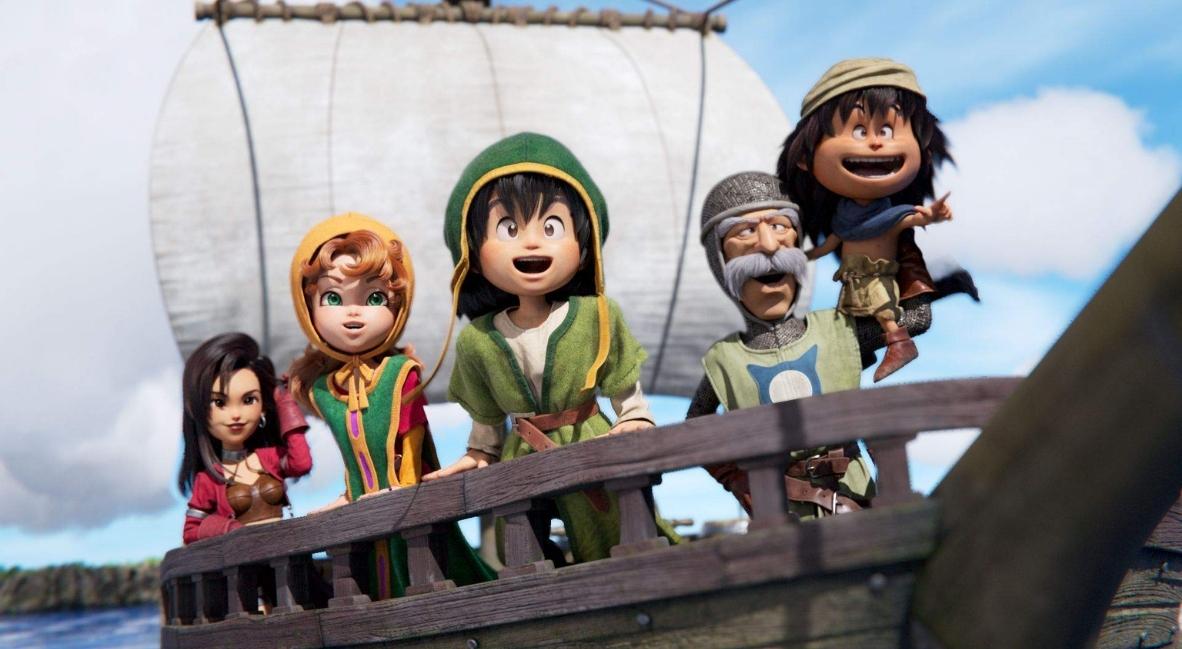
The most obvious change between the original release and the reimagining is the art style and aesthetic. Forgoing the original’s 2D sprites in 3D environments, Dragon Quest VII Reimagined instead utilizes 3D models and a fully recreated 3D world. The characters, especially, were created with such attention to detail that they look right out of a stop-motion film, with expressive faces to match.
The world is similarly crafted, whether it’s the geography of the world map, the architecture of the villages, or the dank atmosphere of the nearby dungeon. Each environment feels meticulously designed to evoke the feeling of the original game, albeit in a new form. Seeing the party traverse each locale almost looks like watching a diorama in motion, a charming notion that didn’t wear out its welcome during my time with the game.
Dragon Quest VII Reimagined evokes the feel of the originals while moving forward.
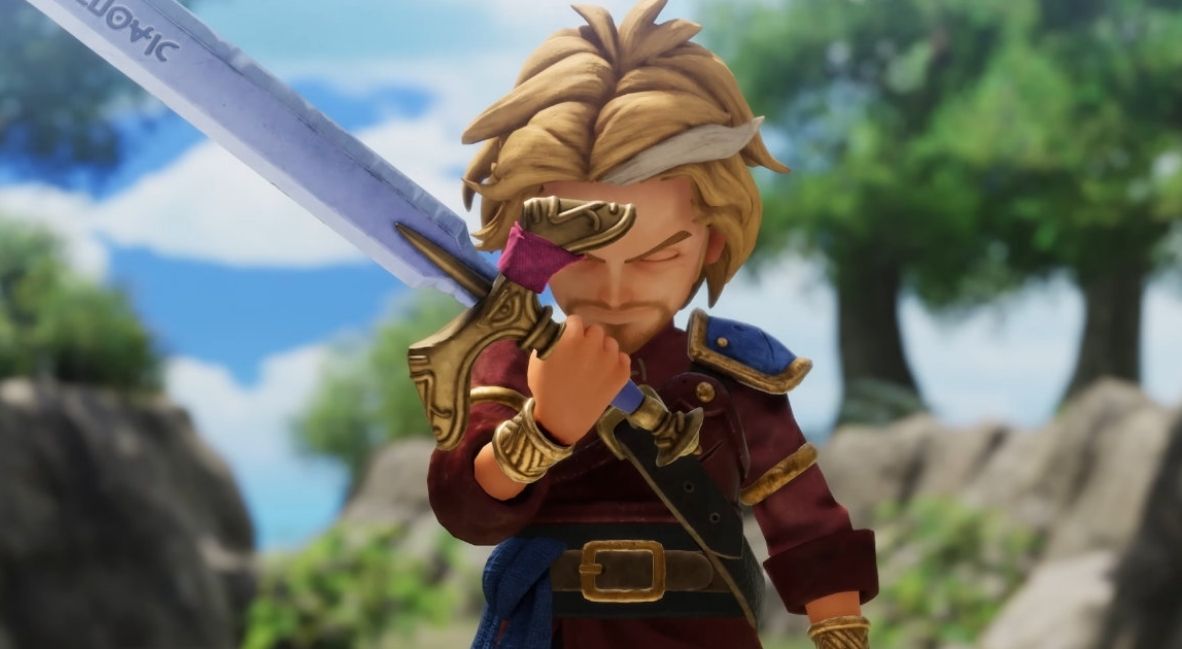
A big part of preserving that atmosphere lies in the music that accompanies your adventure, and of course, Dragon Quest VII Reimagined delivers. Using the same familiar music since the series’ inception, fans of any Dragon Quest game, especially the original Dragon Quest VII, will feel right at home. This rings especially true with the heroic fanfare of the title Overture, though the feeling carries on with the rest of the series’ iconic themes.
My time with the game was divided into two segments, the earliest of which featured my party of three, made up of Arus, Maribel, and Kiefer, in a town called Emberdale. The party, each assigned to their unique default class, has received a vision that the town is going to be destroyed by the nearby volcano.
The town leadership dismisses such concerns, confident that the upcoming festival will calm the fire spirit that inhabits the volcano, Burnmont, but the local witch believes you. This sets the party up to venture into the volcano to defeat the malevolent spirit within and save Emberdale!
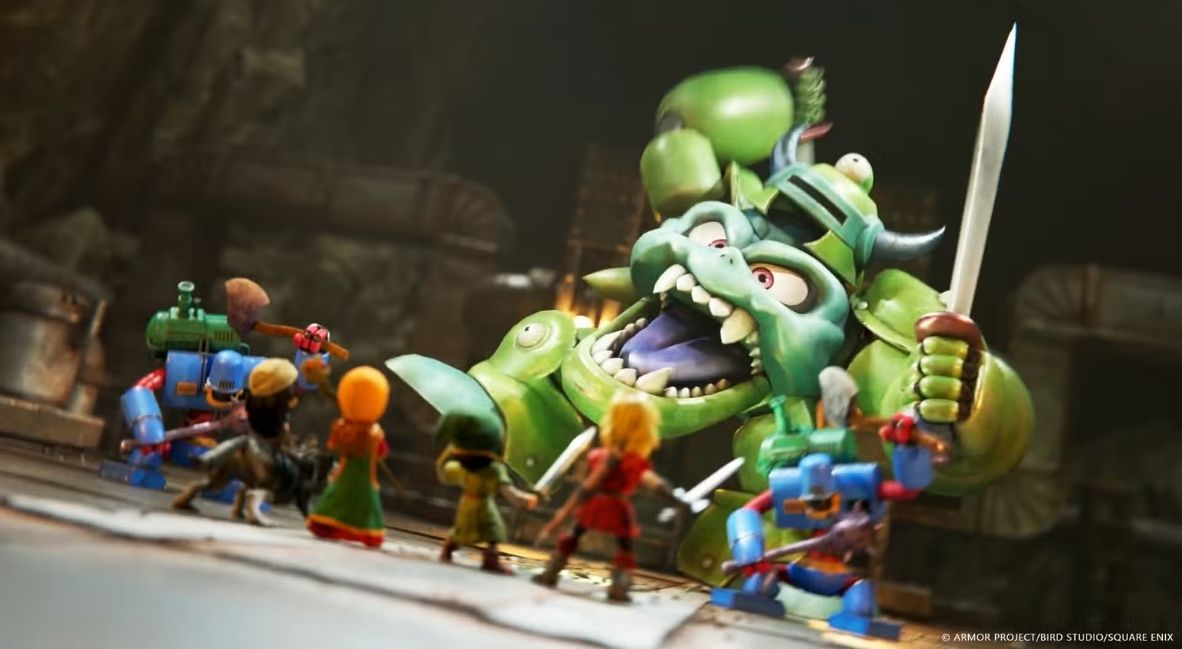
As far as adventures go, it’s fairly straightforward, but the trip through the volcano is not. Consisting of several ring-shaped floors, the party had to maneuver up and down through a series of stairs, delving deeper and deeper into the volcano. Along the way, potential fights are visible in the form of roaming monsters, allowing players to avoid a fight or launch a preemptive strike to give them an early advantage.
In addition to preemptive strikes, Dragon Quest VII Reimagined allows for combat to be fully automated, as well as sped up or slowed down, allowing players to fight monsters at their own pace. Each character contributed to the battle with their own attacks and abilities or spells, which they learned as part of their class. Each character also had something of an ultimate ability, an option called ‘Let Loose!!’ in battle, which varied depending on their class, but each of which could turn the tide of battle if used wisely.
Arus’ class, Fledgling Fisherman, possesses an ability that allows each party member to greatly reduce damage taken from the next attack. If a boss is preparing a heavy-hitting special attack, this ability can single-handedly save your party from being wiped out. Kiefer’s Let Loose ability, on the other hand, made him tougher and stronger for a limited time, which makes sense for his starting class, Heir Apparent.
Square Enix’s Dragon Quest VII Reimagined has a straightforward story, but the trip through the volcano is not.
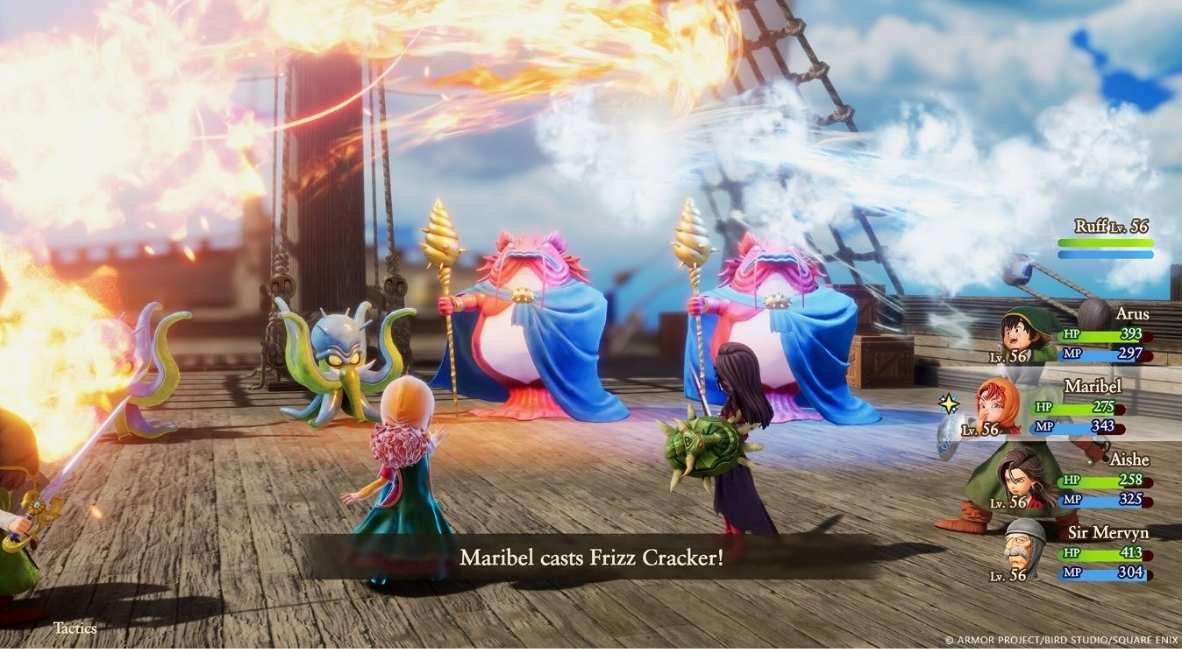
When I finally reached the fire spirit, Glowering Inferno, battle was initiated after a brief dialogue. Although this was an early boss battle, it was incredibly tough, due in part to the lack of abilities granted by the party’s classes.
The boss would routinely increase its defense temporarily, requiring I use Kiefer’s hard-hitting abilities to inflict what little damage I could. With healing magic and a stockpile of healing items, the party stayed just healthy enough to defeat him, bringing this section of my preview to a close.
The second section brought a few changes to the party makeup. Namely, we had a full party of four members this time; though Kiefer was missing, he was replaced with wolf-riding wildboy Ruff and the regal-looking Aishe. The other key difference was that each character now benefited from the Moonlighting system.
In Dragon Quest VII Reimagined, Moonlighting allows each character to equip two distinct classes from a roster of dozens, leveling both simultaneously and giving them access to both jobs’ skill sets in battle. This also gives each character access to two Let Loose abilities in battle, giving players more strategic options in battle. One of their classes may focus on inflicting harmful status effects to enemies, while the other removes those same effects from their allies.
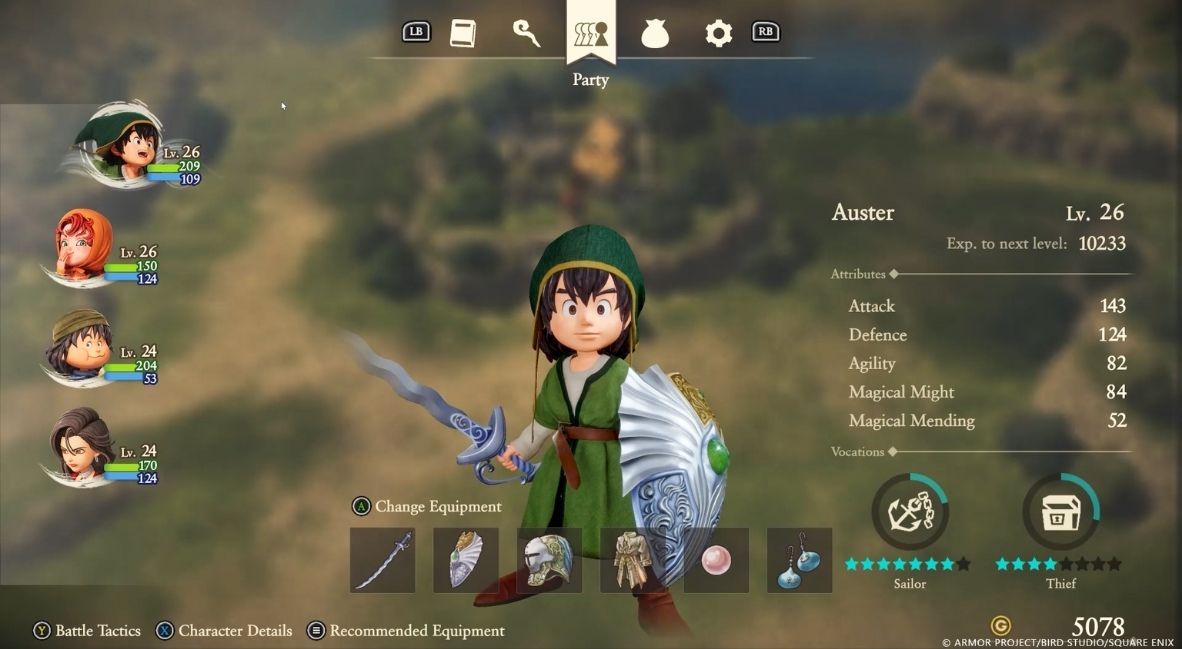
This second section of the preview saw the party in a water-themed village appropriately named Wetlock. After crossing paths with a mysterious musician, the party finds themselves teleported to Highendreigh Tower, where the population of Wetlock is being held captive. This dungeon requires players to climb several monster-infested floors to reach the top, but it was easy to deal with them with access to eight classes’ worth of skills and spells.
The peak of the tower didn’t feature a boss battle, though; instead, we found ourselves redirected to the real villain, an evil fish monster named Gracos, who had flooded the island, Wetlock included. To reach him, we had to board a ship and find a portal that led down to his underwater lair.
The lair itself wasn’t very large, so we reached him quickly. Joining us for the battle was the musician from earlier, and together we handily beat the fish monster. Our various class abilities allowed us to weaken the enemy, strengthen the party, and bombard him with a variety of elemental spells and powerful physical attacks.
Once he was beaten, the sea level returned to normal, saving Wetlock and allowing the villagers to return home. This brought the second and final segment, and my time with the game, to an end.
Dragon Quest VII Reimagined seems like a delightful retelling of the original beloved RPG, with beautiful visuals and some modern conveniences. I enjoyed what I saw during my time with the game, but I’m looking forward to seeing more of the world and exploring more of the many available classes.
Dragon Quest VII Reimagined releases February 5, 2026, on PC, PlayStation 5, Xbox Series X|S, and Nintendo Switch 1| 2.