

Coming into Arknights Endfield, I didn’t know what to expect. The first Arknights was a tower defense game, and now, Shanghai-based developer Hypergryph is coming to players with something entirely new and as expansive as you can imagine.
During an event hosted for the media, I got to go hands-on with Arknights Enfield for its “Beta Test II.” Having gone through two previous iterations, we got the chance to experience what the game now looks like in its new form.
With a storyline that has been practically rebuilt from the ground up for Beta Test II, Hypergryph allowed us to play through parts of the story, see the brand-new cutscenes and dialogue animations, explore the nine new characters (known as Operators), and the new map, and move between saves to experience the trajectory of combat across levels.
Arknights Enfield is a massive game, and we’re only on Beta Test II.

This last part is probably the most important for the purpose of this hands-on preview. One of the key takeaways from my time with Arknights Enfield is that this game is massive. Narratively, the game will feature full voice-overs, 3D animation, and cinematics that embrace the game’s anime aesthetic.
Additionally, the dialogue that Endministrators (the role of your character in the game) choose will impact the paths they take in the world, with each of them working out differently and allowing you to see different scenarios. And I can tell you, there is no lack of choice or story content here; if anything, it’s too easy to get bogged down in story notes, but with around 50 to 60 hours of gameplay in this Beta Test II, it has to be expected.
The lore in Arknights Enfield is deep, both around Operators, relationships, and Talos-II, the planet where the game takes place. Exploring the story often meant sitting through cut-scene after cut-scene and at times, having your pacing interrupted. That said, there is so much more available to players. The story is only one part of what Arknights Enfiled has to offer.
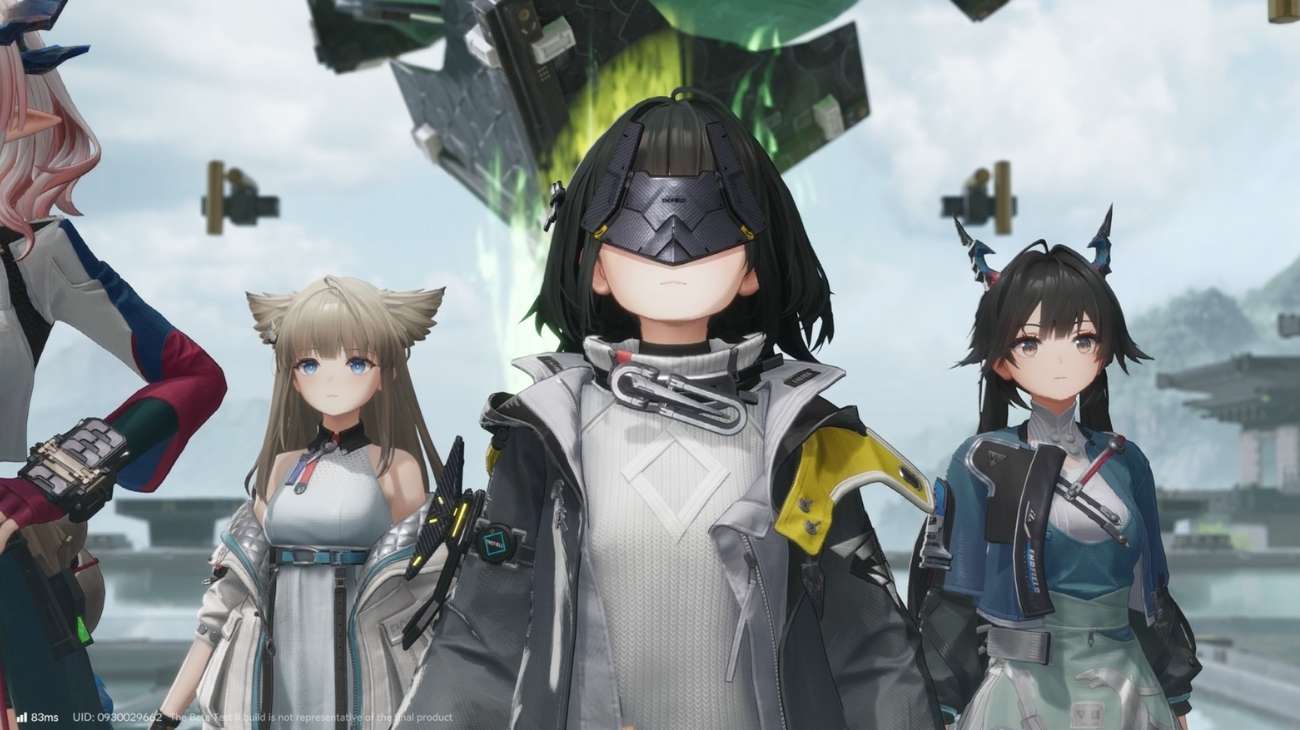
One of the unique highlights of Arknights Enfield was the story, the game’s factory simulation feature, and combat. The title blends RPG storytelling, ARPG combat, gacha mechanics, and simming —yes, full-on building and automating.
Called the Automated Industry Complex (AIC), players can construct factories that work to refine materials that you need to level up items through crafting or use as currency. With the AIC, players essentially build their own production line, and for the Gryphline developers, it is one of their core gameplay cornerstones.
Because it is a cornerstone, the developers have looked at community feedback to decide how to make the AIC elements more accessible to players who may be coming to Arknights Enfield for different reasons. To do so, Beta Test II features blueprints to help players get their factories up and running.
That said, I didn’t explore much of this section of the game because my heart was genuinely taken by the game’s combat system and the Operators that I was able to collect and pair with others to make my perfect team of four.
Combat in Arknights Enfield is addictively good, as is exploring your team comp.
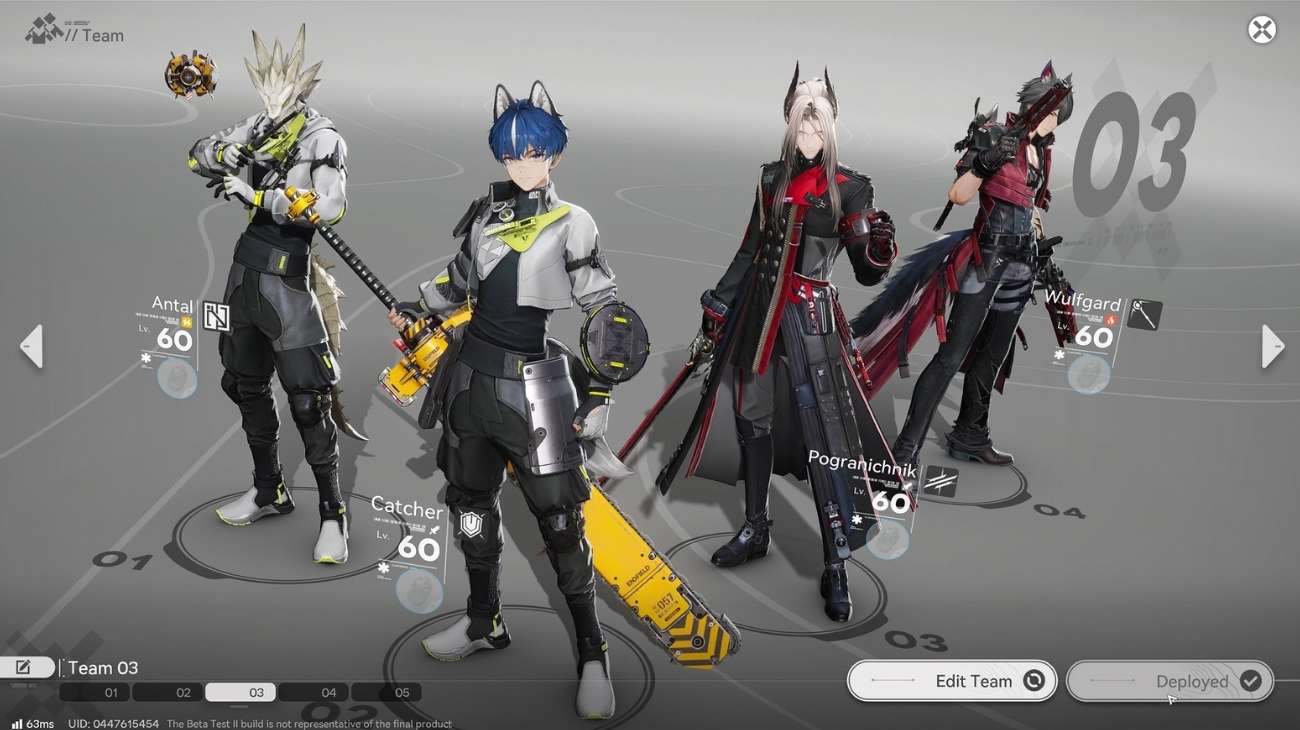
When it comes to Arknights Enfield, it’s the combat that makes for a shockingly great time. While the game does feel slightly bogged down with cut-scenes in its prologue, once you get to explore, fight mobs, and eventually make it to bosses, it all just sticks.
With single-input combat, the longer you hold down the input, the heavier the swing is, and the longer you continue uninterrupted, the more powerful the combo becomes. But even with a single input, combat isn’t boring. Instead, the need to constantly dodge and move around your environment while also watching for pop-ups that indicate combos with your teammates keeps you engaged. Add in the amazing score, and well, boss fights really showcase how much time and care have been put into the game.
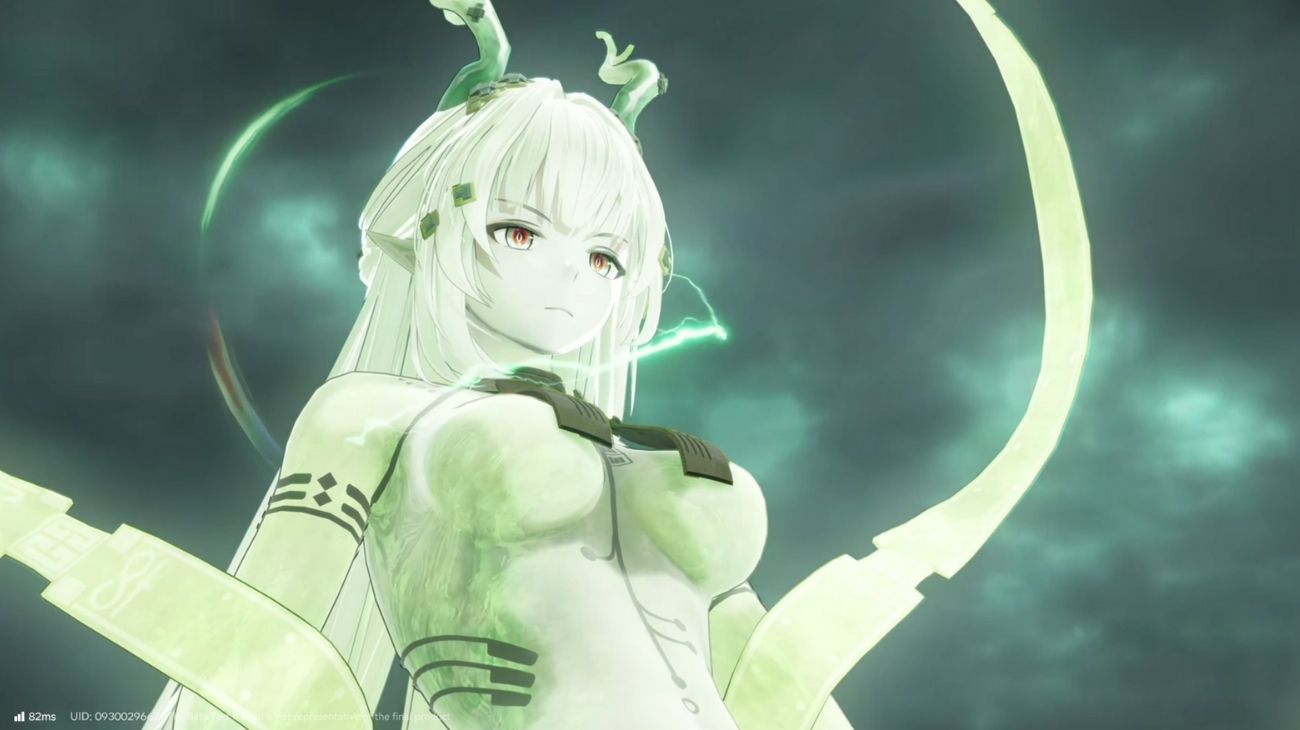
Once I realized the combat was clicking for me in the best kind of way, I asked to be sent into a boss area. I wanted to see what it was like to take down the game’s bosses and how team composition affected the challenge. The boss I was pulled into was gorgeous to see, but her mechanics, while menacing, were easily beatable with my team comp, where I focused on physical Operators instead of mages to help interrupt heavy attacks from enemies.
A little let down by how simple the boss was to clear, I asked the developer if there was anything harder. He smiled and showed me how to access Re-Crisis, the menu that appears with bosses that you have defeated previously. Once you select the boss that you want to fight again, you’ll see Level 1, Level 2, and Level 3.
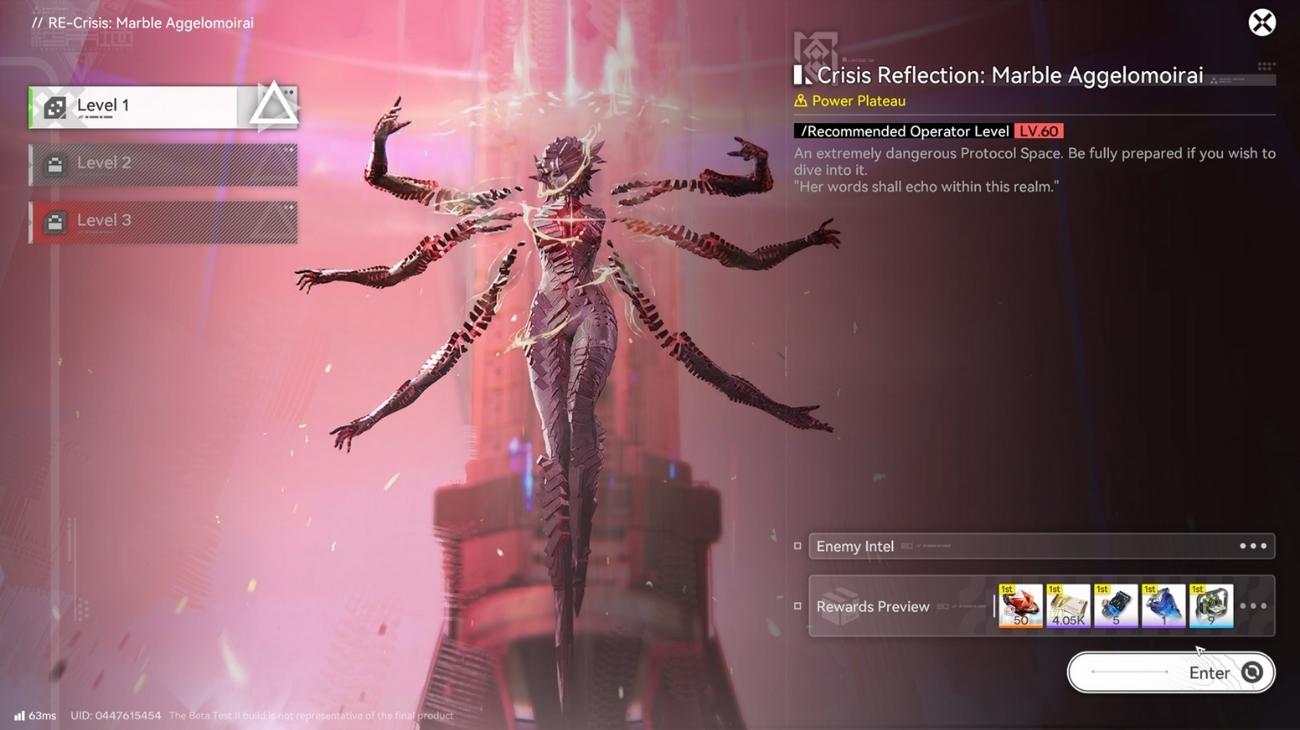
Each one offers better rewards than the last and requires a higher player level. But the first boss was simple to defeat, easy to dodge, and, while a good time, easily cleared. It’s safe to say that I underestimated the pure challenge and difficulty that Re-Crisis adds to boss battles. And I paid for it.
Trying to brute force my way through the boss meant I just kept trying new combinations over and over. While the first boss consisted of three phases, with Re-Crisis, I ended up making it through four, and then I died with the boss at over half health. But despite constantly dying, I never got frustrated.
The difficulty curve for the Re-Crisis bosses hits the perfect spot of challenging but not infuriating. Doing one better, early encounters, and clearing mobs showcase how easy combat is to pick up. But as you progress and unlock the Re-Crisis options, Gryphline has ensured that combat has the best quality you could ask for: being difficult to master.
The depth added to boss encounters, as you begin to know them inside and out, changes the focus from just knowing the mechanics to executing them effectively. As much as nailing mechanics matters, breaking heavy attacks, or executing a perfect dodge, finding out which team is best to bring into the encounters is just as important.
Re-Crisis boss fights in Arknights Endfield are a rewarding and difficult challenge.

What really stuck out when it came to developing your 4-person team (where you can swap out to different characters with an easy one-button push) is that while the star rating lets you know how they’re rated, making a good team isn’t just stacking all the highest-level Operators.
Instead, Arknights Enfield wants you to explore different team-ups and understand that the right power synergy can take you much farther than star rating alone. This element to teams is even more important because it gives players the flexibility to have their favorites with them, even if they aren’t the highest-rated character to choose from.
A diverse and complementary team is made more critical by how difficult it was to see the red glow of the boss about to attack, signalling the need to dodge against the mostly red-hued backgrounds. Because of that, and the lack of telegraphing for attacks that deal damage in an area of effect (AOE) radius, you can see the path to beat the boss.
The different classes are mostly self-explanatory and easy to figure out; however, physical damage and magic damage are the two largest areas that make a difference in how your team is composed. And if you say, stack up too many sword users and forget to add a healer (my favorite was Ardelia and her little pink sheep), the last one you add will give a voiceline instructing you to reconsider.

In fact, listening to the characters at your party is interesting when you’re first starting. Some just have banter and one-liners (like Catcher, a character who speaks Spanish), and others provide small tidbits of information about who you have paired them with. But what goes further than that is how each character carries their own unique personality.
The personalities of the Operators are reflected in their costumes, weapons, walk, attacks, and voices. It would be easy to see the cute designs and think that that is where it stops, but even finishing one boss fight with new team members will give you information on who they are as characters. It’s also clear to see that, due to these specificities, players are likely to form quick connections with them and pick their favorites.
Combat may be my favorite thing about Arknights Enfield, but the characters are woven tightly into that. Great combat isn’t just about the boss mechanics and combos. It’s also about the Operators you get to play with. While some characters share similar aesthetics in terms of their face styles (primarily the female characters), their combat styles and powers aren’t nearly as close.
Arknights Endfield is driven by its Operators and how they stand out against each other.

With six classes (support, caster, specialist, defender, guard, and vanguard) and five elemental types (nature, heat, electric, physical, cryo), the options to plug and play with the team comp give players an immense amount of agency.
For me, Catcher was a defender, throwing out a shield and tanking damage in a way similar to the Paladins I play in MMOs, and Last Rite was a good backup. My caster, Ardelia, served as my healer, with her sheep giving vital health regen, while Chen Qianyu added in much-needed DPS with Estella or Wulfgard rotating to try and find that last DPS spot.
Without entirely knowing their kits or complementary typals, I just winged it and explored. First, I tried to make a team of the hottest guys, with Antel (the anthropomorphic stone dragon), Alesh replacing my healer spot, and Pogranichnik replacing my DPS slots.

But this didn’t work. With no true health regen, it was virtually impossible to survive long enough to make a real dent. So, I went back to the drawing board, abandoning my hot guy plan (which had worked on the initial boss run.
Initially, I wasn’t sure how the classes were defined, but the combat system and team comp breakdown is so intuitive that it wasn’t too difficult to understand how to pair the Operators if you’ve played other games based on the needs of Tank, Support, and DPS. From there, you just experiment. Finding the team comp and getting to know the characters was just as fun as the combat itself.
In addition to their unique personalities and combat styles, the character costumes all have clear themes that ultimately adopt a techno-core aesthetic, rather than the traditional grimy cyberpunk seen in sci-fi games. Here, some characters have outfits that you feel you can wear yourself. However, other outfits are entirely whimsical, like one of the casters that looks entirely like Little Red Riding Hood.
Wuling City is one of the most beautiful locations I’ve been in, in a game this year.
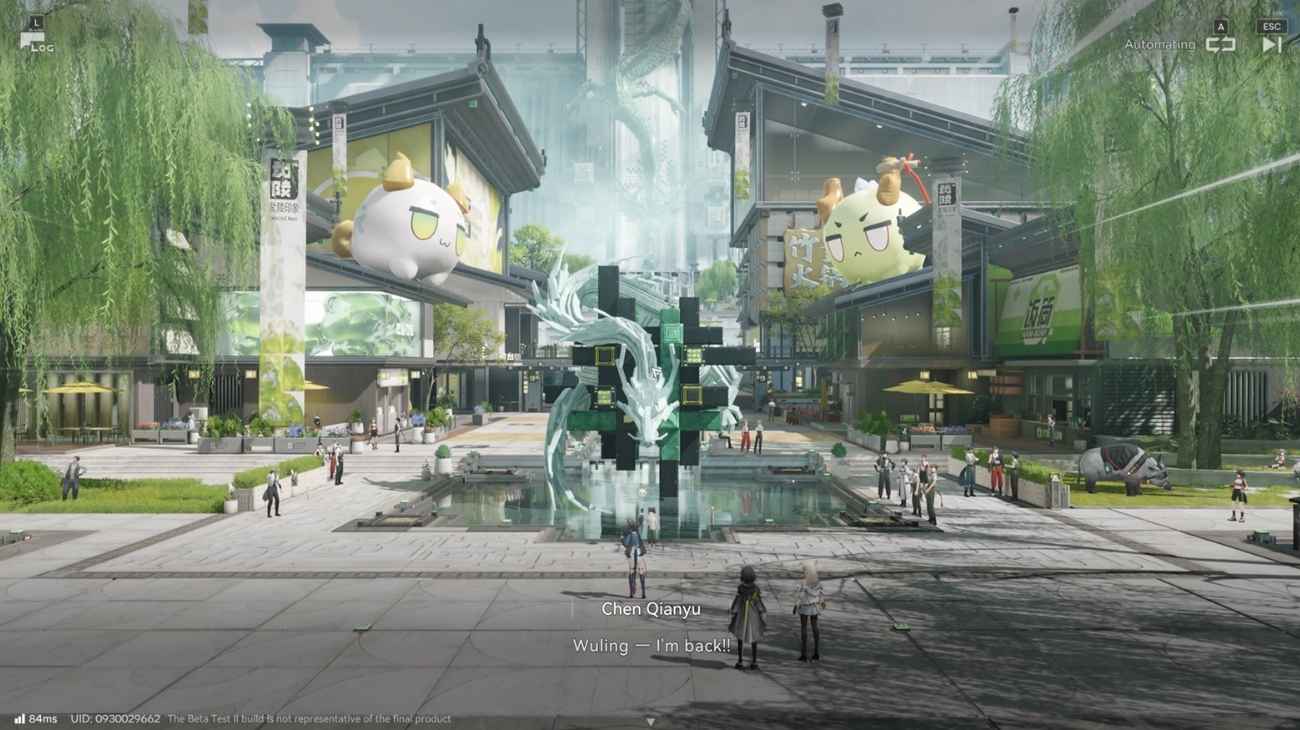
The last element that the media event highlighted was the brand new map that has been added for Arknights Enfield’s Beta Test II. Called Wuling City, the new map is inspired by China, but not in the way we usually see it in pop culture and video games.
Players have come to know China and Asia more broadly through their ancient architecture, which is often the focus of pop culture. Renditions of the region usually keep their eyes on the past. For Gryphline, Wuling City is a vision of the future.
It’s Chinese sci-fi, blending some traditional architecture with the lived reality of Chinese people, basing much of the city on the developers’ time in university at one of Shanghai’s art schools, which the developers noted during a Q&A during the media event. For Gryphline, the developers wanted to show China in the future as a city filled with beauty and jade, but still hitting all of the sci-fi notes you’d expect.
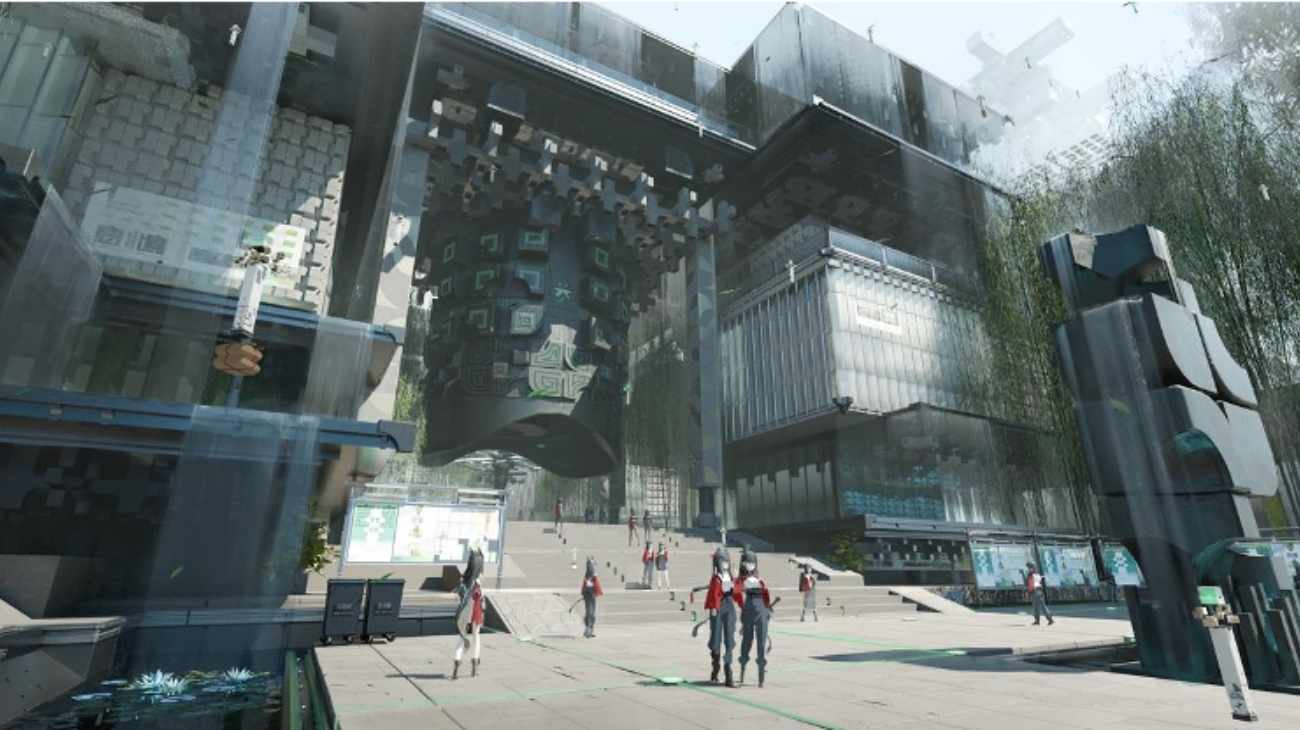
Walking through Wuling City, it’s easy to just lose yourself in it. With puzzles to solve, chests to unlock, and a whole story attached, Wuling City is grand and vibrant. It’s gorgeous and alive, featuring a large jade dragon above a water feature, as well as restaurants, signs, and even vending machines.
Of all the areas we got to explore in Arknights Enfield, Wuling City feels the most lived-in, and it highlights the developer’s dedication to creating a world that has meaning on its own, even without a cutscene. There are layers ot the city and it feels lived in from the entrance to the giant jade dragon focal point.
My largest critique of Arknights Enfield has nothing to do with the parts of the gameplay loop itself. Individually, Gryphline has crafted a game that tries to show that there is more beneath the surface of its systems. Whether that be combat, team building, the AIC, or the story, it’s clear that you will have to keep pulling layers back to see just how much is in there.
With only around six hours to play Arknights Enfield’s Beta Test II, I’ve only just scratched the surface on what this 50-60 hour beta has to offer, and even at that, it’s impressive how large Gryphline was able to make this title.
Being a large game isn’t inherently a bad thing. That said, the overwhelming nature of the later game menus (around Level 60) and the sheer amount to track means that a little focus could go a long way in refining what Arknights Enfield is. At times, it felt like I was drinking water from a fire hydrant, with so much to unpack and explore.
Even with that, though, I found myself repeatedly dropping into boss fights and being blown away by the scale and beauty of the world that Gryphline has created. There is expansive, and then there is Arknights Enfield’s scale. From the Operators to the environments and the combat mechanics, I am invested. I just hope there is a little more guidance next time I jump in.
Arknights Enfield Beta Test II is taking place this November 28, 2025, on PC, iOS, and Android, with a release date for full launch not yet announced.