Tales of Xillia first launched well over a decade ago in 2011. Since then, the series has spanned multiple entries and sequels. Nevertheless, the game remains a cult classic and one of the most beloved entries in the franchise, thanks to its engaging narrative, endearing characters, and enjoyable gameplay mechanics. Bandai Namco’s Tales of Xillia Remastered includes all of these stellar features but goes above and beyond by including many well-needed quality-of-life changes. However, there are still parts of the game where it really shows its age.
The game’s story takes place in the world of Rieze Maxia, where humans and spirits coexist thanks to a shared energy called mana. This world is powered by “spirit artes” – magic derived from these spirits. The story begins when Milla Maxwell, a mysterious woman who claims to be the incarnation of the Lord of Spirits, investigates a military facility exploiting spirits for power. There, she crosses paths with Jude Mathis, a naive medical student who gets caught up with Milla’s quest and is tagged a terrorist and public enemy.
As the story progresses, Jude is forced to join Milla on her quest, and they meet several characters who join them, each with their own motivations and goals. As their journey unfolds, they discover that the real threat is Gaius, the ruler of the opposing nation Auj Oule, who plots to unite the Rieze Maxia by force, and it’s up to the group to stop him.
Jude and Milla make for compelling and contrasting protagonists.
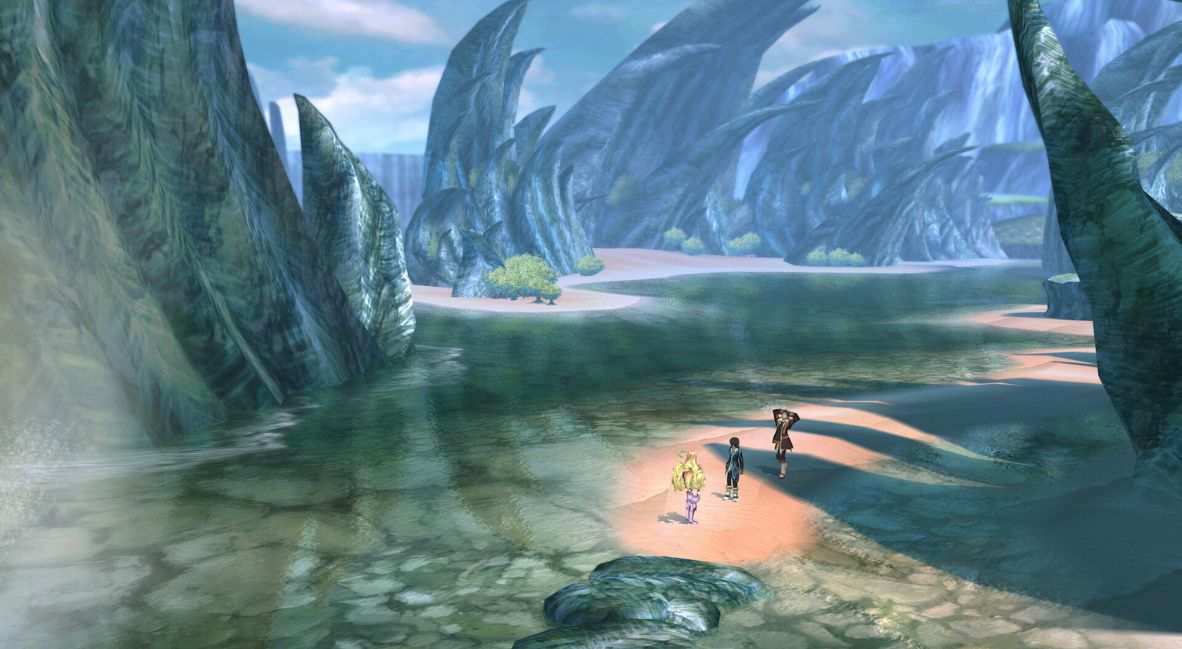
From the start, players can choose either Jude or Milla as the main protagonist, a design choice that allows for two perspectives on the same story. This dual-character system is one of Tales of Xillia‘s most interesting features. While the overall story remains the same, playing as Jude offers a more emotional perspective in the narrative, while Milla’s route provides insight into the spiritual elements of the narrative.
This system succeeds in encouraging replayability and adds a little bit of depth to some events. However, it’s worth noting that the differences between the two perspectives aren’t incredibly major, and a full second playthrough can sometimes feel repetitive, despite the subtle differences.
Tales of Xillia Remastered includes a merry cast of likable characters. Jude and Milla are compelling leads with natural chemistry and interesting contrasts. Jude’s belief in human empathy often clashes with Milla’s detached, almost cold logic. Other endearing characters include Alvin, the charming and care-free mercenary, and Leia, Jude’s boisterous childhood friend, among others. The side characters help balance the group’s tone with excellent humor.
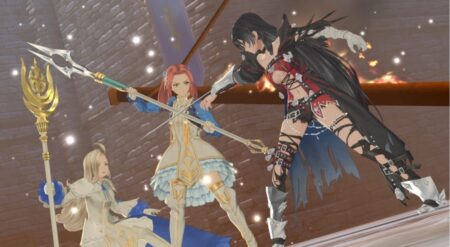
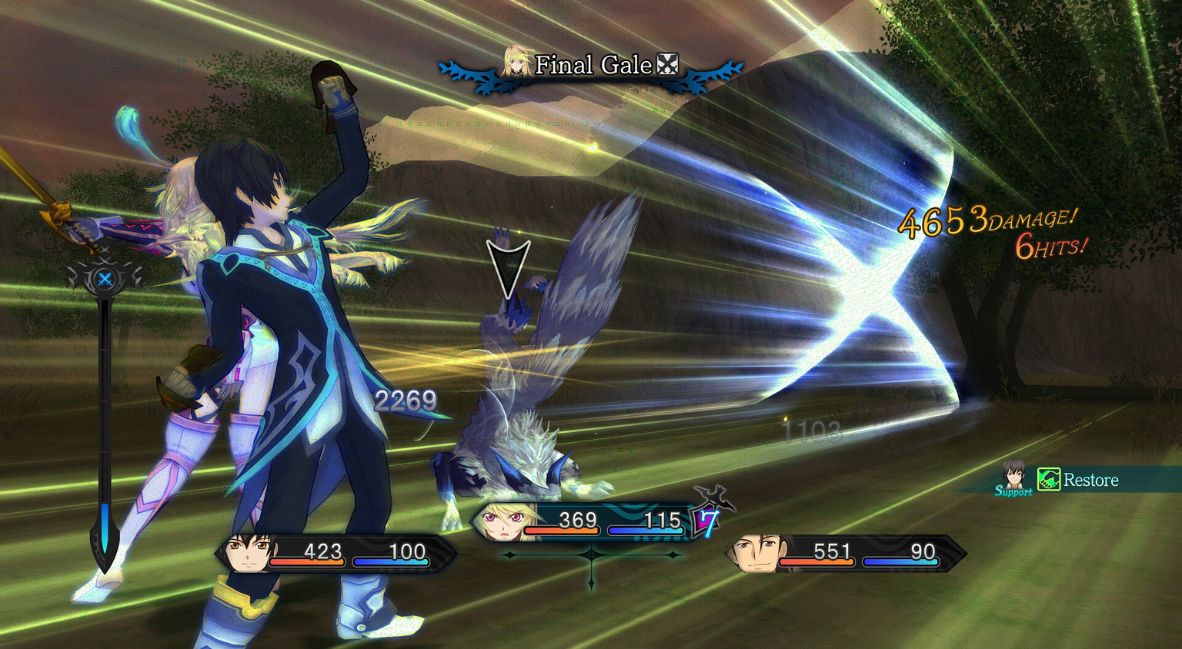
Each party member has a unique playstyle and a variety of weapon types.
A major highlight is the game’s skit system, which features excellent animation. These optional conversations between characters add layers of personality and provide many funny moments that flesh out relationships more effectively than most JRPGs.
Gameplay-wise, Tales of Xillia builds upon the franchise’s signature Linear Motion Battle System and introduces the Dual Raid Linear Motion Battle System. It allows players to link two characters together for synchronized attacks and support skills. This linking mechanic adds great strategic options to battles. Each party member has a unique playstyle and a variety of weapon types, and battles are both satisfyingly fast and dynamic, while also being challenging.
Combat animations are crisp and responsive, especially in the remaster, running smoothly even with multiple enemies and effects on screen. Boss battles are some of the game’s highlights. They’re flashy and intense, often requiring smart use of artes and linked abilities to overcome. However, the game has a notably steep difficulty curve in the mid-game. This forces players to grind out levels and master combo timings to progress. While not too bad, the sudden shift can be jarring to many.
Tales of Xillia adds lots of quality-of-life improvements to the classic game.
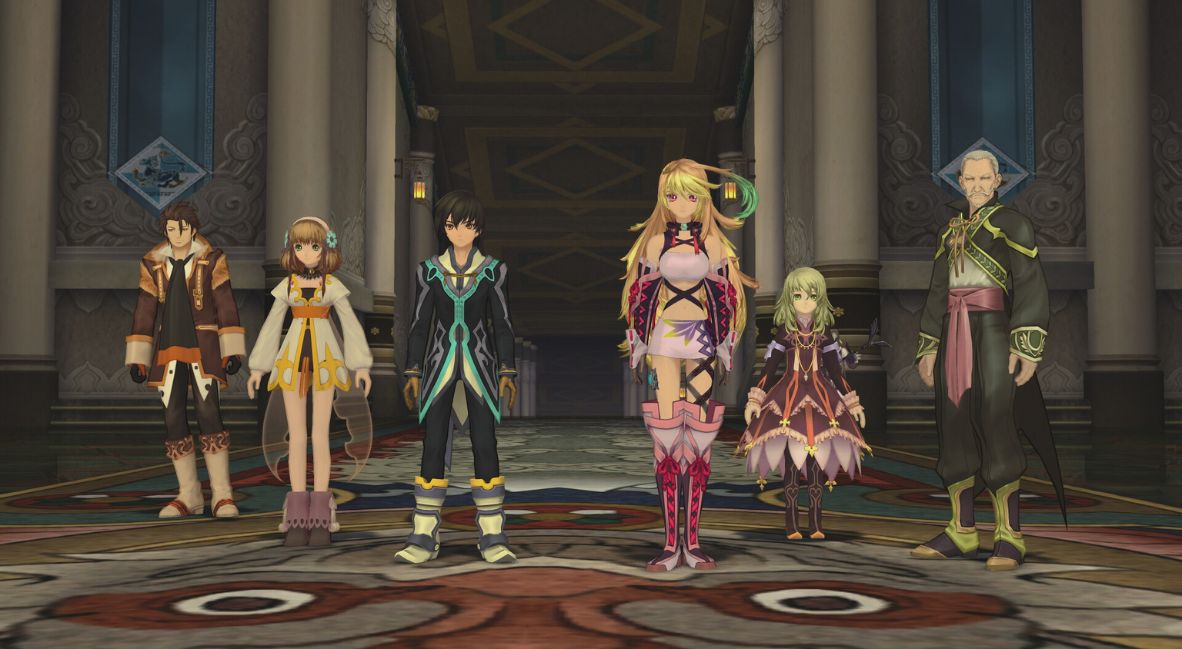
Still, playing Tales of Xillia has never been better thanks to the game’s new, much-needed quality-of-life changes. This includes an incredibly useful autosave function, the ability to dash, making gameplay faster and more approachable, and the ability to toggle encounters. Additionally, the game now allows players to skip dialogue lines, skits, and cutscenes.
This is a significant enhancement from the original, as it had painfully slow dialogue scenes and skits. The remaster also grants access to the shop from the start, unlocking several features and providing money to purchase various useful items. Moreover, players can finally play the game with Japanese dub, which features excellent voice acting. Overall, playing Tales of Xillia is now something modern players can indulge in thanks to these features.
Visually, Tales of Xillia Remastered looks better than ever. The game features cel-shaded character models and more expressive facial animations. The remaster provides the visuals a new coat of paint as almost everything looks genuinely HD, especially the animated cutscenes and opening. While the environments can sometimes appear sparse compared to modern RPGs, the art direction compensates with vibrant color palettes and numerous ethereal designs and elements.
Despite some signs of aging, Tales of Xillia Remastered is still a wonderful JRPG.
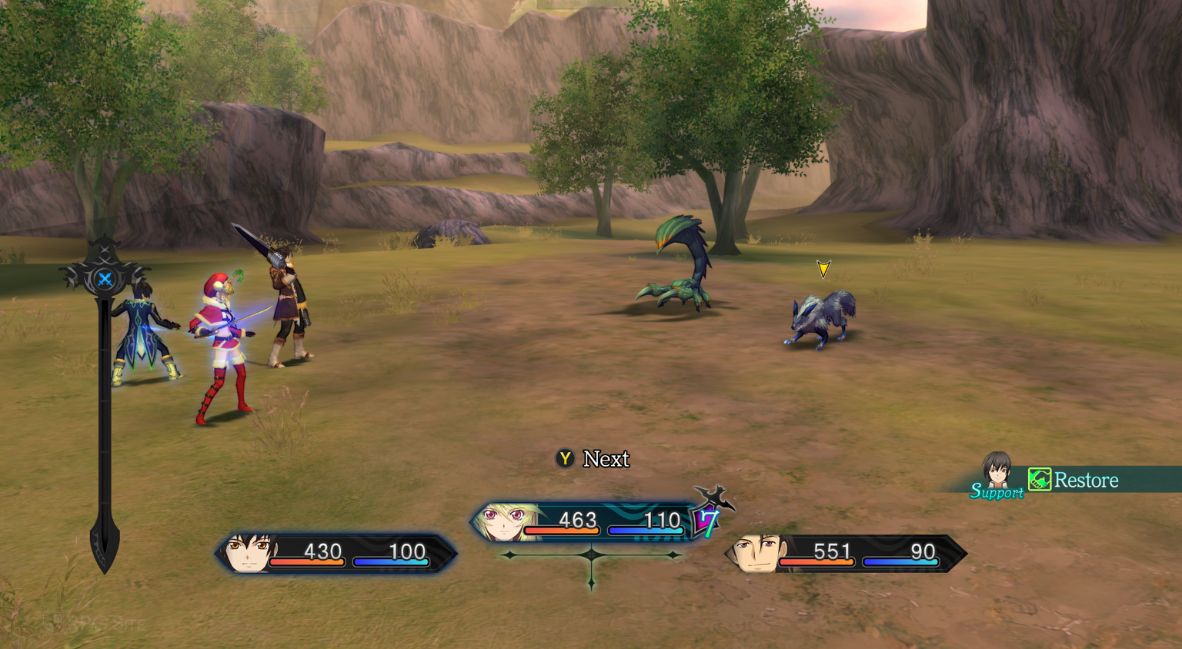
Despite its many strengths, Tales of Xillia Remastered isn’t flawless. The pacing is a bit disappointing, particularly in the middle chapters, where the story slows down before ramping up towards the end. Side quests also mostly boil down to standard fetch or monster-hunting missions that lack the creativity found in other Tales titles.
Additionally, despite the remastered visuals, the character models still appear incredibly dated and show the game’s age. The voice-acting audio, especially the English dub, sounds antiquated and reflects a time when audio equipment and design were of lower quality.
However, these shortcomings don’t overshadow all the great aspects of Tales of Xillia Remastered. It’s a heartfelt JRPG that celebrates what fans love about the series with emotional storytelling, strong character writing, and thrilling combat.
All in all, despite its flaws, Tales of Xillia Remastered is still a wonderful JRPG, even over a decade later. The remaster provides many reasons why fans of the genre will enjoy and appreciate the game.
Tales of Xillia Remastered is available now for PlayStation 5, Xbox Series, Nintendo Switch, and PC via Steam and Microsoft Store.
Tales of Xillia Remastered
-
Rating - 8.5/108.5/10
TL;DR
All in all, despite its flaws, Tales of Xillia Remastered is still a wonderful JRPG, even over a decade later. The remaster provides many reasons why fans of the genre will enjoy and appreciate the game.