

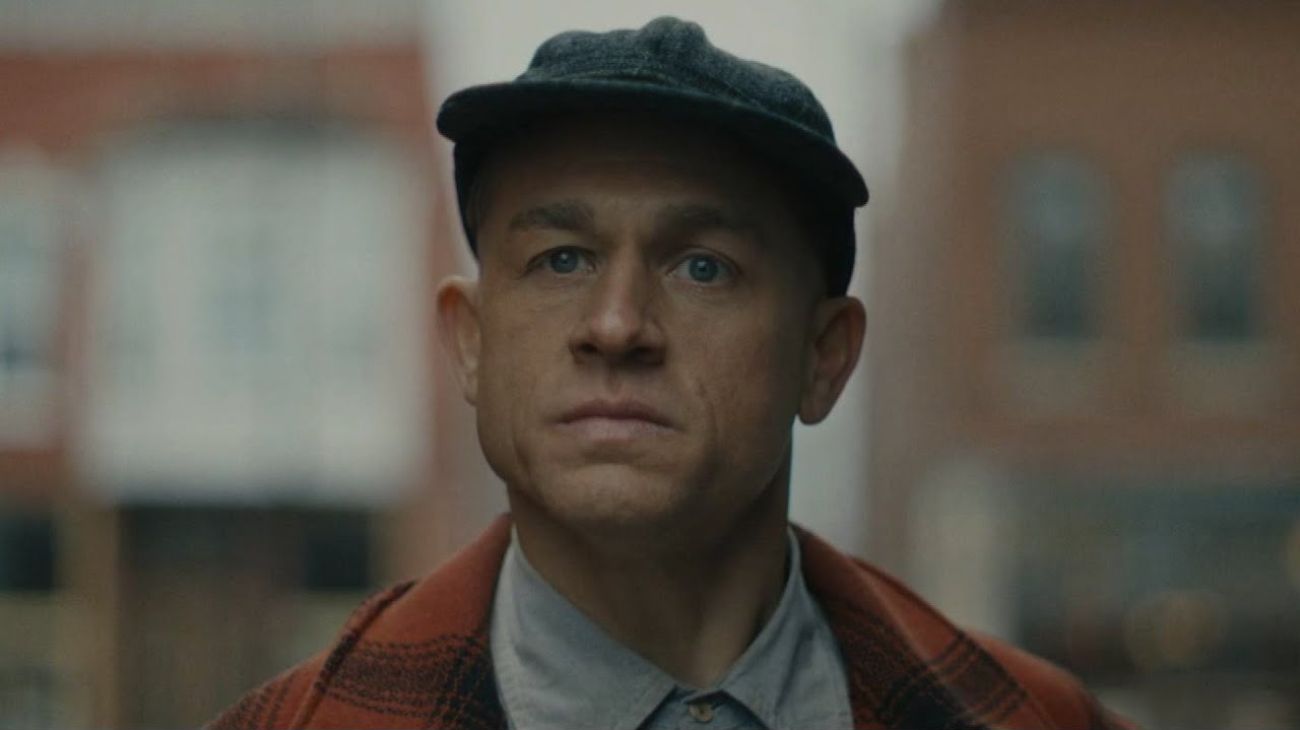
The trend of true crime miniseries refuses to slow down, certainly not with Ryan Murphy leading the charge. One of the latest additions to this trend is Monster: The Ed Gein Story, which is the third season of Murphy’s anthology series. Monster: The Ed Gein Story focuses on Ed Gein (Charlie Hunnam), a graverobber, serial killer, and eventual convicted killer. Although Murphy isn’t the showrunner this time around, his influence is evident. And considering how messy the writing is, that’s not remotely a good thing for this series.
The entertainment value of Monster: The Ed Gein Story depends on how much you want to dismiss or accept regarding the direction of the show. There’s enough violence, bizarre moments, and gore to satisfy specific horror fans. However, the weak writing, unusual direction, rampant inaccuracies, and the voice that Hunnam adopts make it less appealing. If this were a show about some other serial killer that wanted to revel in depravity, that would be a different story. The problem is that it’s being marketed as Gein’s story when it barely is.
The real Ed Gein’s story likely couldn’t fill an entire season. In fact, a two-hour film would have sufficed. But that’s not the point of the Monster anthology series, and thus, fabricating details is what ultimately happens in this case.
Monster: The Ed Gein Story prioritizes shock value over factual accuracy.
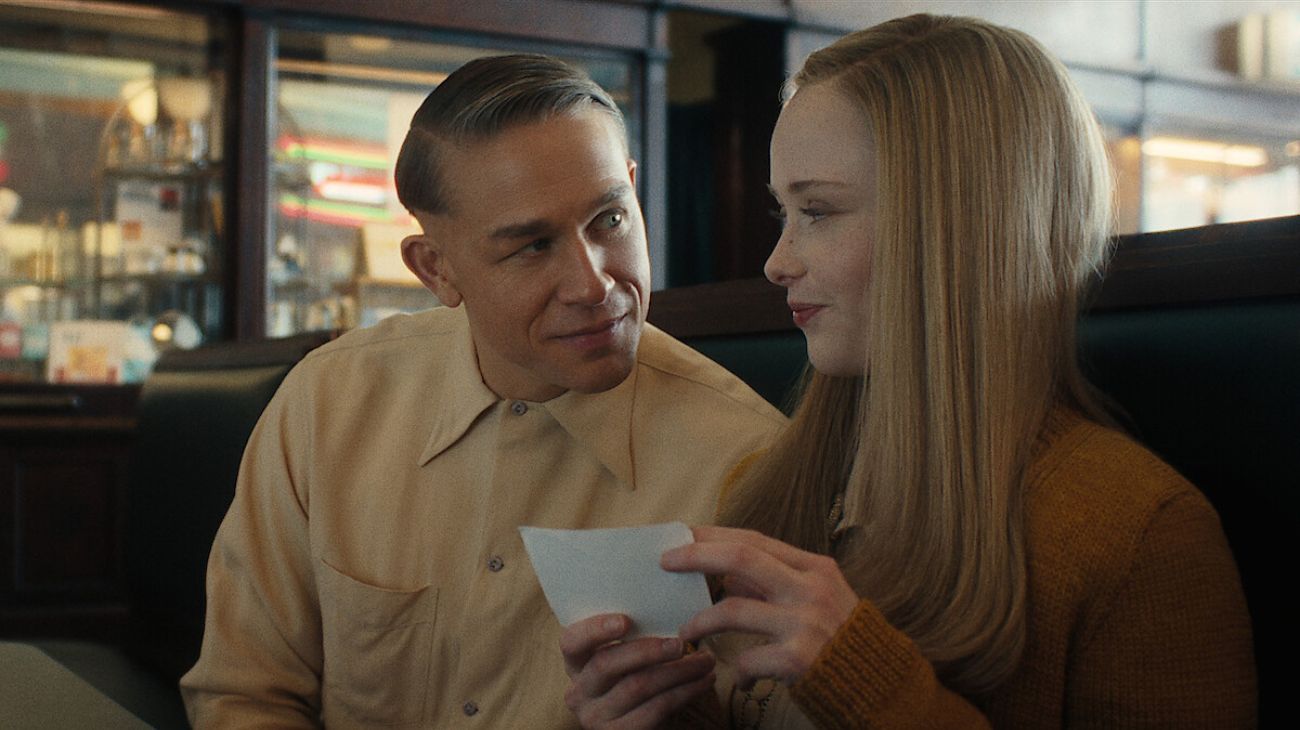
There are numerous inaccuracies throughout The Ed Gein Story. Gein never spoke in the voice that Hunnam adopts. He was never confirmed to have killed his brother, and Adeline Watkins (Suzanna Son) never entered Gein’s home, nor did she encourage Gein’s behavior. He was never convicted of the murder of Evelyn Hartley, he played no role in the capture of Ted Bundy, and so on. Pushing these as part of his story is an odd choice, demonstrating the series’ disinterest in delving into the truth of his story.
Throughout the show, we watch Gein’s mental state unravel, which would be intriguing if it weren’t depicted as an aggressive spectacle. Instead, the series suggests that Gein was a crossdresser and was interested in the story of a trans actress at the time, Christine Jorgensen. Rather than relying on accuracy, Monster: The Ed Gein Story aims for basic shock value. Marketing the series as Gein’s story spreads inaccurate information, inspires other screenwriters to mimic this form of storytelling, and ultimately does a disservice to those interested in true crime.
There’s nothing inherently wrong with consuming crime content or having an interest in it. However, if you’re using the lives of victims or trying to push harmful, exploitative narratives in true crime shows, about people who are no longer with us to defend themselves, then you’re part of the issue. Just like Monster: The Jeffrey Dahmer Story, the show falls on its face in proving whether it needed to exist in the first place.
The best true crime series refuse to rely solely on spectacle and thrills.

Faithful crime adaptations like Unbelievable, The Act, Mindhunter, and even Extremely Wicked, Shockingly Evil, and Vile have an evident respect for what they’re dealing with. Do these shows and films serve as a form of entertainment? Of course they do. However, they are labeled as being based on their respective actual crime cases, with some details added to flesh out their stories further. They don’t take to relying on sheer spectacle, nor do they pretend that it’s all straight-up factual information.
Whether Monster: The Ed Gein Story earns its spot as the worst offender, compared to Monster: The Jeffrey Dahmer Story, is debatable. However, the only thing that can be said about Dahmer’s season is that it was more factually accurate. Meanwhile, Gein’s season doesn’t care about giving you the facts; it only wants you to feel terrified of what’s being displayed on screen.
Exploring Ed Gein’s mental health issues, rather than focusing heavily on inaccurate depictions of him, would’ve been a better choice for the series. Despite the correct depiction of his relationship with his mother, it doesn’t excuse what they get wrong throughout the show.
Trying to infuse the show with absurdity that would feel more at home in a series like American Horror Story just lends to why most of it is geared towards shock value. The attempts to unpack Hollywood’s obsession with human monsters is also poorly explored, lacking depth.
While Ed Gein inspired multiple stories, the Monster series operates in fabrications.
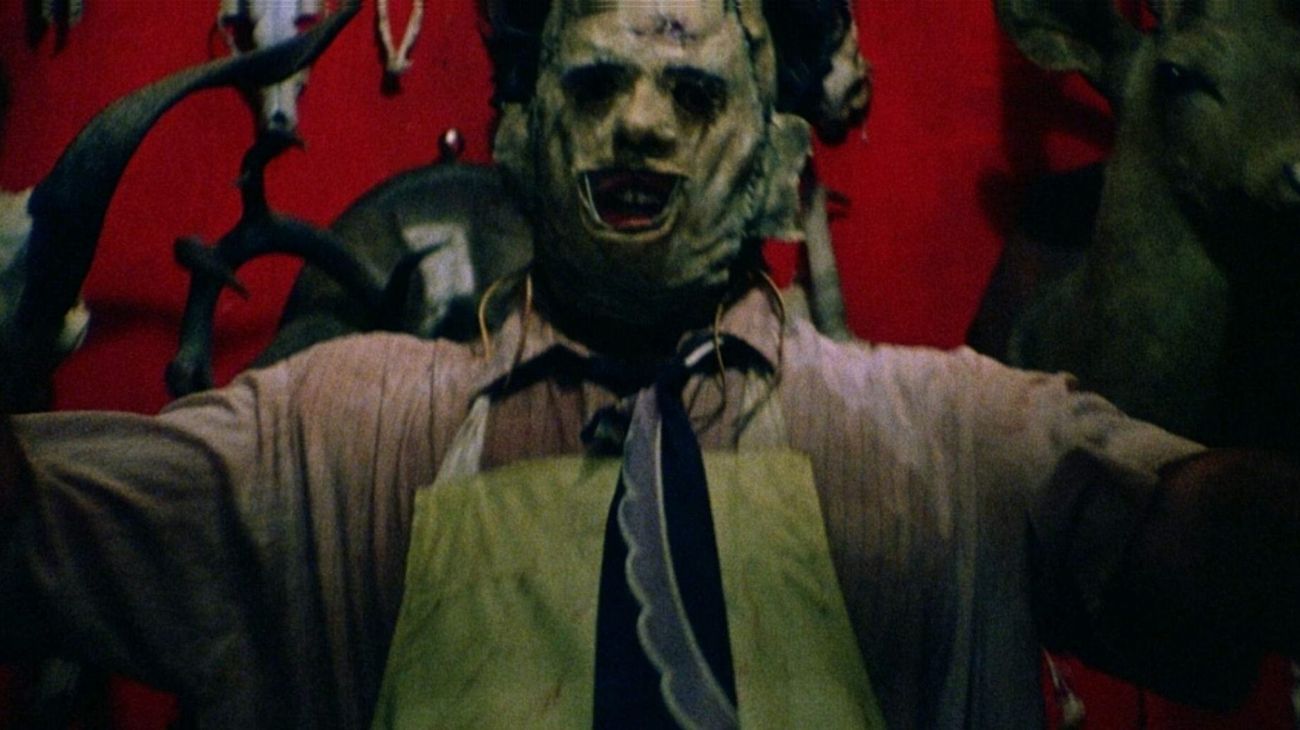
Gein was never a chainsaw-wielding serial killer who ate people, nor was he a crossdresser. The truth was that he was fascinated by a Nazi figure named Ilse Koch and stories about cannibals that were being written in magazines. The psychology of his fascination with cannibalism and despicable human beings like Koch would’ve been the more accurate route to take – and the more interesting. There could’ve been focus on the psychology and how it influenced his behavior.
If true crime series are being marketed as the stories of these infamous killers, they need to be fact-checked and treated with more tact. Not to mention, many of these stories have already been told numerous times through other films, documentaries, books, and similar media. There’s nothing new to be said about the popular killers in the first place. But if there’s an insistence to go back to the same wells, they need to be accurately displayed.
At the end of the day, Monster: The Ed Gein Story is a series that I wouldn’t call must-watch for true crime fans. However, if you’re not deterred and must see the show unfold for yourself, keep in mind that you’re getting more sensationalized spectacle than fact. And fact-checking will do anyone a world of good in the case of a series like this one. If you don’t care to visit this series, maybe consider supporting different projects that handle real-life cases much better than Monster: The Ed Gein Story was.
Monster: The Ed Gein Story is available now on Netflix.